


























































We Are With You
- A Travel Consultant Rooted In China
- Immediate Response, No Need To Wait!
- Direct Contact, Highest Value

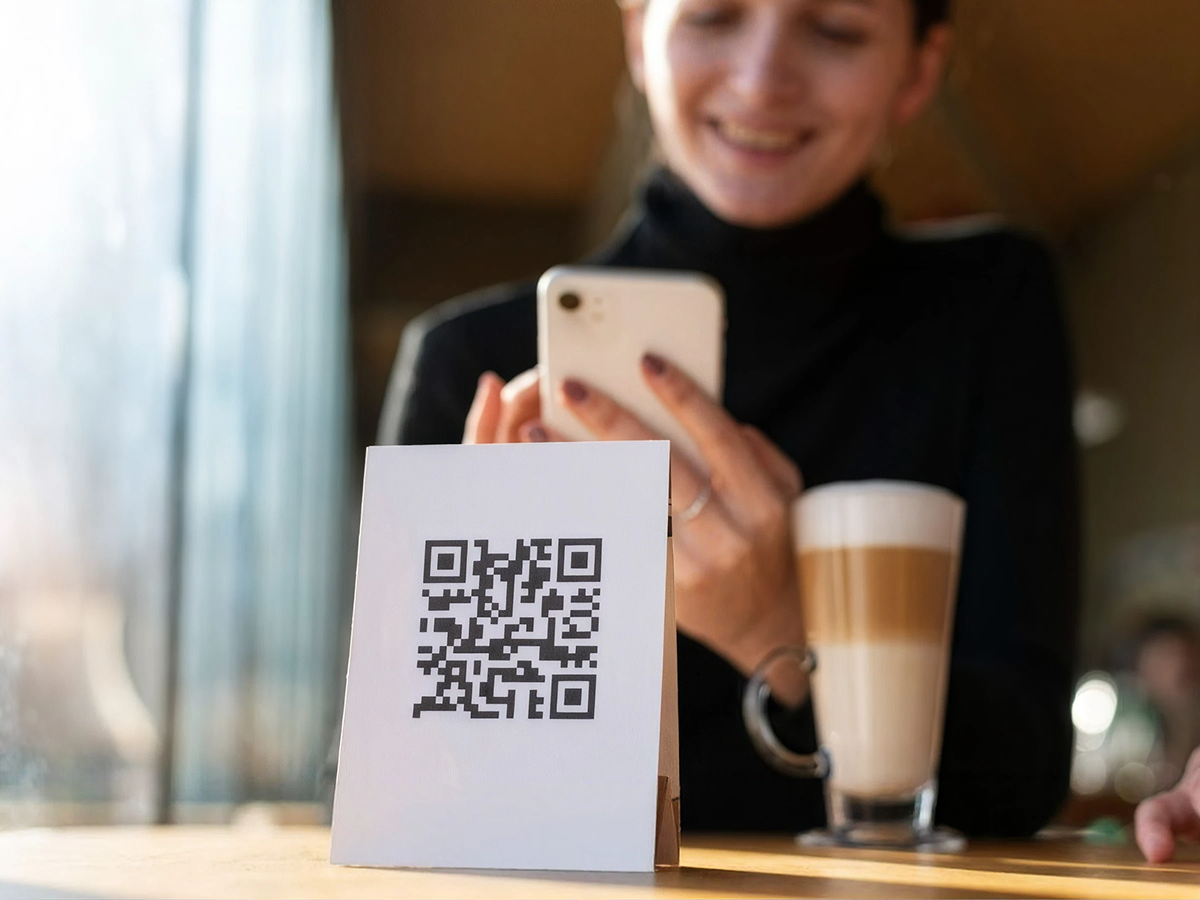
Most people who research a trip to China read that mobile payment is essential and that setting it up before arrival is important. They arrive having read this, having intended to sort it out, and having not quite gotten around to it. The first morning in the country, standing at a breakfast stall with no QR code reader and no cash, is when the gap between knowing something and having done it becomes very concrete.
Payment setup in China is not complicated. But it has specific friction points that catch people at predictable moments, and understanding where those moments are — before you encounter them — is the difference between a smooth first day and a frustrating one.
## Why Mobile Payment Matters More Than People Expect
The standard advice is that mobile payment is widely used in China. The reality is that in many contexts it is the only payment method available. Not one of several options. The only one.
Street food vendors, local restaurants, small shops, market stalls, some transport options — many of these operate without card readers and without the expectation that customers will pay any other way than by scanning a QR code. A visitor who arrives without mobile payment set up is not inconvenienced. They are excluded from a significant portion of the daily transaction economy.
The cash fallback is real but limited. ATMs work, cash is accepted in some contexts, and carrying 500 to 1,000 CNY covers genuine cash-only situations. But cash does not solve the lunch stall that has no cash register, the market vendor who scans and goes, or the transport booking that exists only in an app. Mobile payment is not a convenience in China. It is the infrastructure.
## Friction Point One: The Timing Problem
The most common mistake is leaving the setup for after arrival.
Both Alipay and WeChat Pay can be downloaded and configured outside China. The process is significantly more straightforward when you are on your home connection, with access to your bank's app, the ability to call your bank if a card is flagged, and time to troubleshoot without the pressure of needing the payment system to work immediately.
Inside China, the process becomes more complicated for several reasons. Your bank may flag the transaction attempt from a Chinese IP address and block the card. The verification process for some international cards requires SMS codes that may arrive slowly on roaming. If a step fails and you need to contact your bank or the app's support, doing so in a different time zone with limited connectivity is harder than doing it at home.
The setup takes fifteen to twenty minutes when everything works. When something does not work — a card is declined, a verification code does not arrive, the app requires a document upload — it can take significantly longer. Doing that troubleshooting at home, with time and full connectivity, is a categorically different experience from doing it in a hotel room after a long flight, in a time zone several hours offset from your bank's customer service hours.
## Friction Point Two: The Bank Call Nobody Makes
International bank cards linked to Alipay or WeChat Pay are charged in real time through the payment apps. From your bank's perspective, this looks like a series of small international transactions from an unfamiliar location, often in rapid succession as you move through a day of payments.
Many banks flag this pattern as potential fraud and block the card. The block happens silently — you try to pay, the transaction fails, and you receive no immediate explanation. The fix is a phone call to your bank, which is straightforward from home and significantly more inconvenient when you are standing at a lunch counter in Chengdu trying to pay for noodles.
The solution is a two-minute call to your bank before you travel, letting them know the dates and destination of your trip and that you will be making frequent small transactions from China. Most banks have a specific process for registering travel notifications. This call removes the most common cause of payment failure on the ground and is the item our clients most consistently wish they had done before departure rather than after.
## Friction Point Three: The Verification Layer
Alipay and WeChat Pay both have identity verification steps that affect transaction limits and, in some cases, the ability to complete certain transactions at all.
For Alipay, transactions above a certain threshold require passport verification. The verification process involves uploading a passport photograph through the app and waiting for approval, which can take anywhere from minutes to 72 hours. Initiating this process before arrival — so that any waiting period happens while you are still at home — means your account is fully verified when you land. Initiating it at the point of needing to make a large transaction while traveling is a different experience.
WeChat Pay's international card linking has its own verification sequence, and in some cases the full payment functionality only activates once you are inside China. This makes it slightly harder to pre-test than Alipay, and means that some clients who have set up WeChat Pay before departure find that a final step remains when they land. Knowing this in advance prevents the confusion of finding that a payment method you believed was ready requires one more step.
## Friction Point Four: The Backup Card Gap
Most visitors link one card to Alipay and consider the setup complete. The gap becomes apparent when that card is declined — for a fraud flag, a technical issue, or a card that turns out not to be compatible with the platform — and there is no alternative linked.
Linking a backup card at the same time as the primary card takes three minutes and removes this gap entirely. The backup does not need to be a different network — a second Visa card works — but a card from a different bank is a more complete fallback.
## What We Do for Our Clients
Payment setup is part of the pre-trip briefing we conduct with every client before a China journey. We walk through the specific steps for their card type and nationality, flag which banks are most likely to require the travel notification call, and confirm that the setup has been completed and tested before departure.
For clients who encounter issues during setup — a card that repeatedly fails verification, a bank that blocks the transaction before it completes — we have dealt with most of the variations before and can usually identify the specific fix faster than troubleshooting from scratch.
The clients who arrive in China with payment set up, a backup card linked, and their bank notified have, in our consistent experience, a qualitatively different first morning from those who do not. Not because everything else is different. Because the first transaction works.
That is a small thing. In the moment, at a breakfast stall on the first day of a trip to China, it does not feel small.
## The Quick Reference
- Download and configure Alipay before departure, not after arrival
- Call your bank to register the trip dates and destination before you leave
- Complete passport verification in the app before you travel
- Link a backup card at the same time as the primary
- Carry 500 to 1,000 CNY cash as a fallback for genuine cash-only situations
- If something fails during setup, troubleshoot at home where time and connectivity are on your side
None of this is complicated. All of it is easier done in advance than in the moment. That gap between knowing and doing is where most payment problems in China begin — and where all of them can be prevented.
THE ESSENCE OF CHINA
A fine hotel shapes the warmth of every journey






We Are With You
Maximize Your Flexibility
Ensure Your Satisfaction
Live Your China Story


