


















































































We Are With You
- A Travel Consultant Rooted In China
- Immediate Response, No Need To Wait!
- Direct Contact, Highest Value
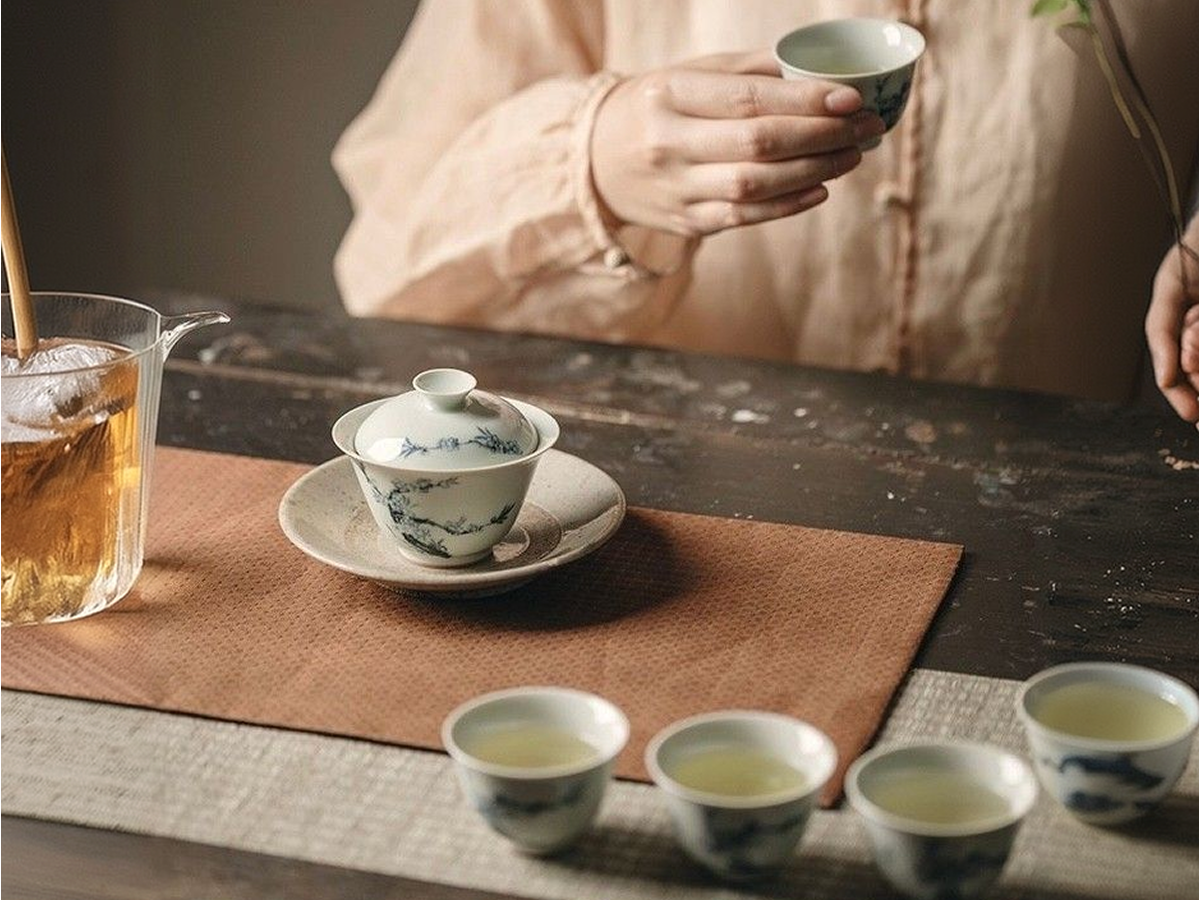
The common trip mistake with Chinese tea culture is booking a costume ceremony—or racing ten teas in twenty minutes. A stabler split is three layers: leaf type, brewing method, and the room you sit in. Set a tasting goal first—green freshness, oolong fragrance, or deeper fermented body—and leave time for more than one steep.
You do not need every cultivar. A useful traveler shorthand:
Say whether you prefer fragrance-forward cups or longer, thicker finishes. That one sentence changes what a host opens first.
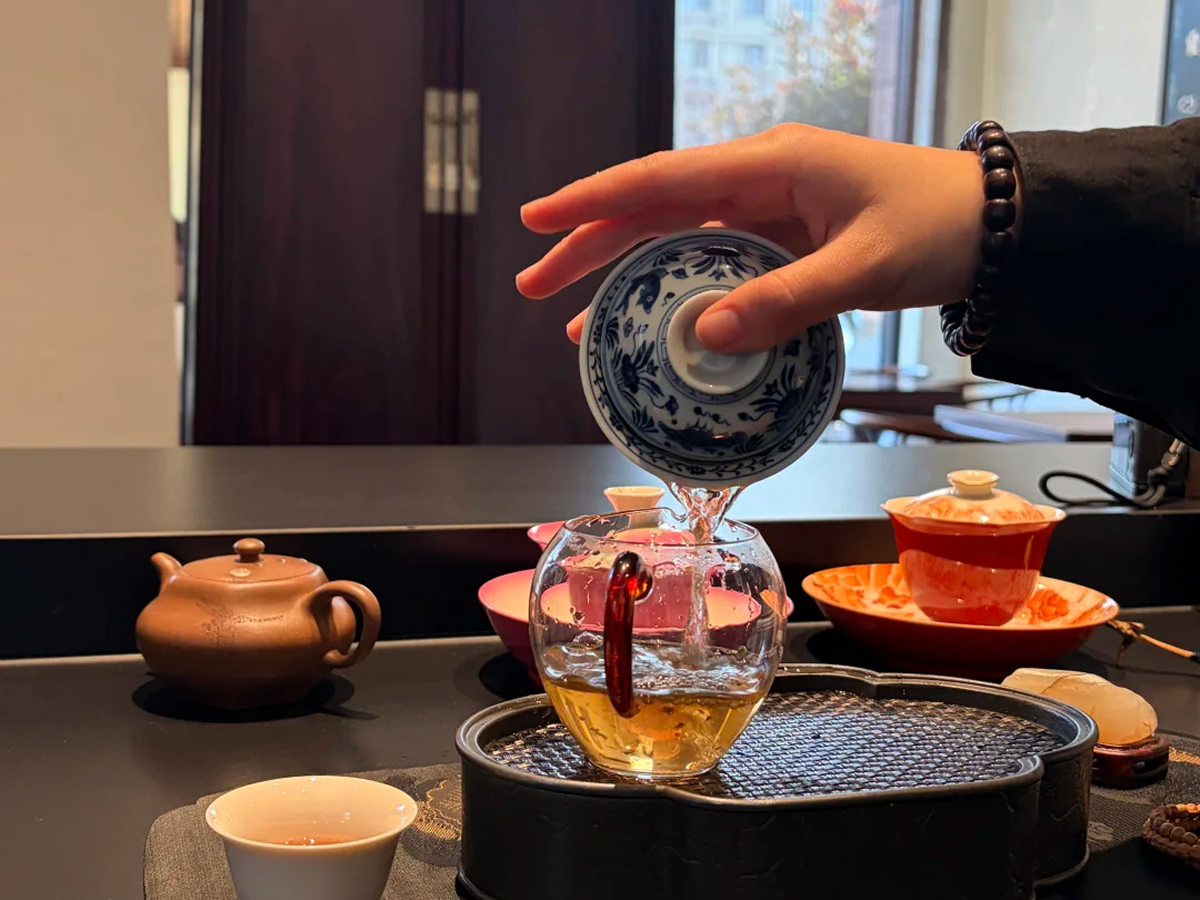
In a serious tea room or private tasting, expect rinsed leaves, multiple short steeps (especially oolong and pu’er), and small cups. A gaiwan or small pot lets the host control time. The first steep often leads with aroma; later steeps show body and finish. Cooling the rim between sips is normal—heat hides flavor.
Good visitor standards: clear origin and process talk, water that does not scorch delicate greens, no pressure to buy kilo lots. Skip loud “emperor tribute” scripts, forced costume poses, and ten-teas-in-twenty-minutes retail theater.
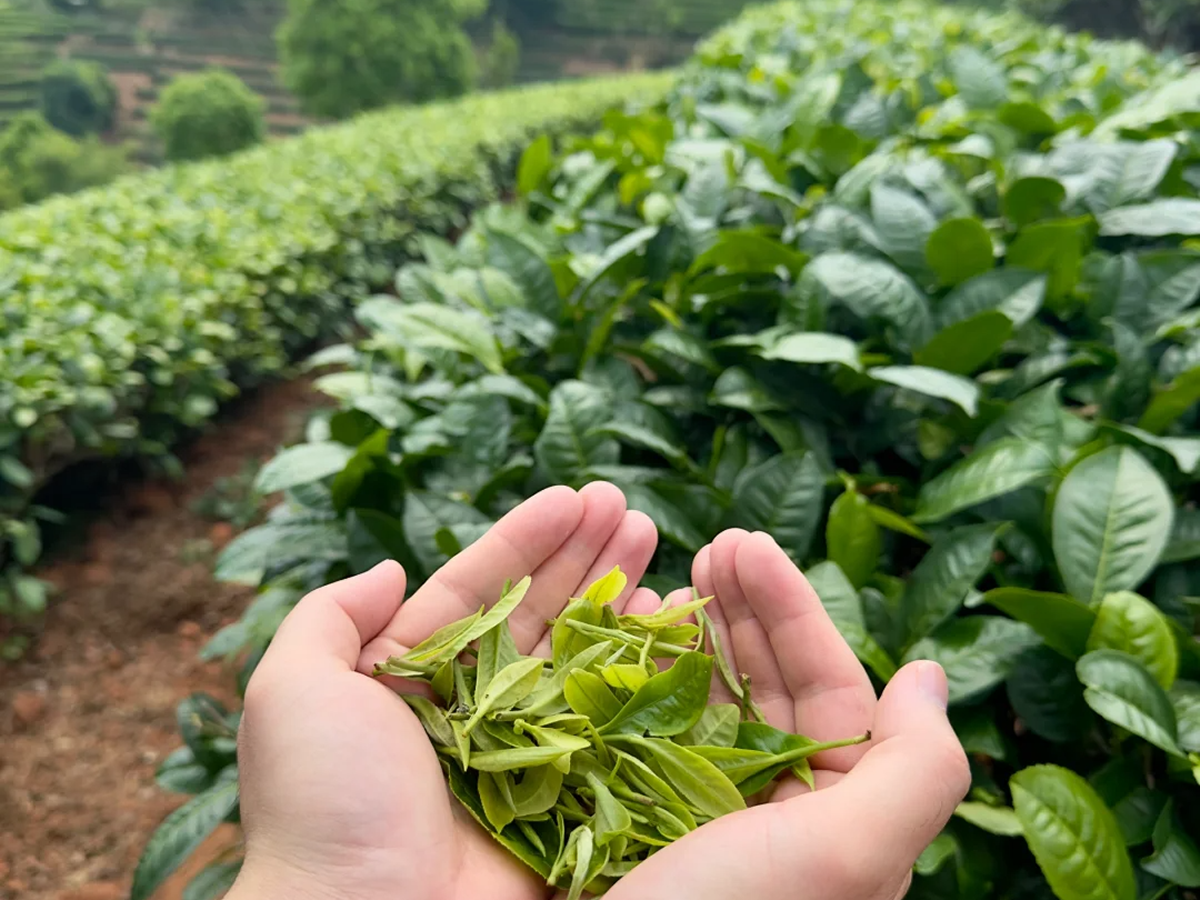
Tea hours work best as recovery blocks: after a hutong morning in Beijing, between garden walks in Jiangnan, or as an indoor pause on a hot Chengdu or Kunming afternoon. In Yunnan, tea can connect to landscape stories without forcing a plantation visit. City tasting rooms already carry serious leaf; field visits are optional add-ons.
A reserved table with a professional is not “we emptied the public teahouse for your group.” It means a booked seat, paced steeping, and explanation matched to your palate. Pair with soft walking days—see Beijing hutongs—rather than stacking tea after a wall-to-wall museum sprint.
Price signals quality imperfectly. Extremely cheap “ancient tree” claims are a red flag. Extremely expensive gift boxes often pay for the packaging. Practical rules: taste first; buy amounts you will finish in months unless you already store tea seriously; keep receipts if you carry large volumes through customs. Vacuum-sealed greens travel well; cakes need dry space.
If tea is a theme across cities, say so early so days are not built only around monuments. For wider trip pacing, read travel in China, or ask for a tea hour inside a tailor-made plan.
Tell TravelToQin your palate and cities; we place one unhurried tea session where the route needs a pause. Contact us with preferences rather than a tea shopping list.
A fine hotel shapes the warmth of every journey