


























We Are With You
- A Travel Consultant Rooted In China
- Immediate Response, No Need To Wait!
- Direct Contact, Highest Value
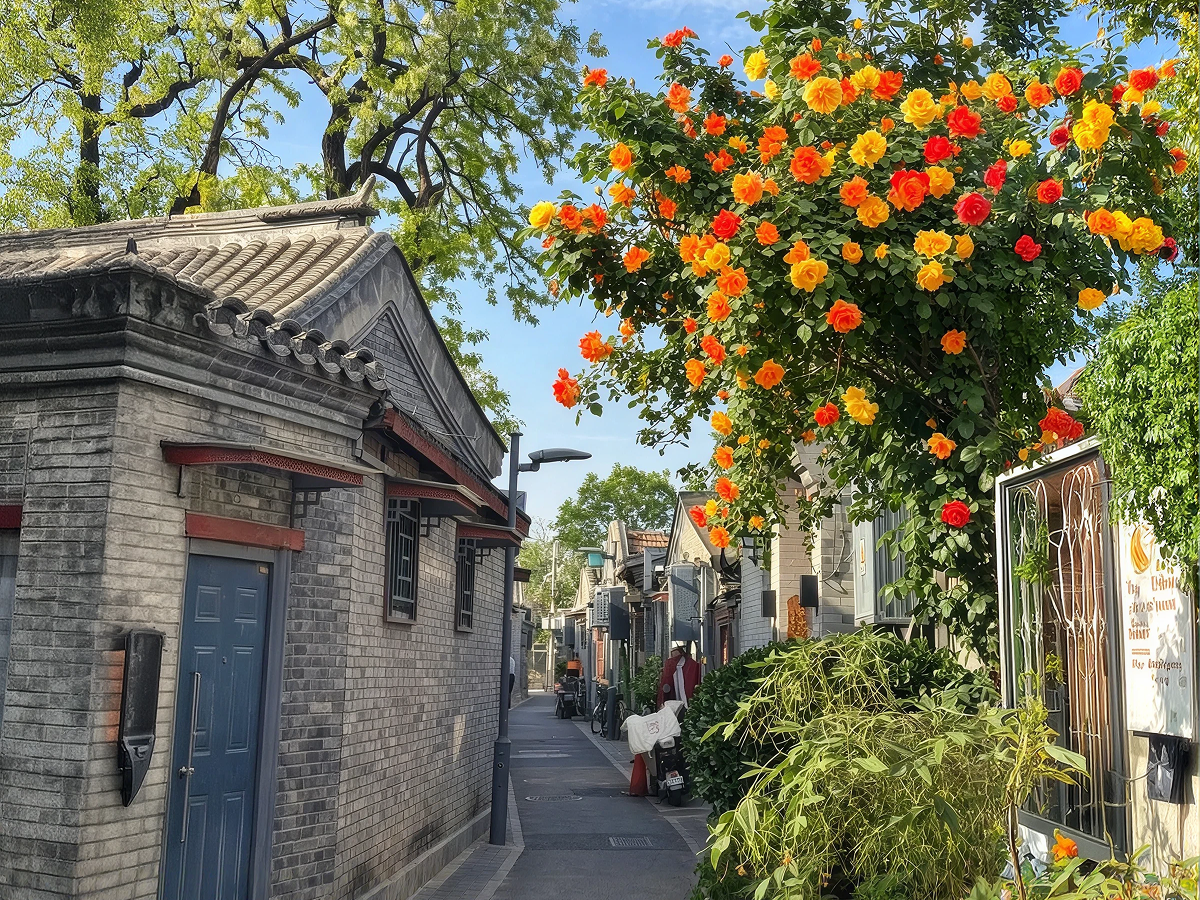
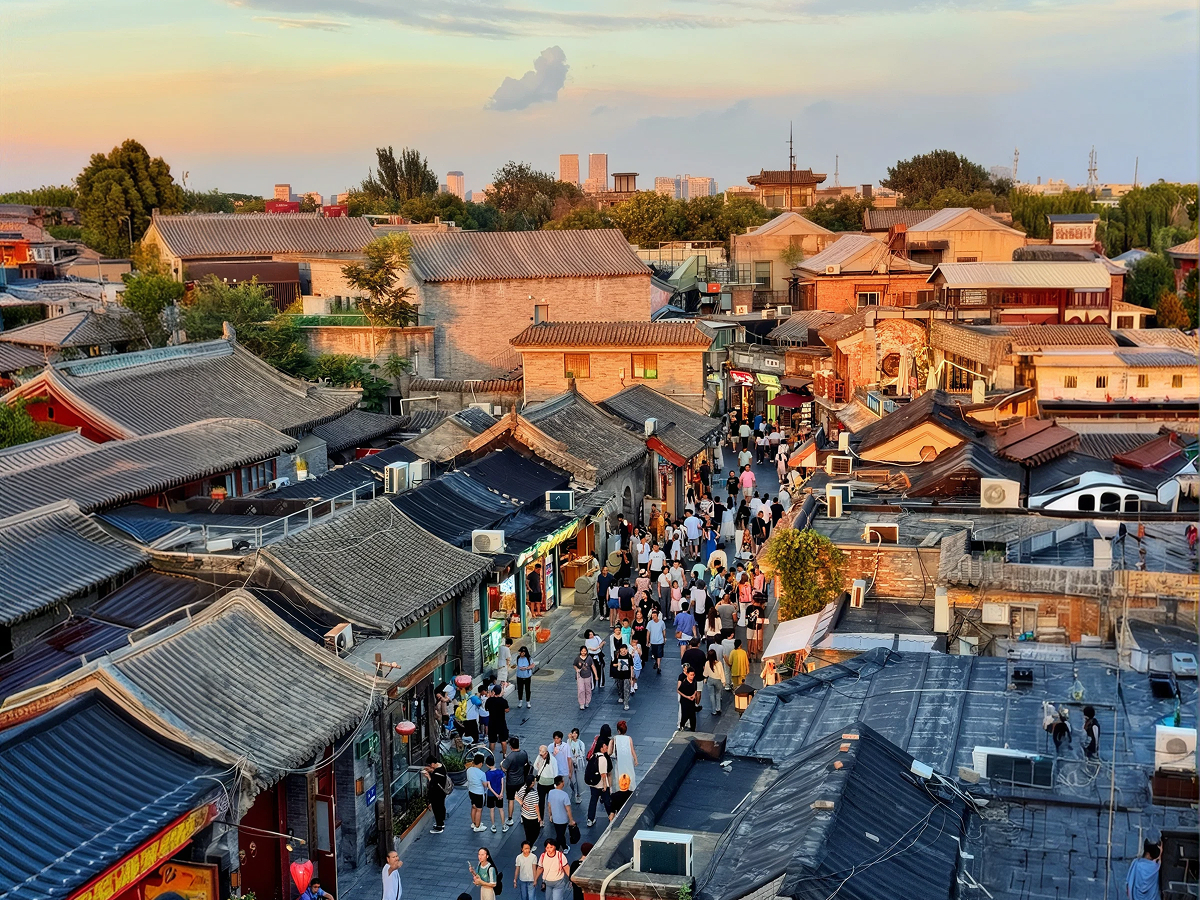
Most visitors treat Beijing hutongs as a short alley loop between the Forbidden City and lunch—scan Nanluoguxiang, tick the box, move on. That version is real and incomplete. Hutongs are gray-brick lanes, siheyuan courtyards, and mixed-use streets where people still live. A first visit works better when you pick one district (Guozijian edge or inland Shichahai streets), lock 7:30–9:30 or dusk, and keep close-range photo manners.
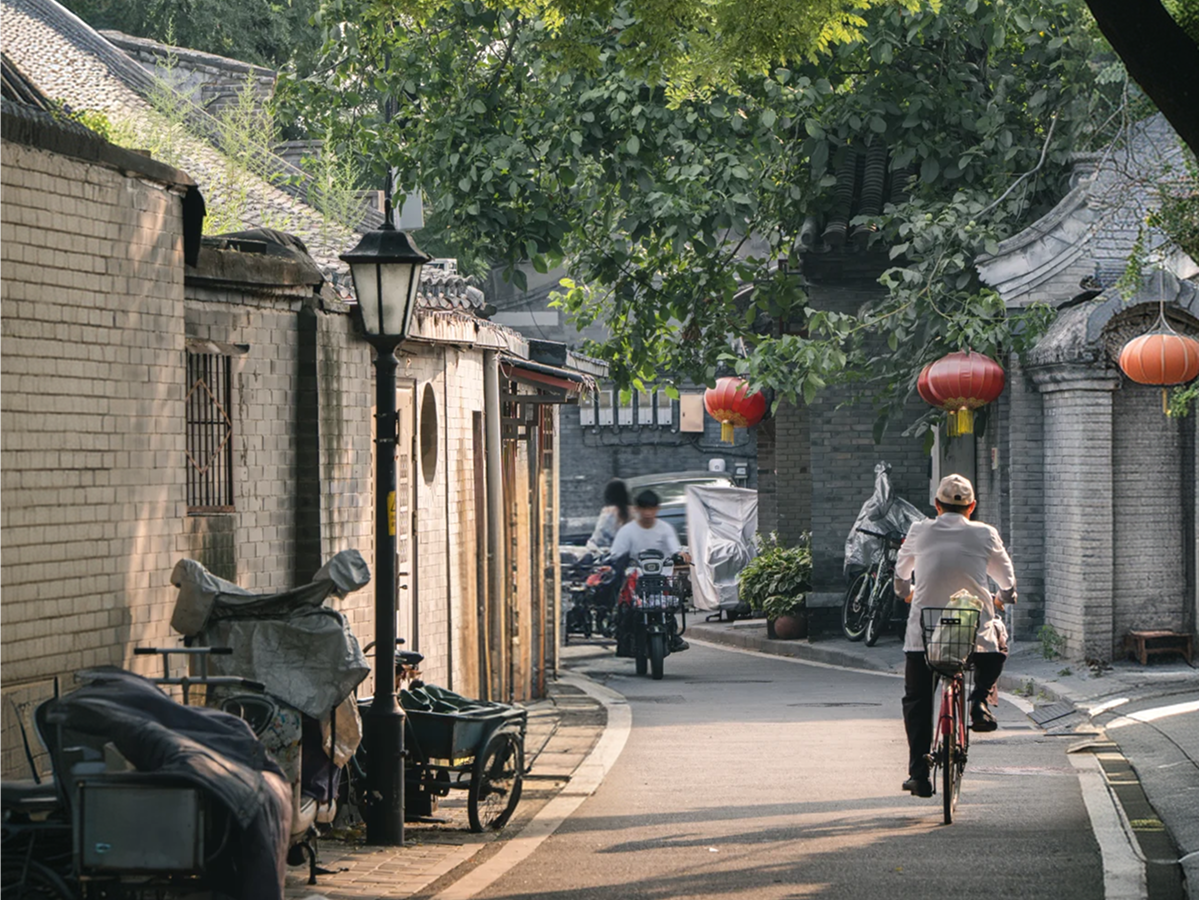
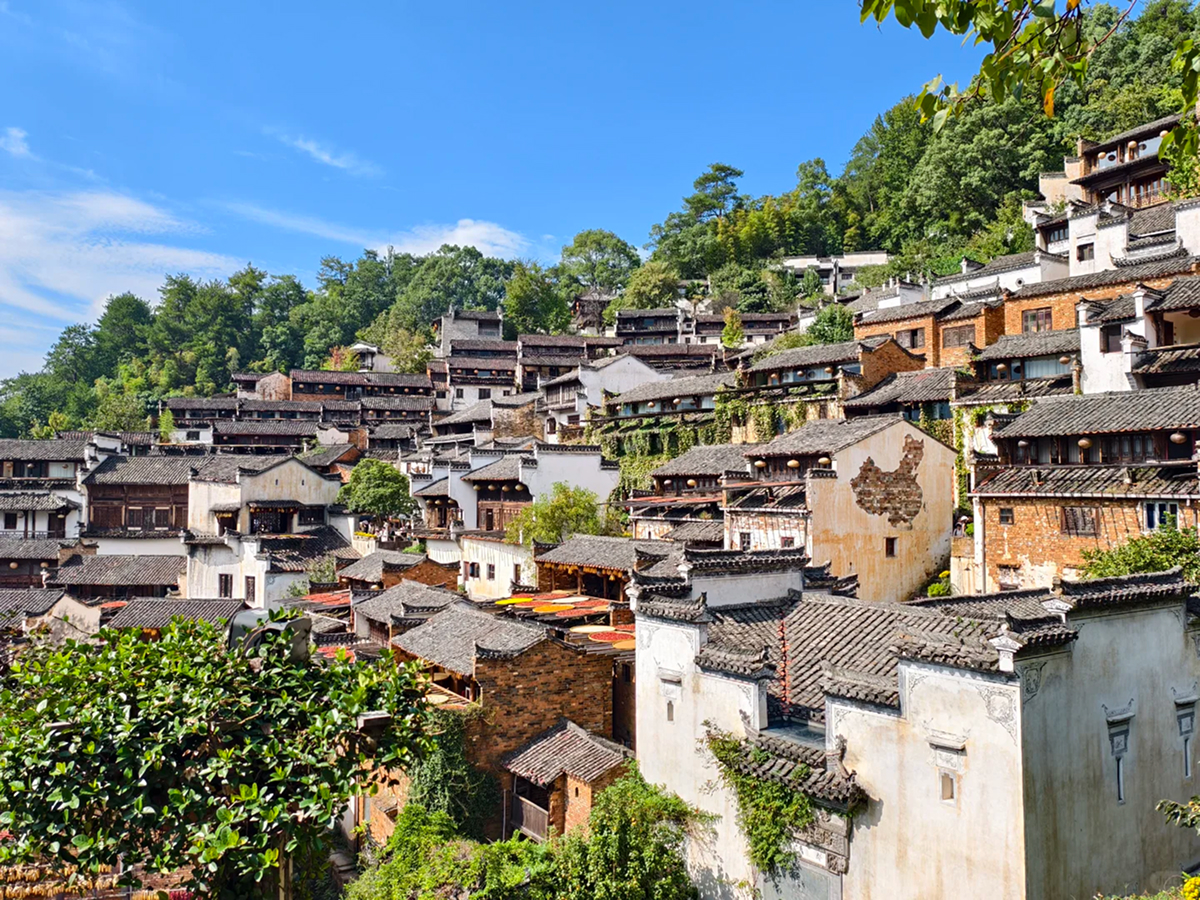
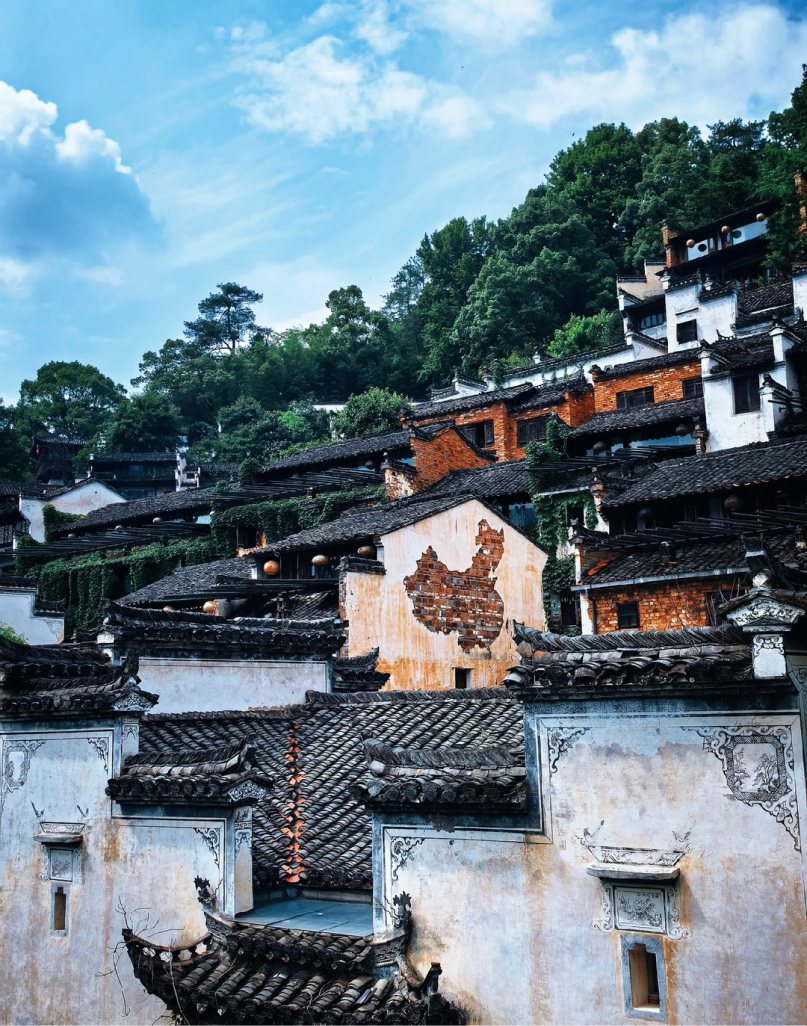
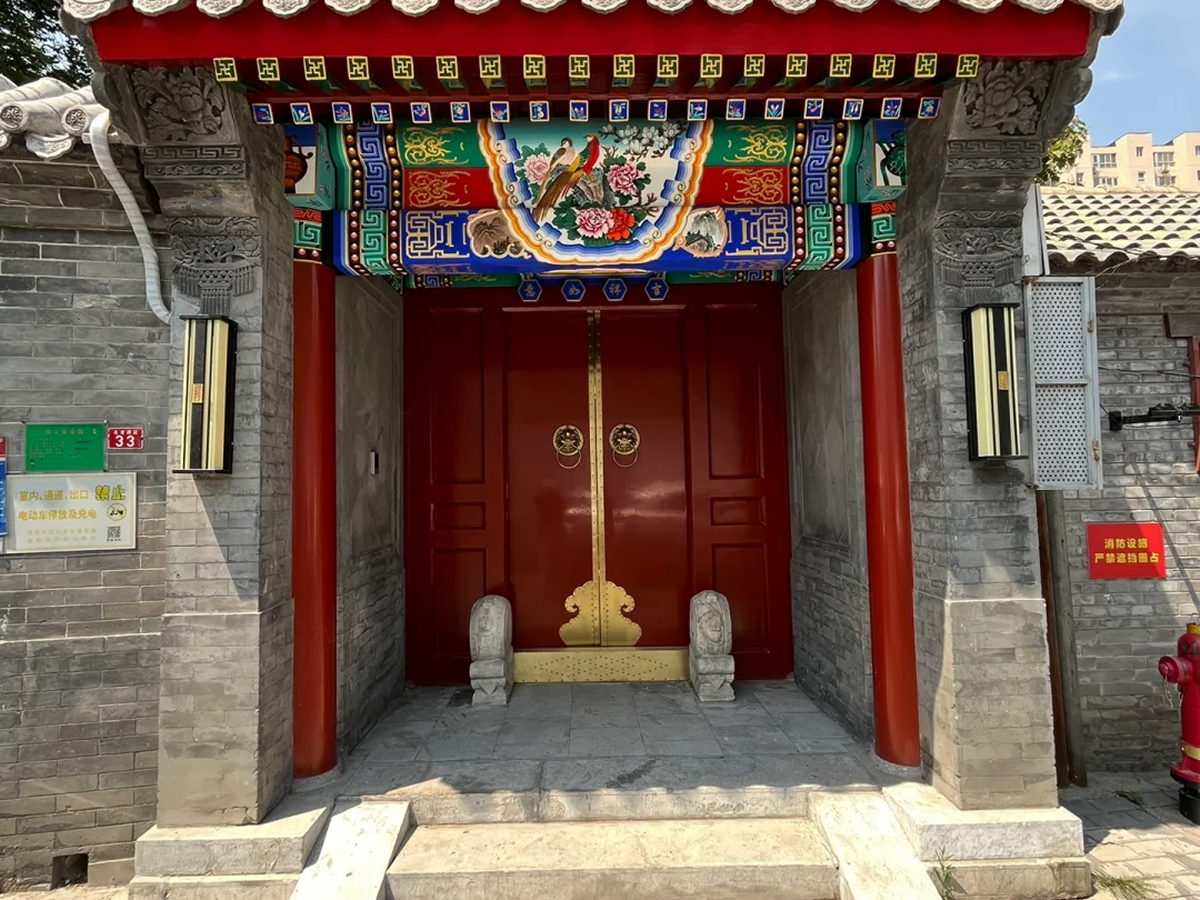
A hutong is a lane. A siheyuan is the courtyard house that historically lined it. Classic compounds face south; door piers, lintels, and roof ornaments once marked status. Many courtyards were subdivided in the twentieth century; others now hold homes, galleries, or small hotels. Parked e-bikes and laundry share space with restored brick—expect both.
Neighborhoods differ sharply. Nanluoguxiang and parts of Qianmen lean commercial. Guozijian, Dongsi, Xisi, and quieter stretches near the Drum and Bell Towers keep more residential texture. Plan one busier lane for atmosphere and one quieter grid for how people actually live—do not try to “finish” every famous name.
Two to three hours in one district is enough for a focused morning. Half a day works if you add a courtyard museum, a temple edge, or a sit-down tea or coffee stop.
A guide helps you read gate details instead of treating thresholds as props. Ask before photographing people at close range; treat courtyard doorways as private even when a gate stands open. That aligns with practical China travel etiquette.
Early morning (roughly 7:30–9:30) brings softer light, fewer tour groups, and residents starting the day. Late afternoon into dusk is second-best. Midday summer heat on dark brick is harsh and crowded. Winter can feel empty and windy—dress for it. Weekend café streets fill fast.
Rain is not a cancel button. Wet brick darkens, foot traffic thins; bring a compact umbrella and non-slip shoes.
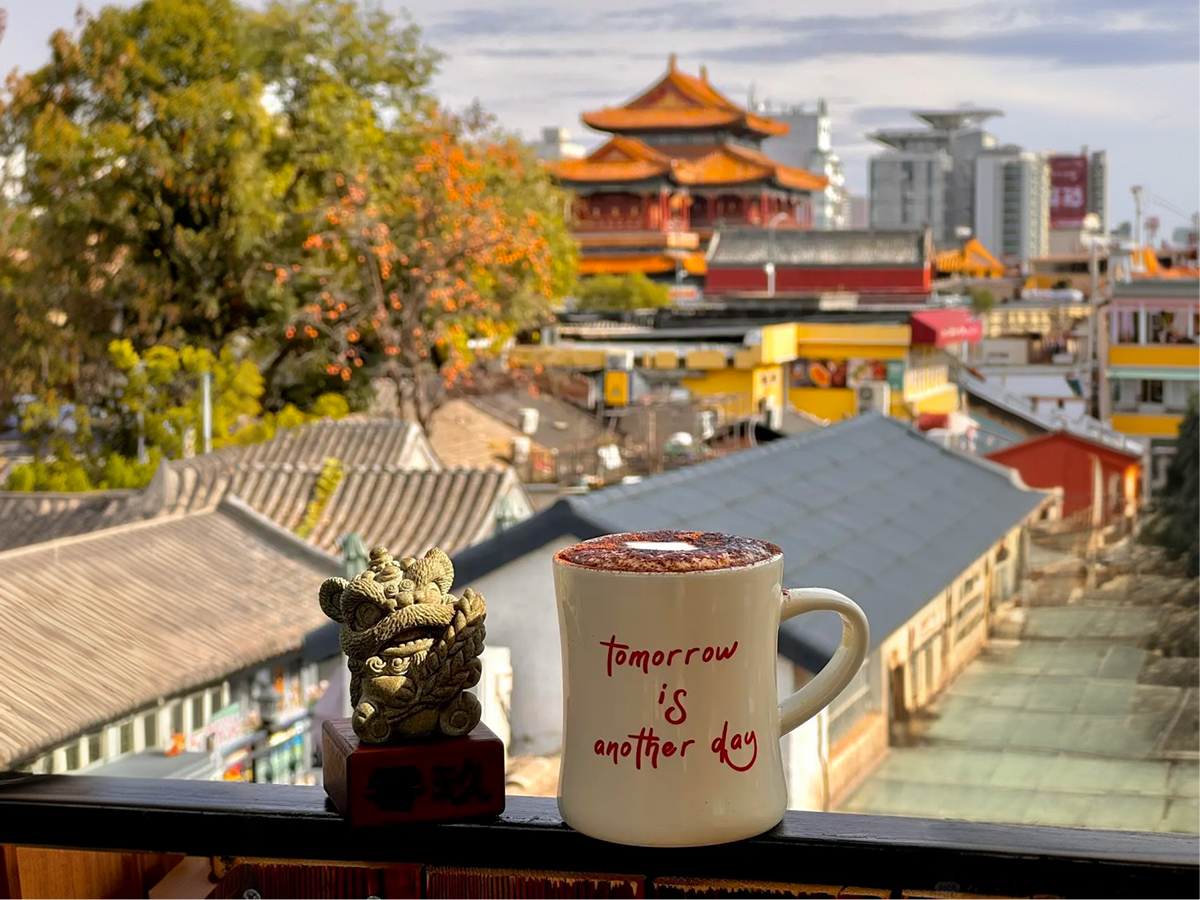
Cafés, design shops, and small galleries in hutong shells are not “inauthentic” by default—they are how the city funds and uses old fabric. Watch proportion: if every door is a concept store, you are on a commercial strip. If you still see residences, bike repair, and neighborhood groceries between coffee stops, you are closer to a living street.
Use one good café as recovery, not a 400-meter coffee crawl. After hutongs, follow with tea, a small museum, or a hotel pause—not another giant monument in the same breath.
A workable pattern: hutongs in the morning, one major site after late morning or lunch when queues are inevitable anyway, then an evening meal away from the noisiest lanes. Do not stack the Forbidden City, a hutong checklist, and the Great Wall on the same day if you care about any of them.
For how hutongs sit inside a 3–5 day capital structure, see a private Beijing tour, or start from the Beijing city page. To weave a morning or dusk walk with a driver for the edges, contact TravelToQin with your hotel area and how much walking you prefer.
A fine hotel shapes the warmth of every journey