









































We Are With You
- A Travel Consultant Rooted In China
- Immediate Response, No Need To Wait!
- Direct Contact, Highest Value
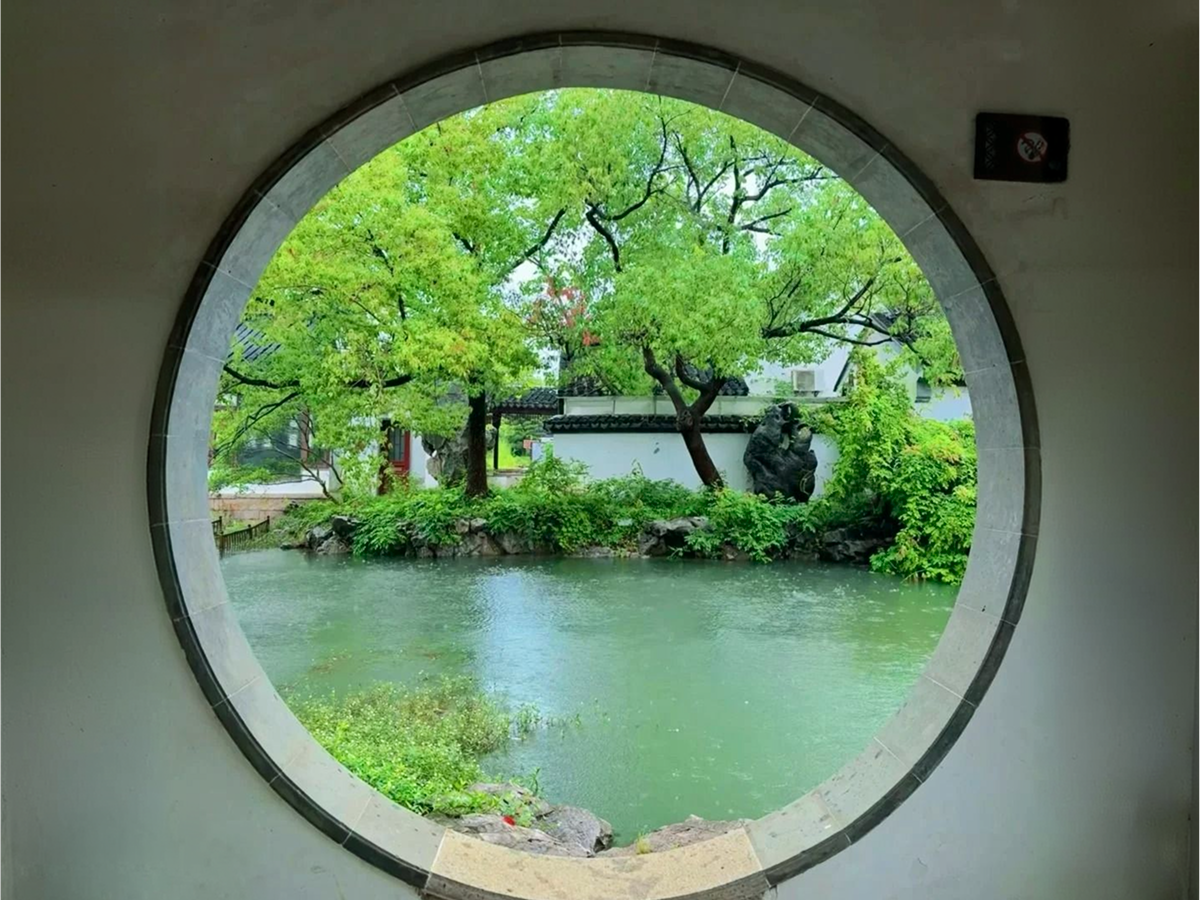
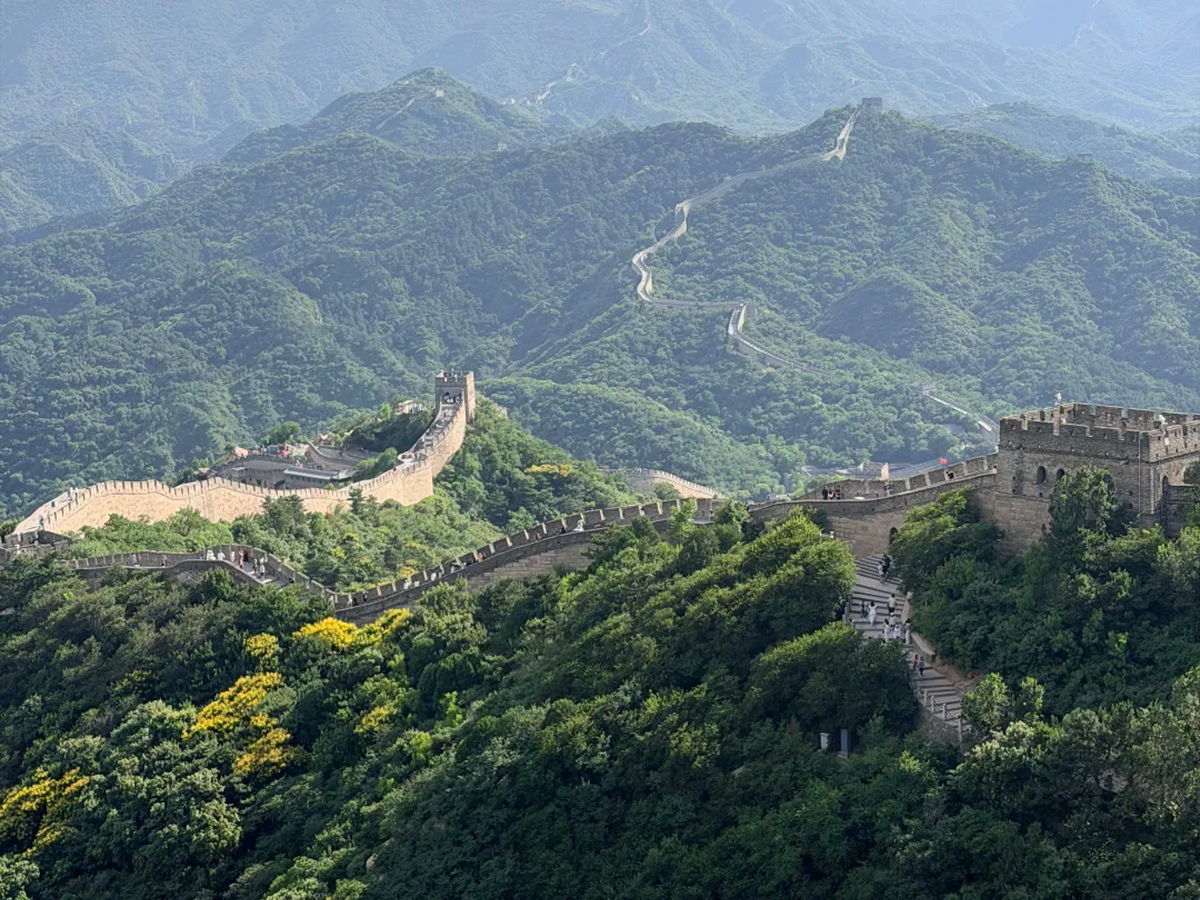
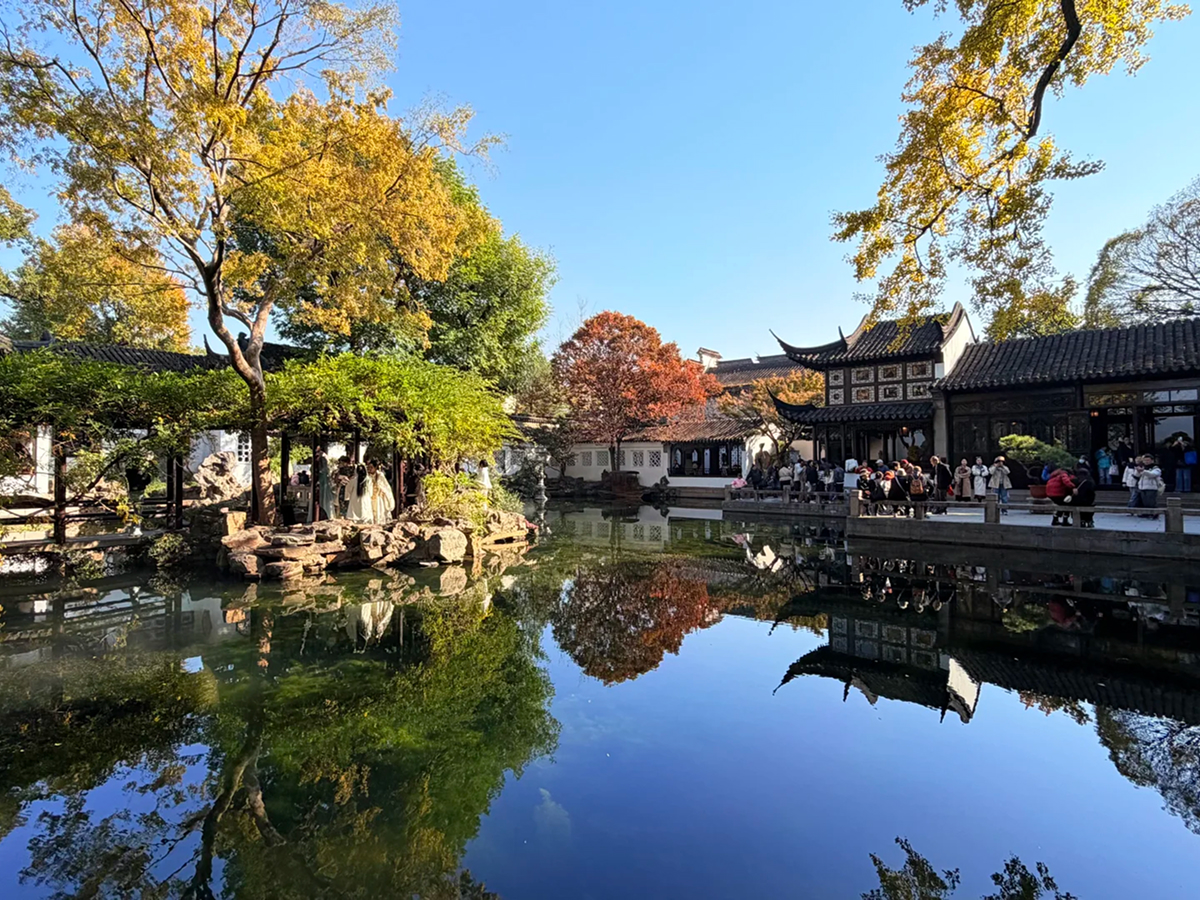
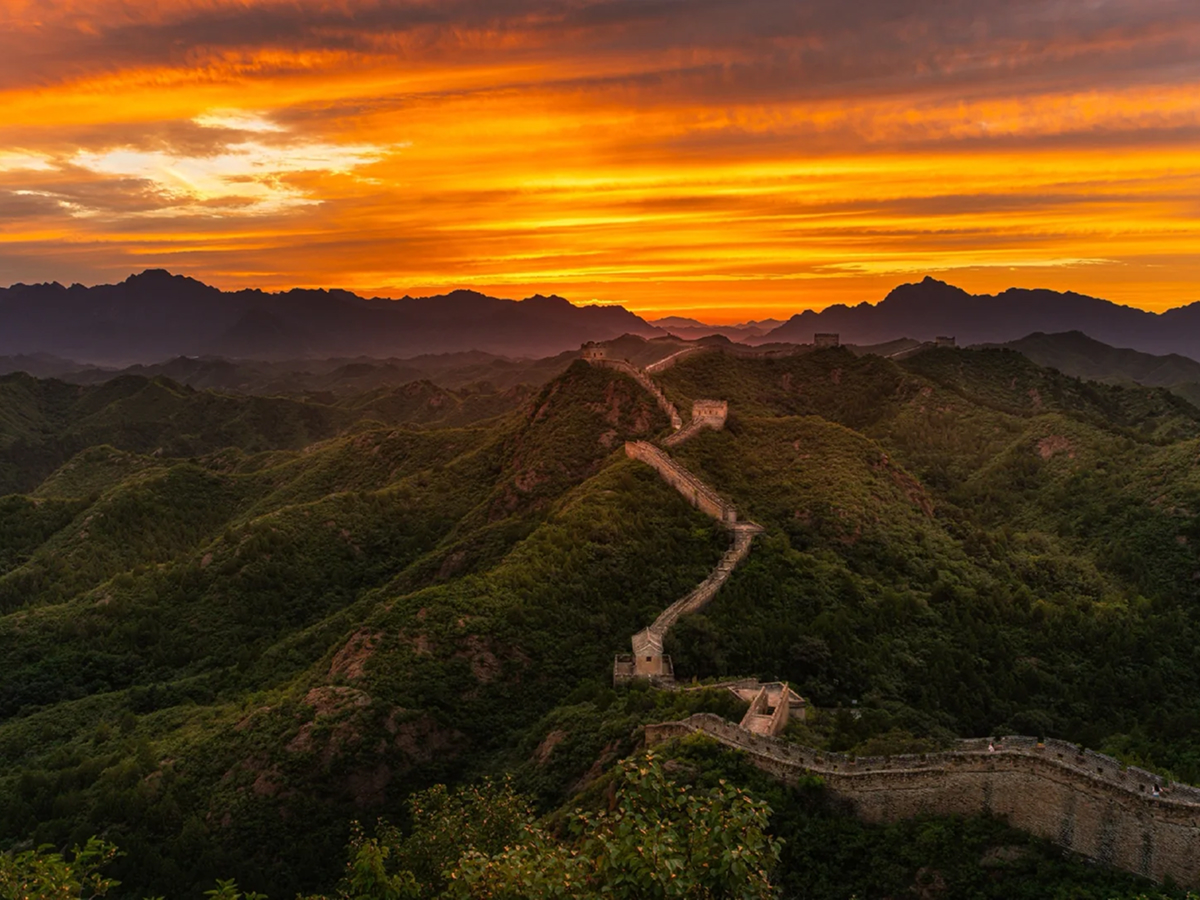
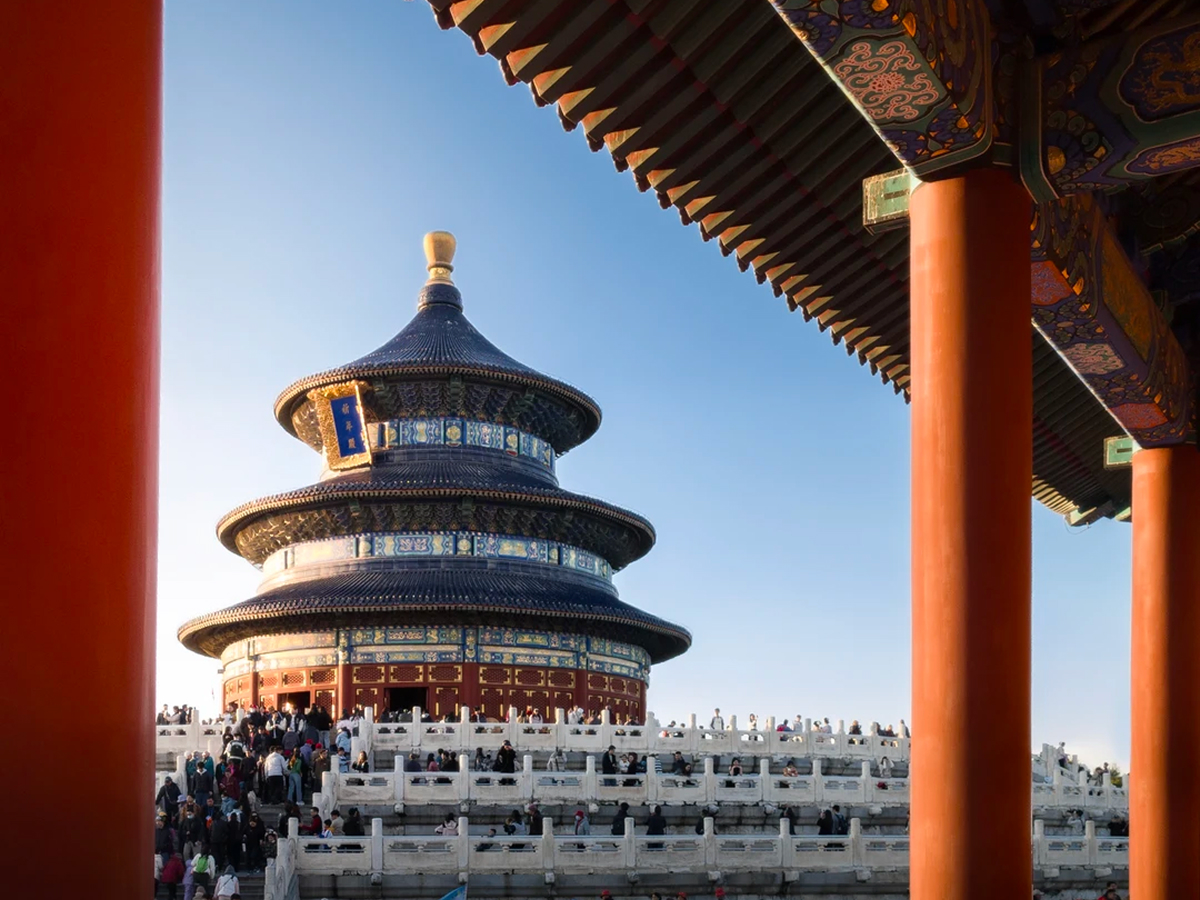
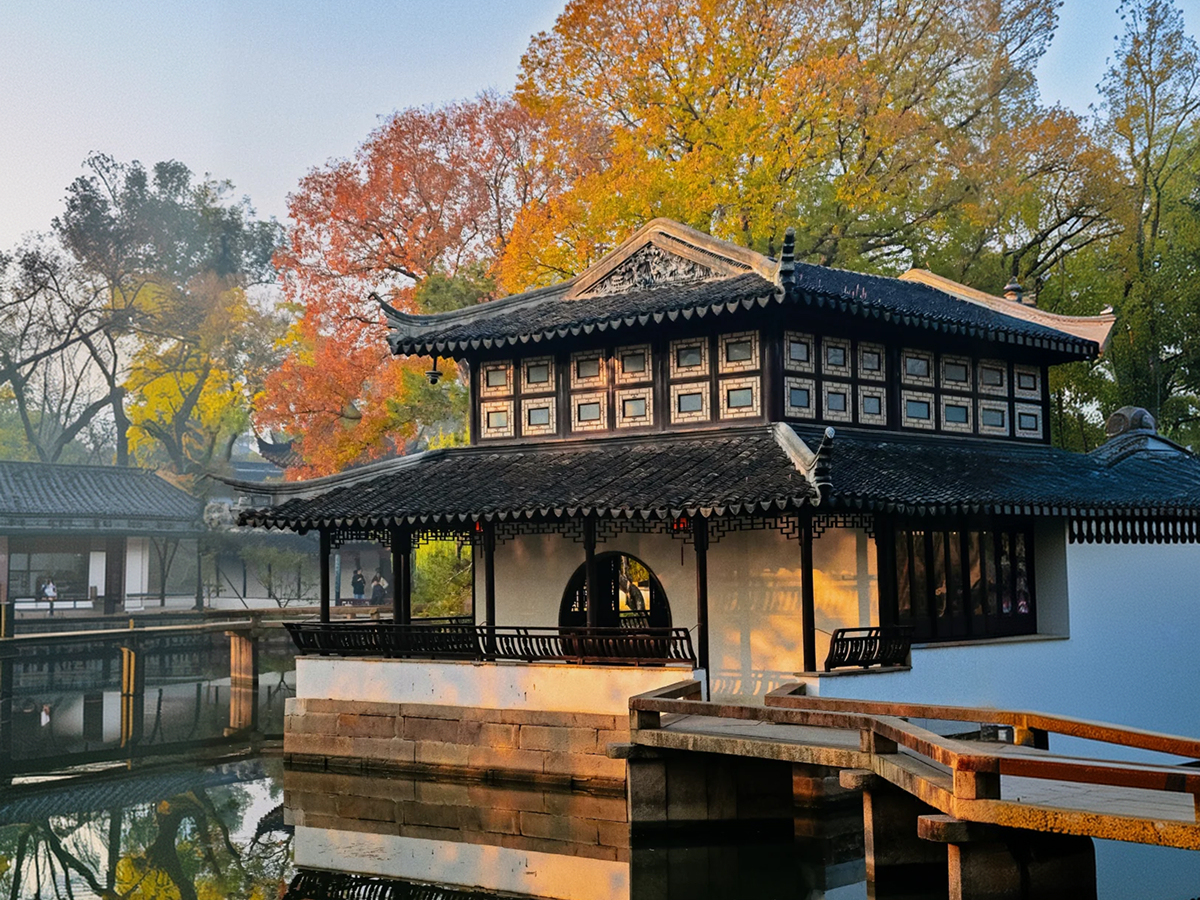
Classical Chinese gardens are not parks for a jogging loop and a stamp. They are designed sequences of views—frames, borrowed scenery, compress-and-release paths, rockery, water, and inscribed text. In Suzhou, focus on one or two gardens and enter early. Northern imperial parks speak in larger axes; do not stack one with a Great Wall return the same evening.
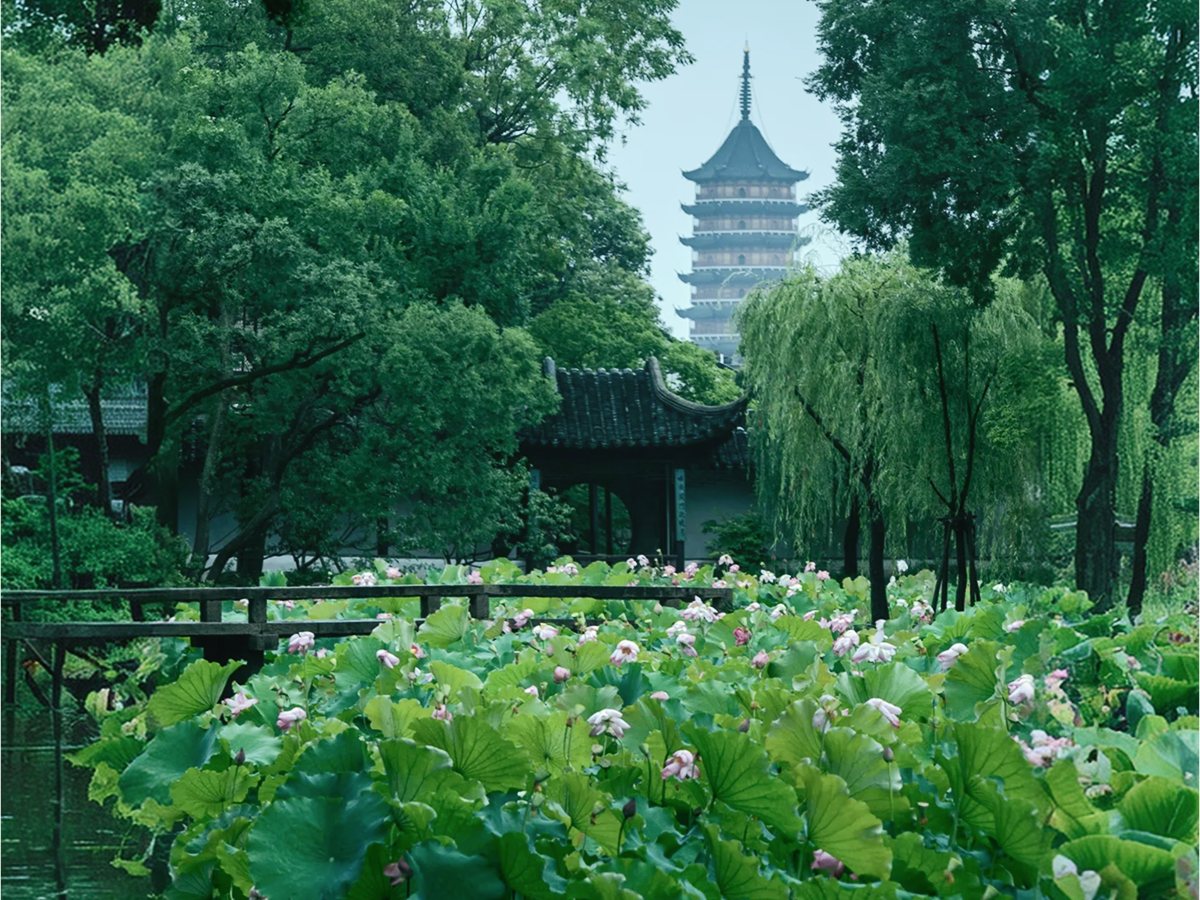
Use this on site:
Meaning sits in the order of arrival. That is why racing with an audio guide fails—you leave with pavilion photos and little sense of how the garden was meant to unfold.
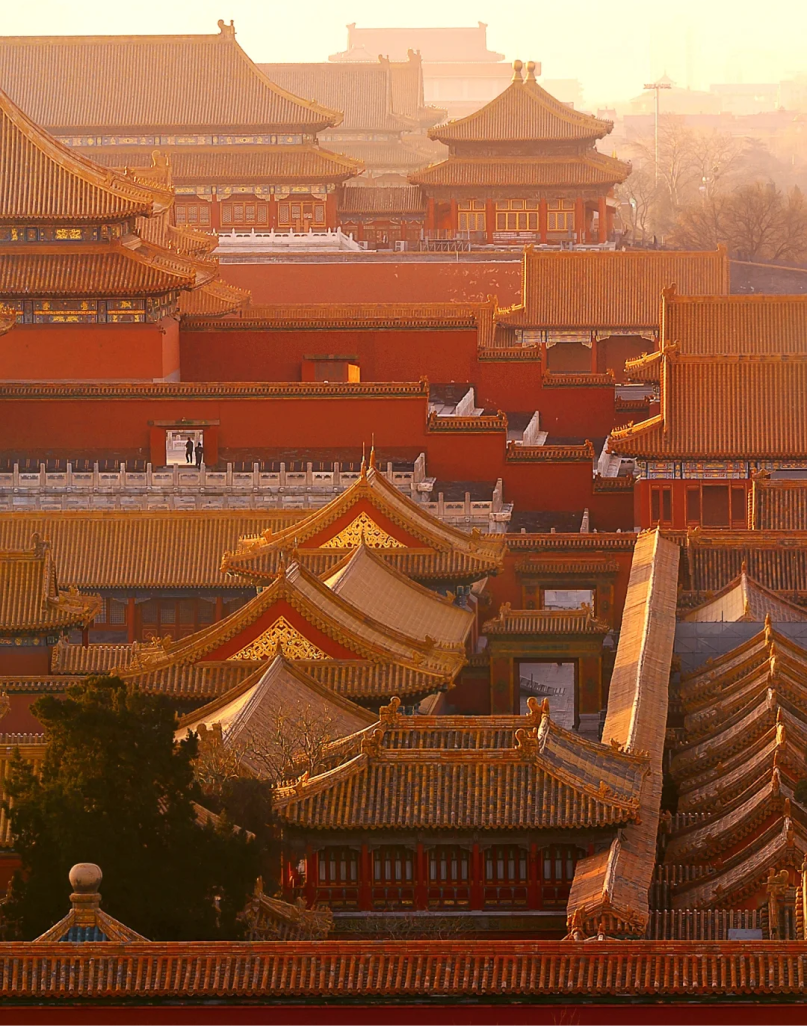
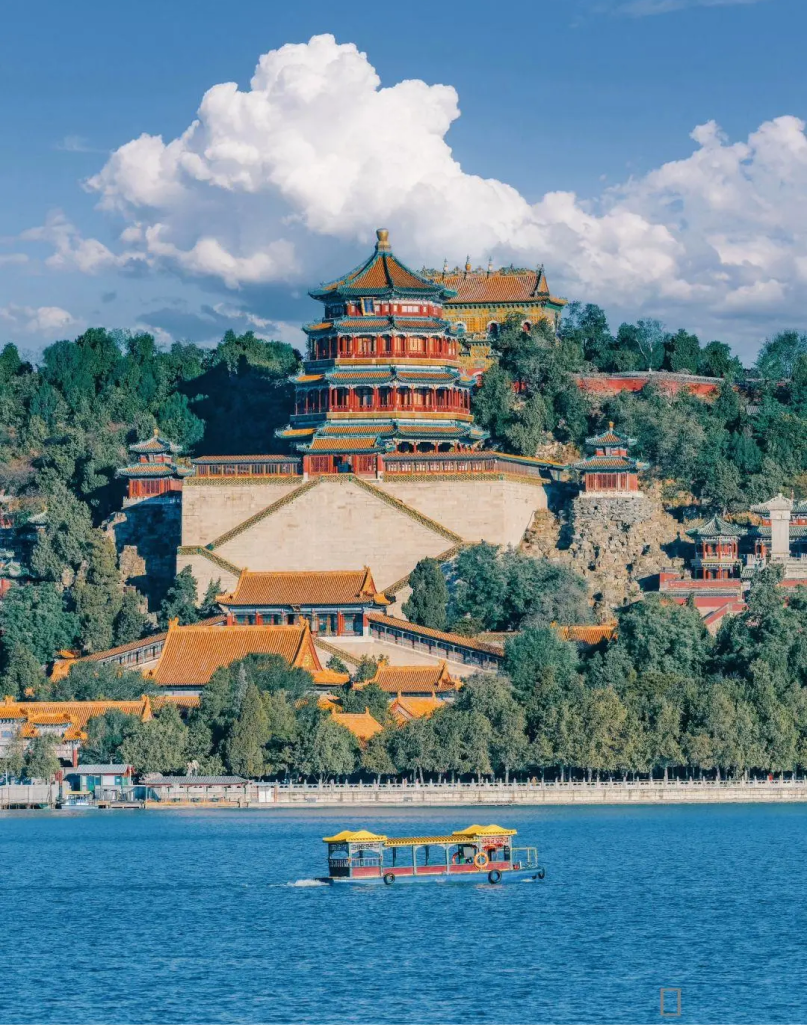
Southern scholar gardens—especially in Suzhou—tend to be intimate, irregular, and dense with turns. They reward early entry and a single-garden focus. Northern imperial parks and palace gardens around Beijing speak in larger vistas and ceremonial lines. Both belong on a trip; they need different time budgets.
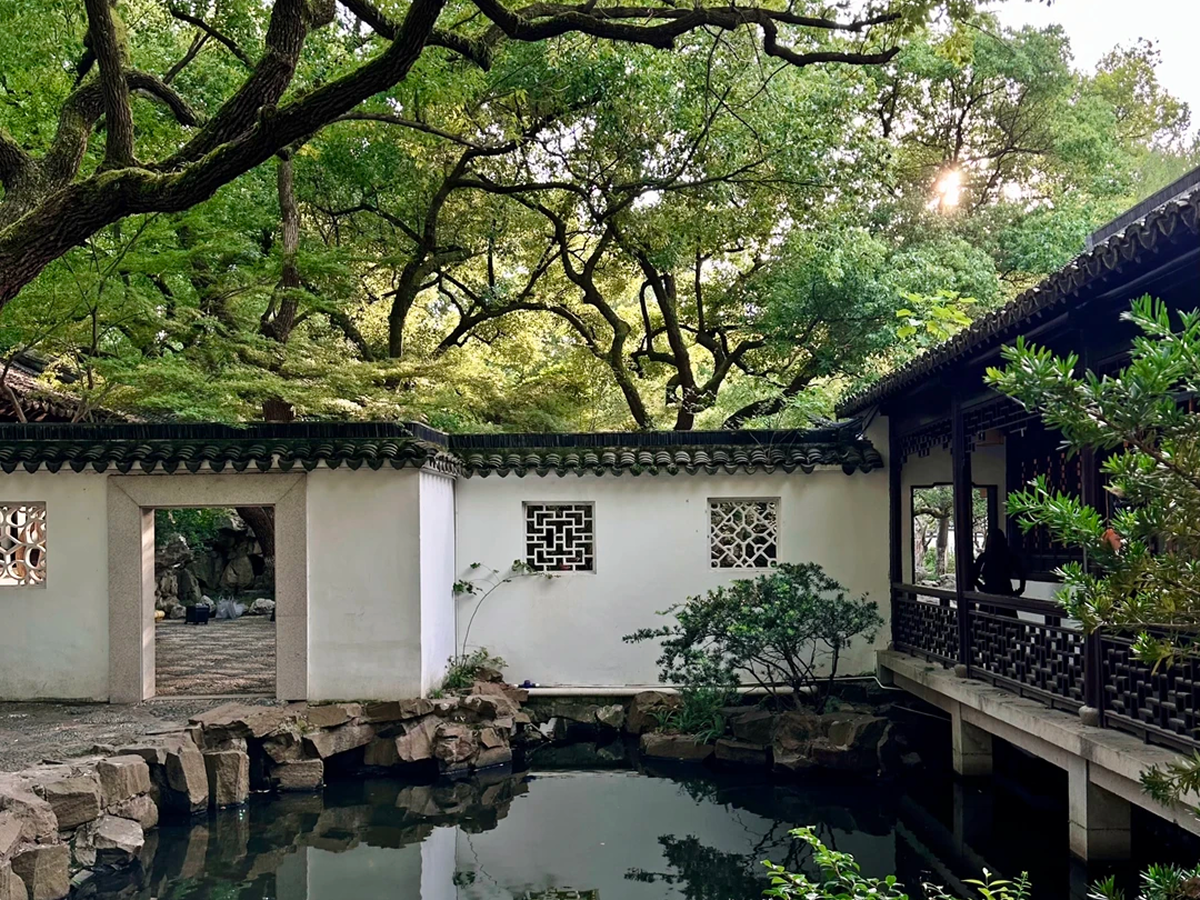
These are public heritage sites. Interpretation and timing matter far more than any claim of a cleared garden. Arrive at opening when stone still holds coolness and groups are thinner. Midday summer is the hardest: heat, glare on water, peak volume. Weekdays beat weekends; shoulder seasons beat national holiday weeks.
Photography tip: shoot empty frames early, then enjoy the garden as it fills—do not spend the visit waiting for a person-free moon gate that may not return. Tripods and drones are usually the wrong tools in narrow corridors.
Listen as carefully as you look: water against stone, bamboo in wind, voices softened by walls. Season changes the same layout—lotus and shade in summer, clearer rock structure in winter, blossom weeks that also raise ticket lines. Rain darkens rockery and reduces crowds; wear shoes that handle wet stone.
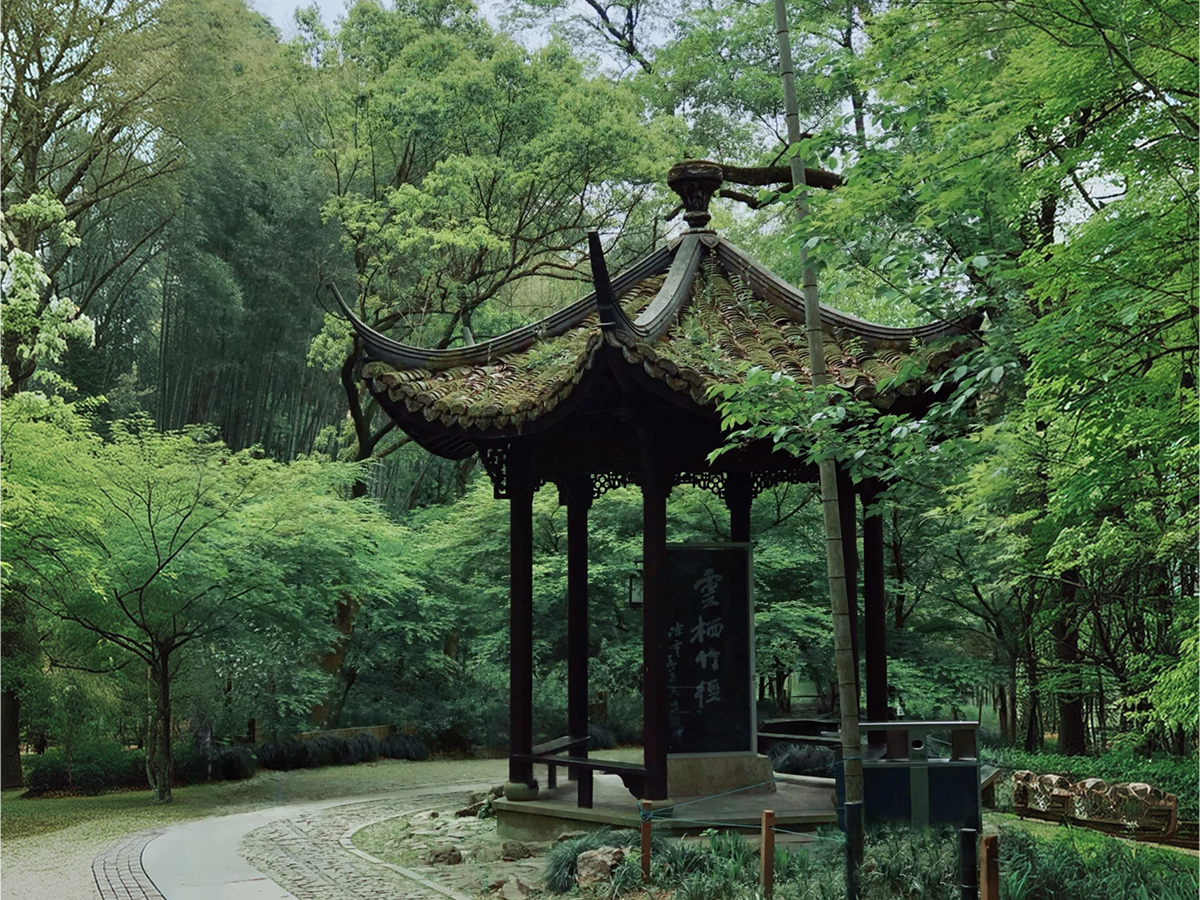
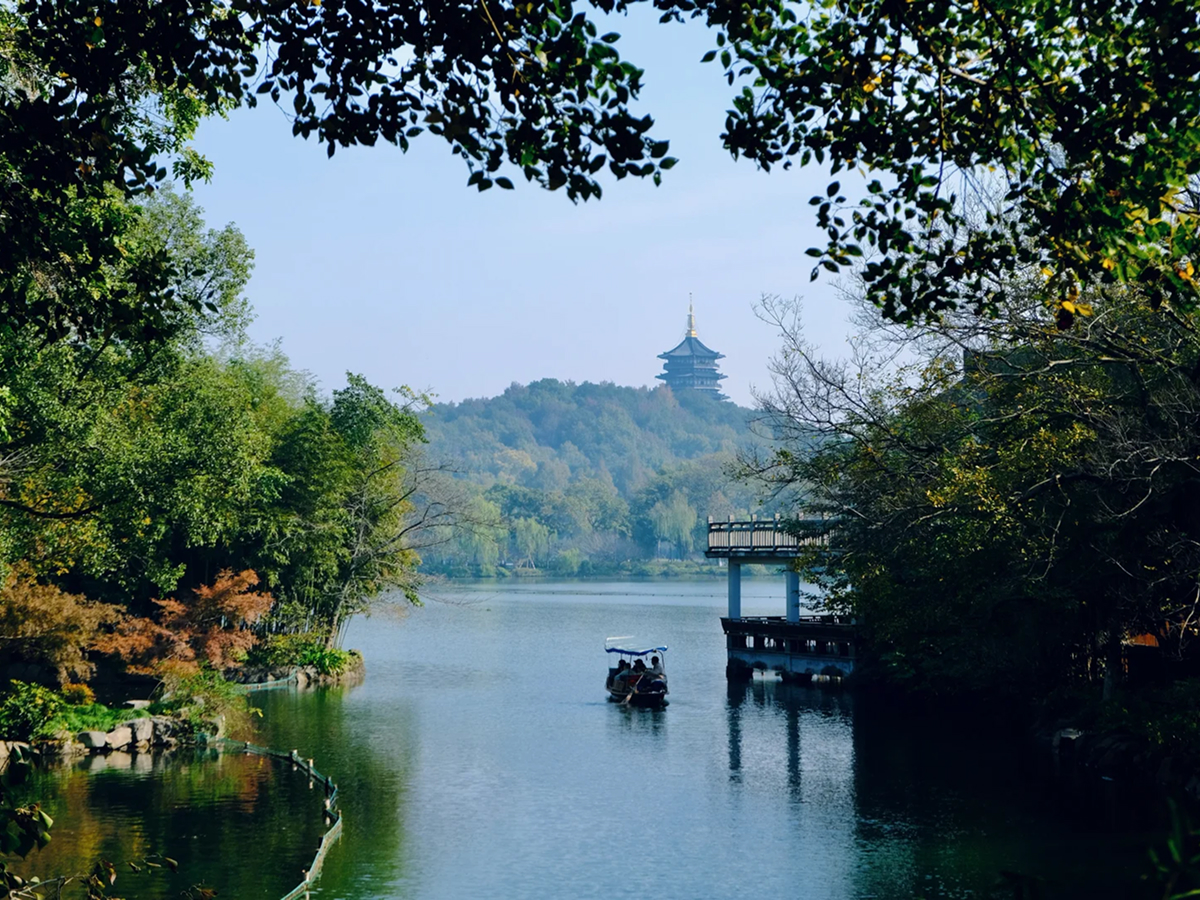
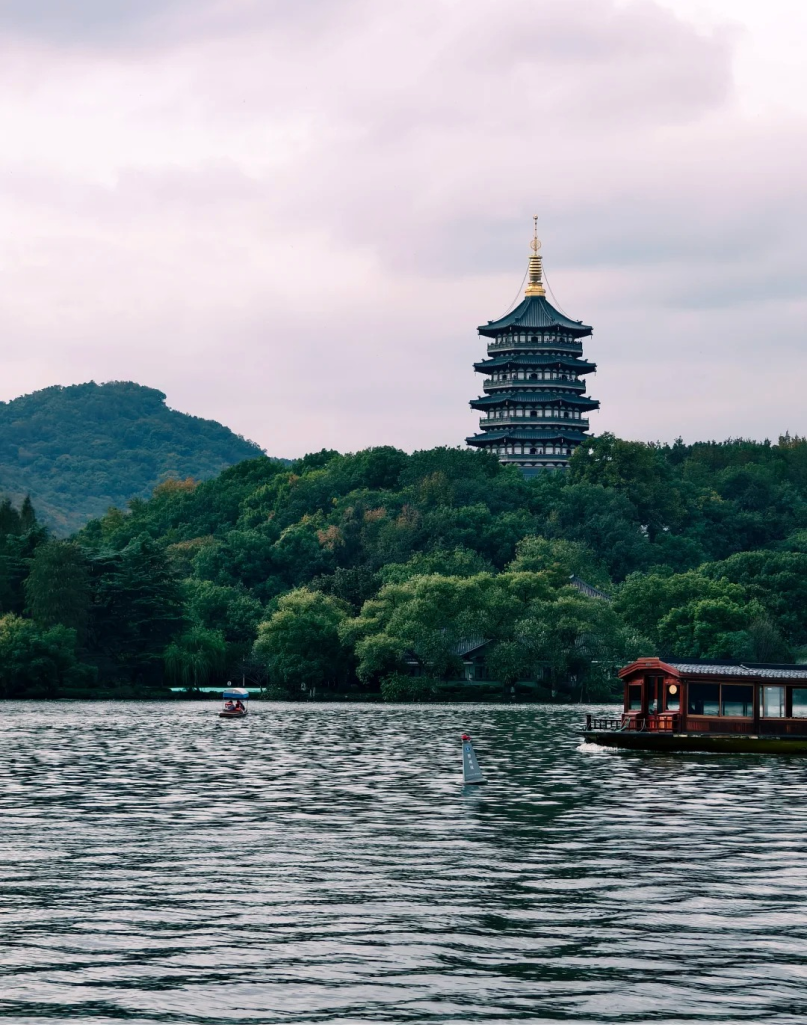
Hangzhou’s bamboo paths and quieter green corridors are not identical to a Suzhou UNESCO garden, but they teach related pacing: long sightlines, filtered light, an unhurried loop. Use them as landscape recovery after denser classic gardens.
A morning among classical gardens can reset a week heavy on museums and transit. Place them after arrival rest, not after a red-eye and a same-day high-speed dash. If you want expert-led paths—rockery, inscriptions, and a route that avoids the most crushed corners at peak hour—ask TravelToQin to anchor a garden block in Jiangnan or the capital. Contact us with your cities and walking comfort level, or explore a tailor-made outline.
A fine hotel shapes the warmth of every journey