































































































We Are With You
- A Travel Consultant Rooted In China
- Immediate Response, No Need To Wait!
- Direct Contact, Highest Value
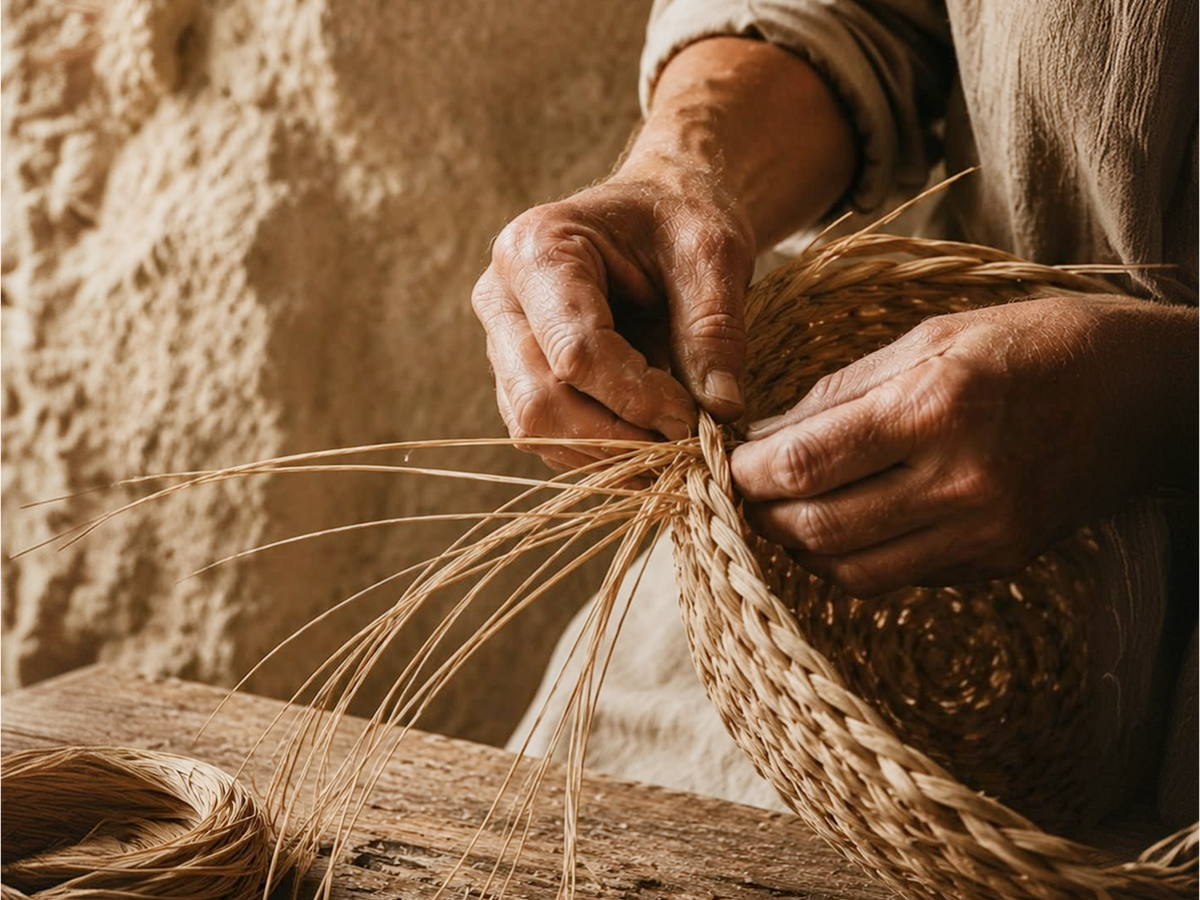
Souvenir shelves are easy to find. Traditional Chinese crafts worth planning for are living workshops—silk, wood, lacquer, embroidery, or clay still moving through skilled hands. Decide first whether you want observation, a 60–90 minute supervised try, or a conversation with a maker, then match the material to cities already on your route.
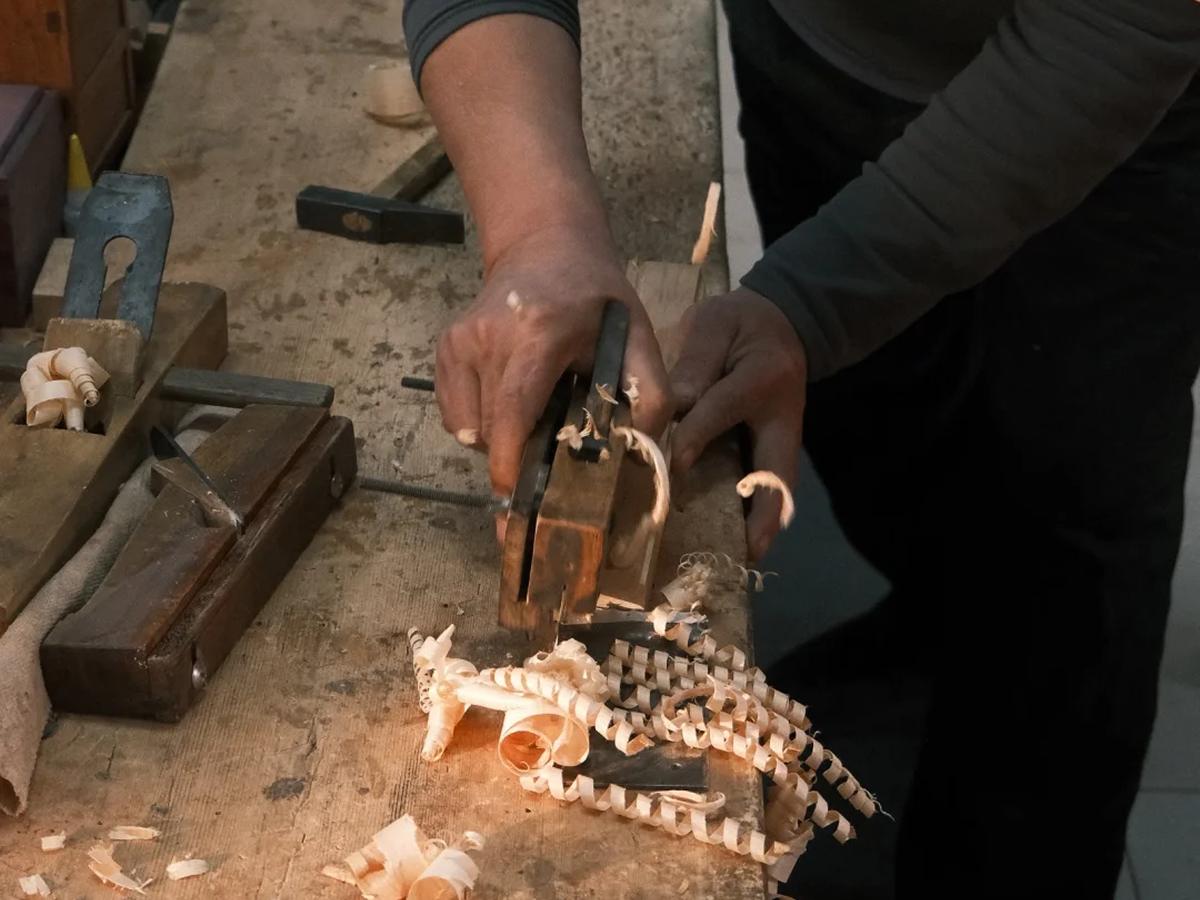
A good craft hour is booked, time-bounded, and honest about what you will do:
Serious ateliers accept visitors by arrangement; they are not walk-in theme parks. Do not expect an empty factory cleared for photos. Expect a working space, clear photo rules, and a fee that pays for the maker’s time.
Match one or two crafts to cities you already visit—do not reroute the whole trip for shopping:
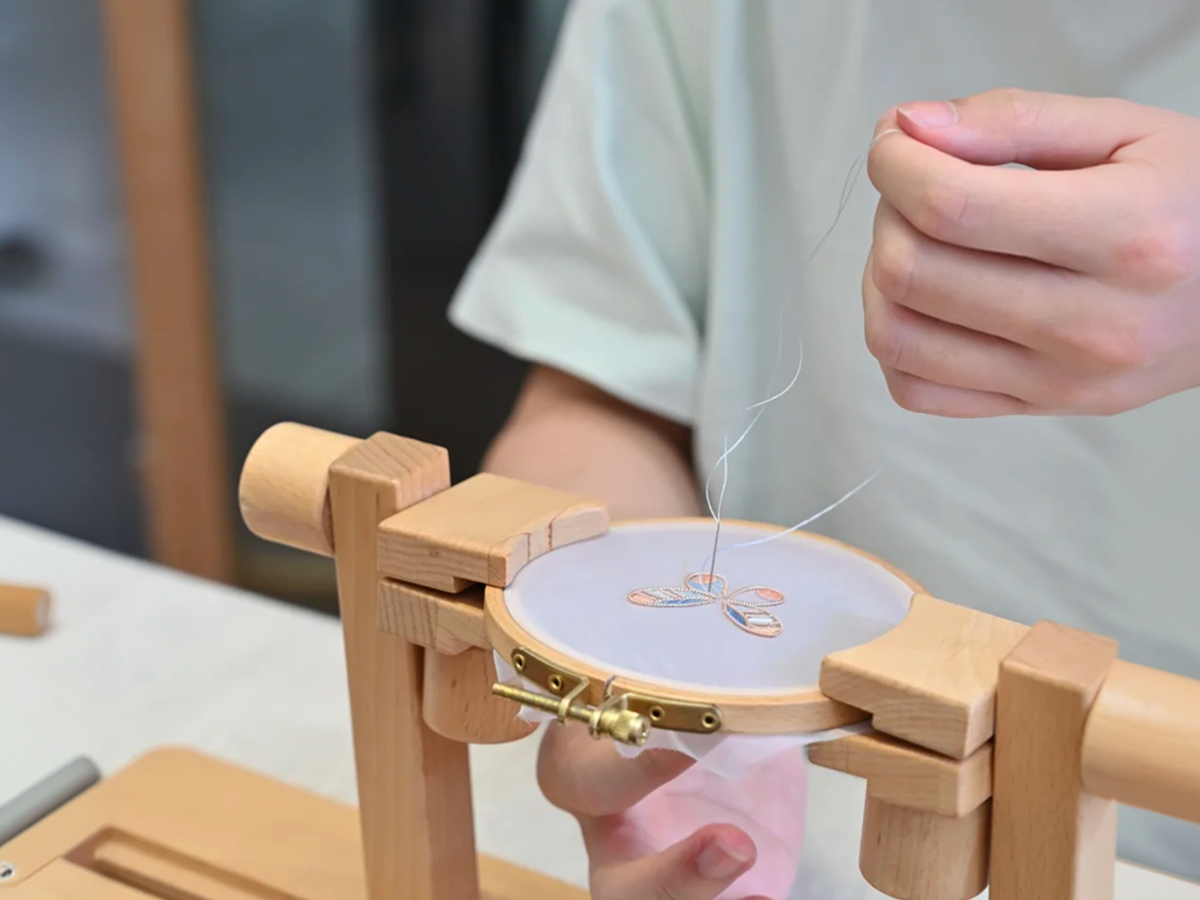
One textile workshop taught well outweighs ten rushed craft malls. If porcelain is your focus, keep embroidery as a complement—or the reverse—rather than booking five makers in two days.
One deep visit beats three rushed studios the same afternoon. Craft hours pair well with calm follow-ons—tea is a natural next step; see Chinese tea culture. They pair poorly with a late dinner across town and a 5 a.m. departure.
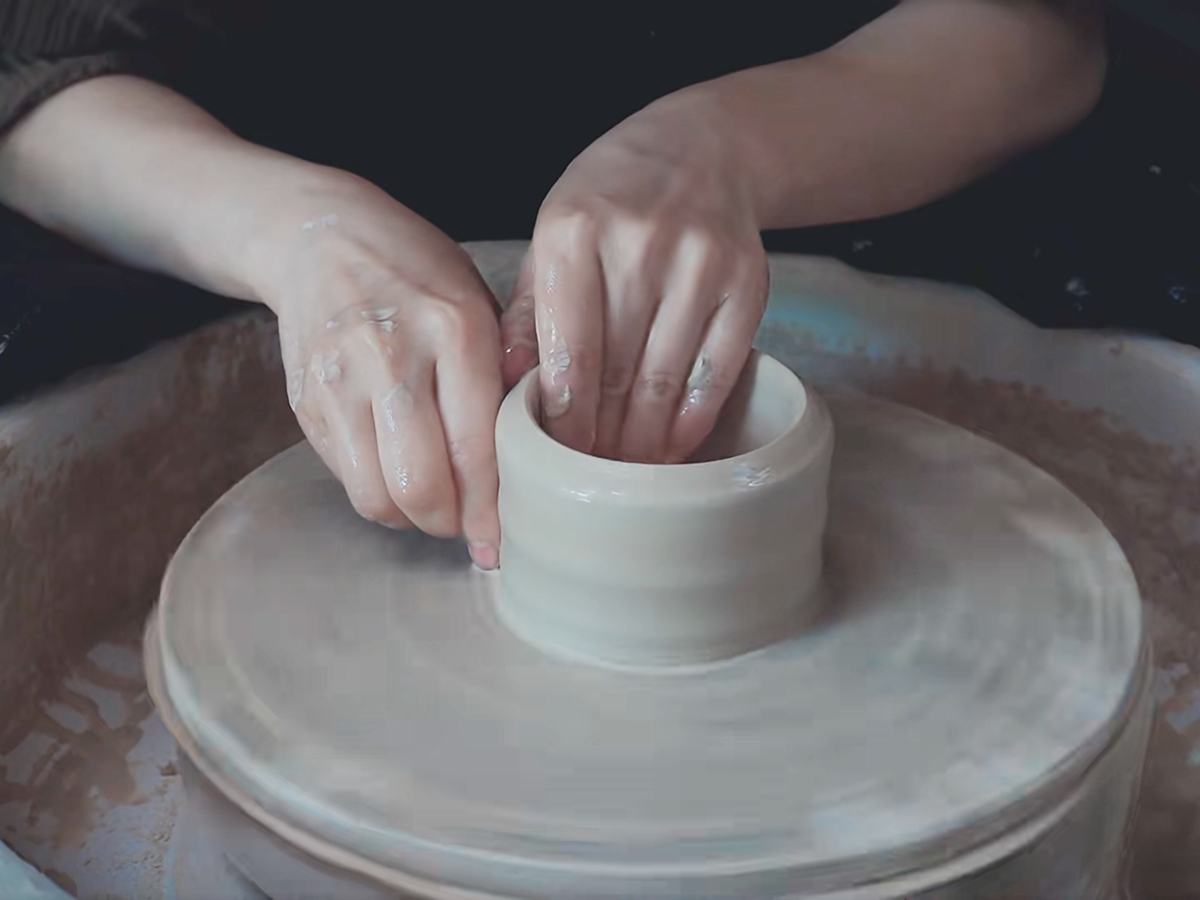
Younger makers often remix inheritance with contemporary design—clearer teaching, objects you might actually use. Ask concrete questions: how long the process takes, which steps are hand-done, which use modern tools, and what breaks if rushed. “Heritage” as branding without answers is marketing fog.
Calligraphy and crafts sit in the same cultural family but deliver different days. Ink practice is about line and posture; embroidery and pottery are about material resistance. If you want both, separate them across the trip. Continue with Chinese calligraphy when you want brush culture next.
TravelToQin arranges atelier visits that protect the maker’s rhythm and your schedule. Share preferences via contact, or fold a craft block into a private China tour.
A fine hotel shapes the warmth of every journey