



















































































We Are With You
- A Travel Consultant Rooted In China
- Immediate Response, No Need To Wait!
- Direct Contact, Highest Value
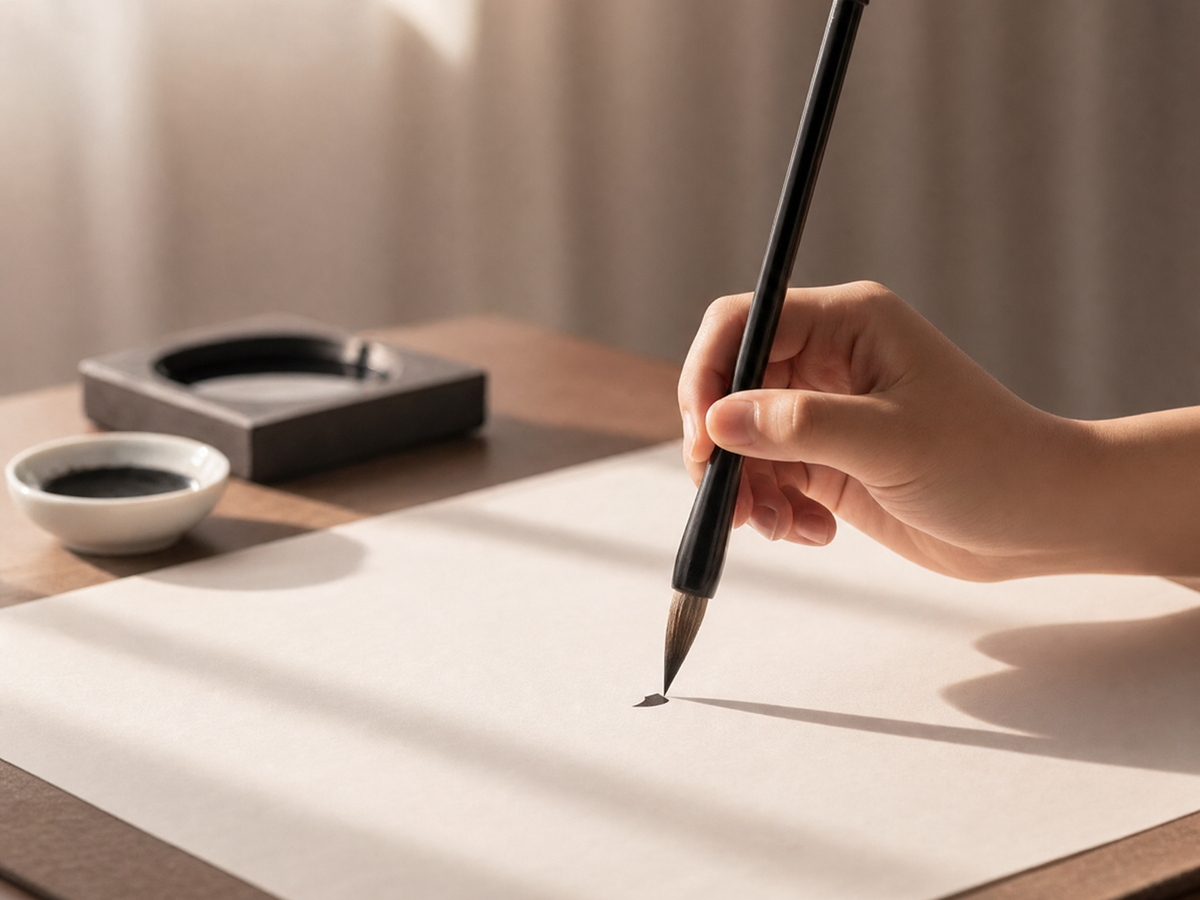
Chinese calligraphy on a trip works best as three layers: look at strong models in a stele hall or museum, try brush and ink for about an hour with instruction, then notice brush energy on shop signs, garden plaques, and temple couplets. You will not become a calligraphy master in an hour, but you can learn to judge stroke order, pressure, and whether the paper takes ink—and why a rushed “write your name” souvenir often feels thin afterward.
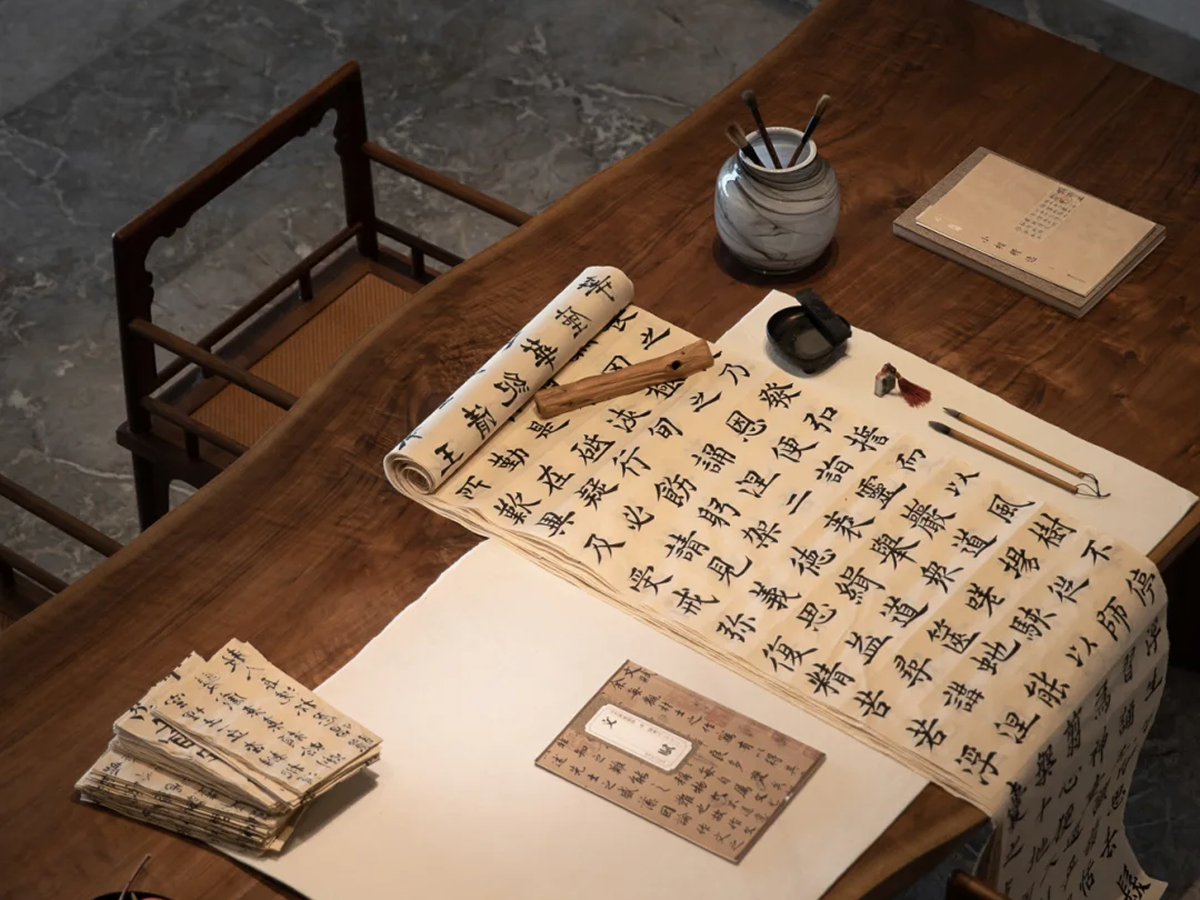
Judge line quality, structure, and rhythm—not whether you can read every character as a beginner. Script types you will hear about:
Brush, ink, paper, and inkstone (the “four treasures”) each have preferences: absorbent xuan paper records hesitation; a good brush springs back; ink may be liquid or rubbed from a stick. In a visitor studio, materials are usually prepared so you can focus on posture and a few strokes.
Looking: stele forests and museum calligraphy galleries reward slow eyes. Hire interpretation when labels are thin—history collapses into decoration without context. Stand at an angle to cut glare, give crowded rubbings space, and do not touch stone.
Trying: a bookable studio hour is practice, not a certificate. Expect brushes ready, a teacher or host, and a limited exercise—often a few characters in regular script. Sixty to ninety minutes is enough for a first session.
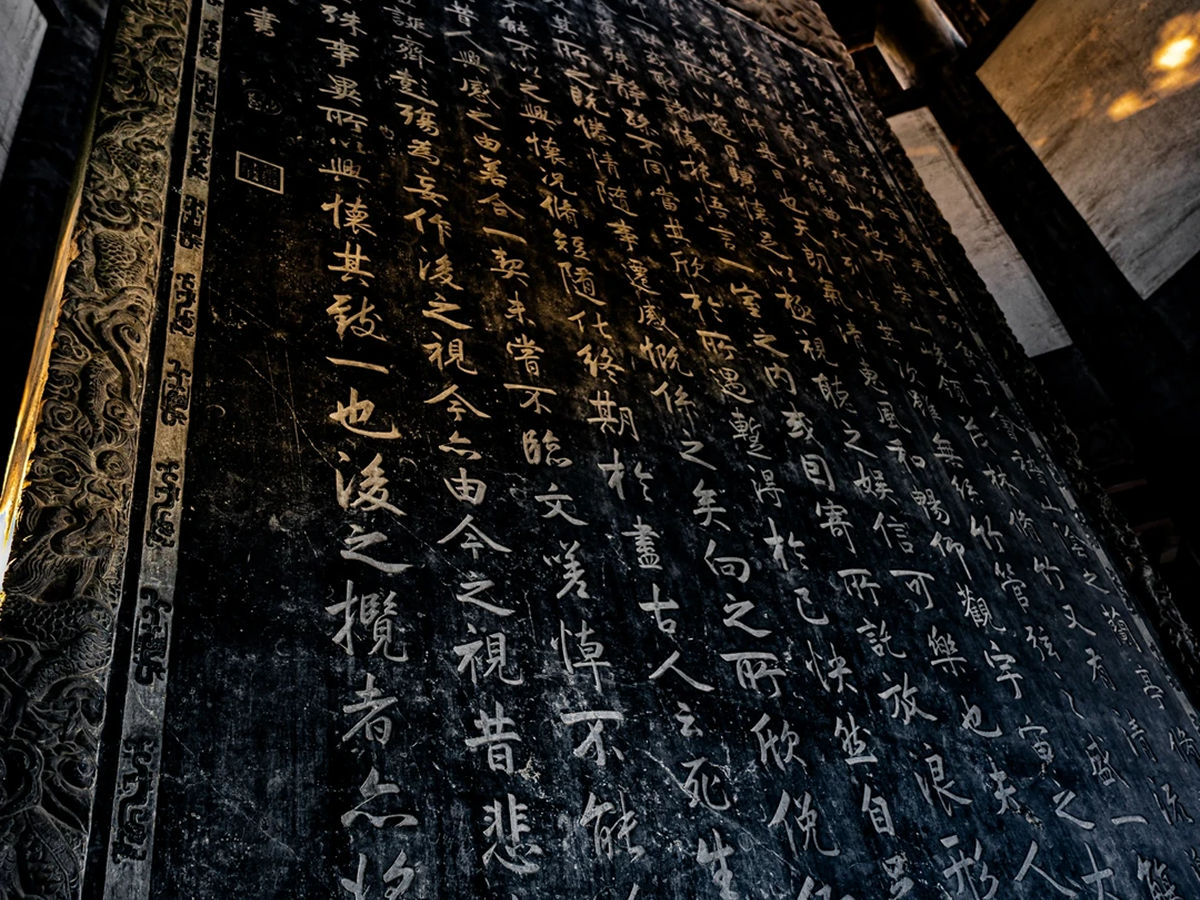
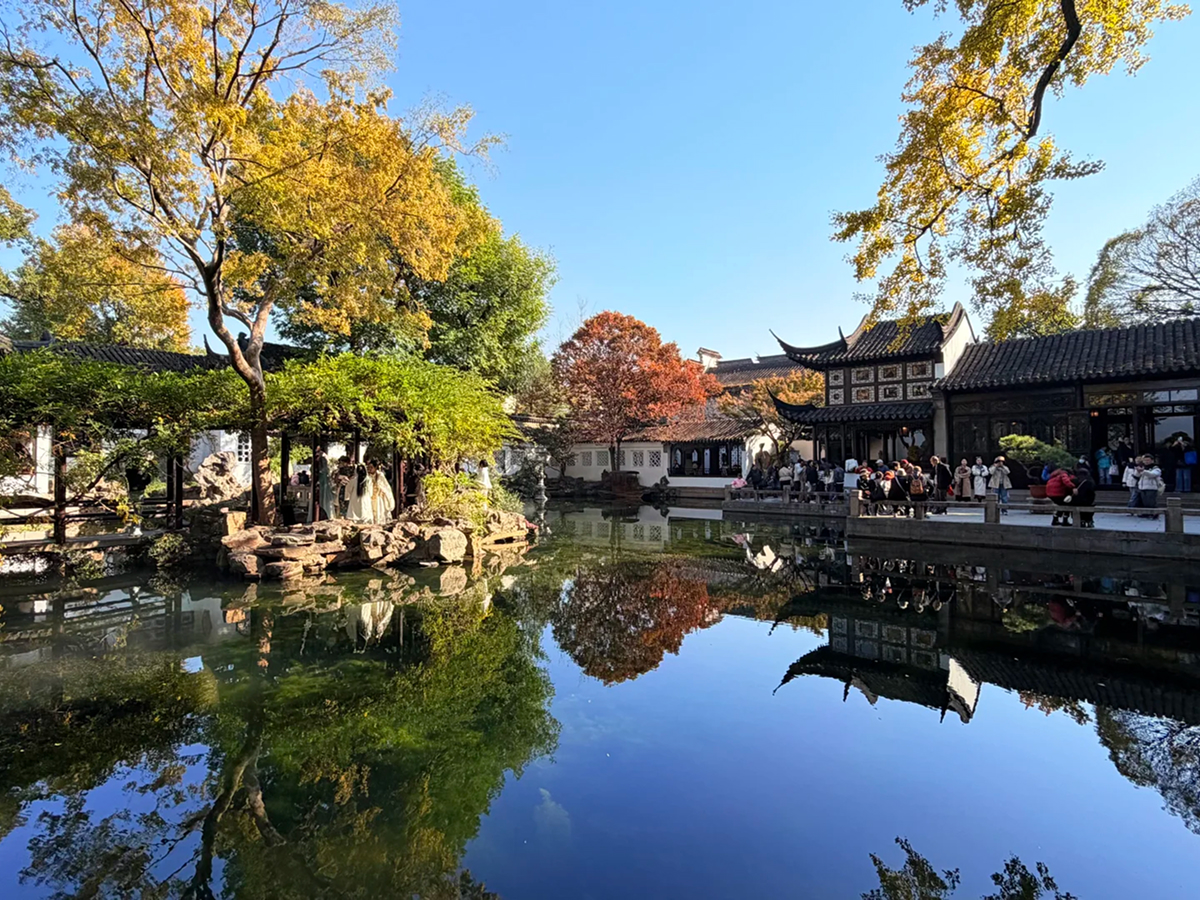
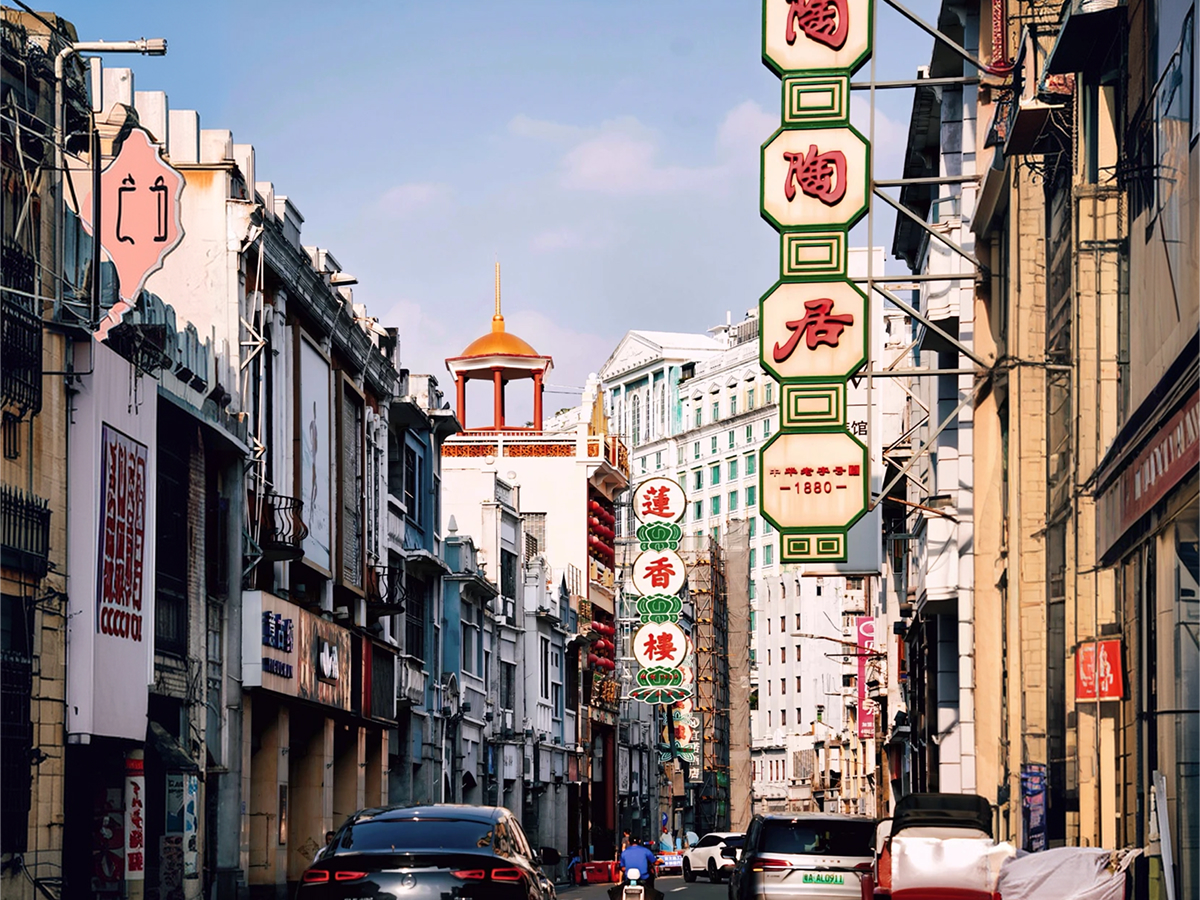
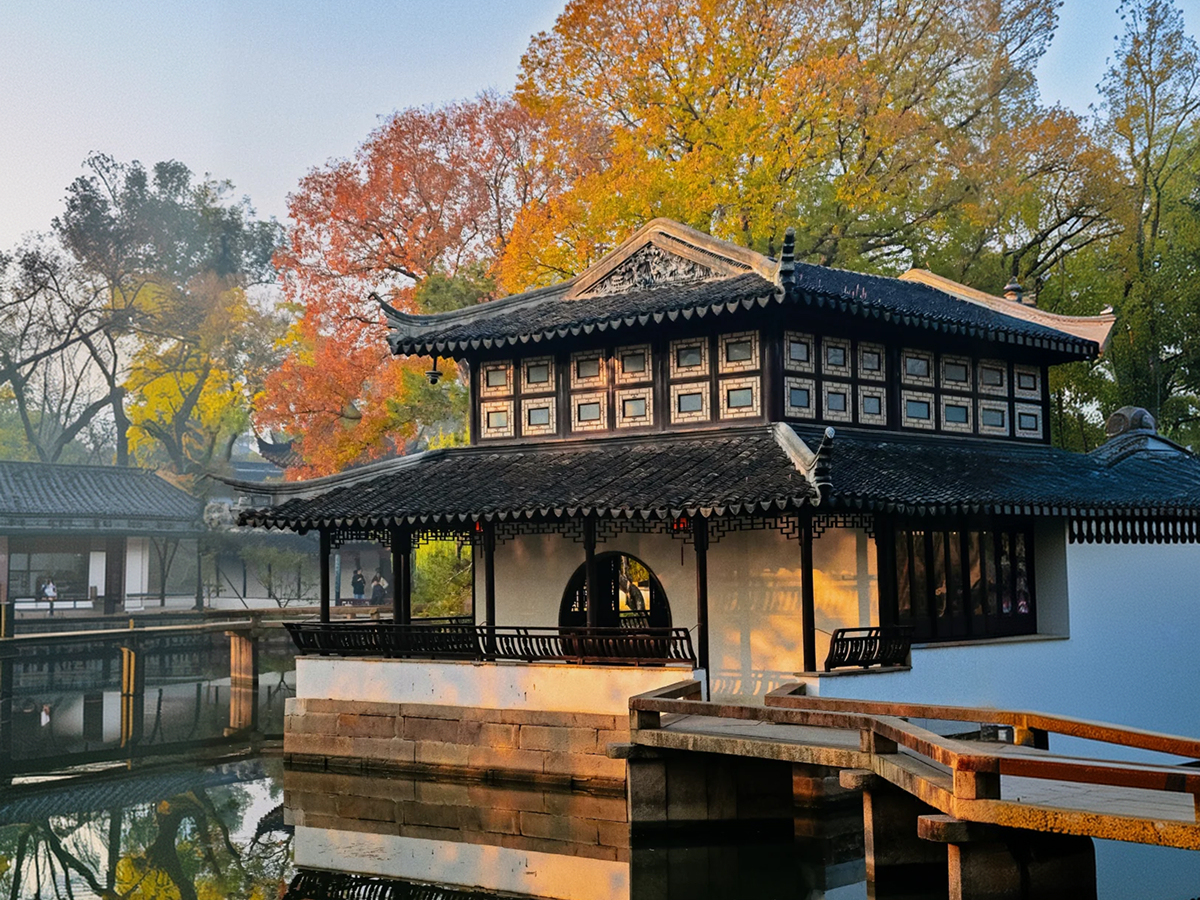
Once you have held a brush, garden plaques and temple couplets read differently. Inscription culture sits beside classical Chinese gardens—the text is part of the view, not caption clutter. Contemporary design also borrows brush energy in logos and installations; a modern art stop can echo what you saw in ink without repeating the same lesson.
Craft workshops scratch a related itch with different materials. If you want hands-on making beyond ink, see traditional Chinese crafts and keep calligraphy as the line-and-posture session—do not stack both into one exhausted afternoon.
Photograph your own work freely; ask before photographing other students or the teacher’s demonstrations.
Tell TravelToQin whether you prefer viewing, trying, or both; which city you will be in; and your language needs. We place the hour where the schedule still has quiet—often late morning or a mid-afternoon indoor block. For a wider cultural thread across cities, fold it into a private China tour, or contact us with dates.
A fine hotel shapes the warmth of every journey