
































We Are With You
- A Travel Consultant Rooted In China
- Immediate Response, No Need To Wait!
- Direct Contact, Highest Value

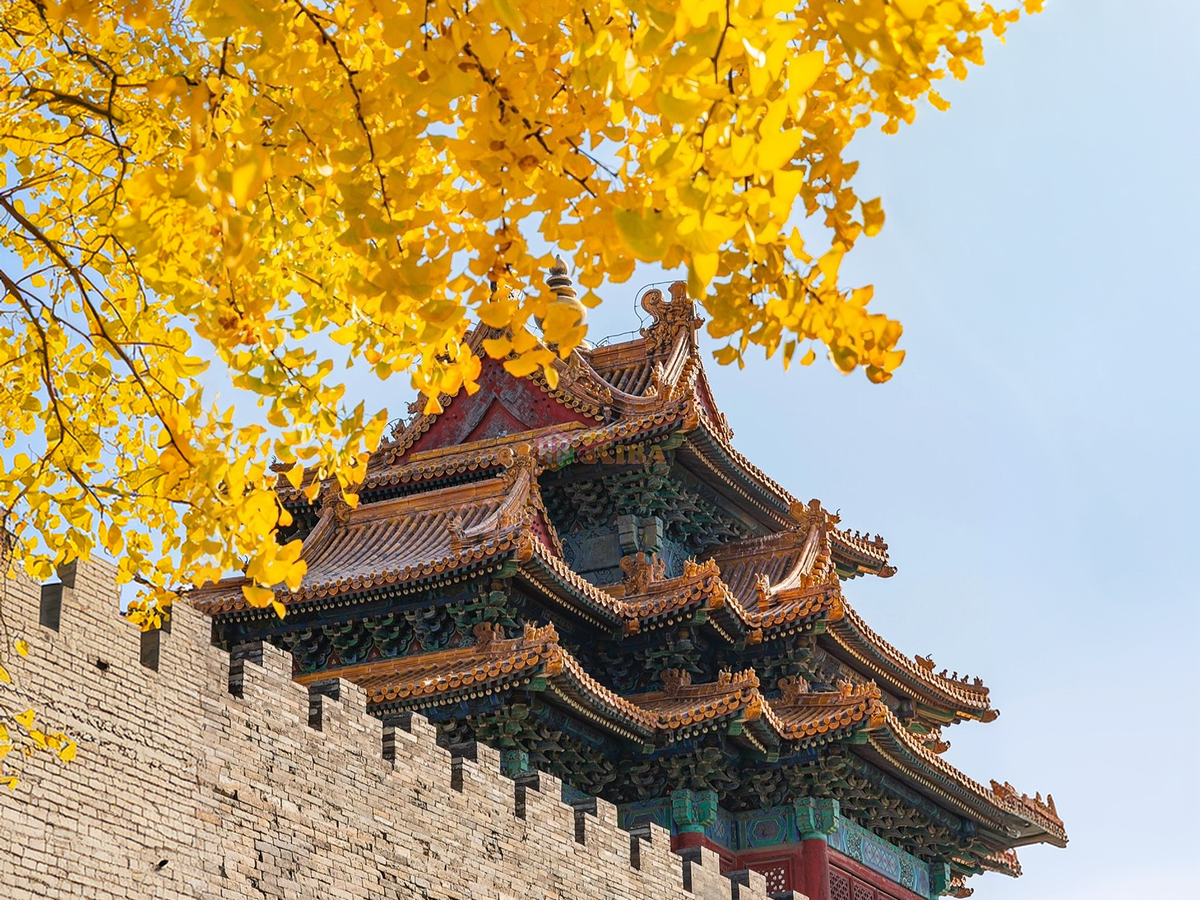
Ask almost anyone when to visit China and the answer comes back quickly: spring or autumn. April and May, September and October. Mild temperatures, clear skies, the famous sites at their most photogenic. This is not wrong. It is also incomplete in a way that leads a significant number of visitors to make timing decisions that do not serve them well.
The best time to visit China is not a season. It is the intersection of where you are going, what you want to experience, and what those specific places look like at specific times of year. That intersection is different for every itinerary, and the spring-autumn answer dissolves quickly when you apply it to the actual geography and calendar of a real trip.
## Why the Standard Answer Exists and Why It Is Not Enough
The spring and autumn recommendation is based on two real observations: that the weather across much of eastern China is most comfortable in April to May and September to October, and that the major tourist sites — the Forbidden City, the Great Wall, West Lake — are most visually attractive under clear mild skies.
Both observations are accurate. What they leave out is everything else.
They do not account for the fact that the October recommendation collides directly with National Day Golden Week — the most crowded travel period in the Chinese calendar — producing a situation where the weather is excellent and the Forbidden City has 80,000 visitors on a single day. They do not account for the fact that Jiuzhaigou in Sichuan is at its most extraordinary in October, but that Yunnan's mushroom season is June to August and missing it means missing something irreplaceable. They do not account for the Harbin Ice Festival, which is January and February and is one of the most spectacular things available to a visitor in China, or the Spring Festival atmosphere that turns ordinary Chinese cities into something unrepeatable in late January or early February.
The standard answer optimizes for weather and crowds at the most famous sites. It does not optimize for the trip you are actually taking.
## The Variable That Matters Most
The most important timing variable is not the season. It is the specific combination of destinations on your itinerary and what each of those destinations looks like at specific times of year.
Zhangjiajie without mist is a different experience from Zhangjiajie with it. The landscape is defined by the interaction of the sandstone pillars with atmospheric haze — the mist is not bad weather, it is the condition that makes the landscape what it is. Spring and early summer, when humidity is higher and mist is more reliable, produce the landscape most people are trying to see. A clear-sky October day produces technically better visibility and a less interesting photograph.
Hangzhou's West Lake in late September and early October, when the osmanthus trees flower and their scent fills the city, is a different place from West Lake in May, however pleasant May is. The osmanthus window is approximately two weeks long. Missing it by a week means missing it entirely.
The Yunnan mushroom season runs from June through August and transforms the markets, restaurants, and landscape of the province in a way that is not available in any other season. Visiting Yunnan in October — the standard recommendation — means visiting after the mushrooms are gone, in a province where the mushrooms were one of the most interesting things to experience.
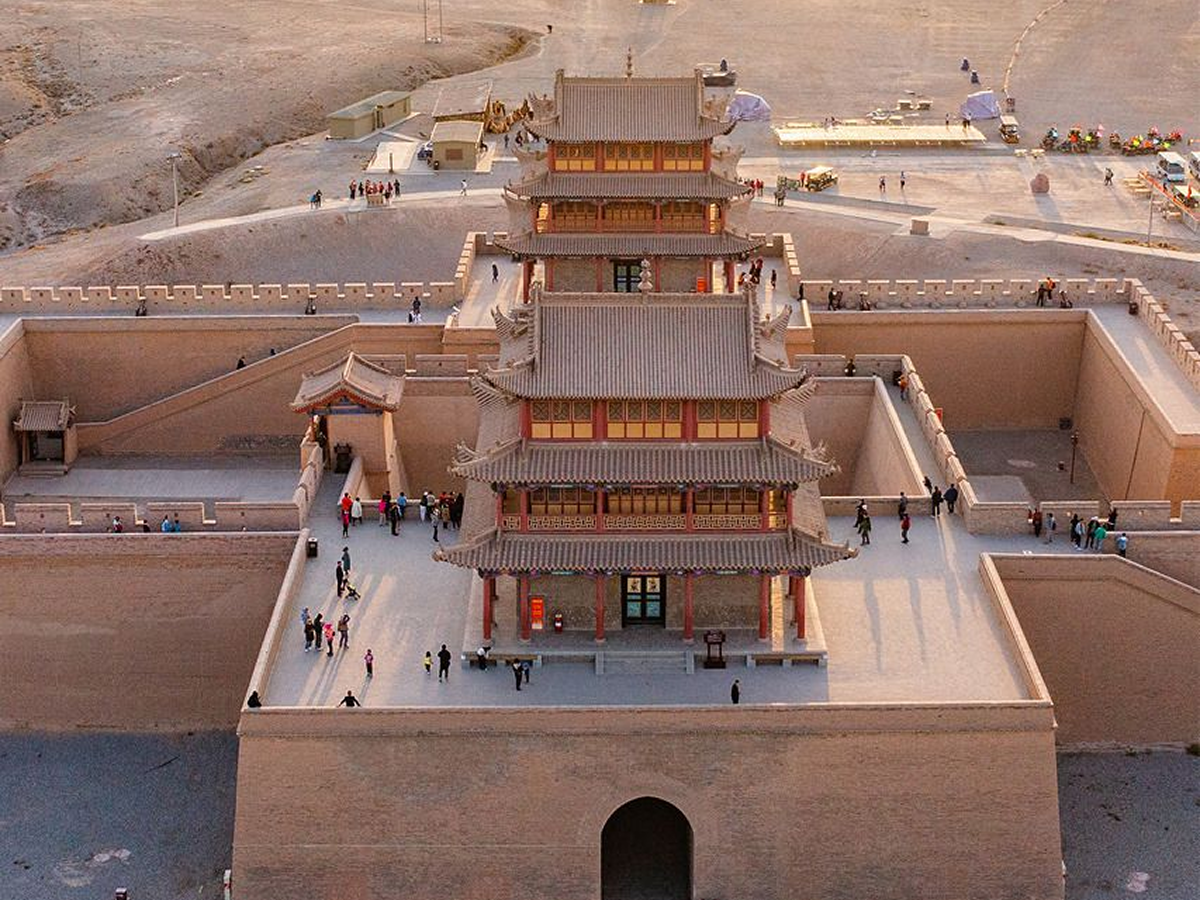
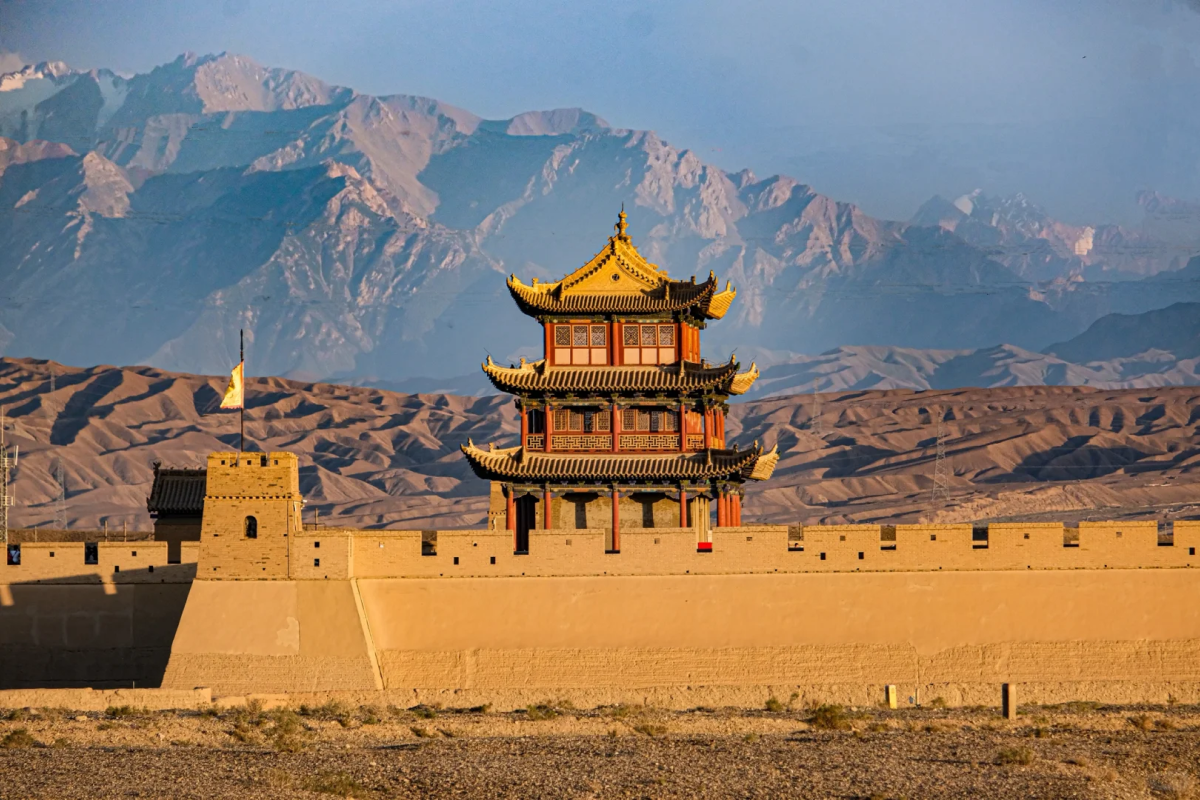
The Silk Road corridor through Gansu and into Xinjiang is at its most atmospheric in autumn, when the poplar trees that line the roads and rivers of Xinjiang turn gold and the air cools from the summer heat to something comfortable. October in Xinjiang is exceptional. But the same corridor in June offers wildflowers at altitude and snow still visible on the peaks above the desert, which is a completely different kind of extraordinary.
## What Golden Week Actually Means for Timing
National Day Golden Week begins on October 1st and runs seven days. It is the busiest domestic travel period in China and it falls squarely in the middle of the standard recommendation for the best time to visit.
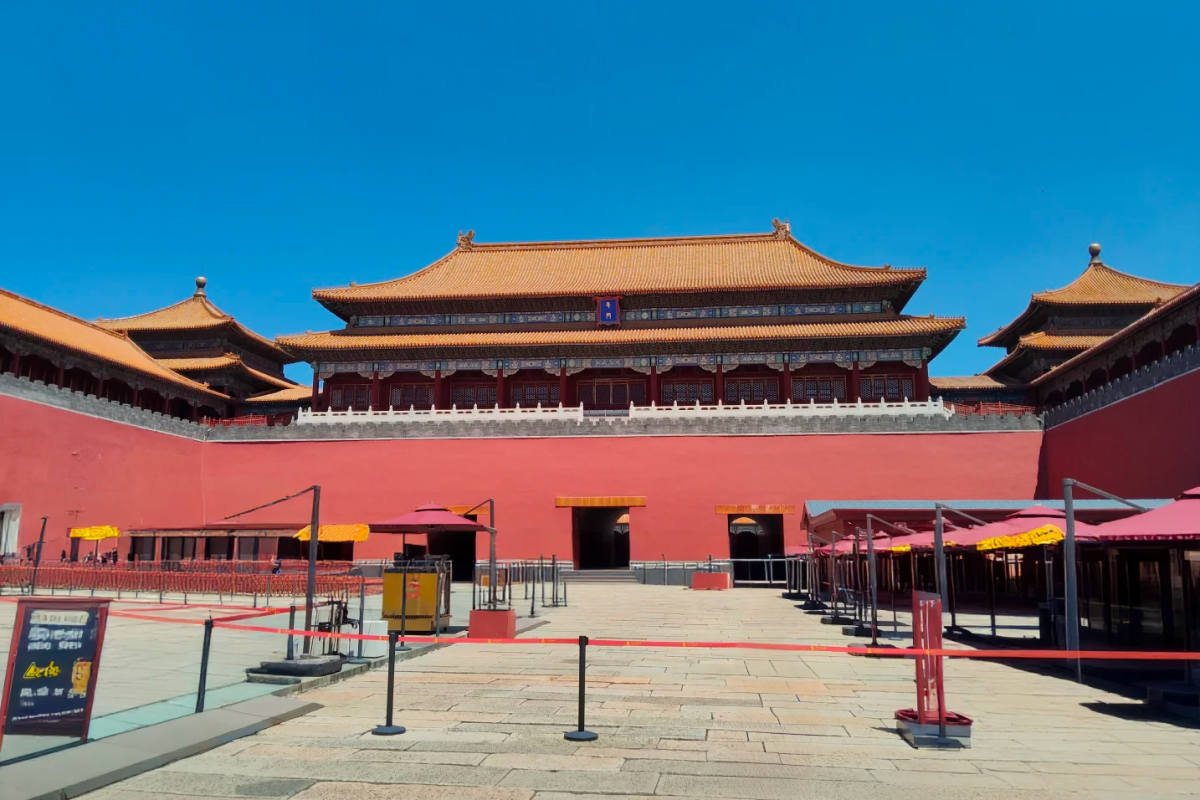
The practical consequence is that the period most commonly suggested for China travel is also the period when domestic Chinese tourism is at its annual peak. Major attractions receive visitor numbers during Golden Week that compress the experience in ways that weather cannot compensate for. The Forbidden City limits daily visitors to 80,000 people and sells out weeks in advance. The Great Wall sections near Beijing become, in certain areas, the kind of crowd experience that obscures the landscape rather than allowing it.
This does not make October a bad time to visit China. It makes Golden Week a specific condition within October that requires either working around — shifting dates to the second or third week of October — or adjusting expectations and itinerary design to account for what the holiday period actually involves.
The visitors who have the best October experiences in China are almost always those who were specifically briefed on what Golden Week means for each destination on their itinerary and who adjusted accordingly. The visitors who have the most frustrating October experiences are those who chose October for the weather and arrived during Golden Week without understanding what that meant.
## The Seasons That Are Better Than Their Reputation
Several travel windows in China are significantly better than their standard reputation suggests, and consistently underused as a result.
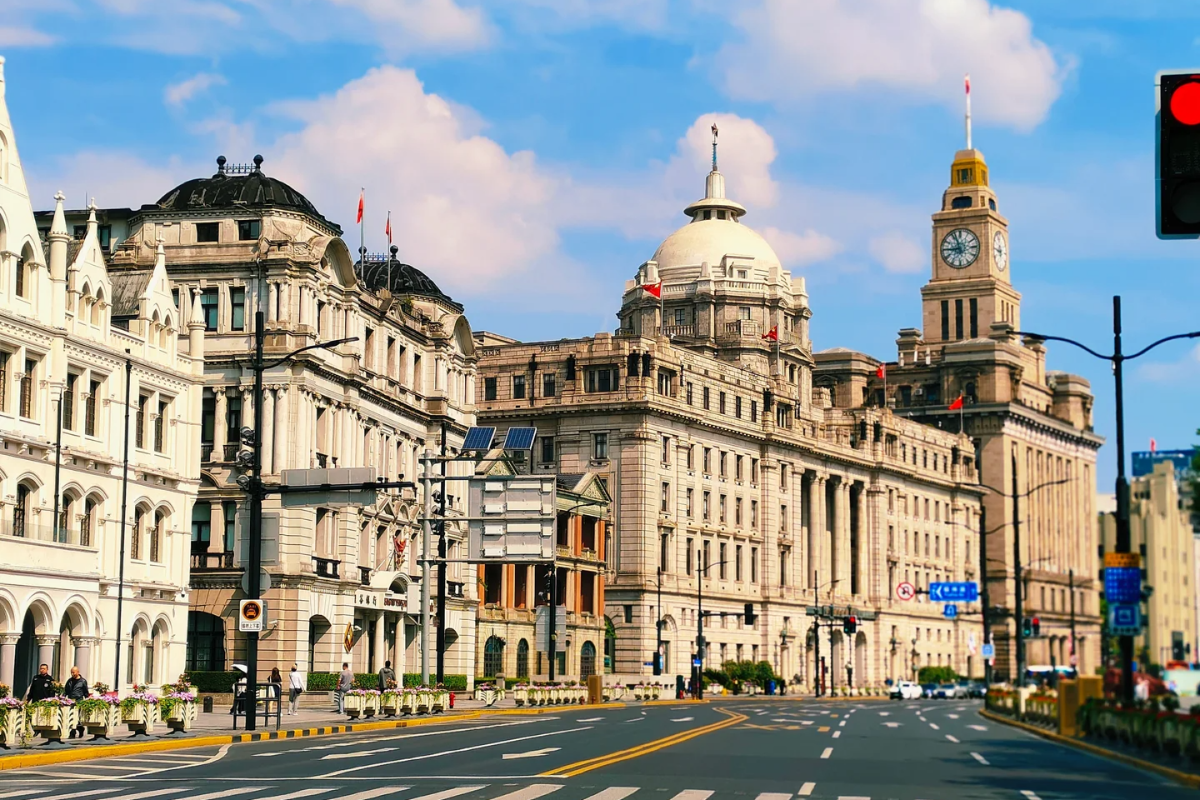
November is one of the most pleasant months to travel in most of eastern and southern China. The Golden Week crowds have dispersed, autumn colors are still present in northern China, temperatures are comfortable across most of the country, and prices and availability at popular hotels reflect the post-peak reality. November in Yunnan, in Shanghai, and along the Yangtze Delta is excellent travel, and the number of visitors at major sites is a fraction of what October sees.
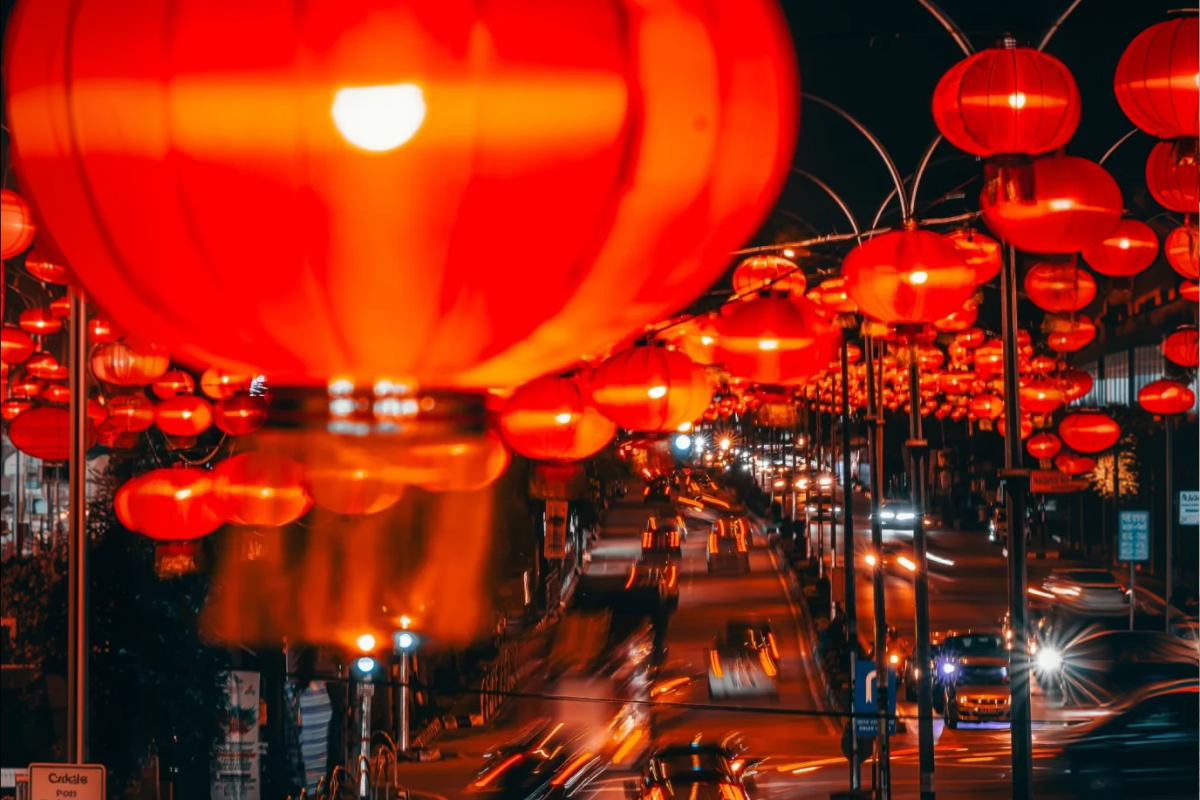
January and February, bracketing Spring Festival, are worth serious consideration for visitors whose interests align with what these months offer. The Spring Festival atmosphere — the decorations, the fireworks, the temple fairs, the particular energy of a country celebrating its most important holiday — is not available at any other time of year. The Harbin Ice Festival, which peaks in January, is one of the most visually spectacular events in China. Winter in Yunnan is dry, mild, and significantly less crowded than peak season. None of these months appear in standard recommendations, and all of them are worth serious consideration for the right itinerary.
May is technically within the spring recommendation but is specifically better than April in most of northern China. April in Beijing can still carry the dust and cold of winter through the first half of the month. May is reliably warmer, clearer, and more comfortable. The distinction matters for itineraries built around outdoor time at northern sites.
## The Honest Advice
The best time to visit China is a question we answer specifically for each client based on what their itinerary actually contains. A trip that covers Beijing, Xi'an, and Chengdu has a different optimal window from a trip that covers Yunnan, Guilin, and Shanghai. A trip that prioritizes landscape has different timing requirements from a trip that prioritizes cultural events. A trip designed around food has its own seasonal logic.
What we can say with confidence is that the spring-autumn answer, applied without qualification to every China trip, produces well-timed visits to some destinations and poorly-timed ones to others. The alternative is to think about timing the same way we think about itinerary design — specifically, for the actual trip, not for a generic version of China travel.
That specificity is what produces trips where the timing and the destination are working together rather than against each other. It is also what produces the Hangzhou visit that catches the osmanthus, the Xinjiang trip that finds the poplars gold, and the Zhangjiajie morning where the mist is exactly what it should be.
Those moments are available. They just require knowing when to be there.
THE ESSENCE OF CHINA
A fine hotel shapes the warmth of every journey






We Are With You
Maximize Your Flexibility
Ensure Your Satisfaction
Live Your China Story


