



















































































We Are With You
- A Travel Consultant Rooted In China
- Immediate Response, No Need To Wait!
- Direct Contact, Highest Value
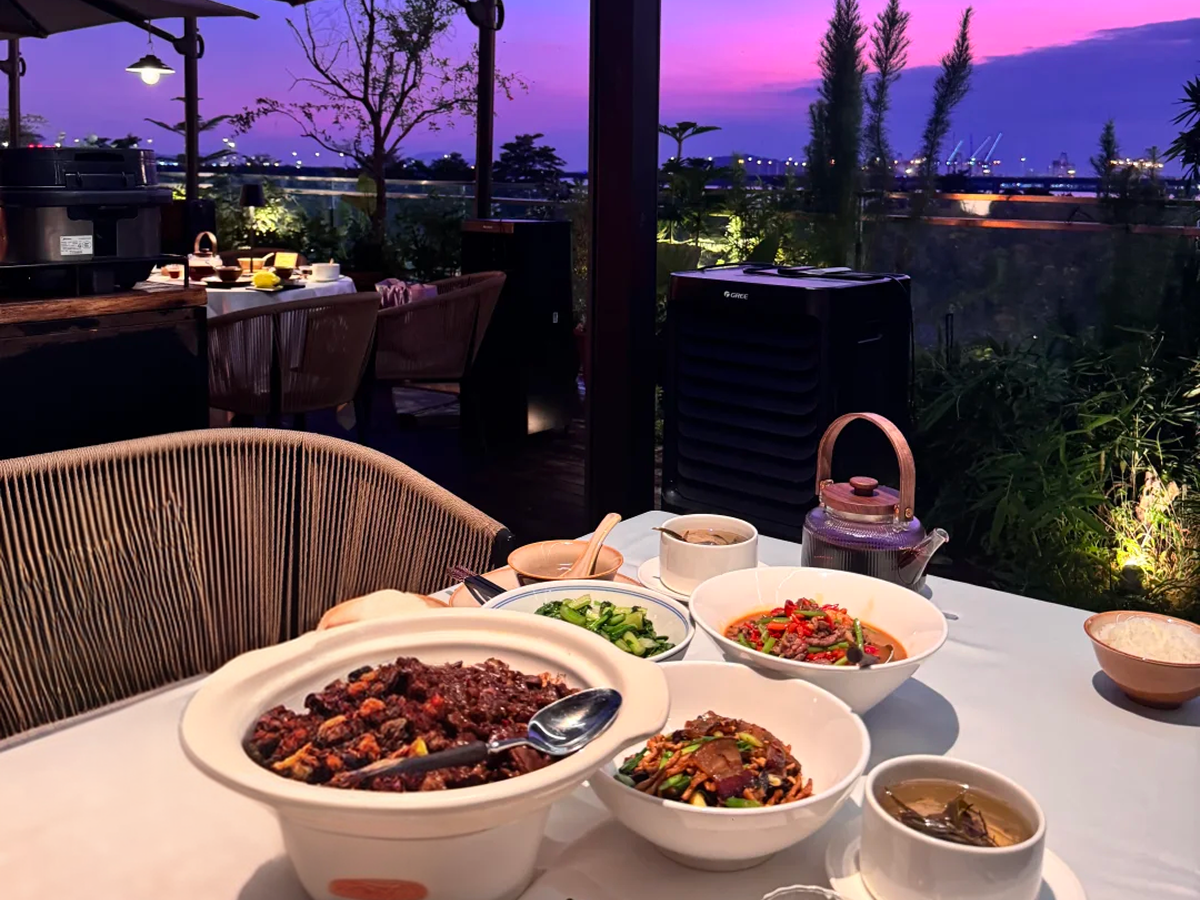
The bill is settled. Your hand moves toward the wallet—then staff return the notes you left, thinking you forgot them. That awkward pause is why tipping in China confuses visitors. In most of mainland China, the menu price is the full price. Default no tip is normal manners here, not stinginess—learn that rule first, then decide when a voluntary thank-you still makes sense.
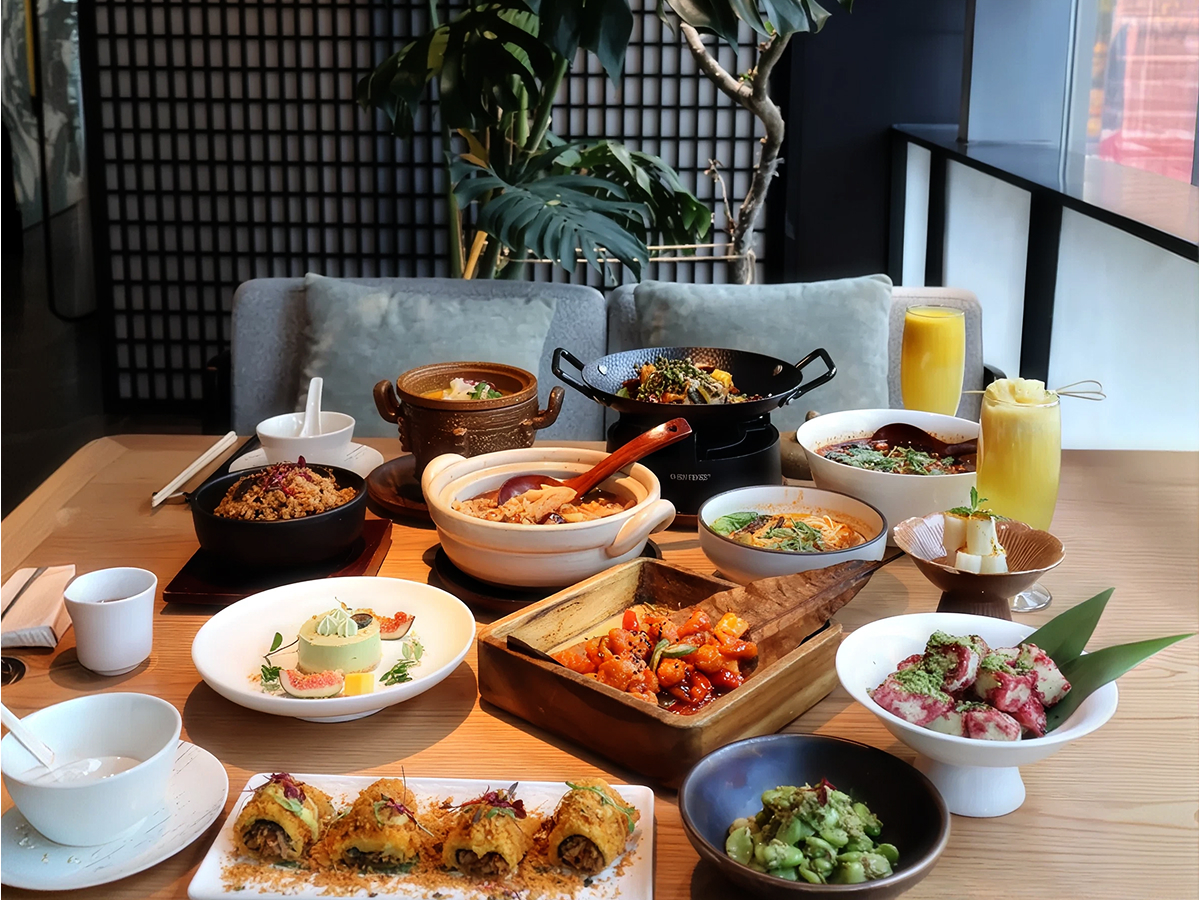
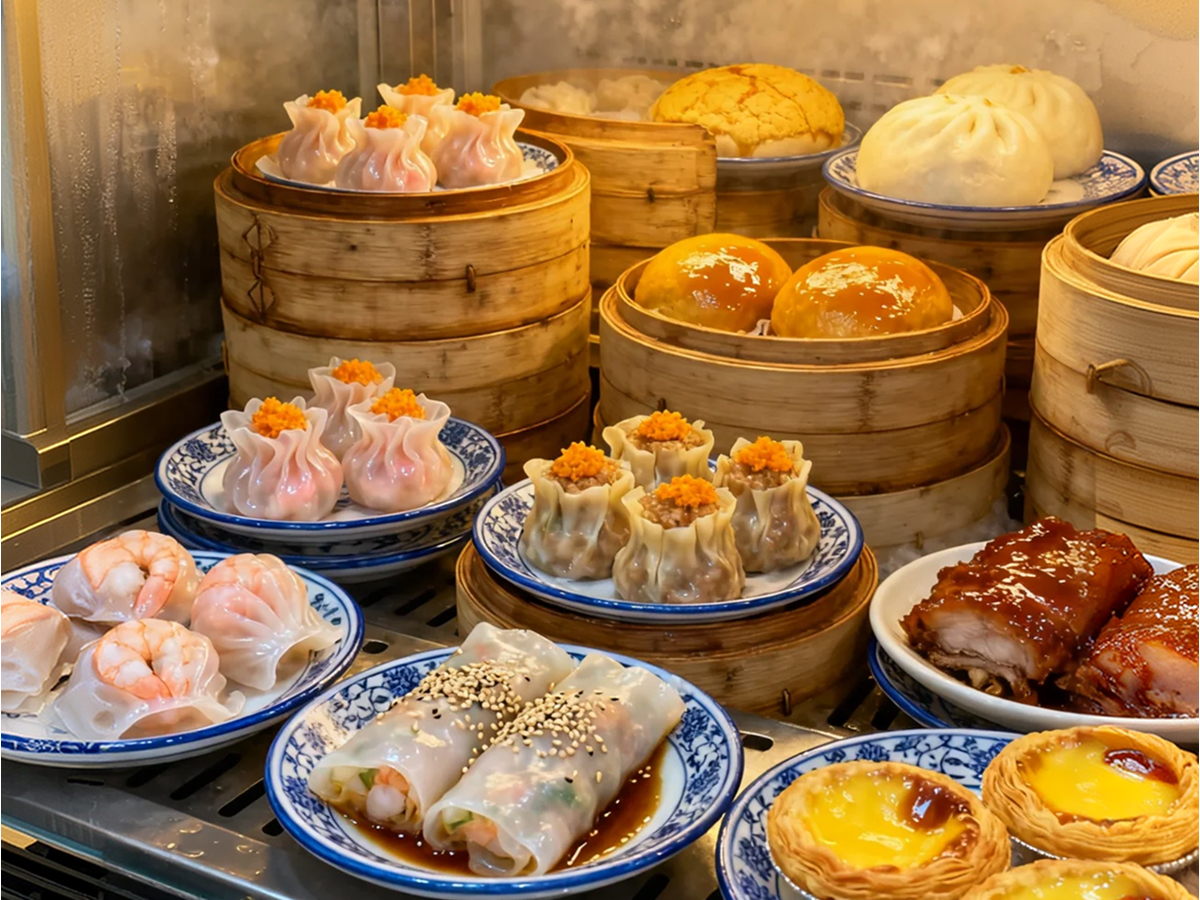
Everyday restaurants, cafés, metered taxis, and most app-based rides do not expect tips. Leaving cash on a table can confuse staff who may chase you to return what looks like forgotten money. In some international hotels and Western-style venues, a service charge may already appear on the bill—read the check before you add anything.
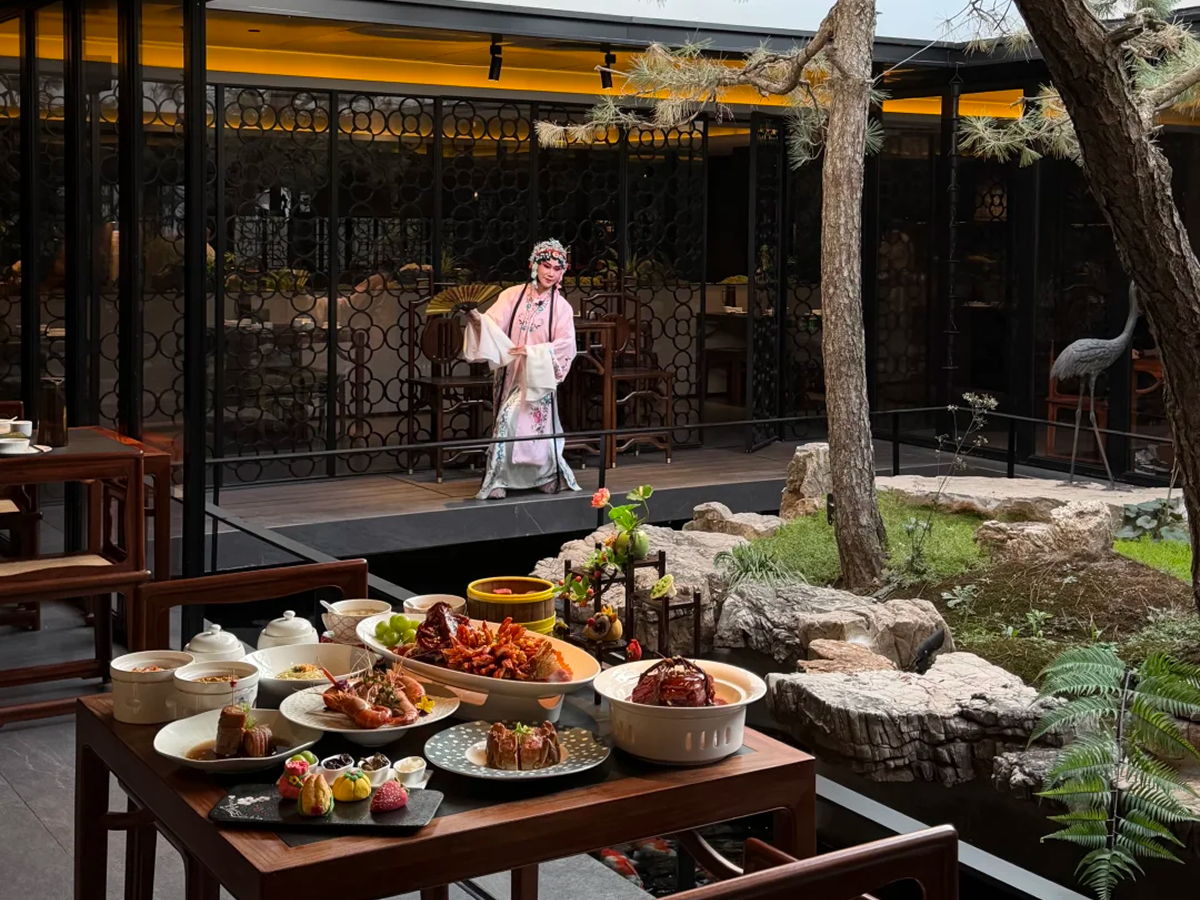
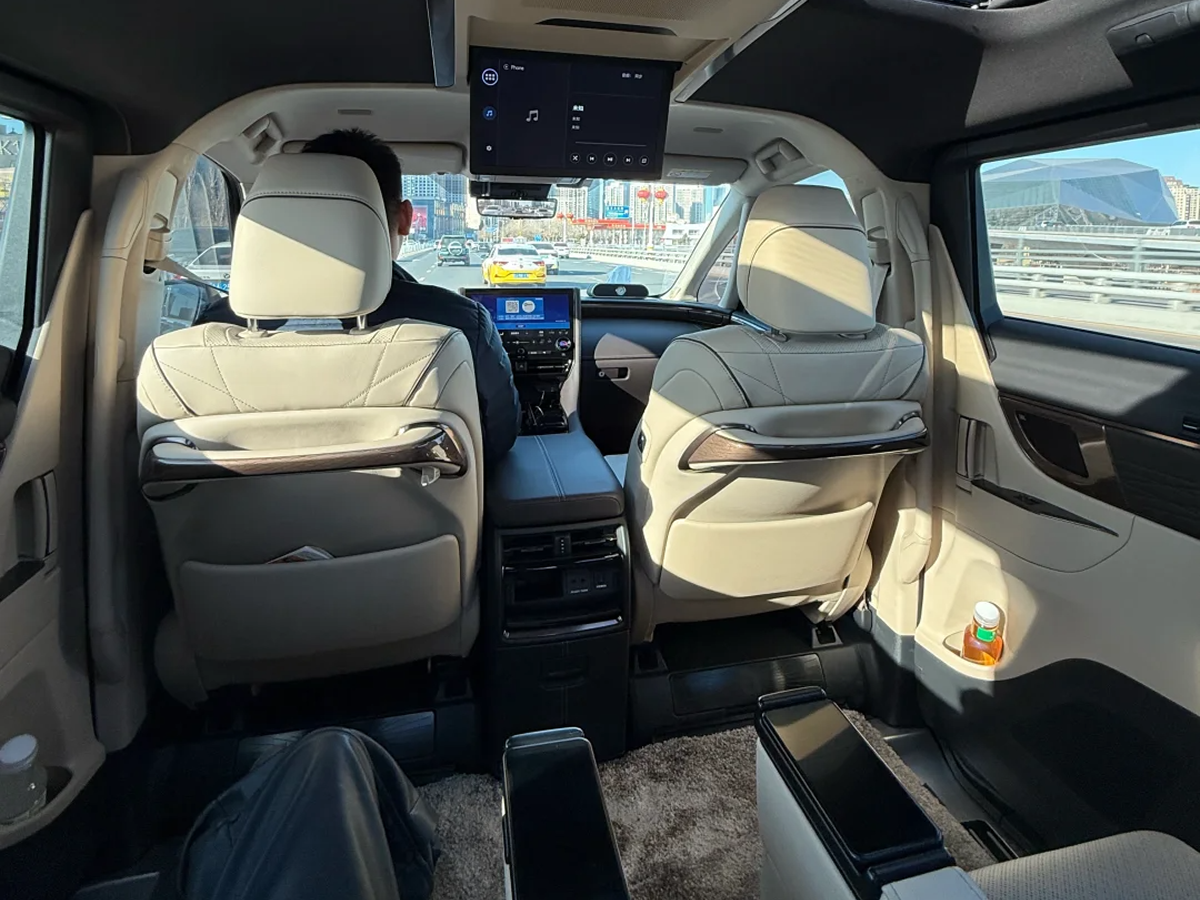
On a multi-day private trip, a thank-you at the end of strong work is appreciated by many guides and drivers. It remains a gesture, not a tax—proportionate to days shared and service quality. Ask your operator about company policy before you assume cash is welcome. Prefer a direct, polite handoff over leaving money unattended.
In properties that operate closer to global hotel culture, check whether service is already included. When it is, an extra tip is unnecessary. If unsure, ask your guide what feels natural in that city.
Public service windows, ordinary restaurant servers, local noodle shops, cafés, subway rides, and standard taxi meters. Pay the amount due and move on. Forcing cash into someone’s hands can create discomfort rather than gratitude.
For table manners that pair with this topic, see China dining etiquette. For broader soft rules in temples and public space, read China travel etiquette.
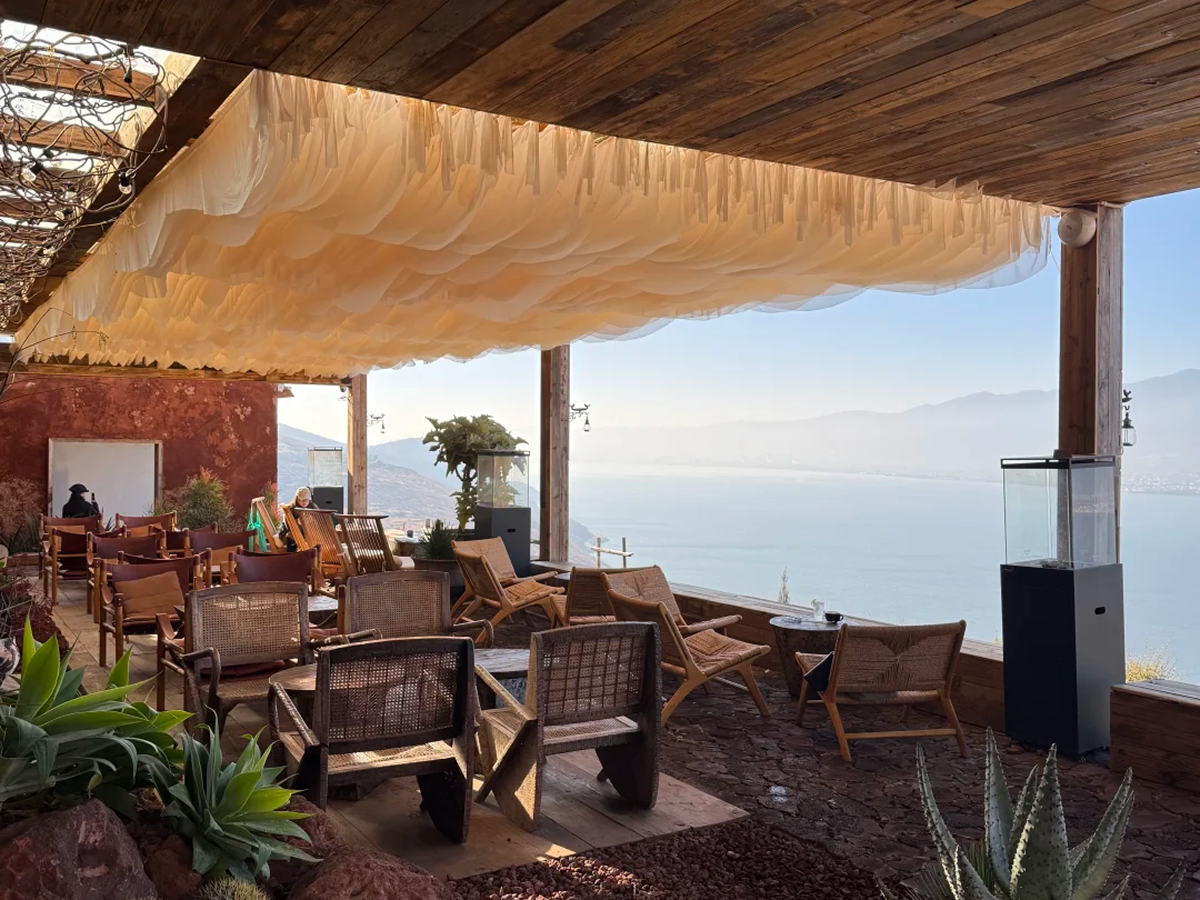
A fine hotel shapes the warmth of every journey