






























We Are With You
- A Travel Consultant Rooted In China
- Immediate Response, No Need To Wait!
- Direct Contact, Highest Value
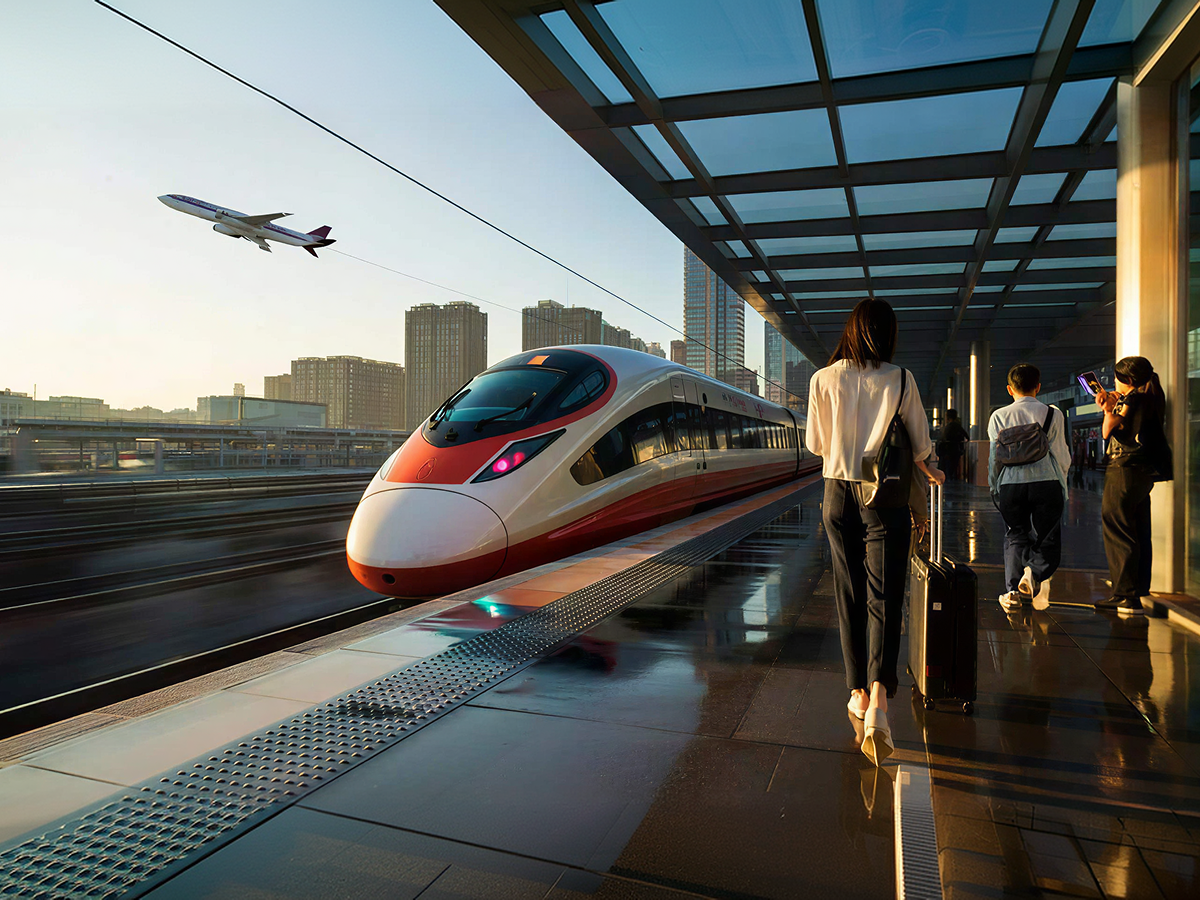
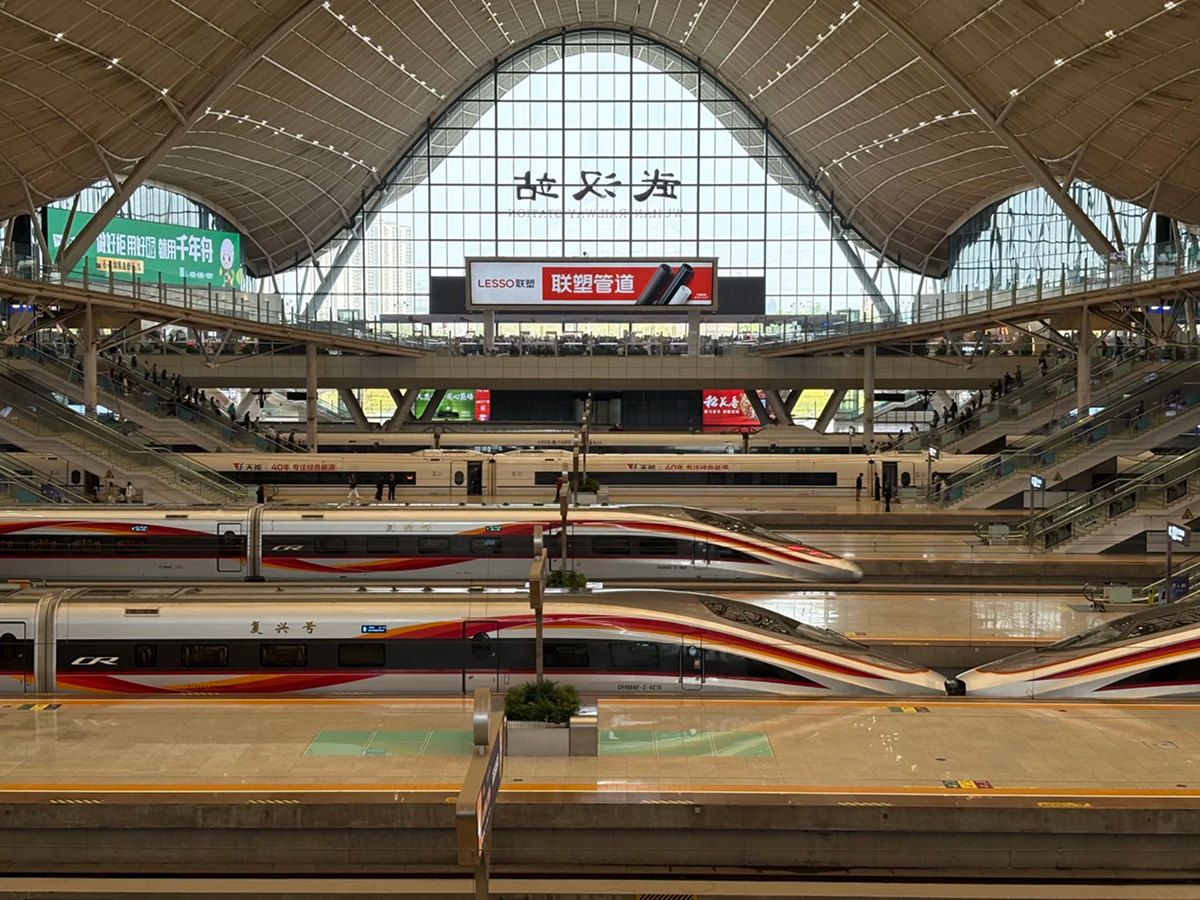
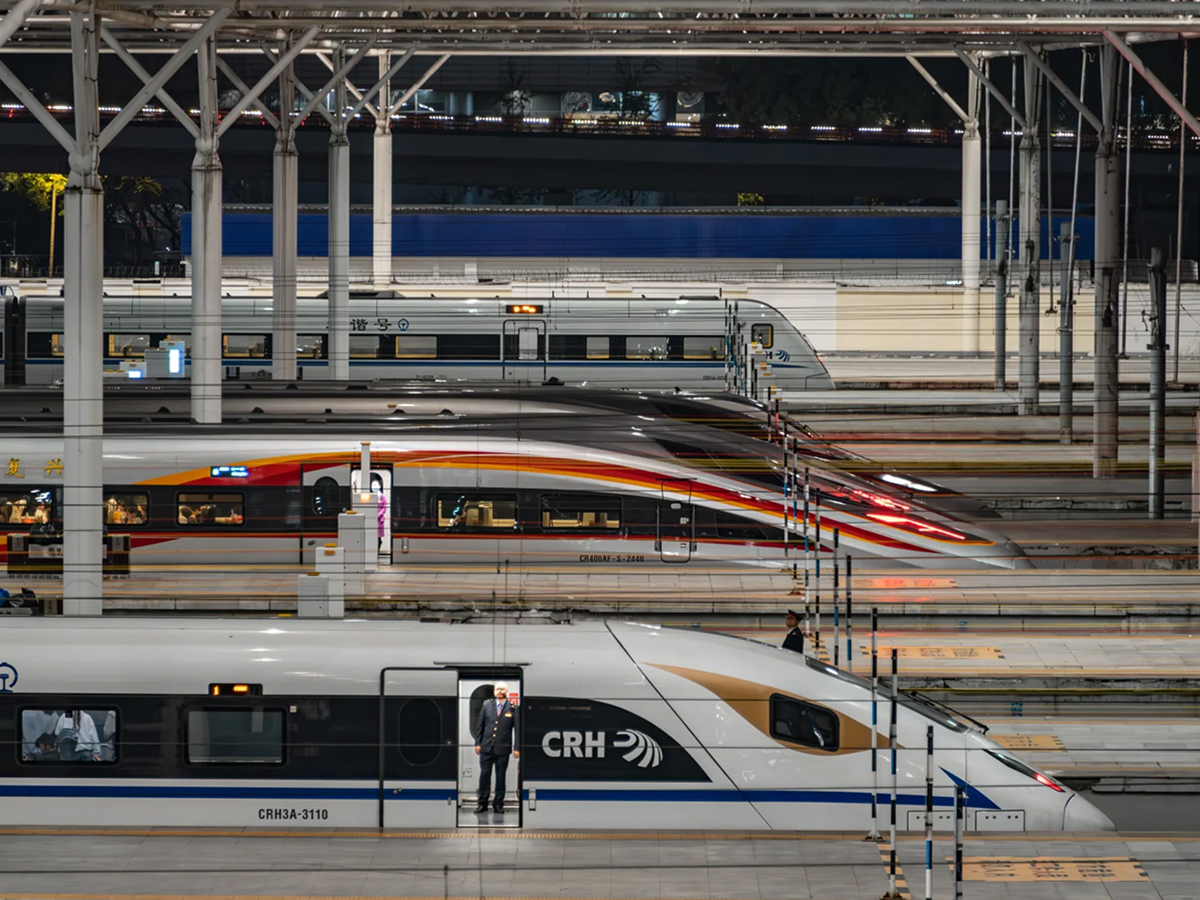
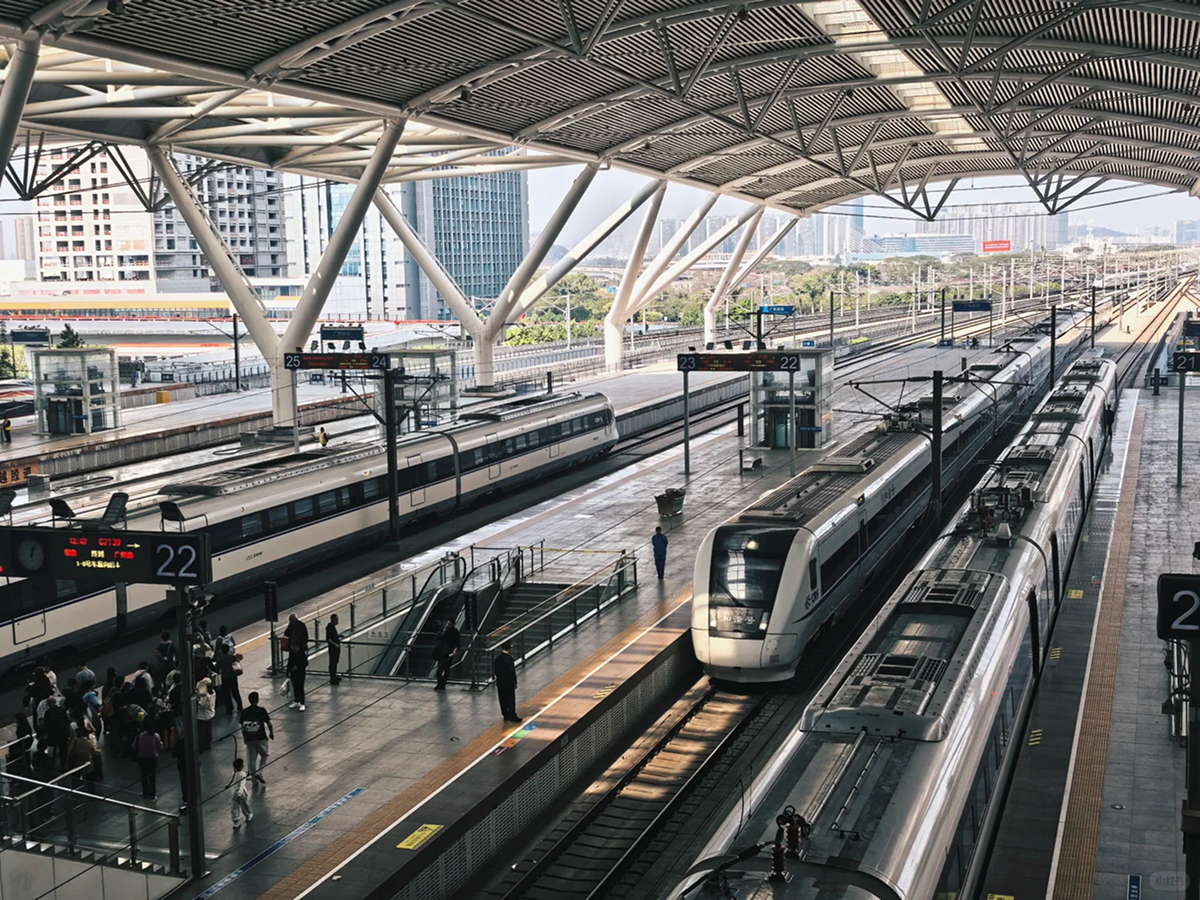
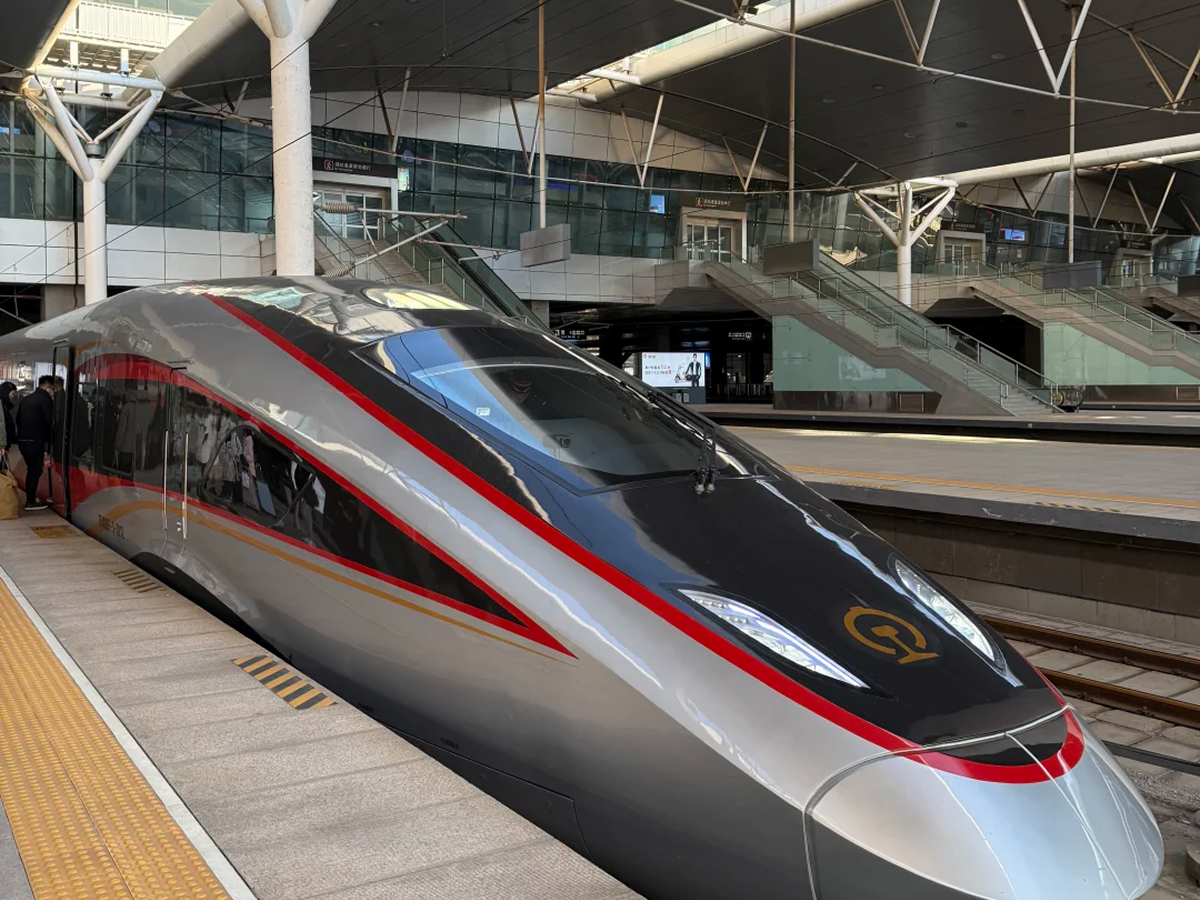
Between many major hubs, compare door-to-door time—not printed speed. A high-speed train in China often beats the full airport ritual of check-in, security lines, and city-to-airport transfers. Speeds commonly run around 250–350 km/h on main lines. With a private car meet at the station, the rail segment becomes a controlled interval: work, rest, or watch the landscape change.
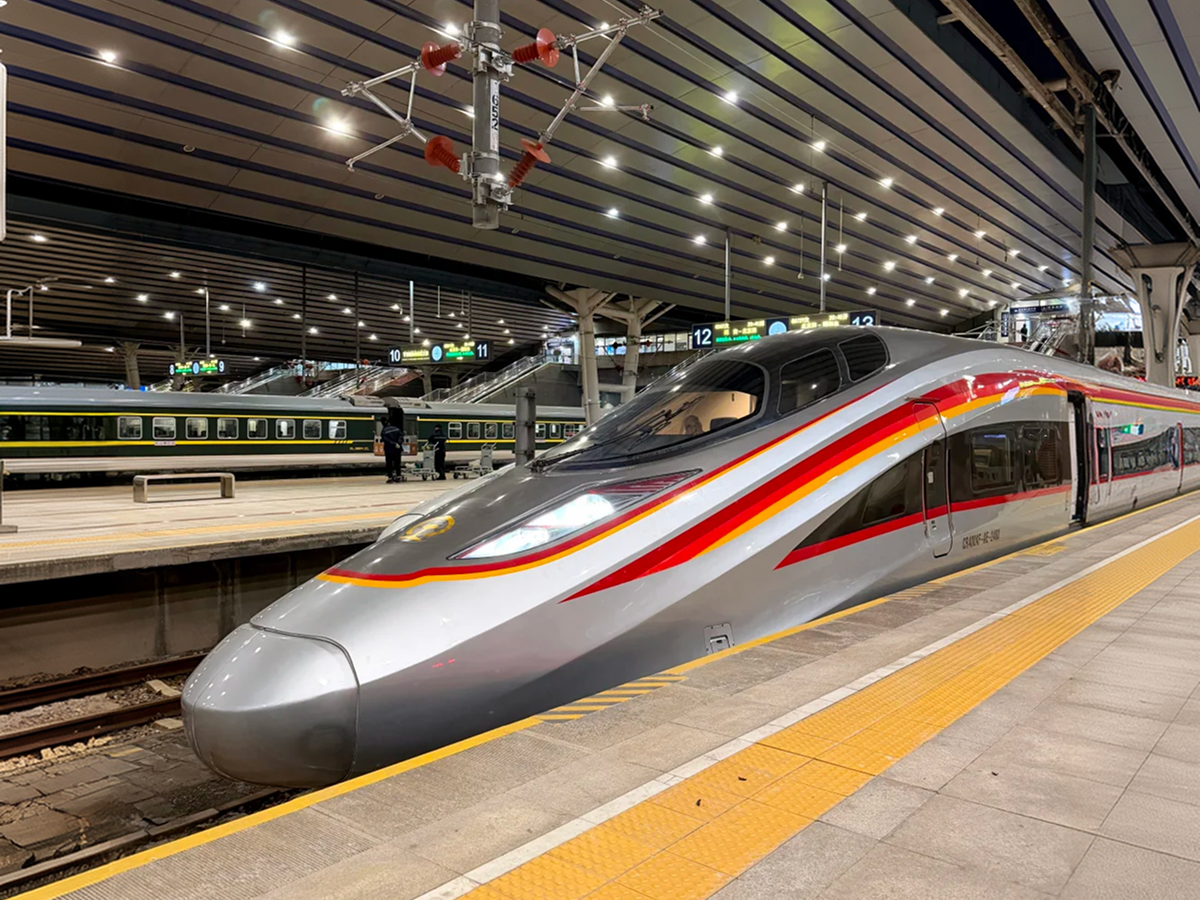
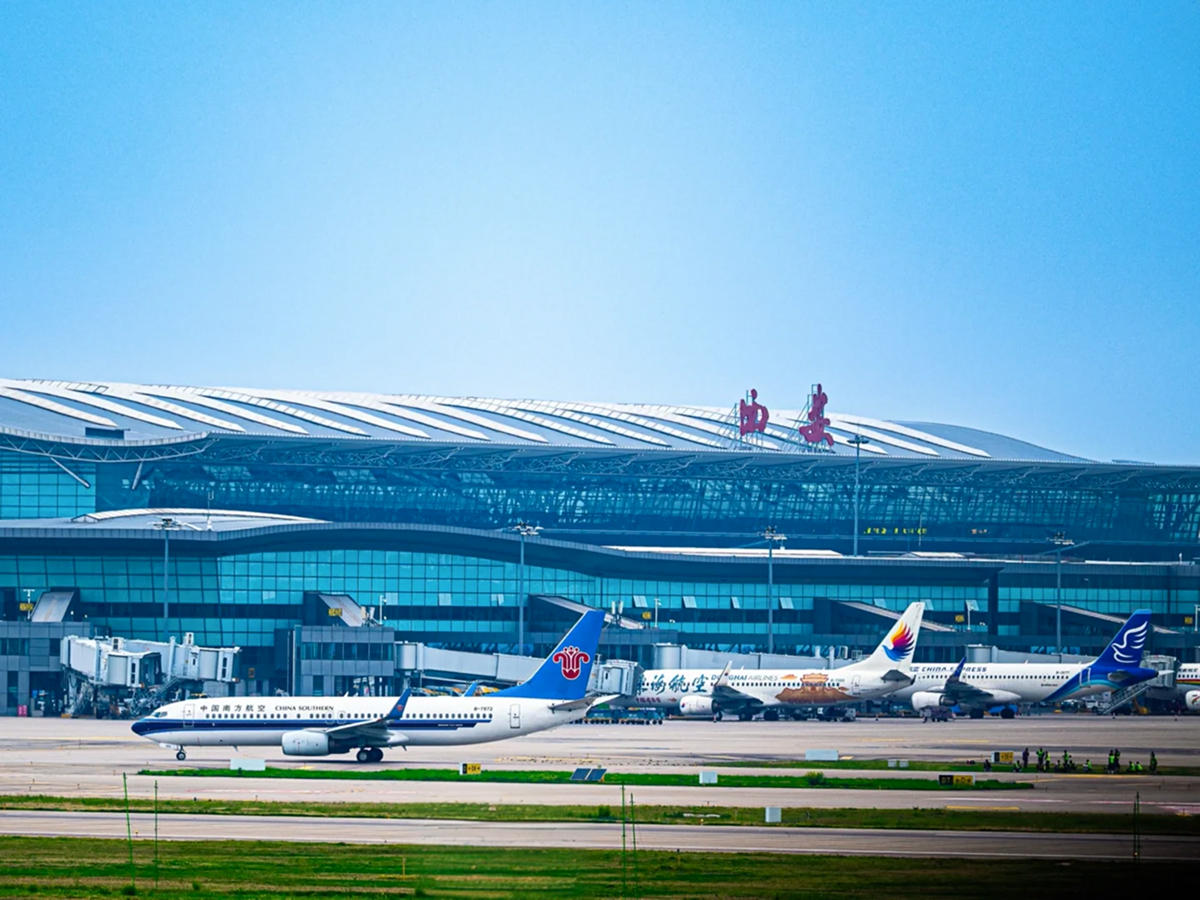
For city pairs roughly under 4–5 hours by train (examples: Beijing–Shanghai about 4.5 hours; Beijing–Xi’an about 4–5.5; Shanghai–Hangzhou about 1), door-to-door rail often wins. For longer legs or weak rail links, fly. Mix both: rail for the dense eastern corridor, flights for distant west or southwest hops.
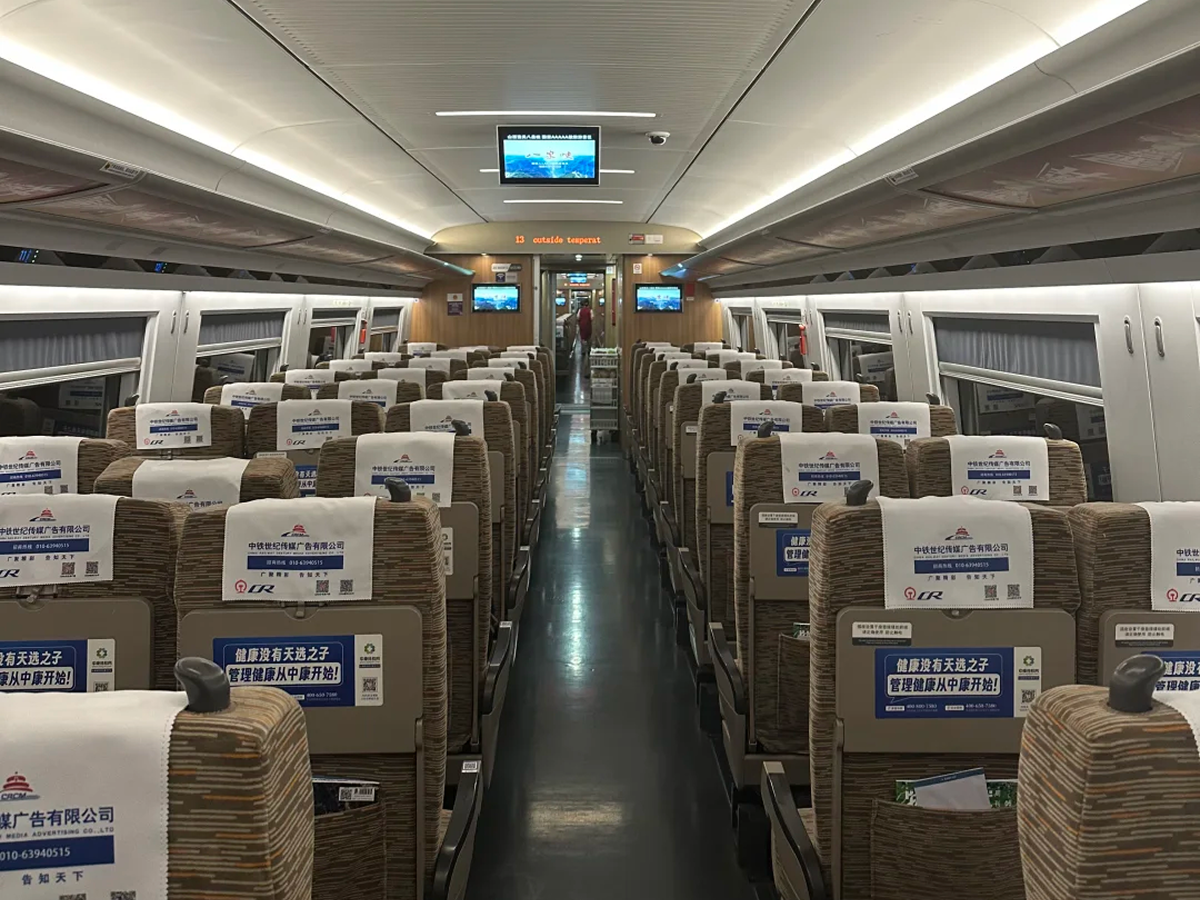
Second class is comfortable and the default for most travelers. First class usually means wider seats and a calmer cabin. Business class adds more privacy and recline for longer daytime legs. Choose by duration and what you need the hours to hold—not by brand language.
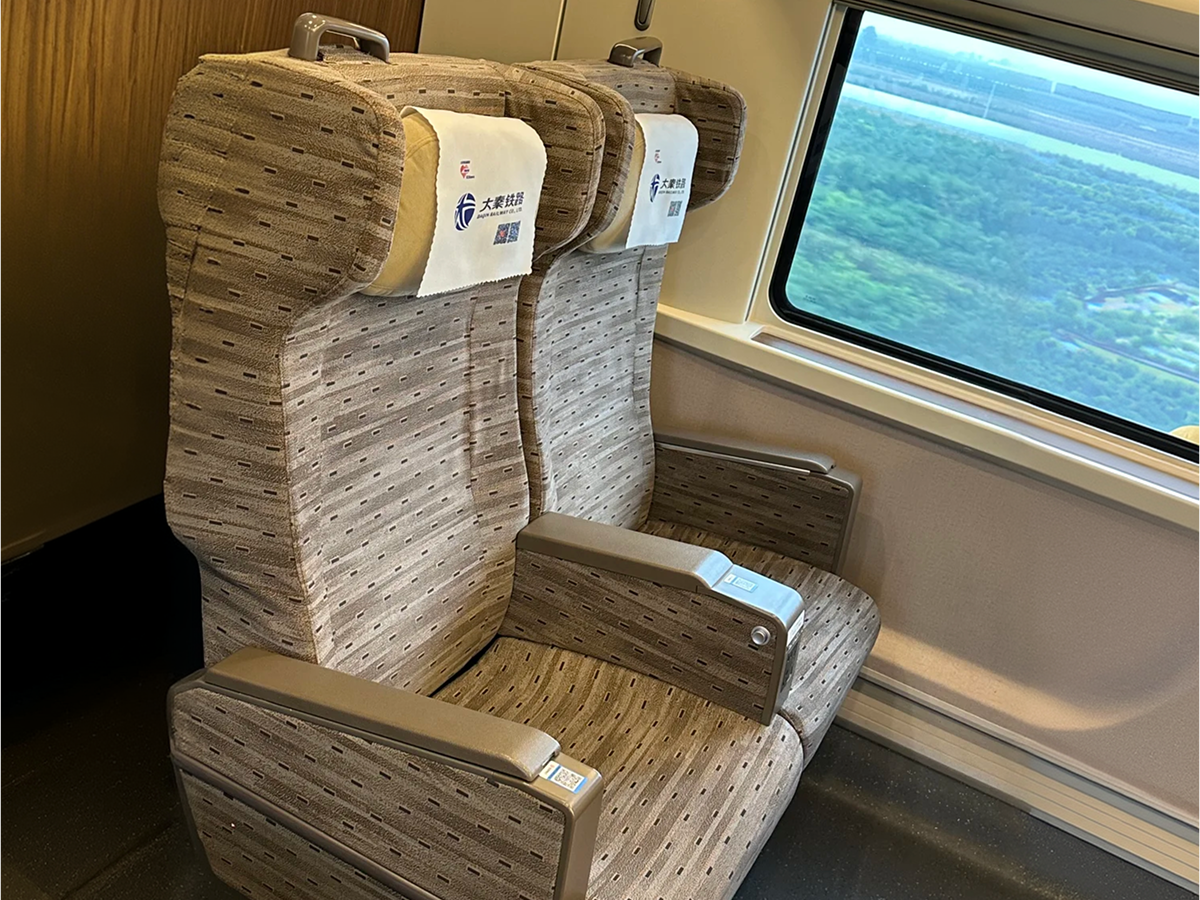
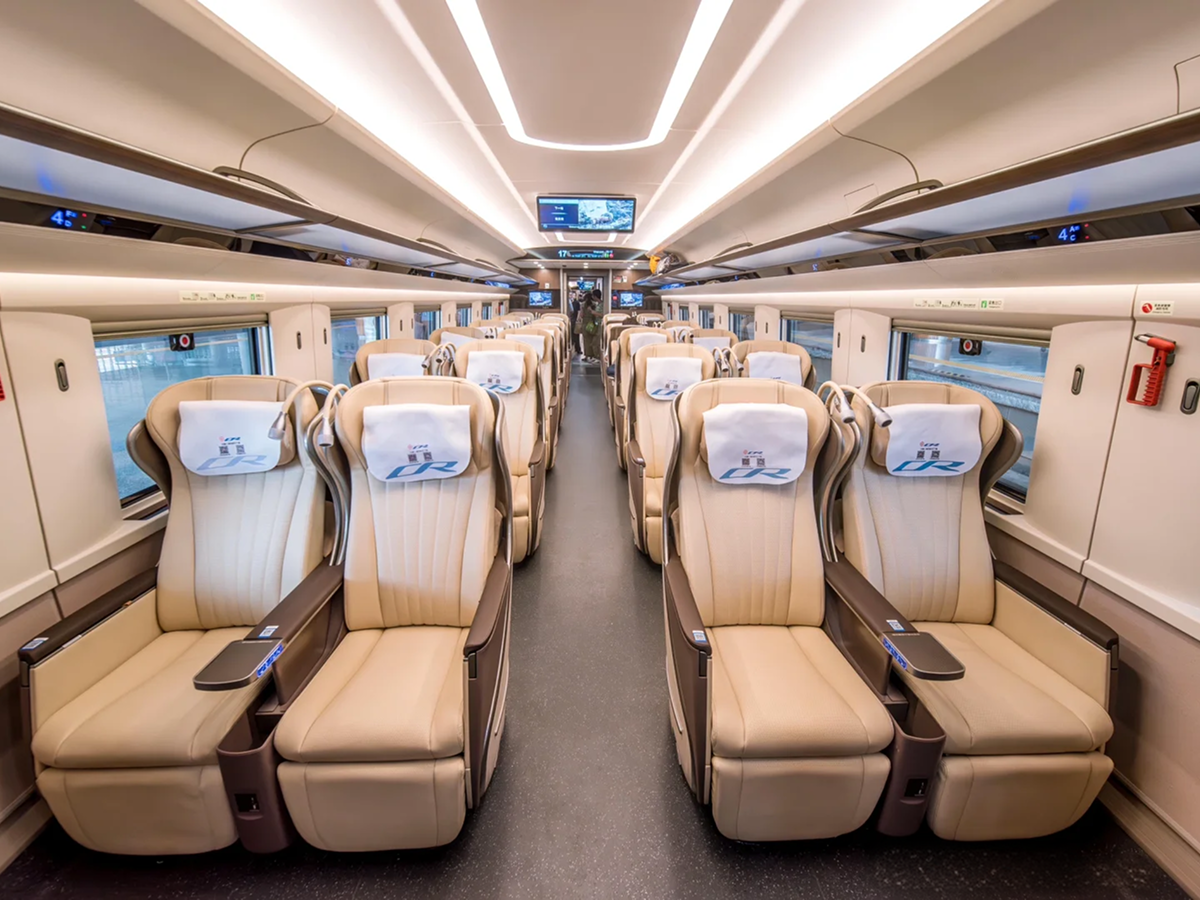
Trips beyond about three hours, midday rest, light laptop work, or traveling as a pair who want adjacent seats without compromise are practical reasons to book first or business. Book early for holidays and Friday evenings.
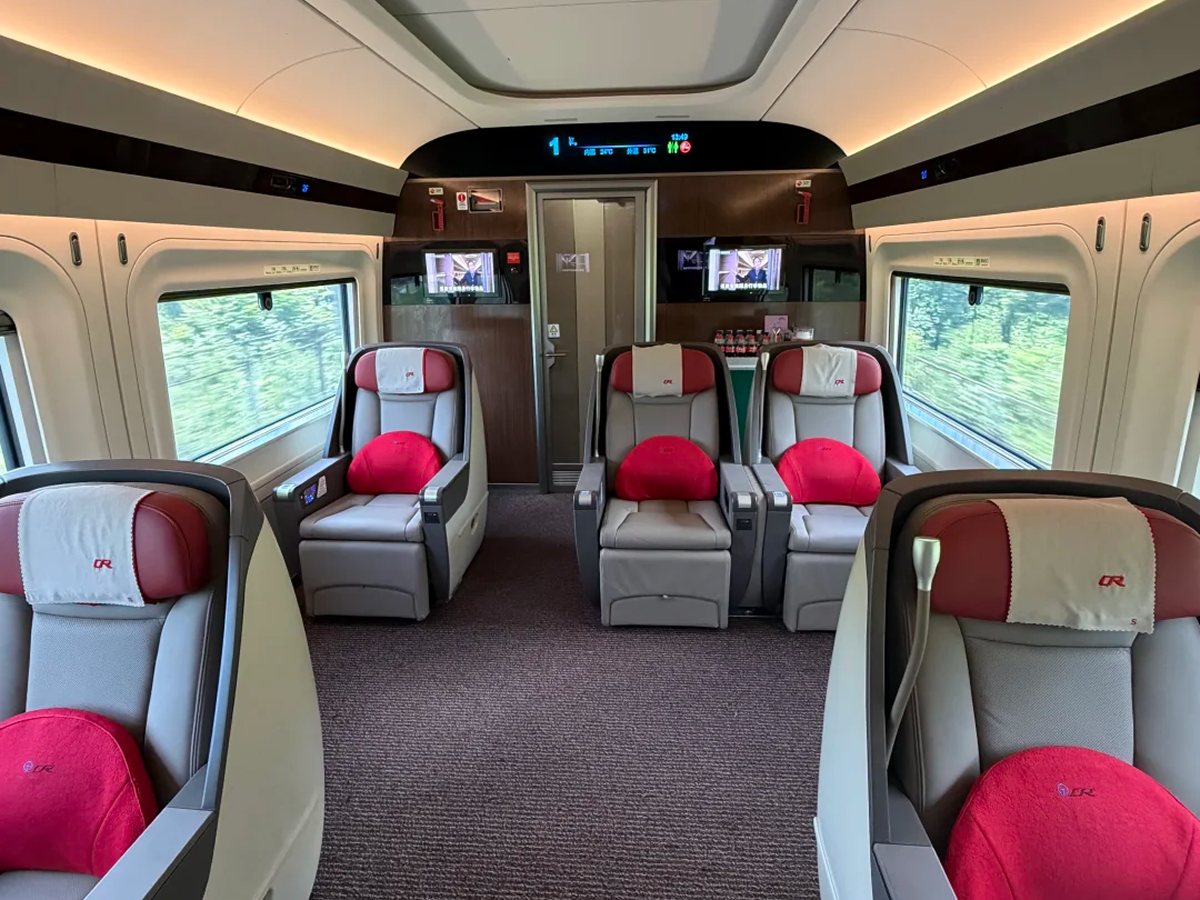
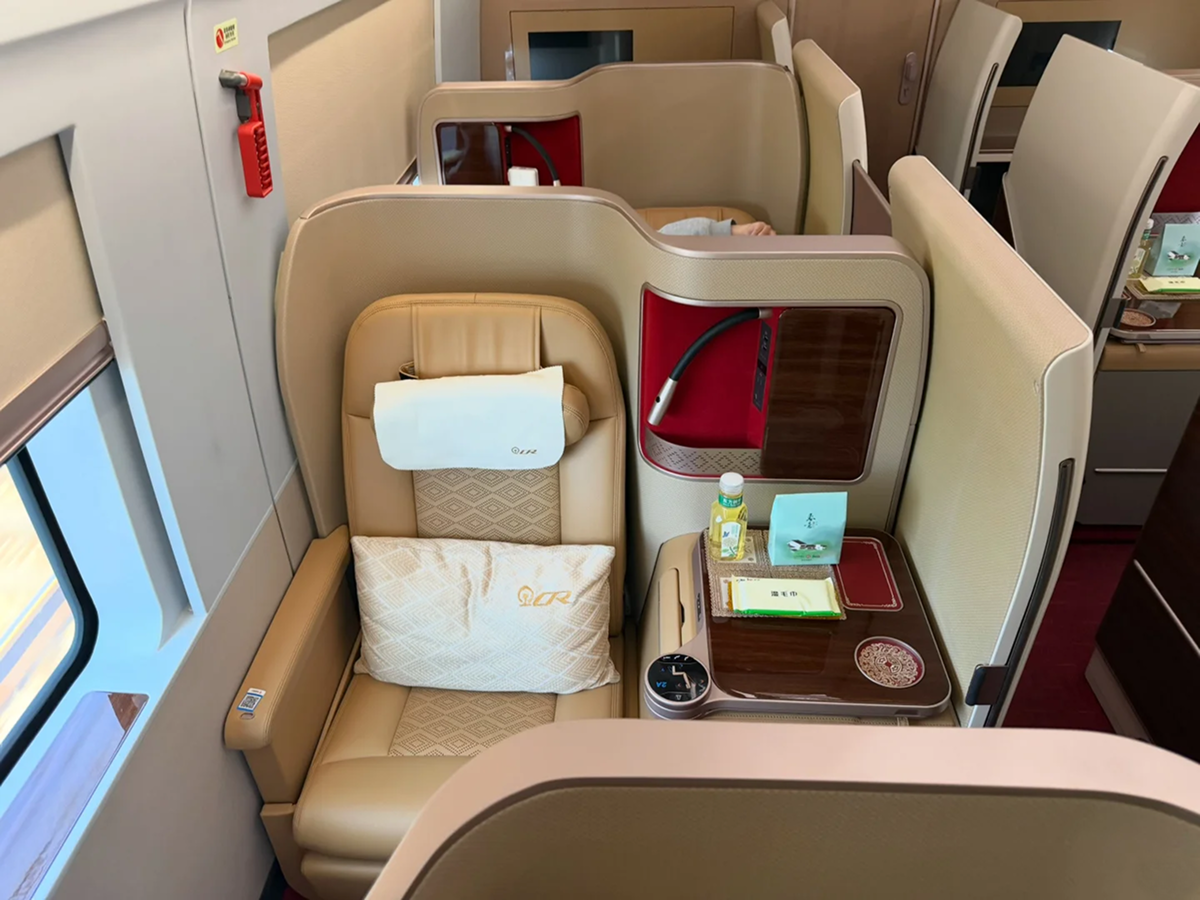
China high-speed train rules depend on the exact route, station, passport name format, ticket channel, and current railway policy. Before payment, verify the train number, departure station, arrival station, passport details, baggage limits, and boarding time with the official railway system or your confirmed booking channel.
TravelToQin can help place train days inside a private China itinerary: how early to leave the hotel, when a driver should meet you, whether first class is worth it for the route length, and how much buffer to keep before a guide day or flight. We do not control railway inventory, official ticket rules, or last-minute operational changes.
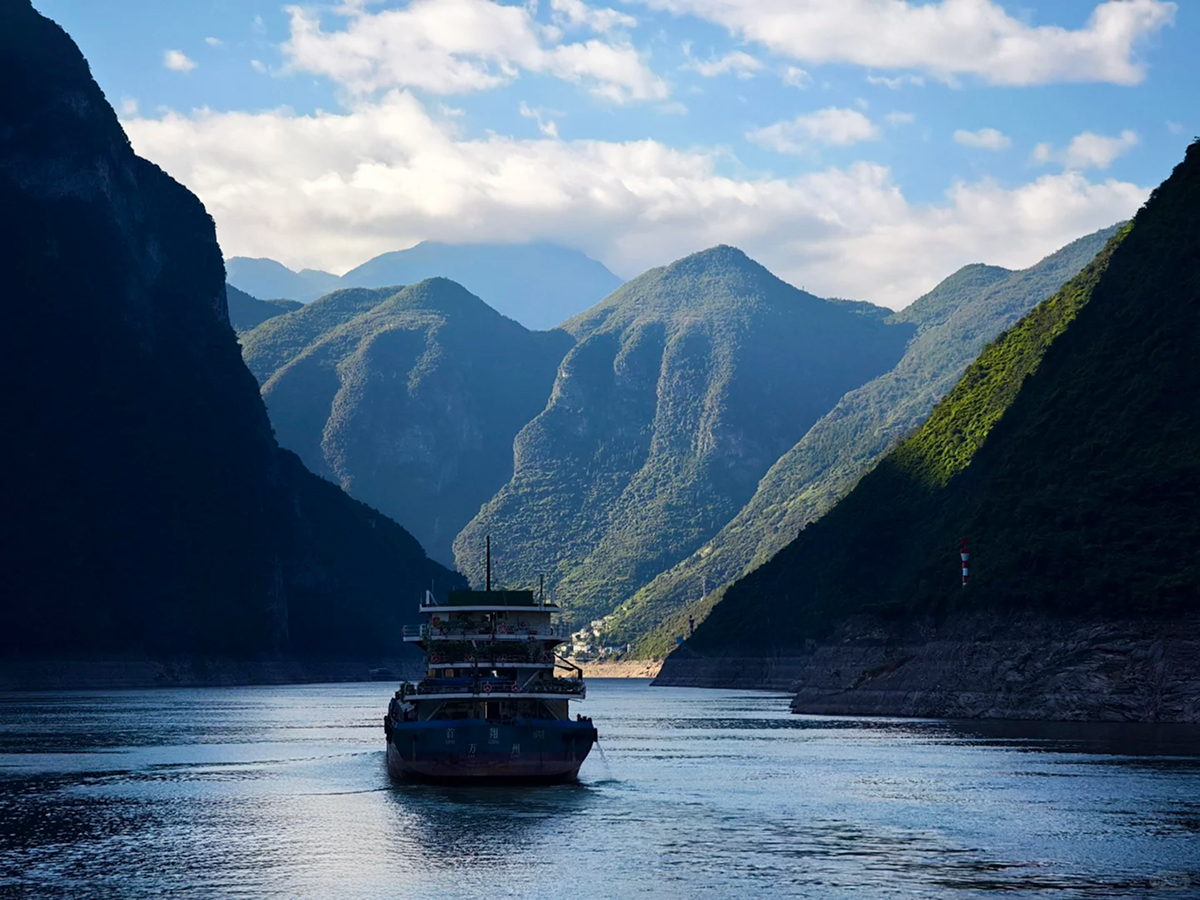
Bring water and a light snack if you prefer. Soft layers help with air-conditioning. Quiet carriages and phone etiquette vary by train—follow posted signs. Windows can show farmland, rivers, and city edges in sequence.
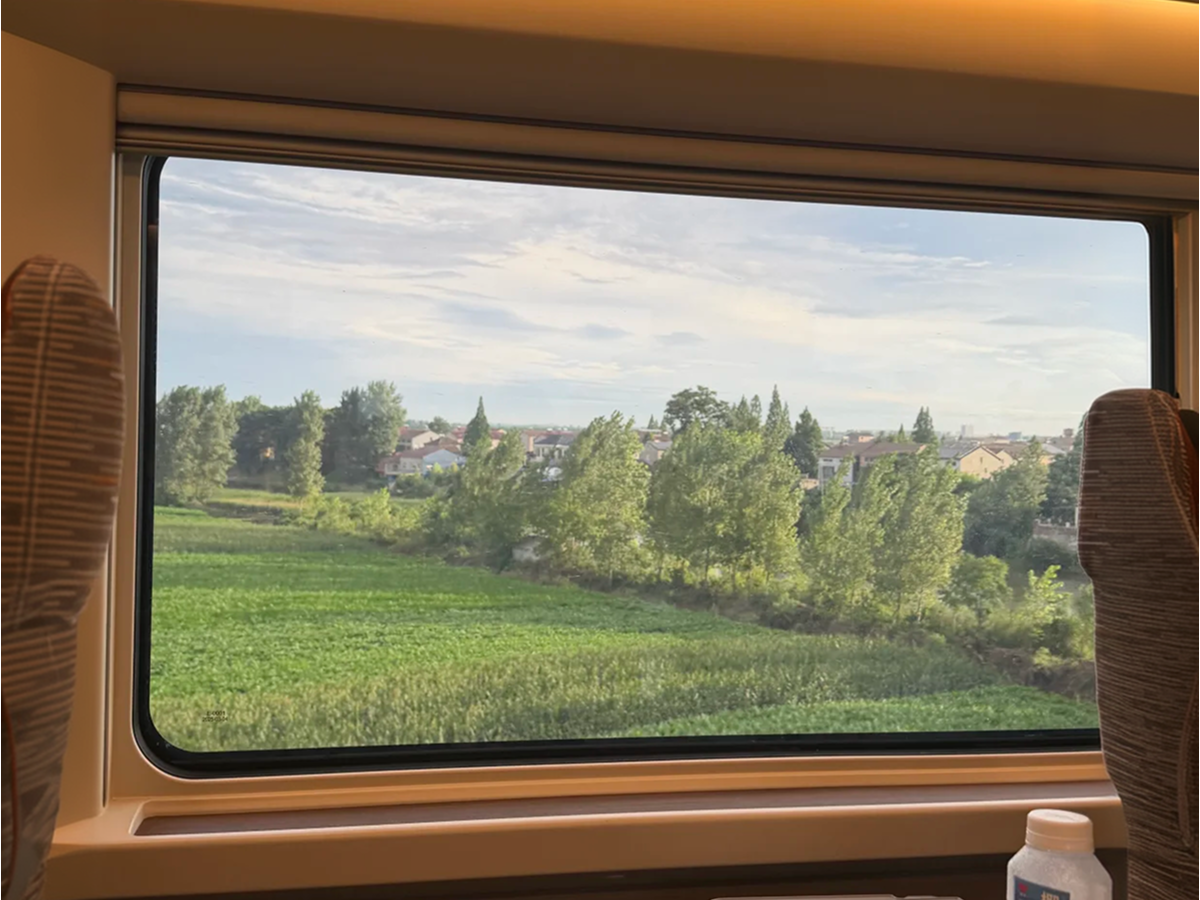
Place rail inside a fuller plan via how to plan a trip to China. First-timers can also skim first-time travel in China for arrival-day logistics. Multi-city private links that need timed station meets can start at tailor-made or contact.
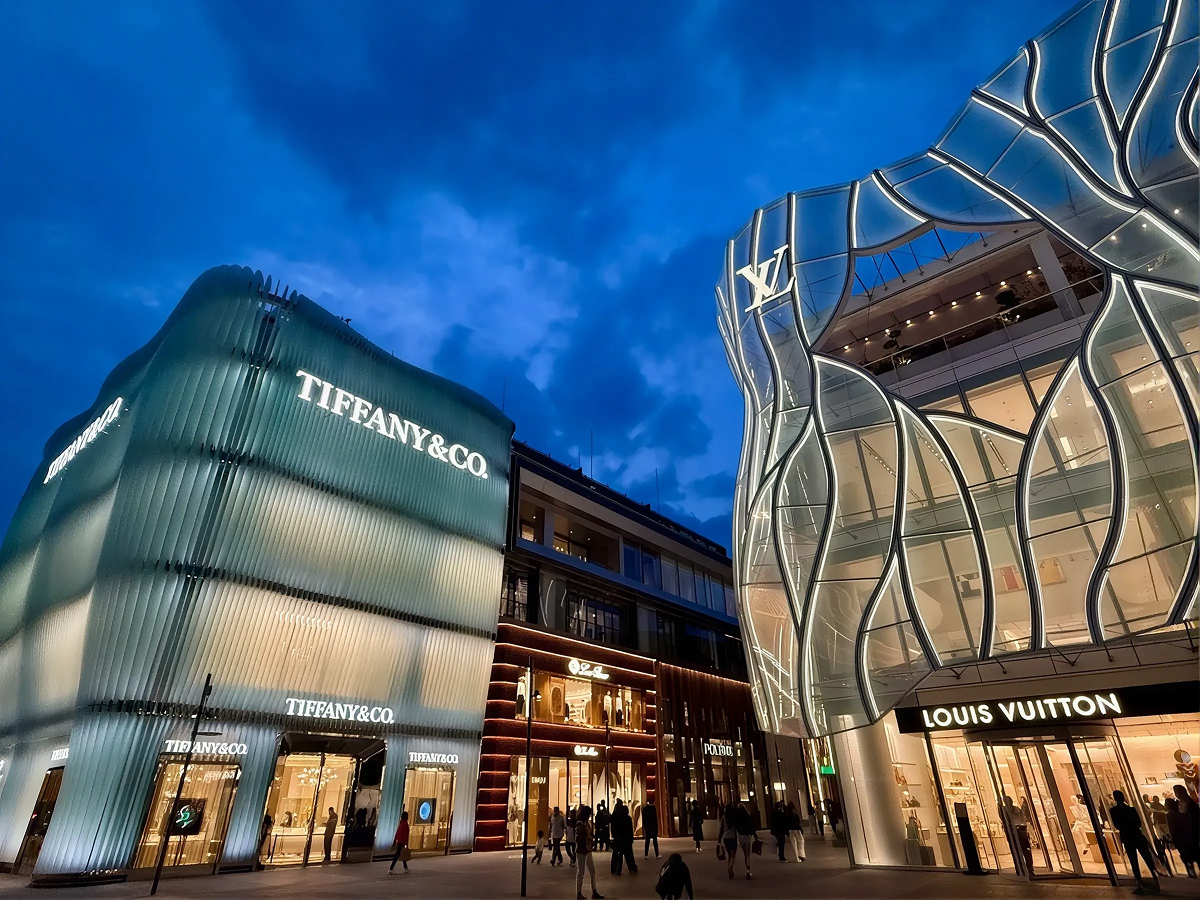
A fine hotel shapes the warmth of every journey