















































































We Are With You
- A Travel Consultant Rooted In China
- Immediate Response, No Need To Wait!
- Direct Contact, Highest Value
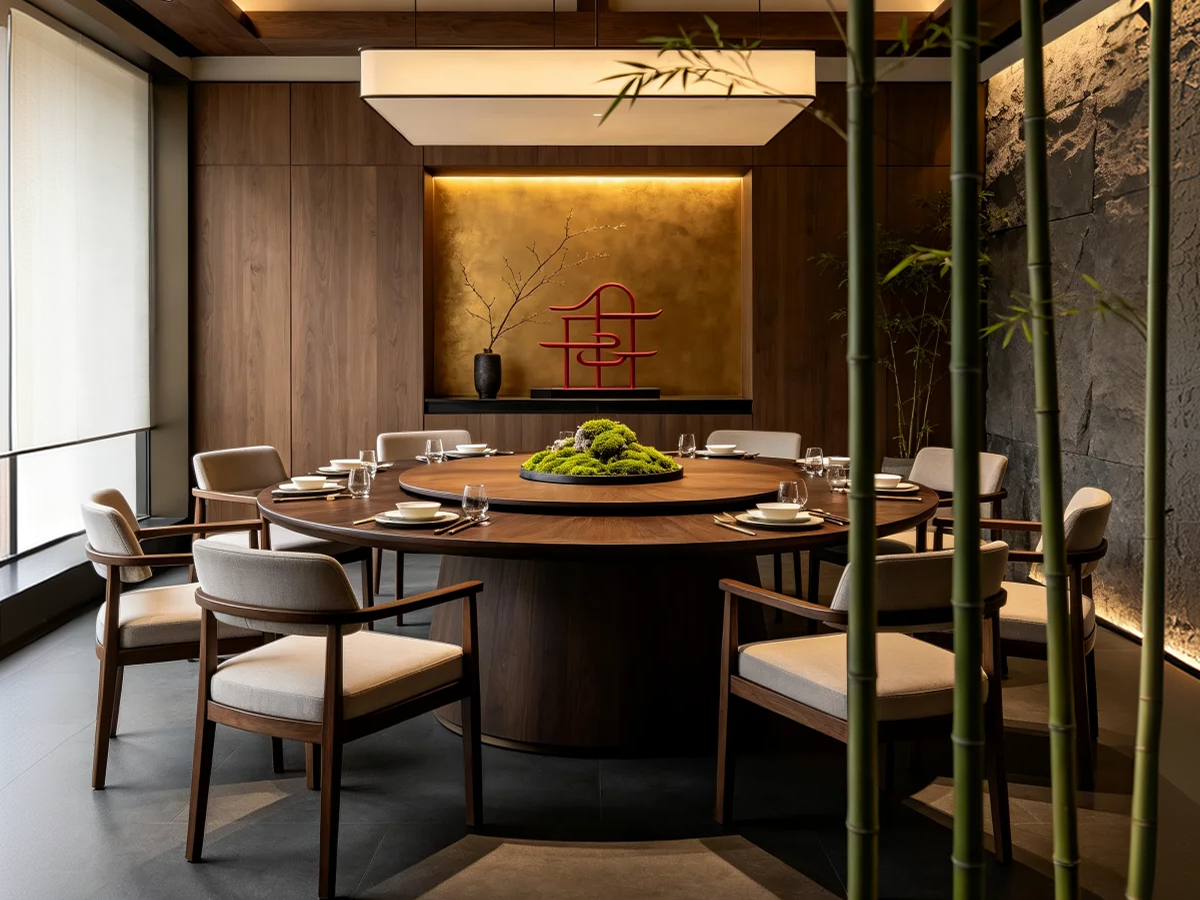
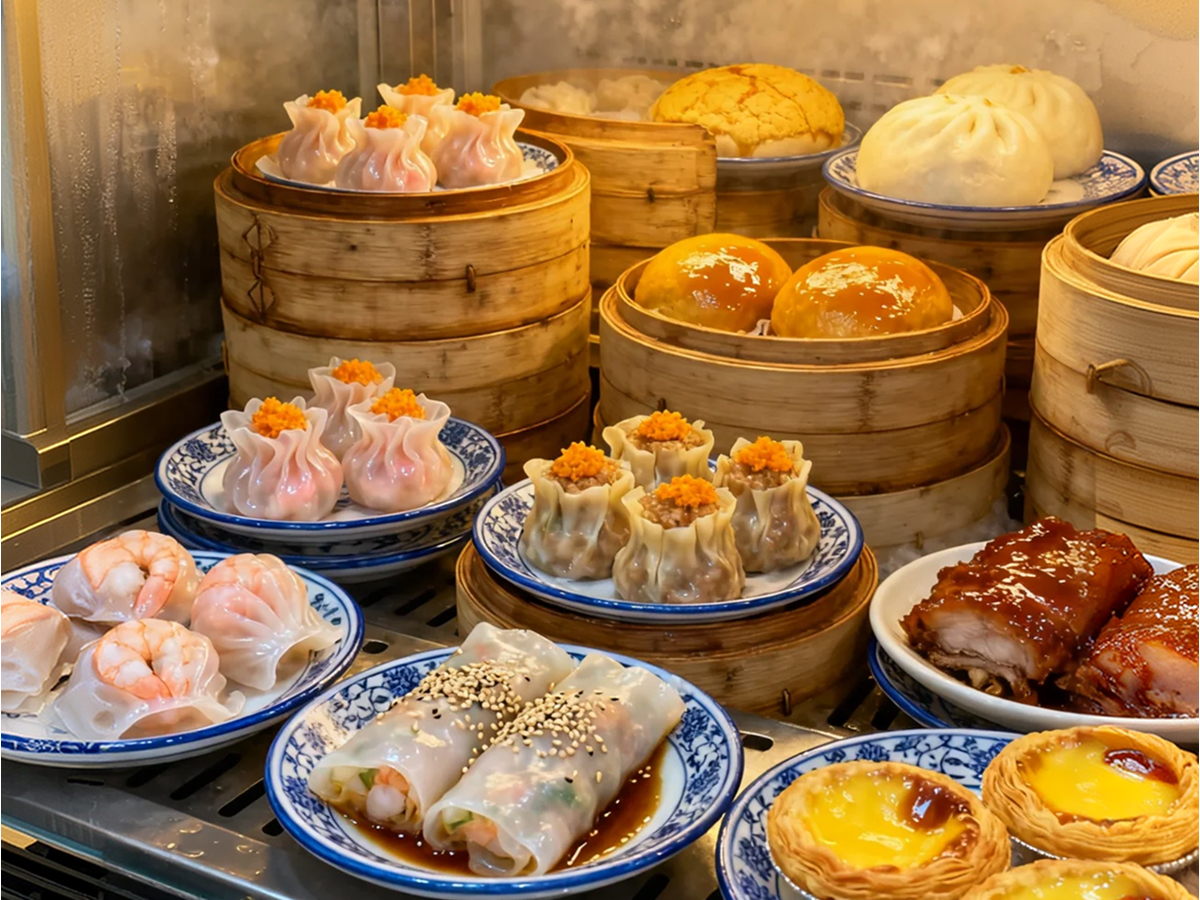
You will not fail a China dining etiquette exam—there is not one. Most friction comes from shared tables: dishes in the middle, seats with host-and-guest logic, and timing before the first bite. Read seating and serving cues first; spice level and allergies come next.
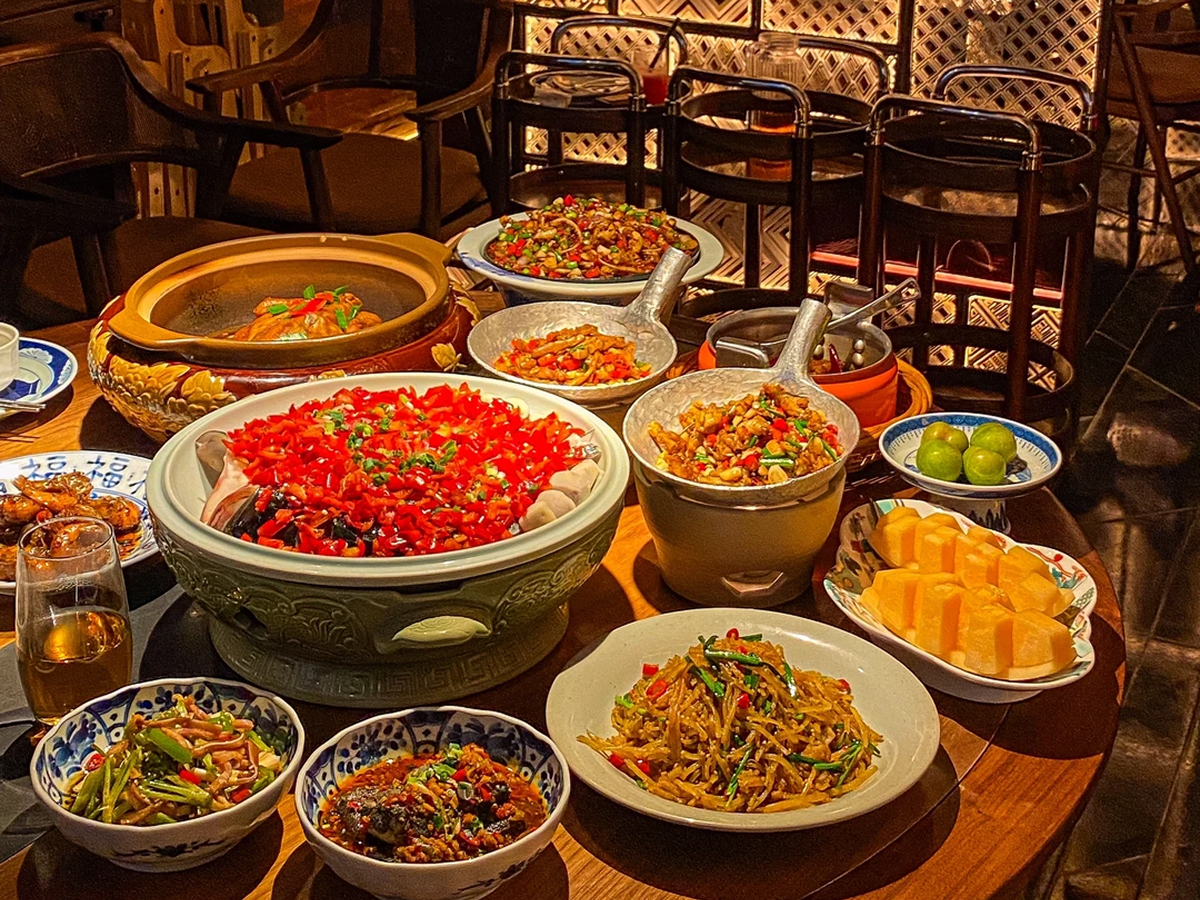
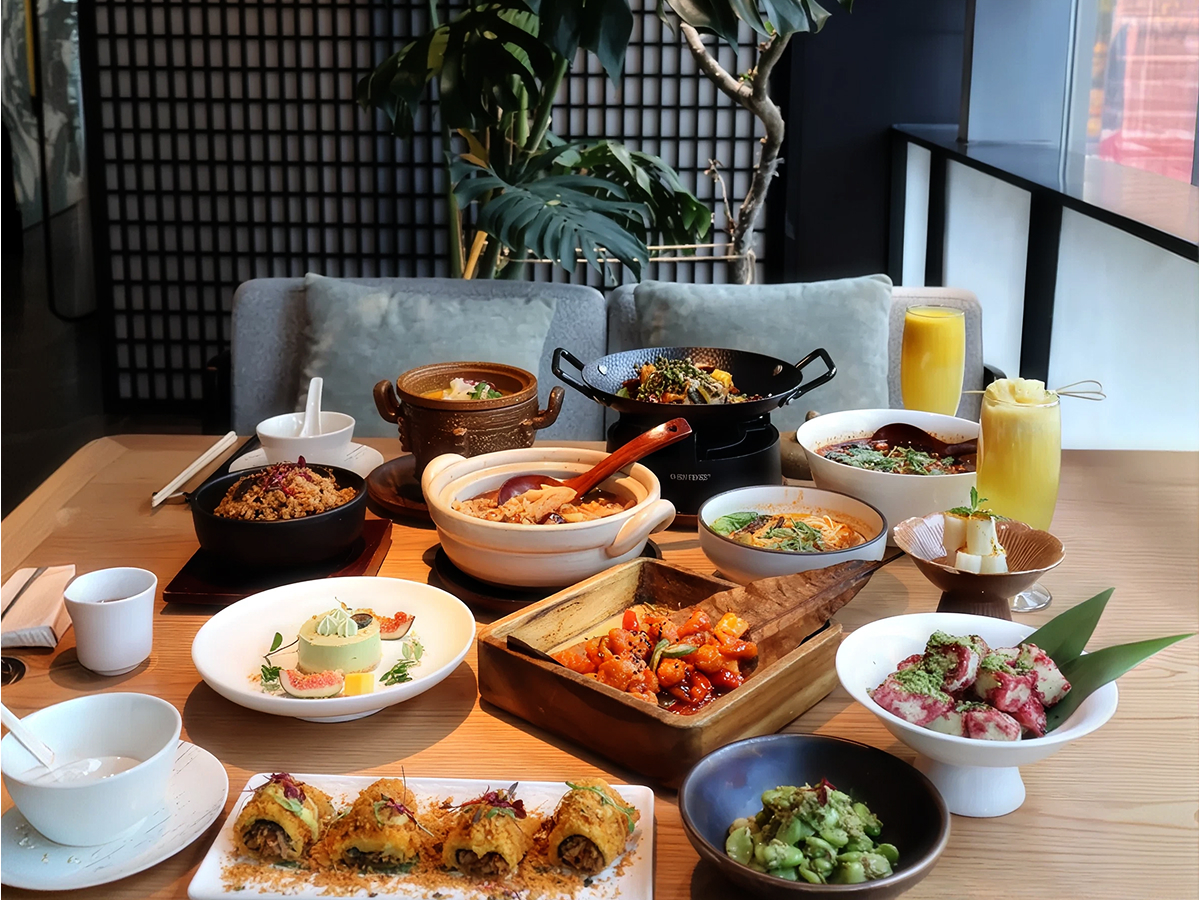
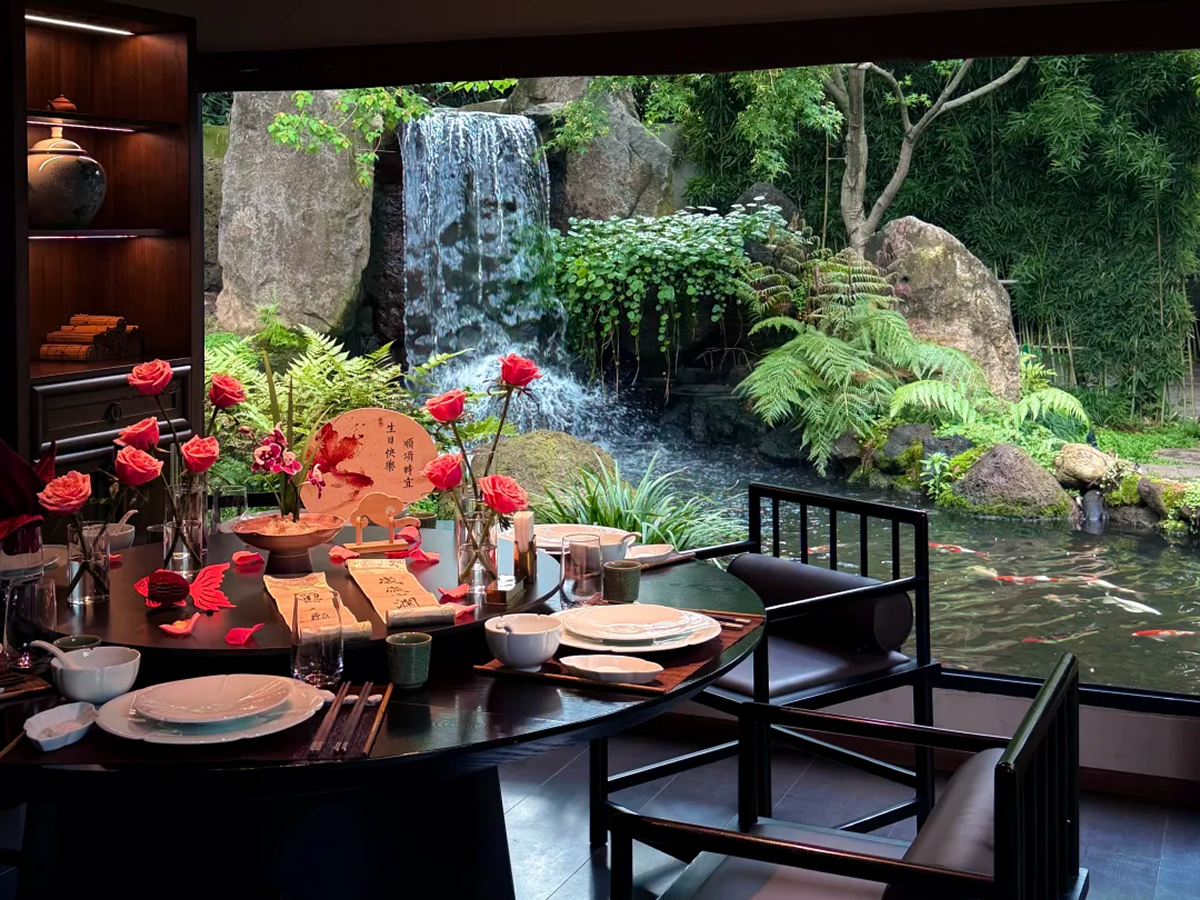
Dishes sit in the center; you take portions onto your own plate or bowl. In formal settings, the seat facing the entrance is often reserved for the host or guest of honor. When unsure, stand briefly and follow your host or guide. Do not start eating until the host invites the table—or until others begin, in casual places like a neighborhood noodle shop.
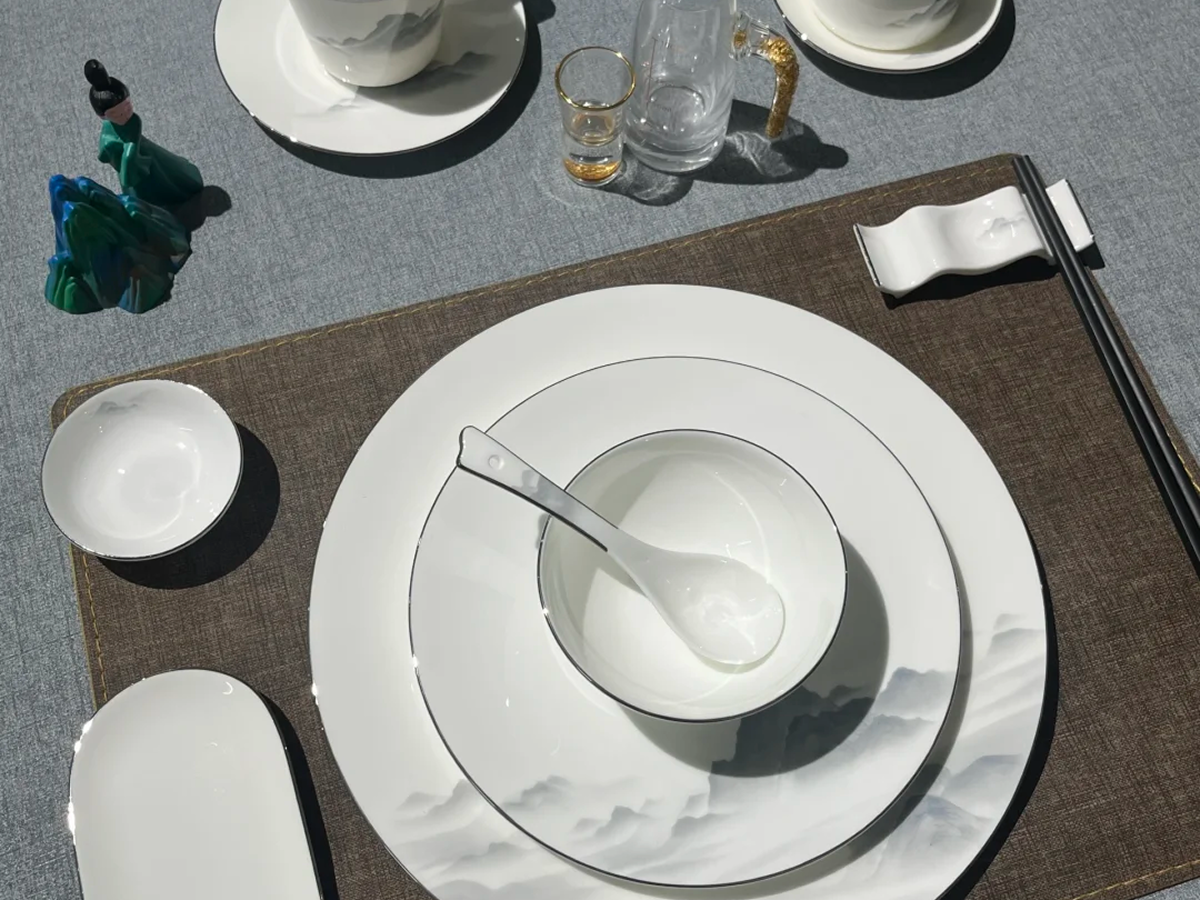
Do not stand chopsticks upright in a bowl of rice—it resembles funeral incense. Use serving chopsticks or spoons when provided. Take measured portions so others can share. Pointing at people with chopsticks or spearing food dramatically reads as rough.
Toasts, when they happen, stay light and reciprocal; younger or junior guests often keep the rim slightly lower than a senior’s glass. Tea is frequently refilled as care—acknowledge with a nod or a light finger tap on the table if that custom is shown to you.
A courtyard banquet and a street noodle shop ask for different posture. Formal rooms reward patience and seating cues; casual tables reward curiosity and speed. Both can fit one trip if you protect digestion—do not schedule a heavy banquet and a full hotpot feast back-to-back on the same day.
For tipping norms at the end of the meal, see tipping in China. For food-focused trip design, browse a private China food tour. Broader public manners sit in China travel etiquette.
A fine hotel shapes the warmth of every journey