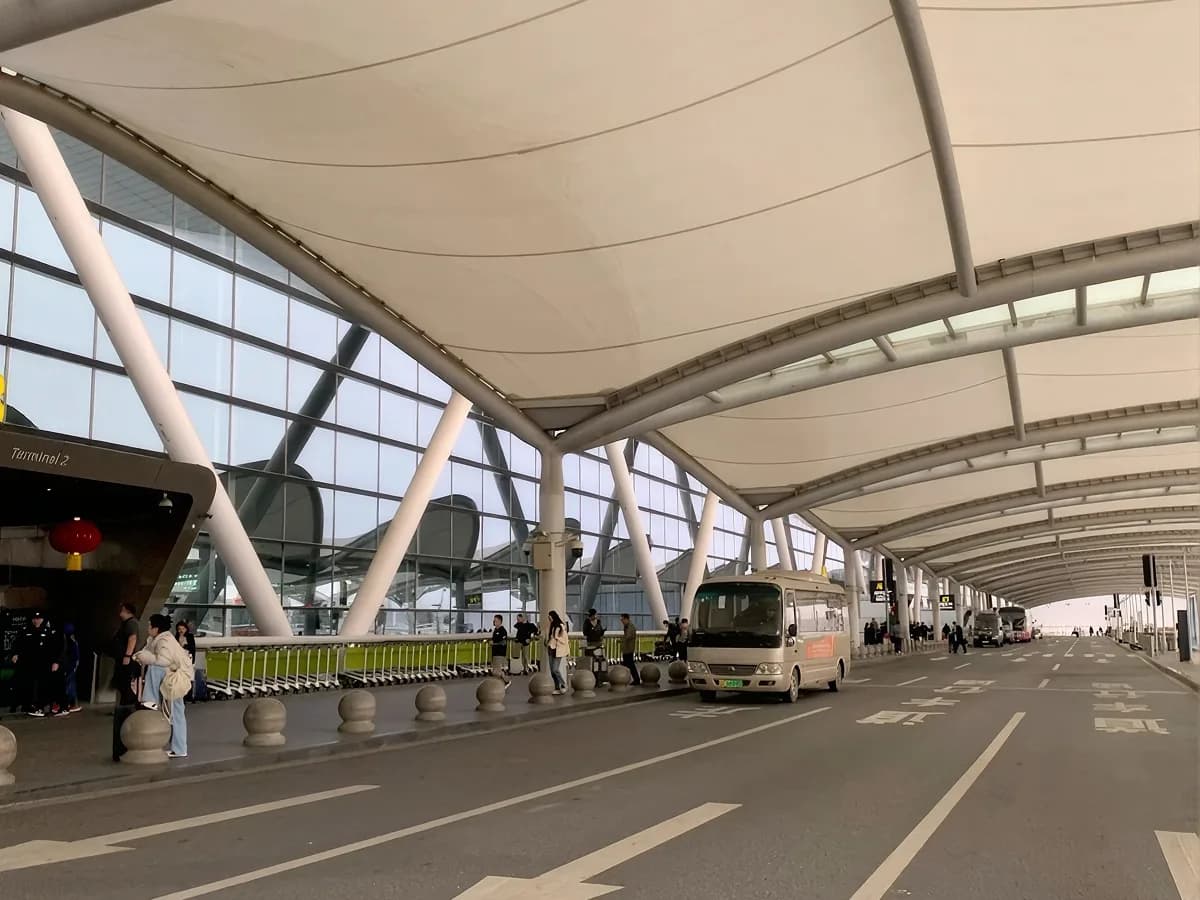
China eSIM for Tourists: Install Before You Fly, Keep Your Home SIM for Codes
An eSIM for China works for couples, families, or company groups traveling together—not for joining a packaged group tour. Airport SIM queues look convenient until you land tired and still need passport copies for a physical card. A China eSIM for tourists is usually faster if you install and activate it before departure—while your home number still receives bank and app verification texts.
The one rule: configure data on the eSIM, keep SMS on your home SIM when possible. Many payment and security steps still send codes to your home number.
eSIM vs Physical SIM: Which Fits Your Trip Length
- Under two weeks, one country: eSIM is often enough if you buy adequate data upfront.
- Long stays or heavy local calls: a mainland physical SIM from an official carrier shop can make sense—budget time for registration.
- Dual needs: eSIM for data plus home SIM for texts is the common hybrid.
Install Before Entering Mainland China
Most tourist eSIM profiles activate on a schedule or at first network attach. Install the profile on Wi‑Fi at home, confirm it shows in phone settings, and read the provider’s “do not delete this profile” warning. Do not wait until you are in a mainland arrival hall: that is when you need maps and messages to work already.
Dual-SIM Setup: Data on eSIM, SMS on Home Number
On supported iPhones and many Android devices:
- Assign mobile data to the China eSIM line.
- Keep your primary line active for voice/SMS if you still need verification codes.
- Turn off data roaming on the home line to avoid surprise charges.
- Test a map load and a messaging app before you leave the airport hall.

If your phone is single-SIM, plan verification steps before you swap—some travelers use email recovery or complete payment setup before flying.
How Much Data—and Which Route Type
Light use (maps, messaging, email): often 1–3 GB per week. Navigation plus photo uploads and video calls: plan higher. Many China tourist eSIMs route through Hong Kong or other hubs; “direct” mainland routing varies by provider. Compare coverage notes, not just price. Packages change—verify on the provider site and Apple or Google eSIM compatibility lists for your phone model.
Assume topping up inside mainland China may be difficult depending on provider and payment method. Buy enough data for the trip plus a buffer.
If You Land Without Data
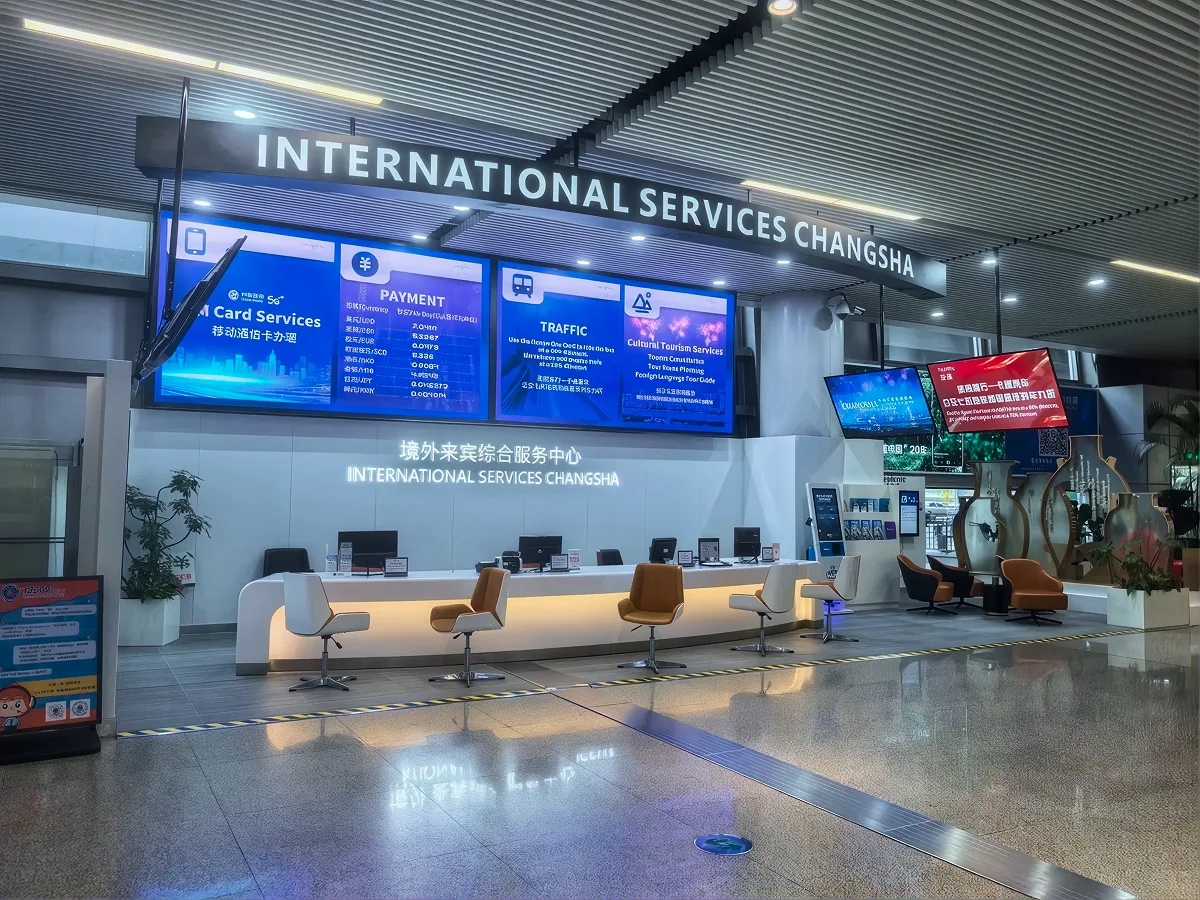
Some mainland arrival halls do have carrier or SIM desks after immigration. You can often buy a physical tourist SIM there with a passport—hours and stock vary by airport and terminal. Treat this as a fallback if the eSIM was not installed before you flew, not as the plan. Queues, real-name registration, and a tired first hour are why the default remains: set up the eSIM on home Wi‑Fi before departure.
When a Local SIM Still Makes Sense
Month-long stays, local phone calls to drivers or restaurants, or devices without eSIM hardware may still push you toward China Mobile, China Unicom, or China Telecom shops in the city. Do that when you have time, not as a substitute for a working eSIM on day one.
Pair With Payments and Packing
Data without payment setup still leaves you at the counter staring at a QR code. After connectivity, configure WeChat Pay and Alipay for foreigners. For adapters, power banks, and offline document copies, see what to pack for China. For arrival-day sequencing, see first-time travel in China.