Is China Safe to Travel? A Split Answer for Tourists
Yes: for a short leisure trip, China is a safe destination. Violent crime against visitors in major cities is uncommon. Families still need a clearer map of the remaining issues—crowds, e-bikes, payment apps, and medical cover—because search results swing between scare headlines and empty slogans. Neither helps you book. Treat street life, logistics, official advisories, and insurance as separate questions.
What “Safe” Means for a Short Tourist Trip
- Street and petty crime: pickpocketing and scooter traffic in crowded areas are the usual watchpoints—not random violence.
- Scams and overcharging: unofficial taxis, tea-house invitations, and “art student” detours—decline unsolicited tours; use hotel desks or booked transfers.
- Traffic: crosswalks and e-bike lanes need attention even when signals are green.
- Documentation: carry your passport or a secure copy; hotels register foreign guests—cooperate with registration rules.
Street-Level Safety: What Most Leisure Visitors Actually Face
Busy metro cities feel crowded, not hostile. Keep bags closed in markets, use official ride-hail apps or pre-booked cars at night if you are unsure, and agree taxi fares or use the meter before moving. Solo travelers and families report millions of uneventful days. The useful habits are boring: watch belongings, drink water in heat, skip illegal street gambling and unlicensed “special tours.”
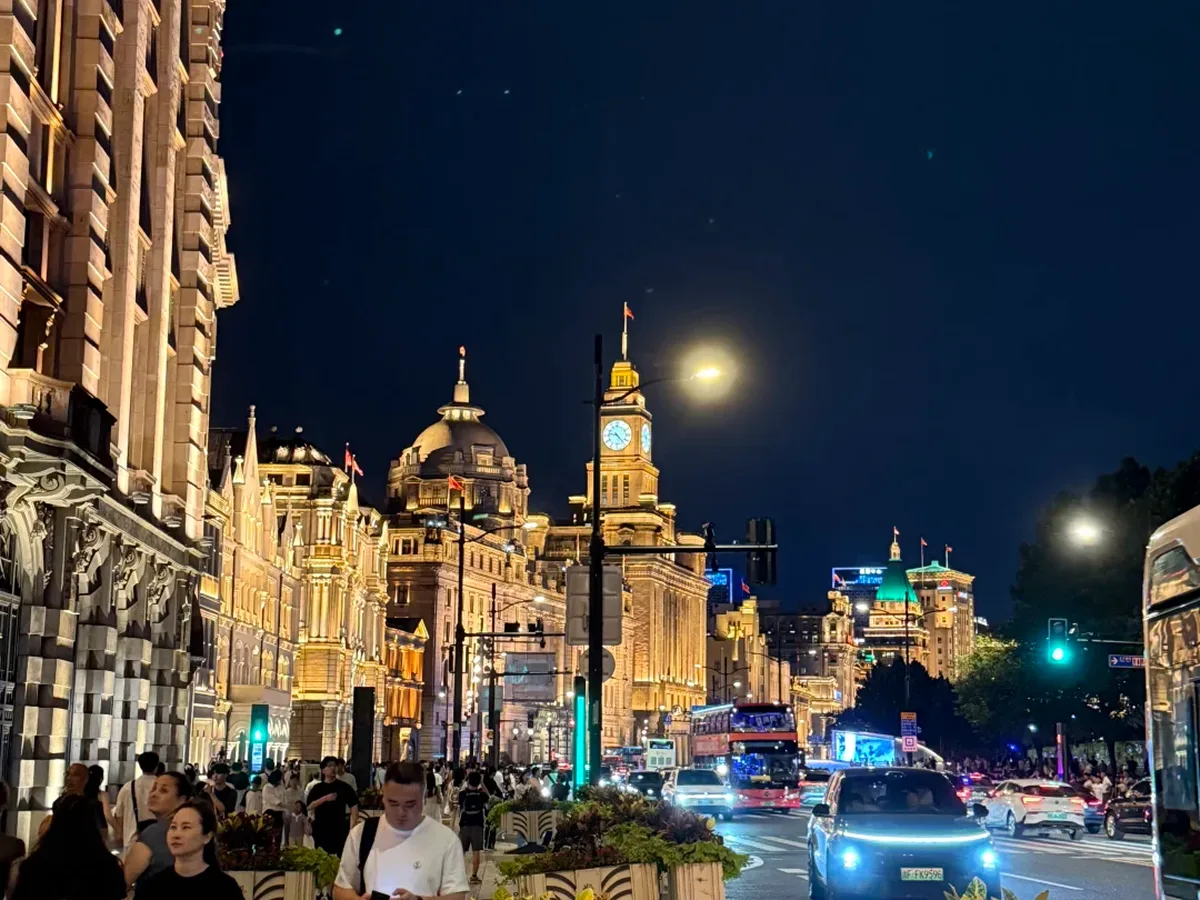
Several Chinese cities are known as sleepless cities. In Chongqing, Chengdu, Guangzhou, Wuhan, Changsha and others, streets stay busy well after midnight—people eating night snacks, sitting outdoors, walking home from work. That is ordinary urban life. Walk the same way you would in any busy city, and late hours are part of the trip, not a reason to stay indoors.

Paying, Moving, and Communicating Without Friction
Many “China is impossible” stories are logistics stories, not safety stories. Set up WeChat Pay, Alipay, maps offline, and a working SIM or eSIM before you treat every counter as a crisis. Language gaps are real; translation apps and a hotel card with your address in Chinese reduce stress more than vague fear. For myth-busting beyond safety, see China travel myths.
What Government Travel Advisories Actually Say
Official advisories change and are not the same as street-level risk. As of common public references used in travel planning, the U.S. Department of State has listed China at Level 2 (“Exercise Increased Caution”), often citing arbitrary enforcement and exit bans among other notes—not a blanket “do not travel” for tourism. The UK Foreign, Commonwealth & Development Office and other countries publish their own tiers and region-specific lines.
Your step: read your passport country’s current advisory before booking, and again before departure. This article is not legal advice and cannot replace those pages. It also does not cancel what you will see on the ground: ordinary, busy streets.
Travel Insurance and Medical Realities
Hospitals in major cities can treat foreigners; payment and language vary. Many home health plans do not pay Chinese providers directly. Buy China travel insurance with medical treatment and evacuation cover, keep policy numbers offline, and know whether your hotel can recommend English-capable clinics. Chronic conditions and altitude routes need extra planning—not fear, but honest pacing.
If You Still Feel Unsure
Start with well-connected cities, build buffer days, and use professional ground support for the first visit if that lowers the noise. Read first-time travel in China for arrival sequencing. If questions remain about a specific party profile or route, a scoped brief through contact beats scrolling more opinion threads.