Chinese Culture for Travelers: Five Lenses for Reading What You See on the Ground
Culture on the Ground Is Not a Textbook Chapter
When a traveler searches "chinese culture," the most useful result is not a summary of dynasties or a list of customs to observe. It is the article that helps the reader decode what is happening around them on a specific afternoon: why the host at a restaurant pours tea first for the oldest person at the table, why the guide leads the group through a side gate instead of the main entrance, why a temple courtyard is empty at noon when the guidebook says it is open, why a museum sells tickets in a window that closes at 11:30 and reopens at 14:00.
This page gives five working lenses. Each one resolves one category of confusion that a traveler faces on the ground. The goal is not a cultural survey — it is the start of reading.
One note on scope: this page covers the interpretive layer only. It does not cover dining etiquette step by step — the China dining etiquette page covers that in detail. It does not cover the full customs framework — the Chinese customs page covers that separately. What this page covers is the handful of observations that change how you read a room, a meal, a temple, or a market street on any given day in China.
Five Lenses That Travelers Actually Use
1. Occasion — what the setting expects of you
Chinese social settings are calibrated to an occasion. A restaurant, a temple, a business meeting, a family meal, a public park on a national holiday — each carries a different set of expectations about dress, volume, timing, and the order of moves.
The failure mode for travelers is applying the occasion logic of a Western restaurant or hotel to a Chinese context where the expectations are different. A banquet table is not a restaurant. A temple courtyard is not a park. A neighborhood wet market at 7 a.m. is not a supermarket.
The working rule: before entering a setting, read what the other people in it are doing with their bodies. The pace, the posture, the volume — these are a readable social signal in most Chinese contexts.
2. Face — what is being saved and what is being given
Face (mianzi, 面子) is the social credit of a situation. In practice, what it means on the ground is that public correction is costly, that praising someone publicly is a real gift, and that acknowledging a mistake directly can resolve a situation faster than explaining it away.
The face lens is most useful in two situations: when something goes wrong and you need it resolved quickly, and when you are being offered something — a gift, a seat, a recommendation — and you need to know how to receive it without causing discomfort.
For the first: a direct and calm acknowledgment of the problem, without blaming the other party, is the fastest repair. For the second: a brief pause and a verbal acknowledgment before accepting is the standard form.
3. Pace — the rhythm of the group, not the individual
China moves in group pace. Restaurant kitchens fire dishes when the table is complete, not when each person orders. Tour groups depart when the bus is full. Museums have timed entry slots. High-speed rail doors close at the scheduled departure time.
The traveler who reads pace adjusts accordingly: arrive before the group, finish eating before the table clears, be at the museum gate ten minutes before the reserved slot. This is not about being fast — it is about being synchronized.
Private ground changes the pace equation. A private car and guide run on your party's clock, not the group's. For multi-city corridors where group pace conflicts with the pace your party actually needs, private ground is the structural answer.
4. Sacred space — what the site expects
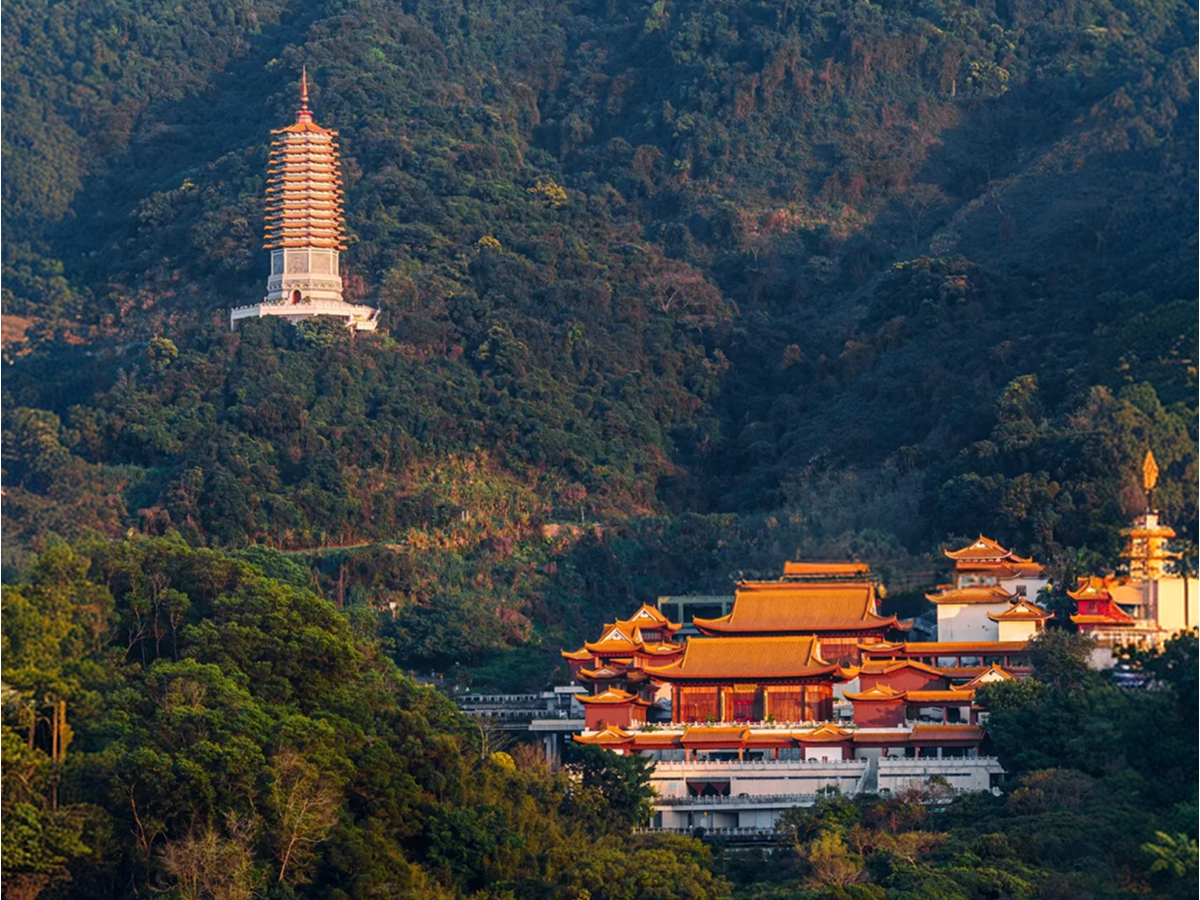
Temples, memorials, and religious sites in China operate on rules that are posted, enforced, and different from what a Western visitor's default assumptions are. Photography restrictions at Buddhist sites, footwear rules at Taoist temples, restrictions on offering food that apply to the visitor — these are site-specific and change without notice.
The working rule: when entering any site that is a working temple or a memorial rather than a pure museum, look for the signs before raising the camera. If there is a donation box or an incense stand, look for the attendant and ask quietly what the current arrangement is. The rules at Chinese sacred sites are genuine — not suggestions.
5. The table — how meals structure the trip
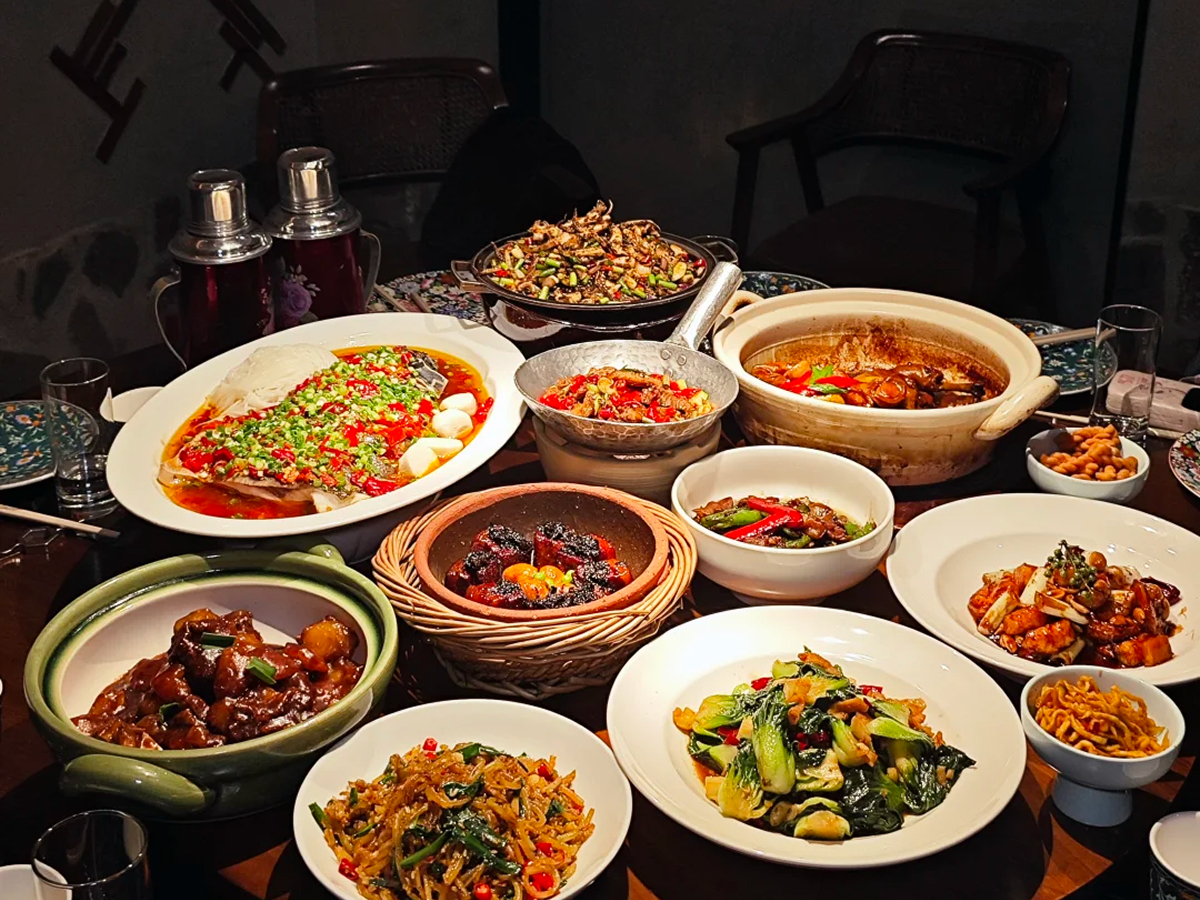
Meals in China are not a break from the trip. They are part of the itinerary. A banquet, a family meal, a working dinner, a dim sum session — each has a structure that shapes the evening. Shared dishes, the order of service, the seating arrangement — these carry social information that the traveler who reads it gains from.
The practical lens: when a private guide or a local host takes you to a meal, the food on the table is a statement about what the host wants you to understand about the place. Asking about the dish that is unfamiliar is an appropriate form of conversation at a Chinese meal. For the full dining mechanics — shared plates, toasting etiquette, the pace of a banquet — the China dining etiquette page covers the detailed rules.
How Much Culture Fits in One Day
The honest answer is: less than the itinerary lists. A full day of cultural site visits — temple in the morning, museum after lunch, historic district in the afternoon — saturates the information-processing window for most travelers by mid-afternoon. The museum that closes at 17:00 and the historic district that opens at 09:00 are not a full eight hours of cultural engagement. They are two separate activities with a lunch break between them.
The working rule for a first trip: one primary cultural site per day, with a secondary stop that does not require active decoding. A morning palace visit and an afternoon neighborhood walk is a full day. A morning temple and an afternoon tea house is a full day. A morning museum and an afternoon wet market is a full day.
Two examples where this structure works:
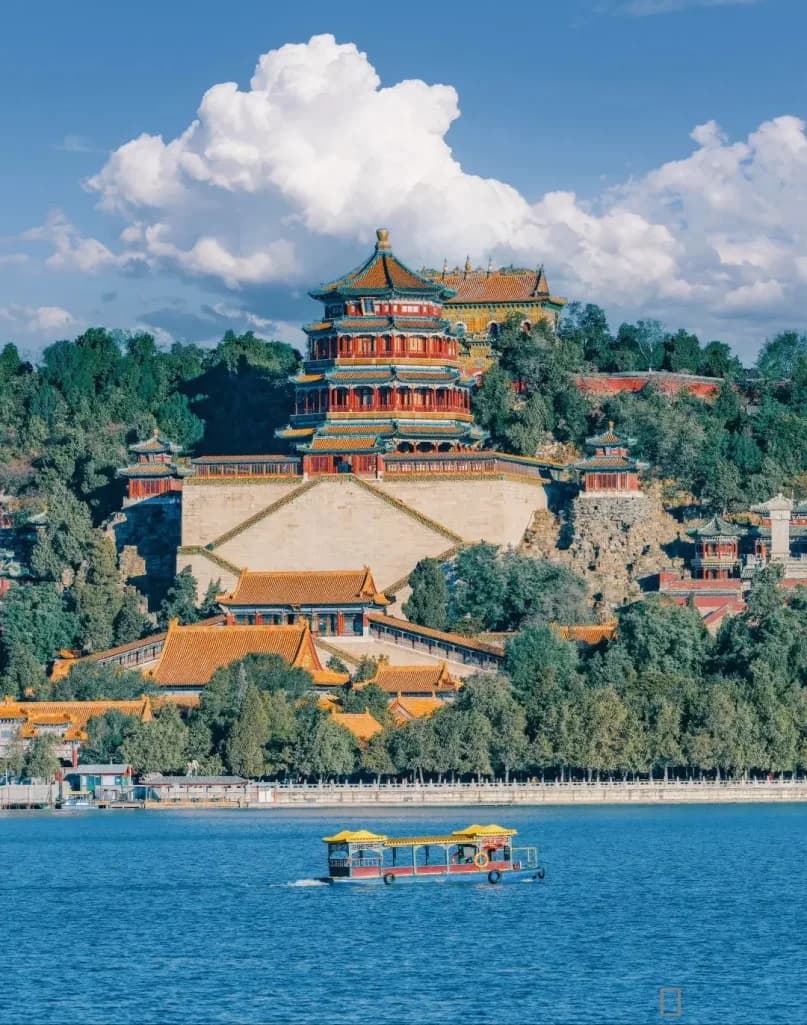
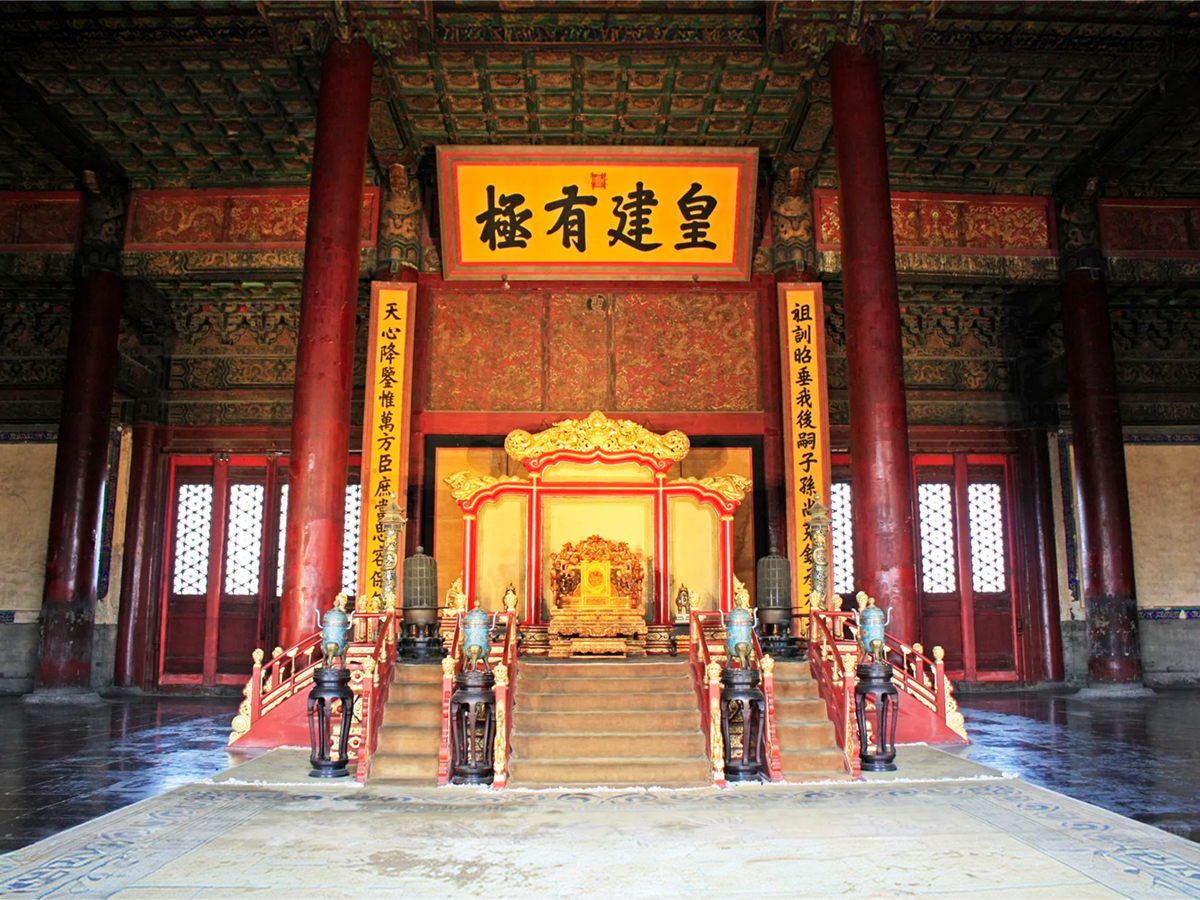
- Beijing four days. Day one covers arrival and light adjustment. Day two covers the palace and Tiananmen Square — the highest-density cultural visit on most first trips. Day three covers the Great Wall and the Summer Palace. Day four covers a lighter cultural stop and departs. This is not a cultural survey. It is the beginning of one.
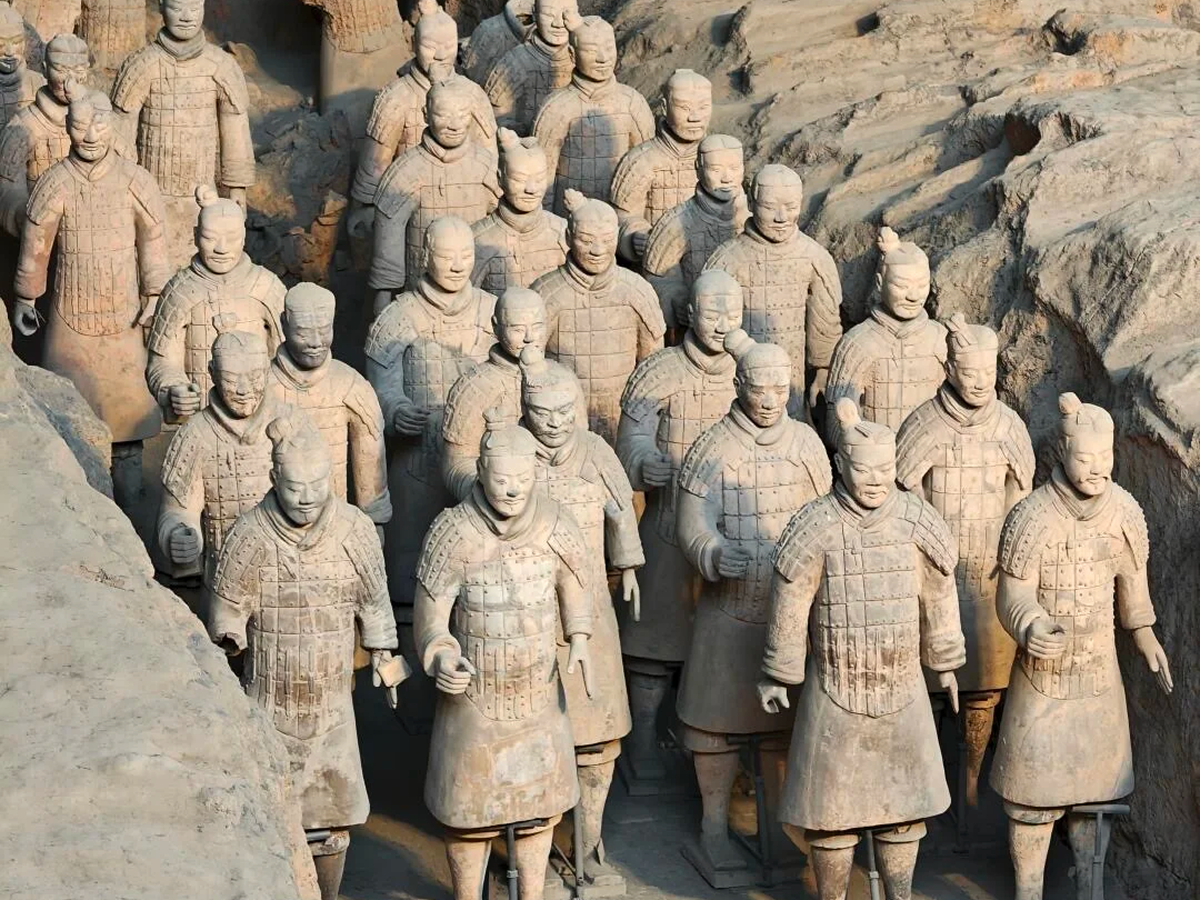
- Xi'an four days. Day one covers arrival and the city wall. Day two covers the Terracotta Warriors and the Shaanxi History Museum — the two highest-density visits in one corridor. Day three covers the Big Wild Goose Pagoda area and the Muslim Quarter. Day four departs. The pace here is faster than Beijing, but the number of distinct cultural registers is lower.
What a private guide adds in these corridors is the layer of context that the site alone does not carry: the reason the temple gate faces east, the name of the architectural feature that the signs describe but do not explain, the history behind the object in the museum display that the placard abbreviates. This is the difference between reading the menu and understanding the kitchen.
Where TravelToQin Can Help
We match private guides to cultural corridors for travelers who are already arriving with specific interests — palace architecture, Chinese tea culture, the history of a specific dynasty, the food traditions of a specific province. If you know what you are interested in and you know how many nights you have, we build the cultural layer into the day shape without replacing it with a souvenir stop or a scripted cultural performance.
The five lenses on this page are not a checklist. They are the start of reading. The next step is to bring your specific interest and your arrival date, and we will tell you which guides and which sites fit inside the window.