Chinese Customs for Travelers: What Actually Matters Before You Land
Chinese customs guides often read like holiday encyclopedias—readers flying next week need scene cards, not a full calendar of folk festivals. Customs here means habits that reduce friction: how to enter a temple courtyard, what to skip when gifting, when to ask before a photo. This page is the map; depth lives in linked guides on dining, travel etiquette, tea, and payments.
Customs vs Etiquette on This Site — Start Here
- This page: cross-scene overview for visitors—airport, temples, meals, photos.
- China travel etiquette: tipping, queues, temples, and public behavior in depth.
- China dining etiquette: banquet seating, toasts, chopsticks, and host-guest flow.
- Chinese tea culture: tea service context when invitations extend beyond a restaurant meal.
Read the scene you face tomorrow—not the whole cluster in one sitting.
At the Airport, Hotel, and First Taxi
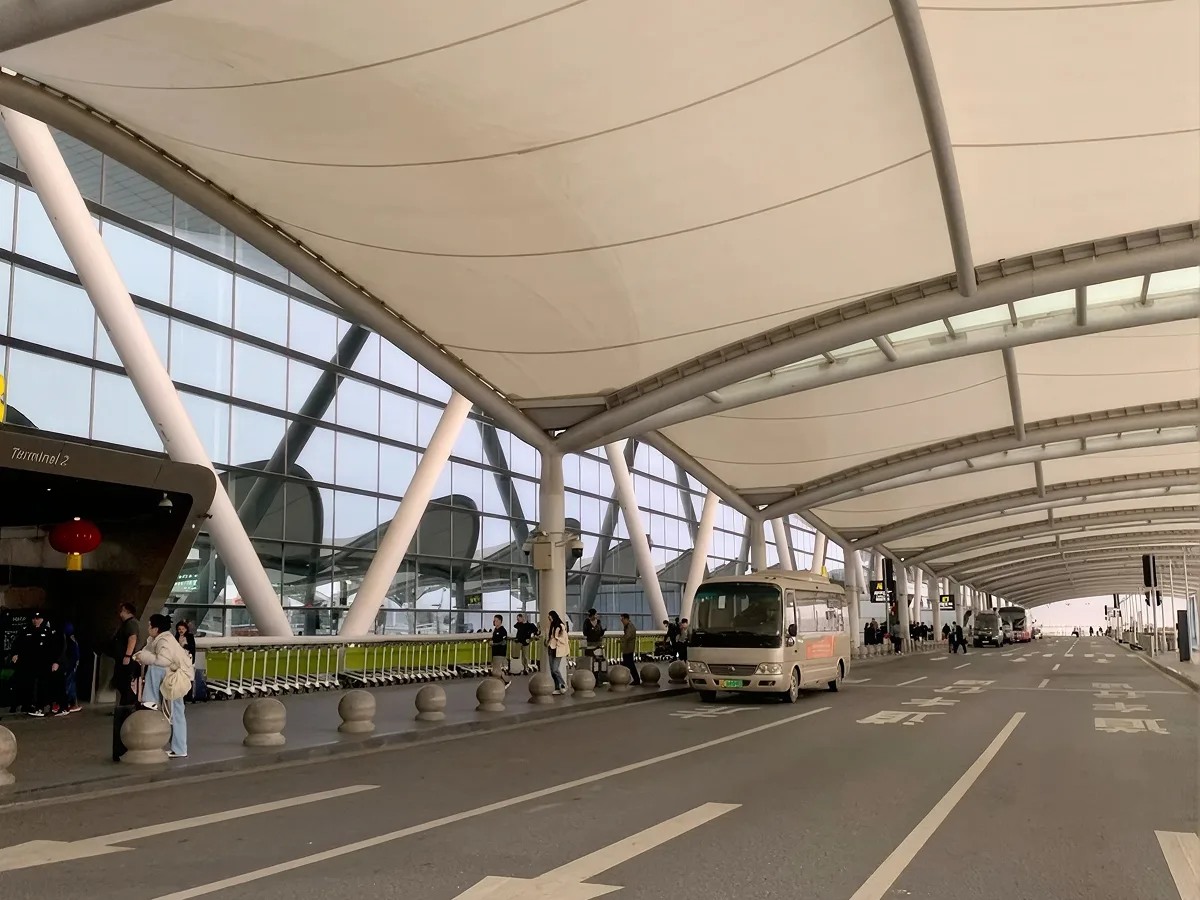
- Passport and hotel registration: hotels register foreign guests with passport scans—cooperate at check-in; keep the registration slip if staff provide one.
- Tipping: mainland China is not a broad tipping culture for taxis or routine dining—see travel etiquette for exceptions at high-end hotels.
- Photography: avoid shooting immigration counters, military installations, or airport security areas—when unsure, ask or put the camera away.
- First taxi ride: have your hotel address in Chinese characters on your phone; seatbelts where fitted; pay by meter or agreed app fare.
Temples, Memorial Sites, and Quiet Spaces

- Dress: shoulders and knees covered in active religious sites when signs request it—carry a light layer in shoulder seasons.
- Volume: lower voice in halls; phones on silent; step aside for worshippers.
- Incense and offerings: follow posted signs; do not photograph private rituals without clear permission.
- Memorial sites: behave with higher solemnity than a casual temple visit—no posed jokes at monuments.
Specific monasteries post their own rules—this is baseline respect, not a claim of one national ritual.
Gifts, Banquets, and Business-Style Meals
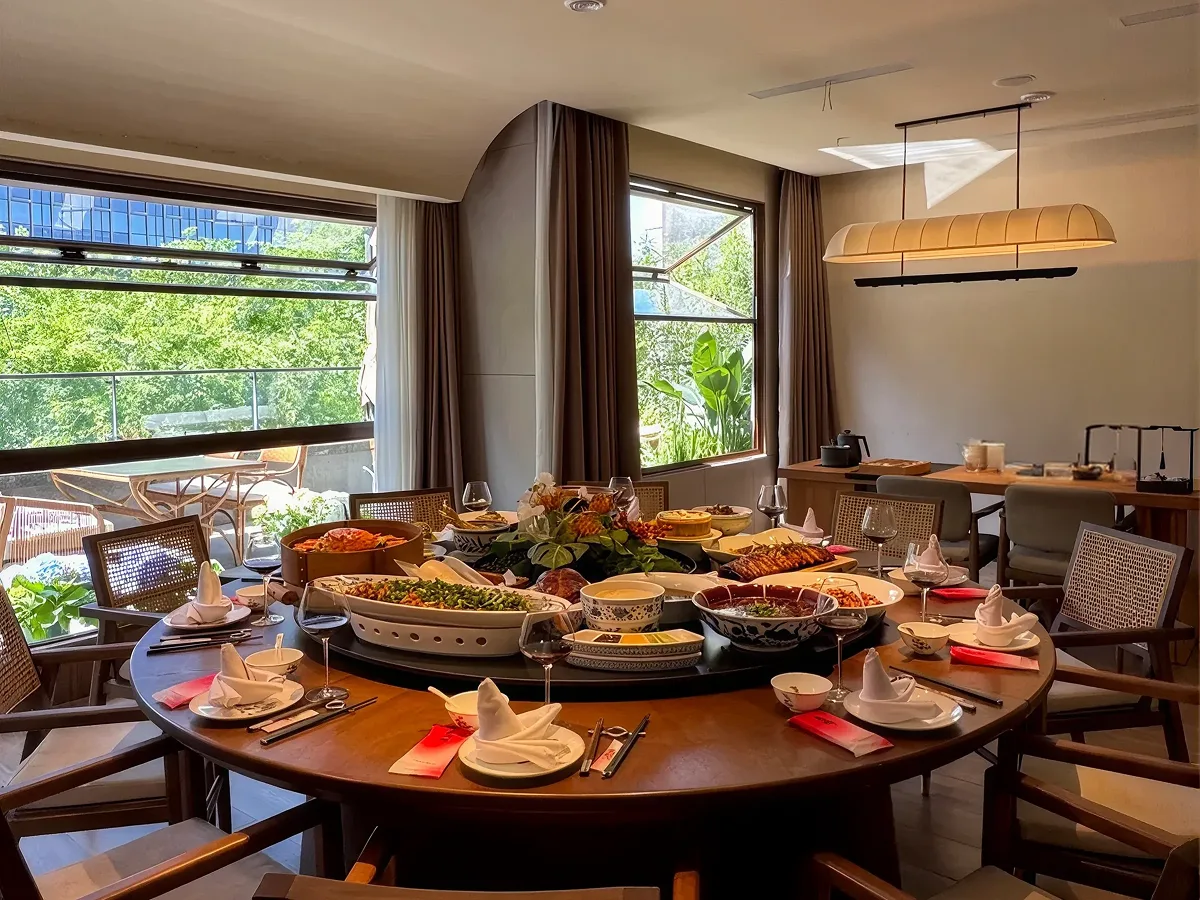
- Common gift taboos (not absolute): clocks (time/end associations in some contexts), sharp objects as gifts to close friends, white chrysanthemums for celebratory visits—when in doubt, ask your host or bring a modest regional specialty.
- Banquet flow: wait for the host to invite the first toast or first shared dish; do not finish a shared plate alone.
- Depth: seating order and toast language sit in China dining etiquette.
- Food experiences: market walks and hosted meals with context appear on private China food tour style days—still your private party, not a group departure.
Photos, Drones, and Social Media
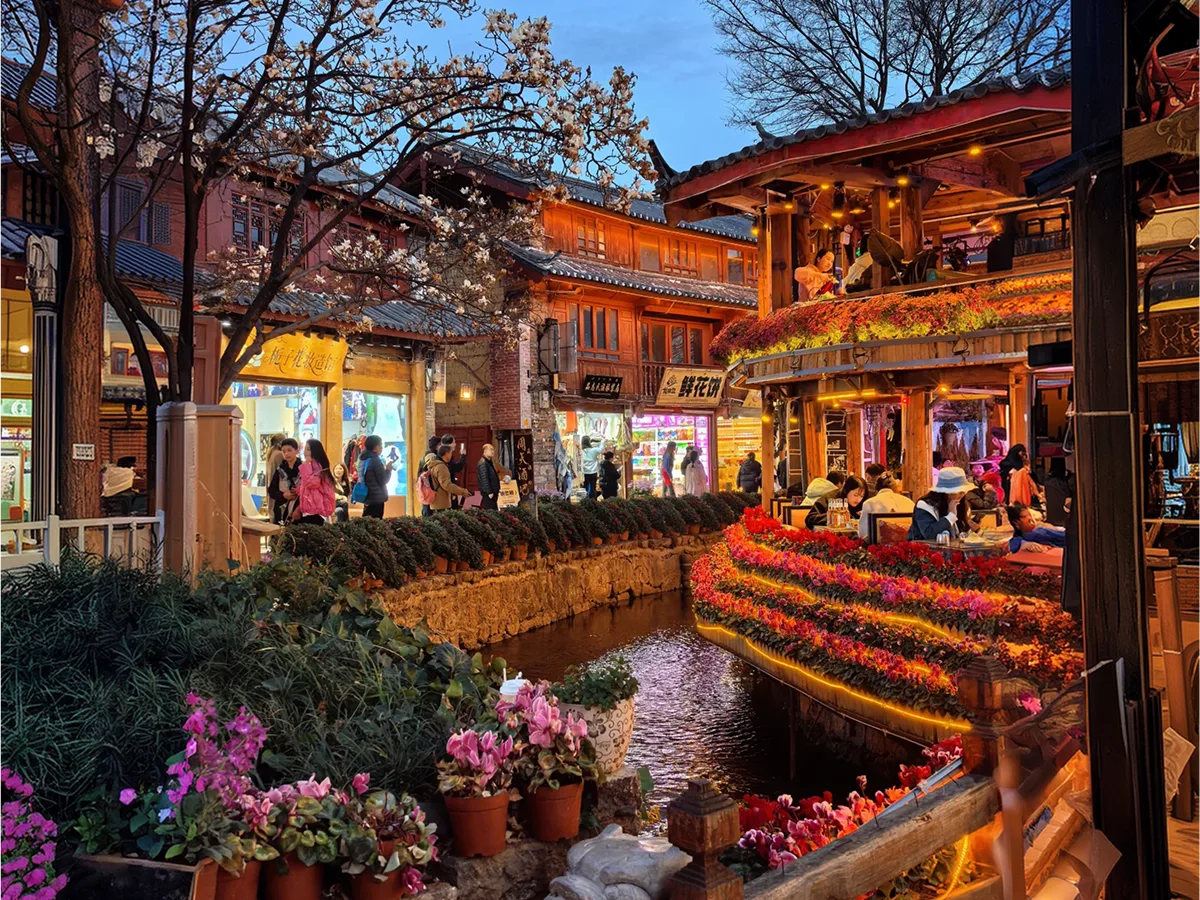
- People: ask before close portraits—especially elders and children.
- Drones: many scenic and urban zones restrict flight; obey posted signs and registration rules—do not assume a tourist area allows launch.
- Social media: avoid posting sensitive locations or security lines; blur strangers if platforms require consent in your home country.
When You Will Get It Wrong — and How to Recover
You will misread a toast cue or enter a hall with your hat on. A brief apology and correction beats pretending you meant it. Most hosts forgive visible effort—slow down, mirror locals, ask in plain language. Learning posture matters more than performing expertise.
Before You Travel: A Six-Item Carry List
- Temple layer: scarf or light trousers for unexpected religious sites.
- Gift check: avoid clock and sharp-symbol gifts to new hosts; prefer food or regional crafts.
- Dining defer: read the dining etiquette guide once—know when to wait for the host.
- Photo habit: ask first; no shots in security or military zones.
- Tipping reset: default to no tip unless a venue clearly expects service charges.
- Payments: set up WeChat Pay for foreigners or backup cash for vendors without card readers.
Carry the list on your phone—not as a culture exam, as friction insurance.