Hunan Food: Dry Heat First, Not Peppercorn Numb
The word Hunan on a menu, a takeout box, or a Google search tends to arrive already contaminated. Most English-language “Hunan” restaurants abroad serve a one-note chili-brown sauce; most blog posts reach for the numb-numb label that actually belongs to a different province. The real kitchen in Changsha, Hengyang, or a small Xiang river town does something else first.
It hits with dry heat. Chili pods fried dark, smoke from a wok that's been on since lunch, fermented black beans, a streak of fresh garlic. The peppercorn that tingles the lips is rare. If your mouth goes numb in a Hunan restaurant in Hunan, the kitchen is either pandering to outsiders or borrowing from a neighboring province.
The first flavor is fragrance, not pain
Xiang cuisine (湘菜, Xiāng cài) is one of China's eight culinary traditions. Three things separate it from Sichuan cooking (川菜, Chuān cài, the numb-and-spicy neighbor) and from Cantonese cooking (粤菜, Yuè cài, the south-coast fresh approach).
- Heat comes from chili, not peppercorn. Sichuan uses Sichuan peppercorn (花椒, huājiāo), a dried berry that creates a buzzing numbness on the lips. Hunan uses fresh and dried chili in volume. Smoke, blistering, and chili oil are the heat, not anaesthesia.
- Smoking and curing are common. Smoked pork, cured ribs, and jarred preserved vegetables (坛子菜, tánzi cài) are pantry items in a Hunan kitchen. The flavor layer underneath a heavy chili dish often comes from something that's been aging for months.
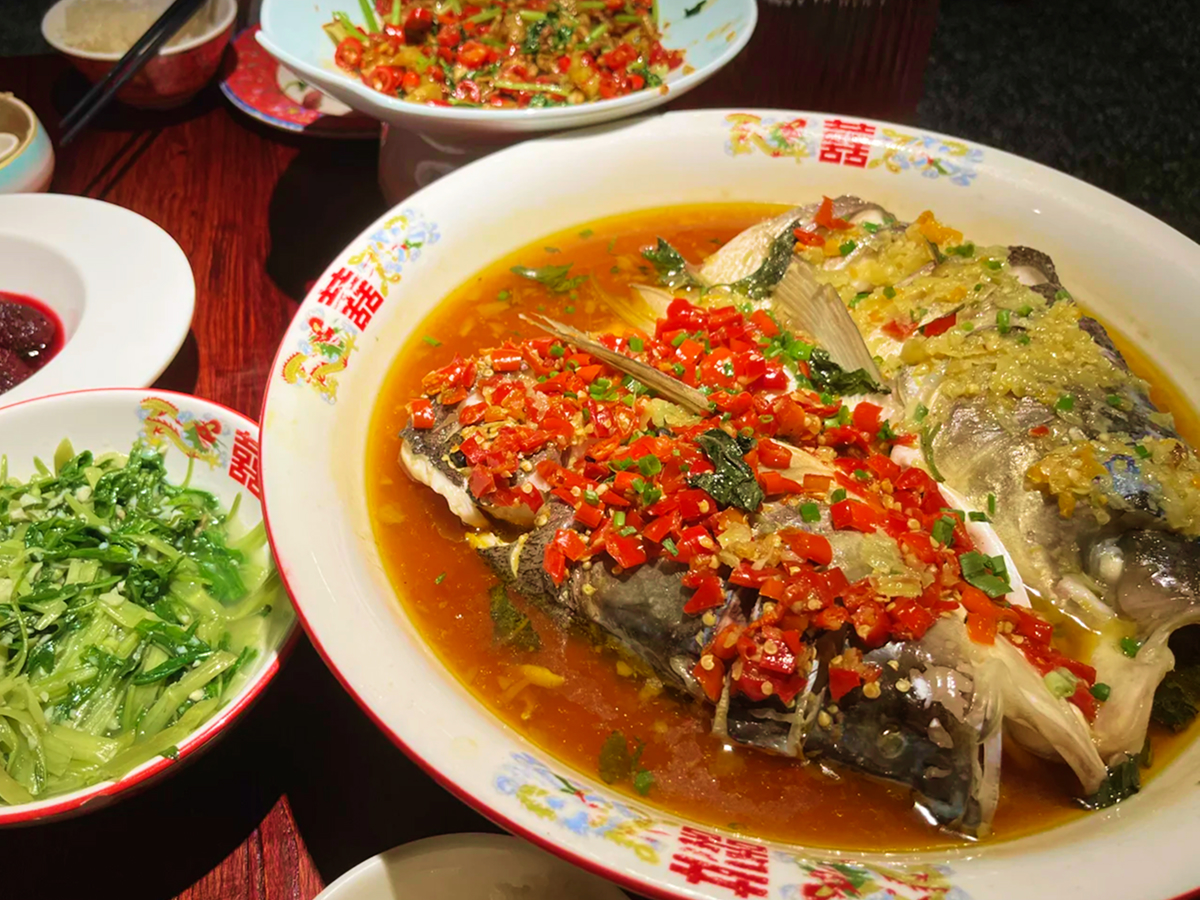
- Oil and texture matter. A dish like chopped-chili steamed fish head (剁椒鱼头, duòjiāo yútóu) is a wet, glossy flood of fermented chili. A dish like Yongzhou blood duck (永州血鸭, Yǒngzhōu xuè yā) is dry-tossed, almost lacquered. The two use the same chili heat in opposite textures.
Two or three benchmark dishes will let you read a menu on day one.
Four dishes to use as a baseline
You won't see all of these outside Changsha. If your hotel cook or a local host can do them properly, the kitchen is the real thing.
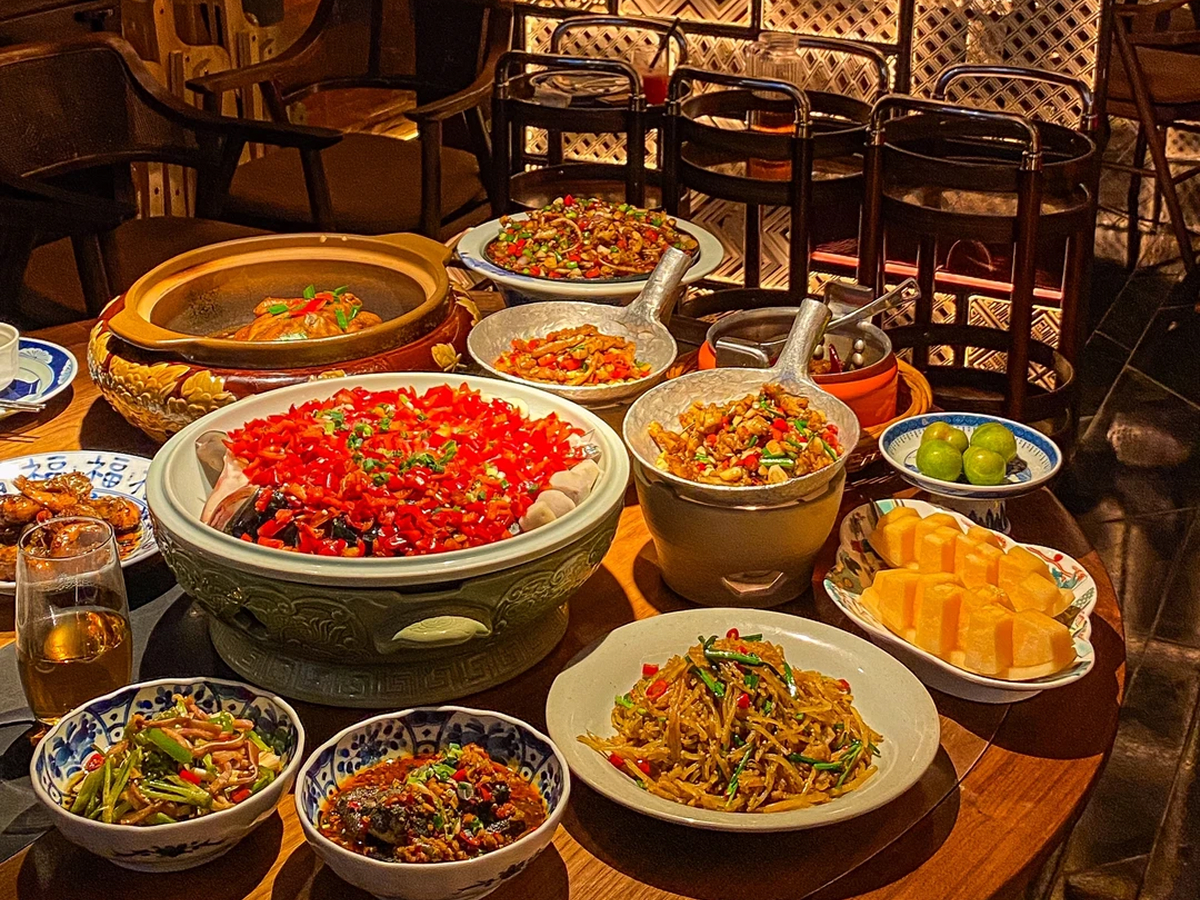
- Chopped-chili steamed fish head (剁椒鱼头, duòjiāo yútóu) — Steamed fish head buried under chopped red and white fermented chili. The white is from a different pepper, milder, slightly sour. Eat with rice to soak up the broth.
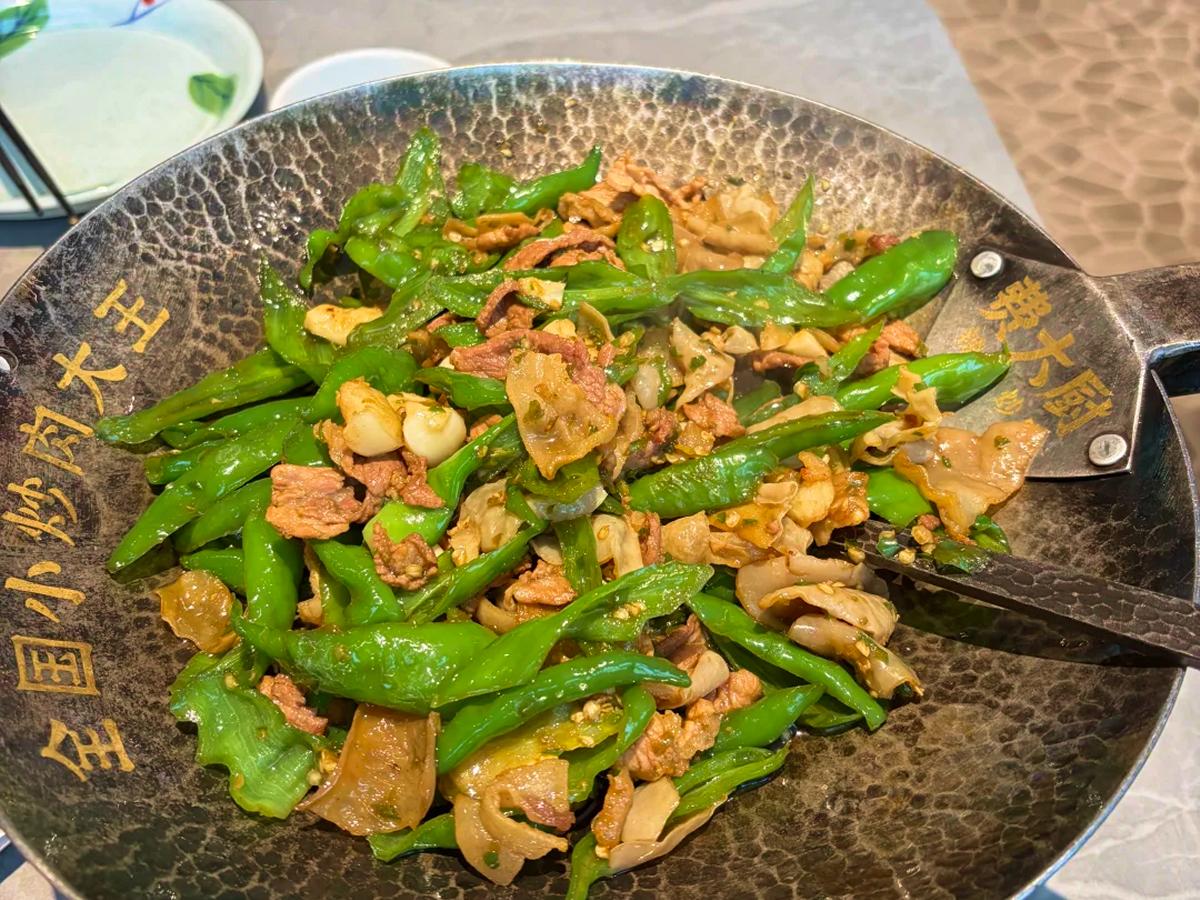
- Stir-fried pork with chili (辣椒炒肉, làjiāo chǎo ròu) — A wok dish of green chili and pork, often with fermented black beans. This is the most common lunch in Hunan. If the pork is dry and curled at the edges, the smoke is right.
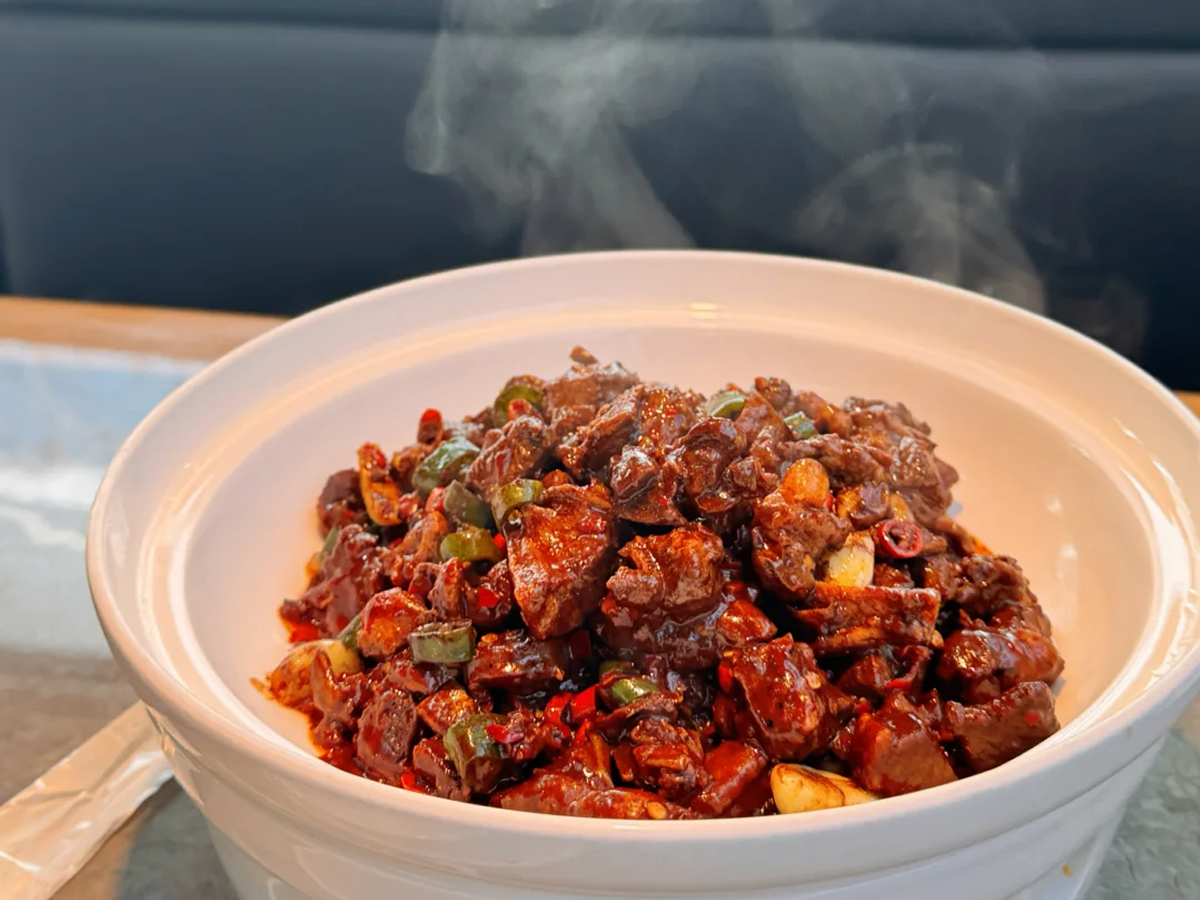
- Yongzhou blood duck (永州血鸭, Yǒngzhōu xuè yā) — Yongzhou's diced duck, tossed with chili and congealed duck blood. The blood binds the sauce to the meat. Less common outside its hometown.
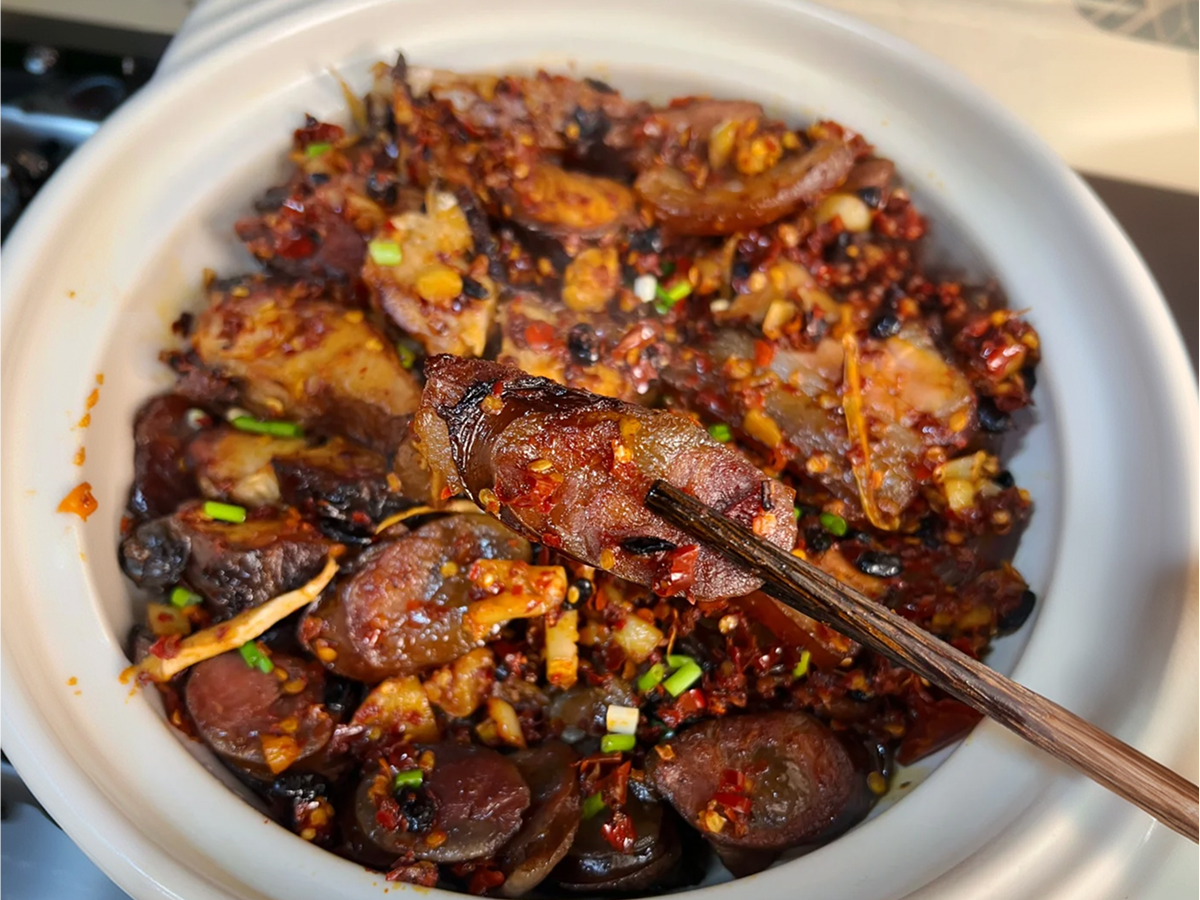
- Steamed cured meats (腊味合蒸, làwèi hézhēng) — A steamer bowl layering cured pork, cured fish, smoked duck, and chili. Multiple meats, one dish. Almost always lunch.
If you want to start somewhere safer, Sichuan food sits next door and uses many of the same vegetables without the dry-smoke layer.
Brief the kitchen before you order
Default Hunan menus at restaurants catering to travelers will lean one of two ways: “Hunan-flavored” for outsiders (tamed), or the house-menu locals eat (severe). If you have a low spice tolerance, write your brief down. Showing the room manager a sentence in English will produce a different dish than saying “not too spicy” at the door.
A short written note covers most problems:
- Spice level: mild / medium / hot / house standard. House standard in Hunan is what outsiders call hot.
- Allergens or restrictions: pork-free, no offal, no blood dishes, no cured meats, gluten-free, vegetarian.
- Style preference: dry-wok / red-burn / smoked. These are three different kitchens, not a heat dial.
Cured and smoked dishes remain unsafe for pregnant travelers regardless of spice level; fermented vegetables and chili oil will not cook off the risk. If a guide offers to order for your group, hand them the written brief rather than relying on translation in the moment.
What to skip on physically demanding days
Heavy chili at night follows travelers the next morning. On a Zhangjiajie leg day (Tianmen Mountain cable car to the summit, 99-bend road, Glass Bridge) or a long Beijing wall day, the evening meal is the place to ease off. A clear broth with rice and a small plate of stir-fried greens will let you start the next morning on your feet.
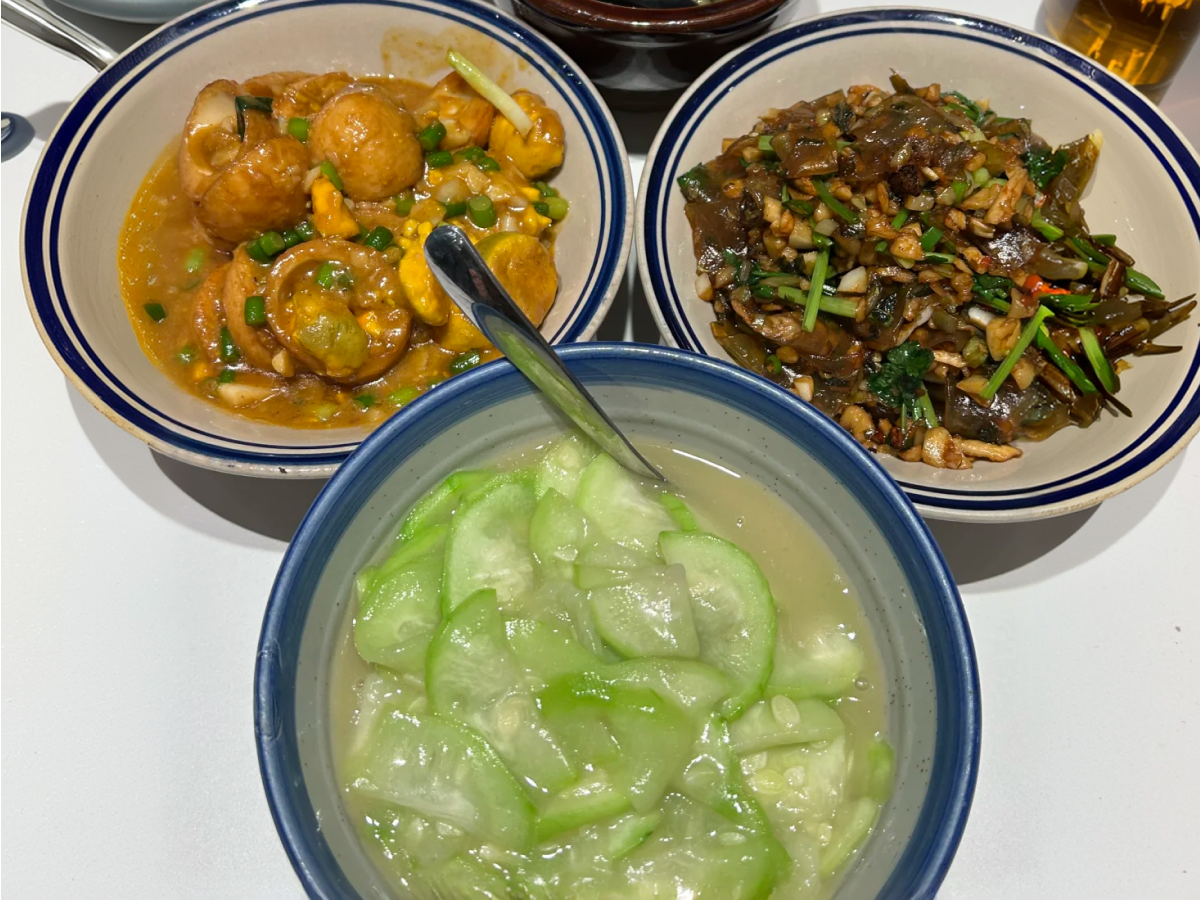
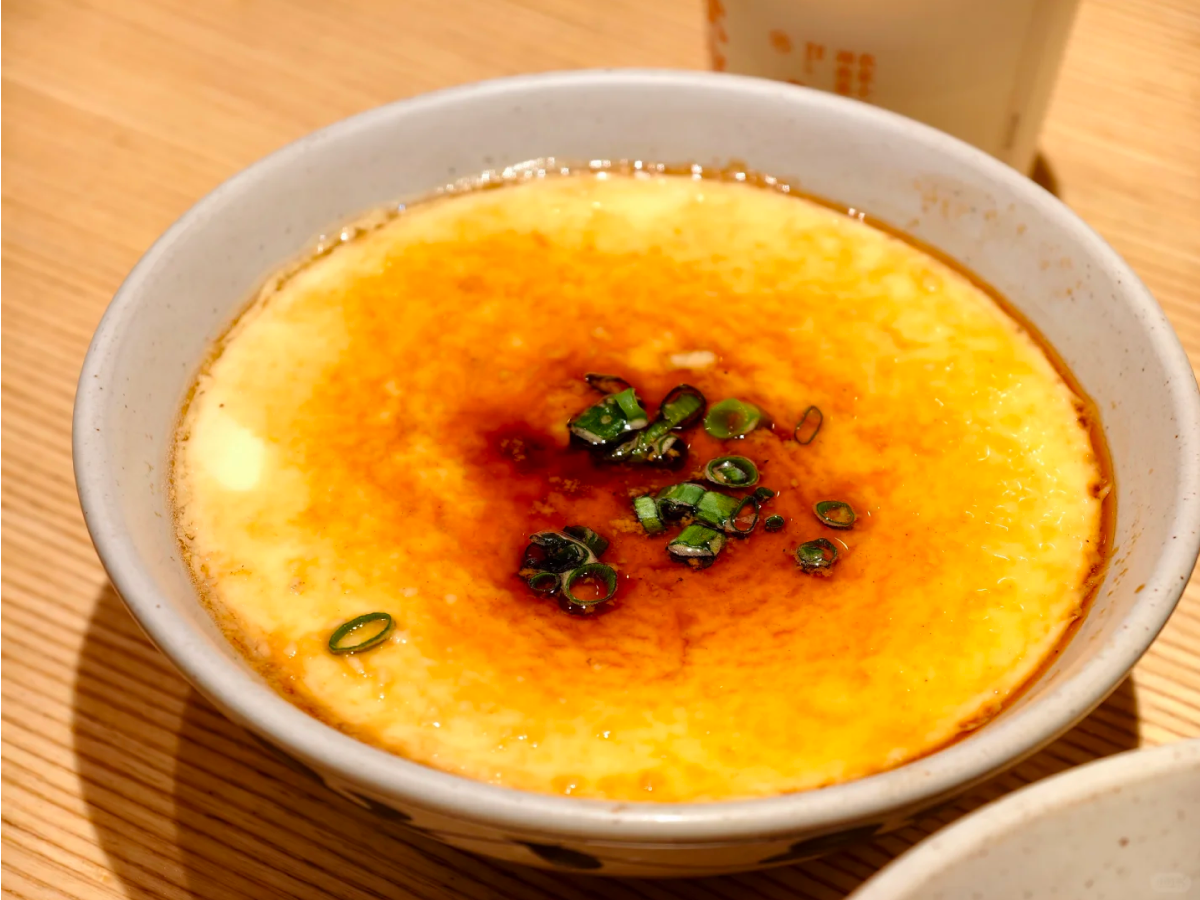
A “light Hunan” dinner still means chili, just less oil and no cured meat. Ask for lighter, please (清淡一点, qīngdàn yīdiǎn) and stick with stir-fried greens, a clear or tomato-based soup, steamed rice, or steamed egg (蒸蛋, zhēng dàn). China dining etiquette basics are the same as elsewhere; the only nuance here is that pouring tea for your companions is the small ritual that opens the kitchen to a milder request.
Outside Changsha, where the dish still belongs
Changsha is the easy base for a first meal. A private group traveling through Chongqing into Zhangjiajie will hit a better version of stir-fried pork with chili (辣椒炒肉, làjiāo chǎo ròu) in a small Xiangxi town than in a Changsha hotel restaurant. Hengyang is the second city of the cuisine. Western Hunan mountain towns smoke their own meat; southern Hunan runs hotter and uses more preserved mustard greens (小梅菜, xiǎo méicài).
If your route is national — first trip, two-week corridor — Hunan is best absorbed as one of several provinces, not as a destination in itself. A private food itinerary built around stops at Changsha and a Xiangxi village will give you a truer read on the kitchen than a week in any single city.
Where TravelToQin can help, and where the line sits
On a Hunan leg of your private tour, our driver and guide can brief the kitchen in writing before you arrive, handle translation if the brief isn't enough, and adjust the order for travelers who can't take the heat on a physical day. We can also pre-screen restaurants against allergy notes.
What we don't do: guarantee a certain spice level (“house standard” is still severe for most first-time visitors), promise any dish is “authentic” against an absolute measure, or rearrange the next morning's start time to absorb a chili-heavy night. Spice is a kitchen decision, not a tour-operator override.
Quick reference
- Heat source: chili and smoke, not peppercorn
- Baseline dishes to recognize: chopped-chili steamed fish head (剁椒鱼头), stir-fried pork with chili (辣椒炒肉), Yongzhou blood duck (永州血鸭), steamed cured meats (腊味合蒸)
- Standard mild brief: a little chili, not too hot (微辣 / 不太辣, wēi là / bú tài là)
- On leg days: a clear broth, steamed rice, stir-fried greens
- Pregnant travelers: skip cured and smoked items regardless of chili level
- Always confirm opening status, allergy practices, and reservation needs with the restaurant directly