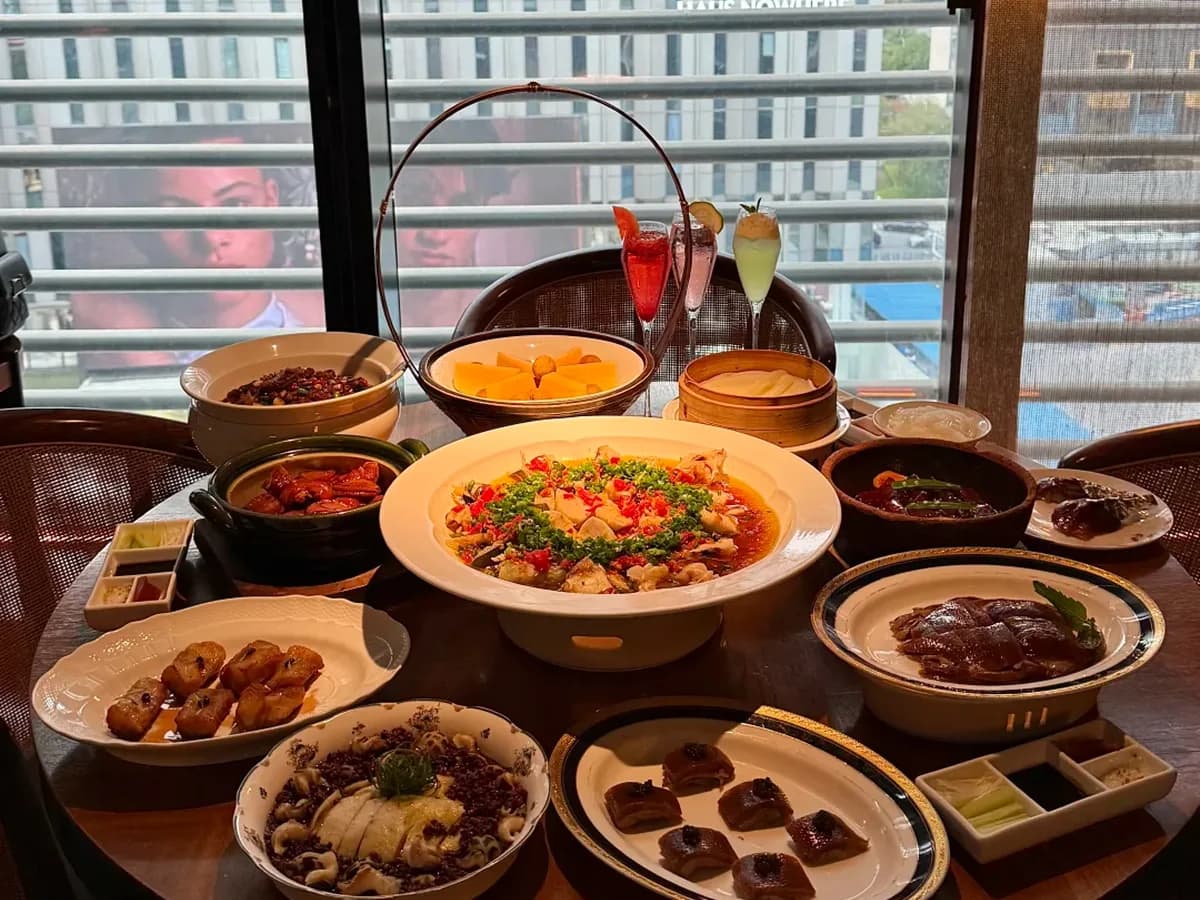
Chinese Sichuan Food: Numbing Is Not the Same as Heat
American “Szechuan” is often a chili-sweet stir-fry. In Chengdu, Chinese Sichuan food usually hits the mouth as numbing first — Sichuan peppercorn — and chili heat second. A dish marked mild can still tingle. Kung Pao chicken from a North American menu is not a briefing for a Chengdu kitchen.
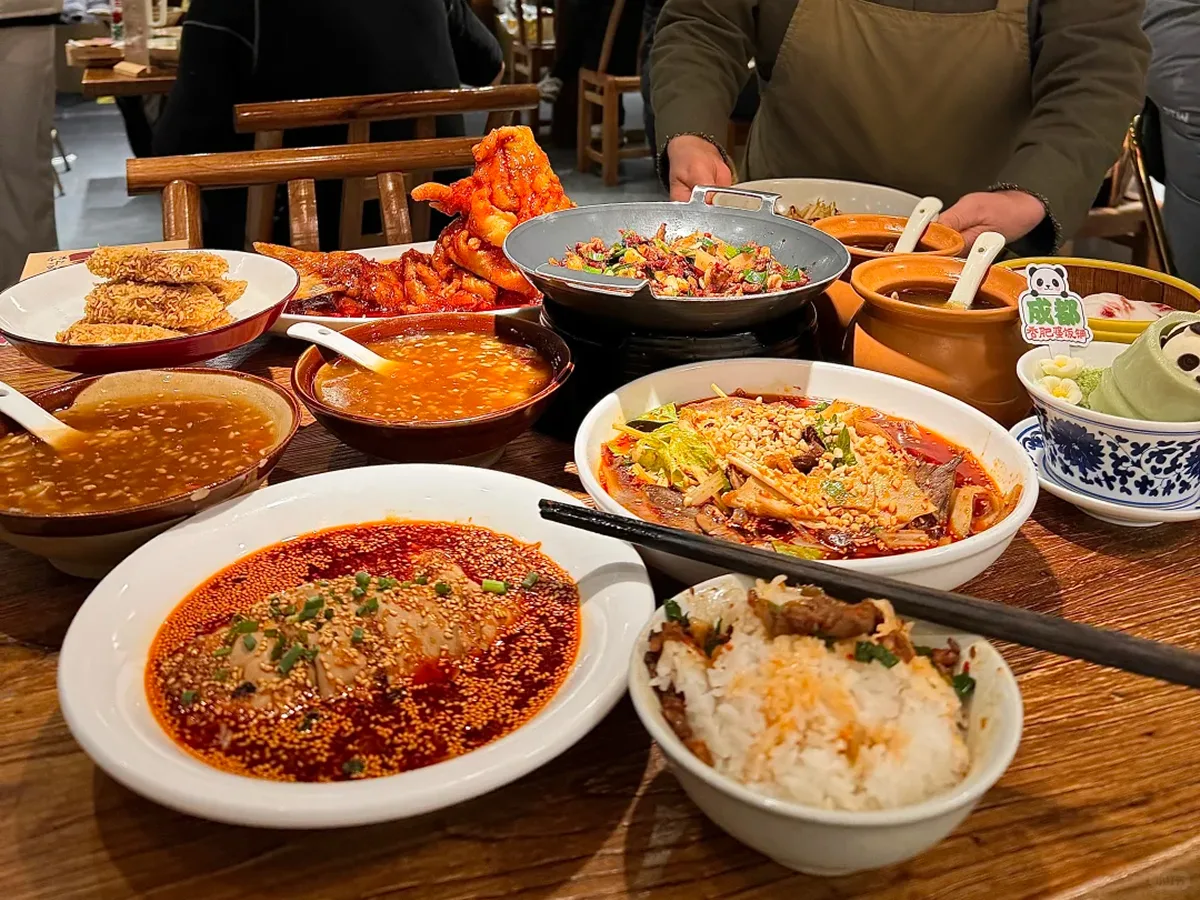
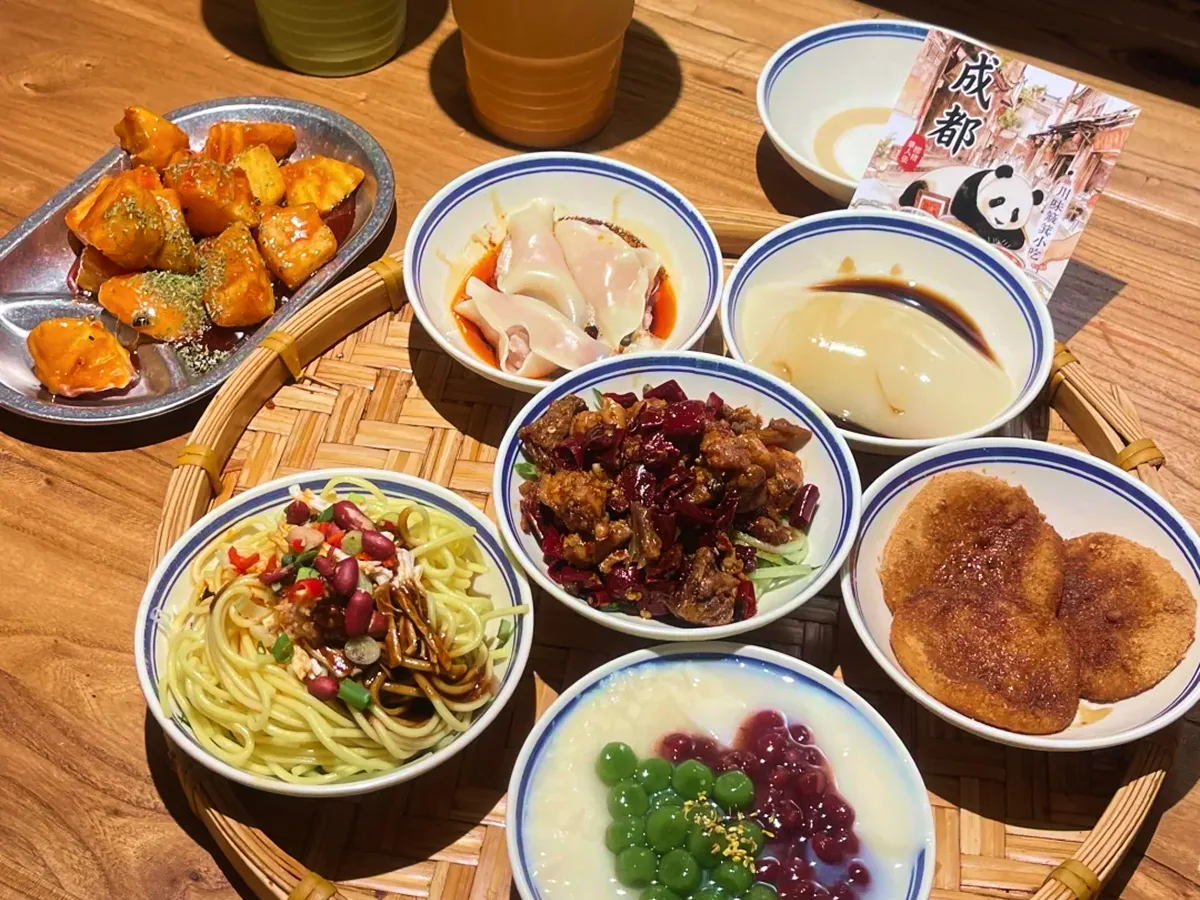
Numbing Is Not the Same as Chili Heat
Peppercorn numbing (ma) and chili burn (la) are two levers. You can ask for one, both, or neither. A “little spicy” plate may still be heavy on peppercorn. Yuanyang — a pot split into spicy and clear broth — is a hot-pot tool. It does not split every stir-fry on the table in half.
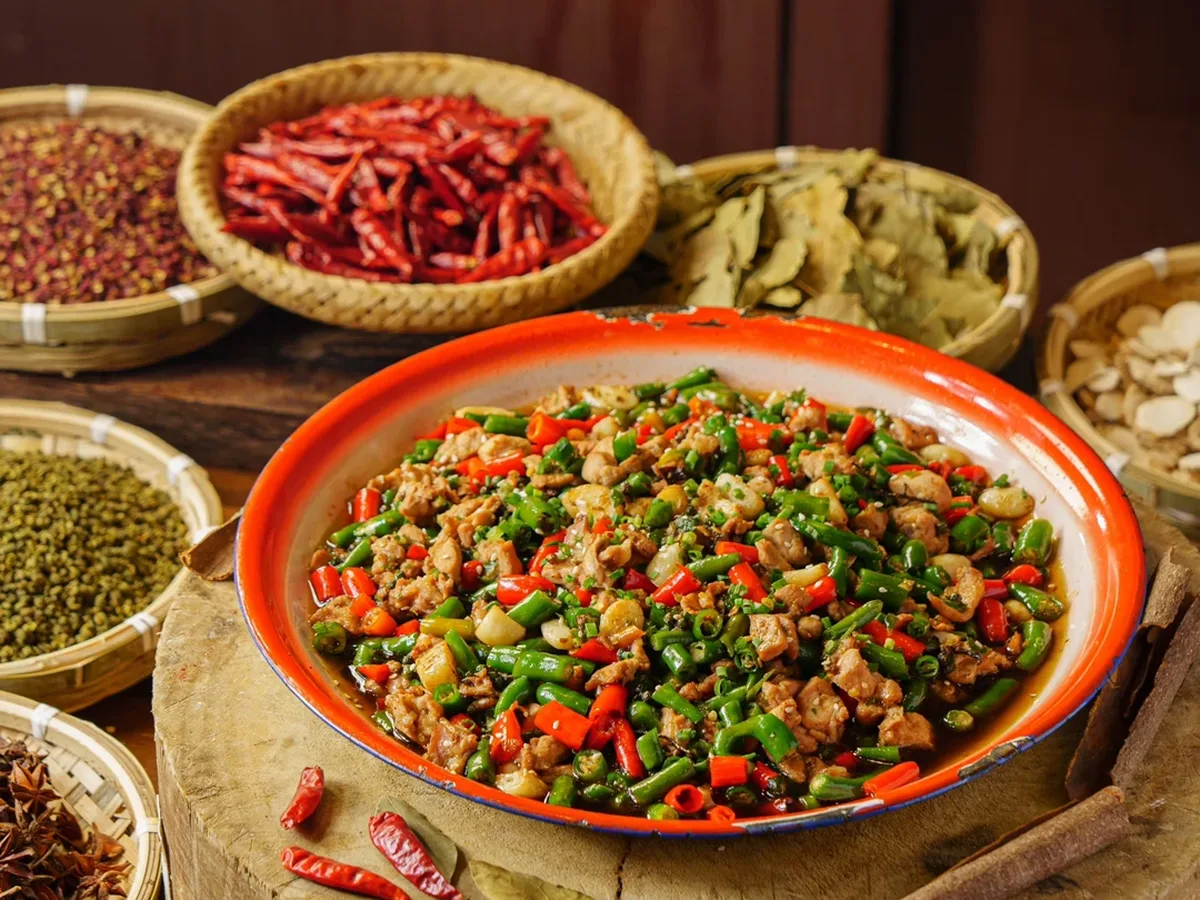
Offal, tripe, and rabbit appear on many menus. They are optional. If you do not want them, name the category before the first plate. “Not too spicy” is how kitchens still pour chili oil.
Brief the Kitchen Before You Sit
Write the brief, don’t only say it: peppercorn is fine / chili only a little / clear and not numbing; no offal. Children and older travelers should get a separate mild table for the first Chengdu dinner rather than “they will adapt.” Each restaurant calibrates heat differently. We cannot promise that “mild” will be mild.
How a shared turntable and serving chopsticks work is China dining etiquette. This page will not reprint banquet rules.
The Panda-and-Weir Day Is the Wrong Night for a Heavy Pot
On the Chengdu 3D2N module, day 1 is People’s Park, a teahouse with face-changing opera, Jinli for a snack bite, then a recommended sit-down dinner. The teahouse is sitting, not a second mala meal. Jinli is a few bites; dinner is still a restaurant booking. Day 2 is the city panda breeding base in the morning and Dujiangyan in the afternoon — walking, a drive, then a recommended dinner. That night is a poor place for a two-hour heavy hot pot. The four-day line still pairs panda and the weir on one day after an arrival night. If you want the pot, add a night after that pairing; the standard day block does not include it.
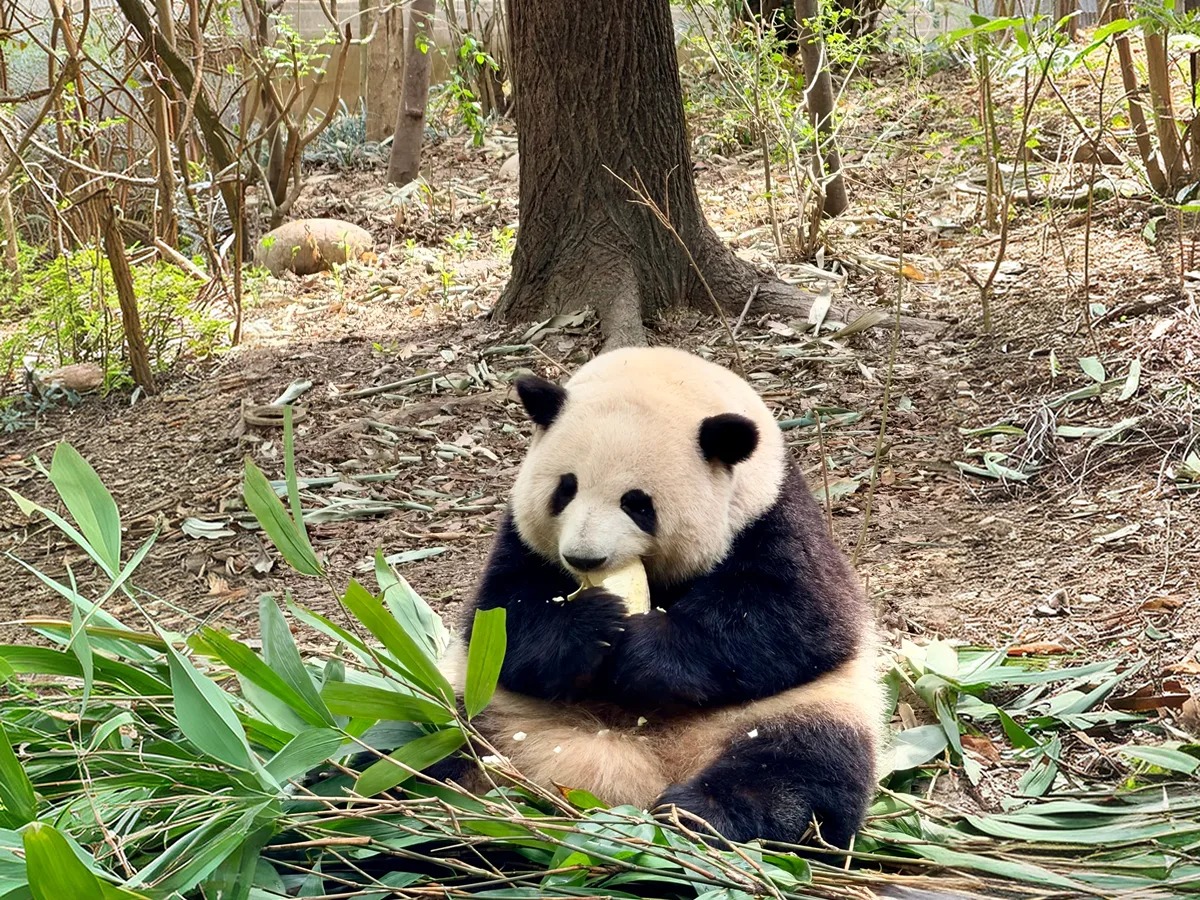
How the panda half-day actually runs is Chengdu panda experience.
How the weir day splits from pandas is Dujiangyan trip from Chengdu. This page will not reprint feeding hours or the fish-mouth diagram.
How food sits on a private China trip is private China food tour.
TravelToQin can put the spice brief on the booking, hold a private room, keep Jinli to a snack, and switch the panda-day dinner to something lighter. We cannot guarantee a peppercorn-free kitchen, and we do not sell a join-in chili tour. Allergies stay yours to declare.
If the first Chengdu dinner should stay mild, or if a hot-pot night needs its own evening, send party ages and walking limits through contact. The useful first answer is which night is actually empty.