Yu Garden China: The Walled Garden Is Not the Mall
Three Places Share One English Name
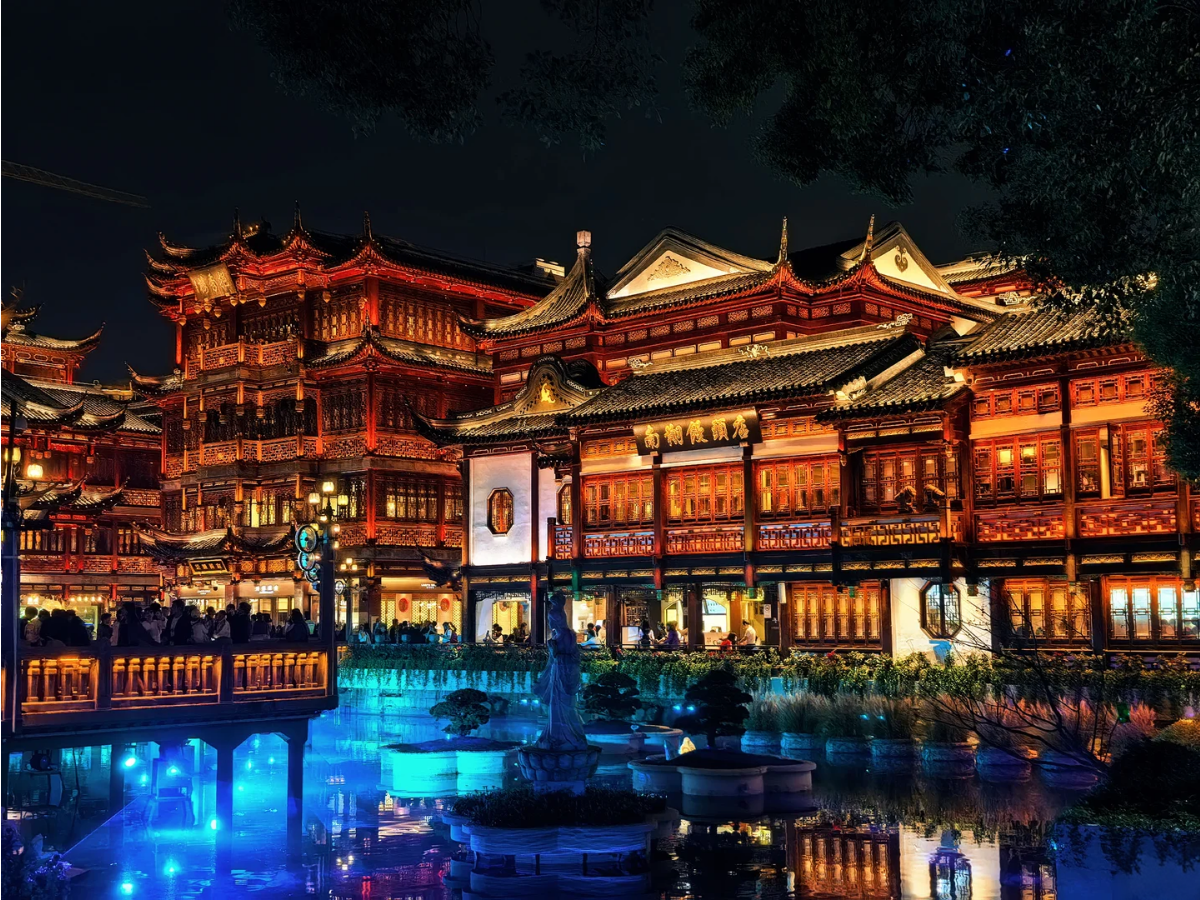
"Yu Garden" in English refers to three different things on the same map, and walking past one is not the same as visiting another. The first is the ticketed walled garden — the Ming-dynasty private garden that sits inside a high white wall, with a separate entrance fee and a separate closing day. The second is the Yu Garden Mall and the bazaar streets around it — the free pedestrian zone with food stalls, souvenir shops, and the Nine-turn Bridge photo spot. The third is the City God Temple (Chenghuang Miao) and its courtyard — its own admission, its own hours, often mistaken for part of the garden.
The two reasons travelers mix them up: the bazaar street feeds directly into the garden's outer wall, so the photo on Google Maps of the curved roof looks like part of the mall. And the entrance to the walled garden is tucked inside the bazaar, so a casual walk past the shops is easy to mistake for the garden itself. It is not the same place.
Monday Closes the Garden, Not the Streets
The walled garden closes on Mondays. The bazaar does not — the food stalls and the souvenir shops run seven days a week. The City God Temple's schedule is its own; it sometimes differs from the garden's Monday closure. Verify opening hours on the official Yu Garden site or the Shanghai Yu Garden mini-program at booking time, not on a 2024 travel blog.
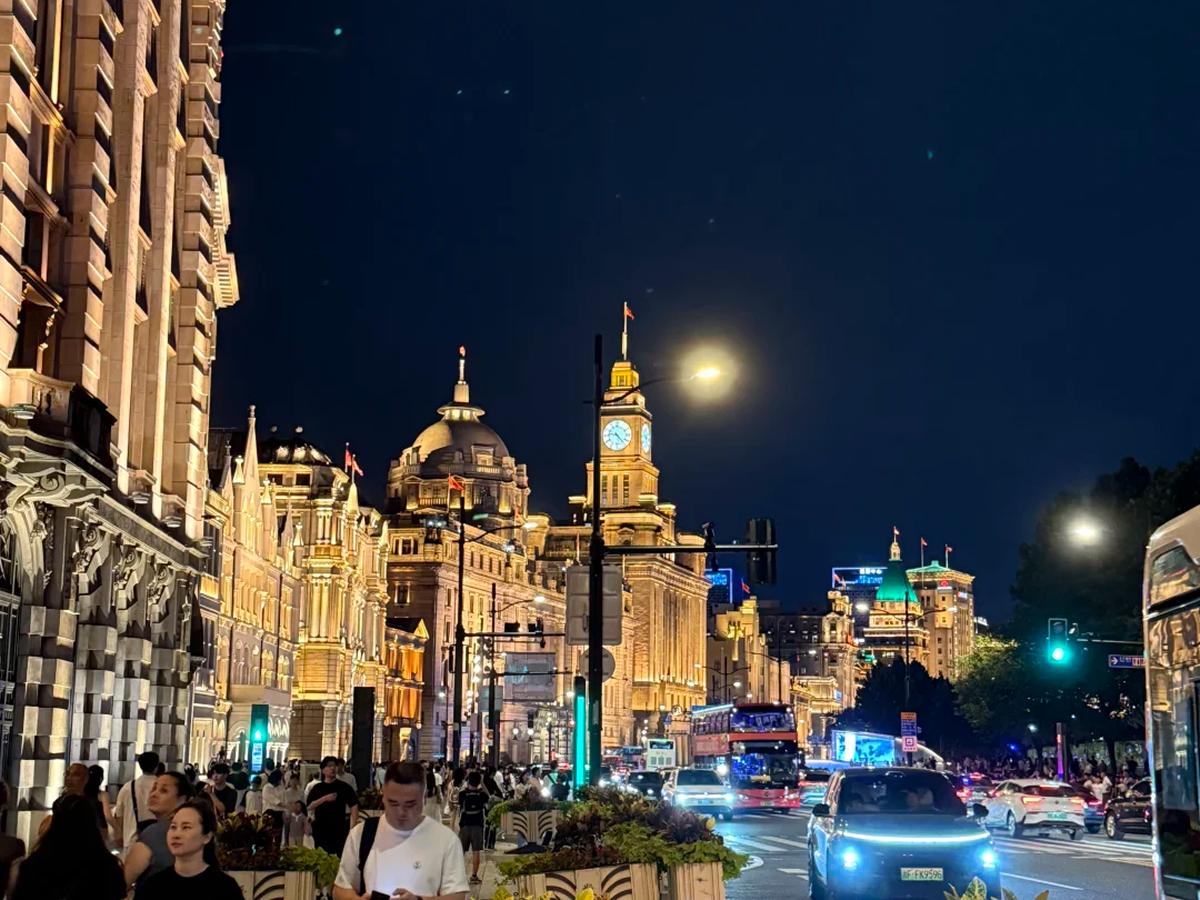
The standard Shanghai city day writes the bazaar as the morning walk and the Bund as the evening, with the walled garden as an optional addition. The Shanghai three-day tour runs Day 2 at the bazaar and the garden together. On a Monday visit, the bazaar is unaffected; the garden is closed. If your dates land on a Monday, the day shape swaps: bazaar morning, river cruise and French Concession afternoon, Bund evening. The garden doesn't fit the Monday schedule.
What the Walled Garden Actually Is
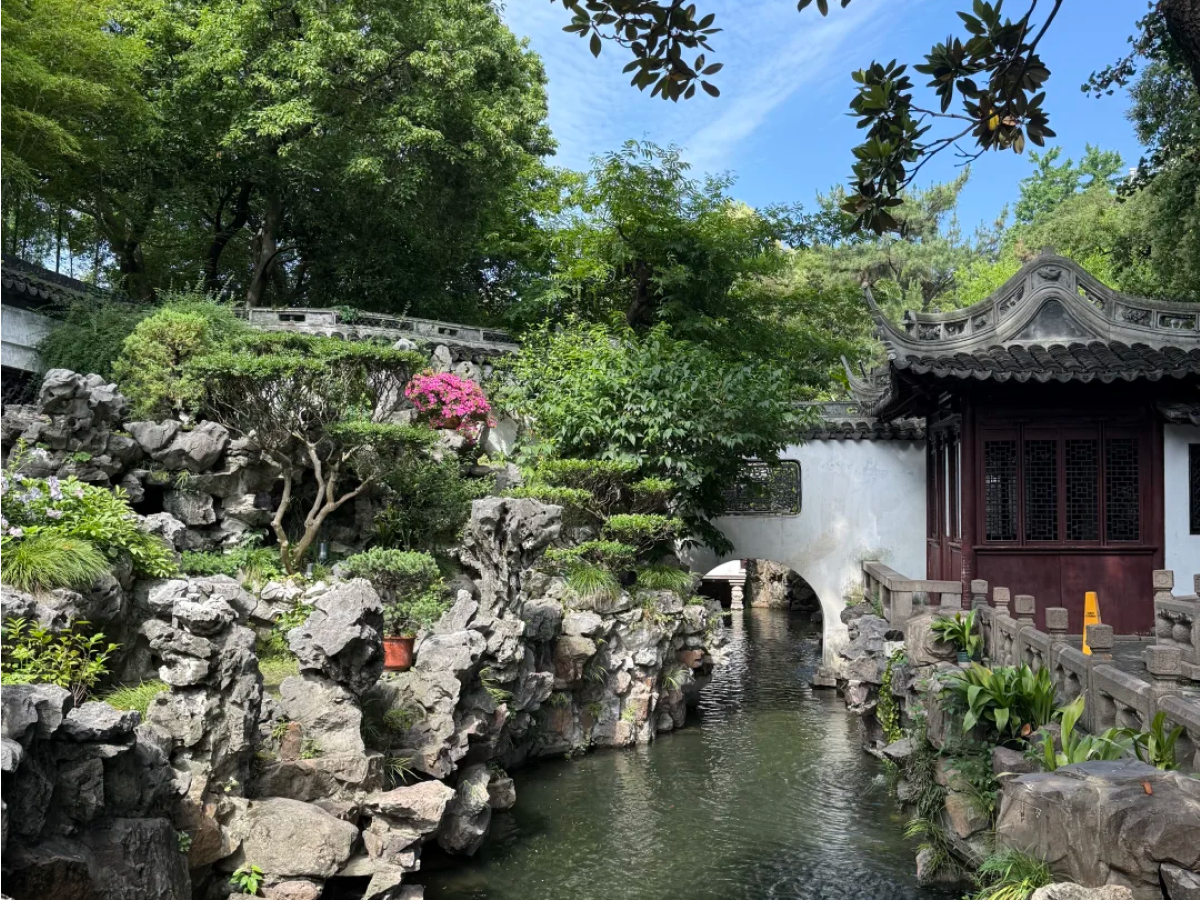
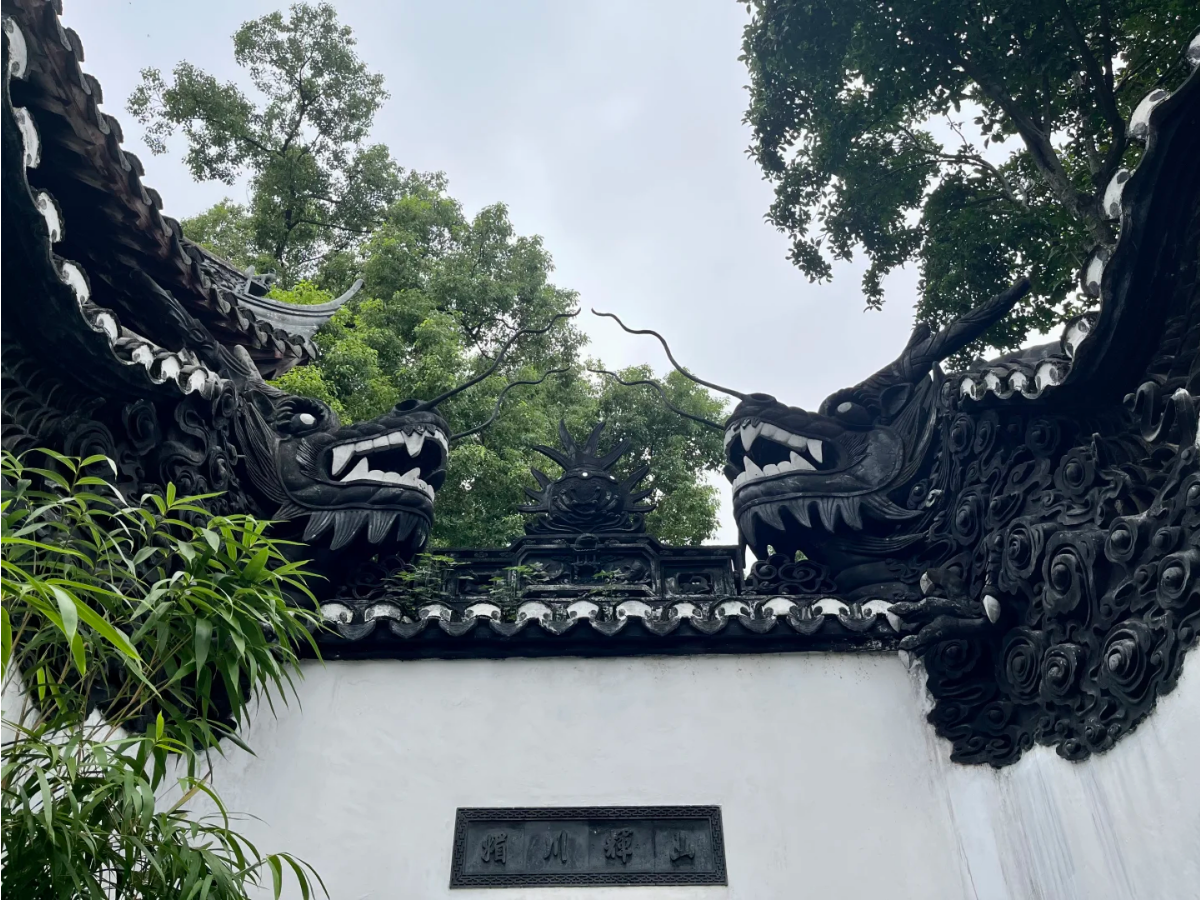
The walled garden is a 5-hectare Ming-dynasty private garden laid out around a central pond, with rockeries, covered walkways, the Dragon Wall, and the Ten Thousand Flower Chamber. The Six Halls — Sansui, Dianchun, Wanhua, Zhengda, Yuhua, and Neizhai — give the garden its signature walking rhythm. Allow 60–90 minutes at adult pace to read the garden properly.
- Sansui Hall is the largest and the most decorated; it sits at the heart of the garden and is the typical group photo spot.
- Dianchun Hall was the main reception hall; the carved wooden screen is one of the architectural set pieces.
- Wanhua Chamber (Ten Thousand Flower Chamber) sits in the east corner and changes function seasonally — exhibitions and tea services in different months.
- The Dragon Wall is the only one of its kind in Shanghai; the four dragons date from the Qing dynasty restoration.
The garden is not a museum. It is a walking garden with the same surfaces as a working historical site — uneven stone, narrow stairs, and the occasional roped-off restoration area. A wheelchair-bound guest cannot complete the full loop; the museum and garden page notes which sections are accessible. A mobility-impaired guest can see roughly two-thirds of the garden on the main path.
What the Bazaar Actually Is
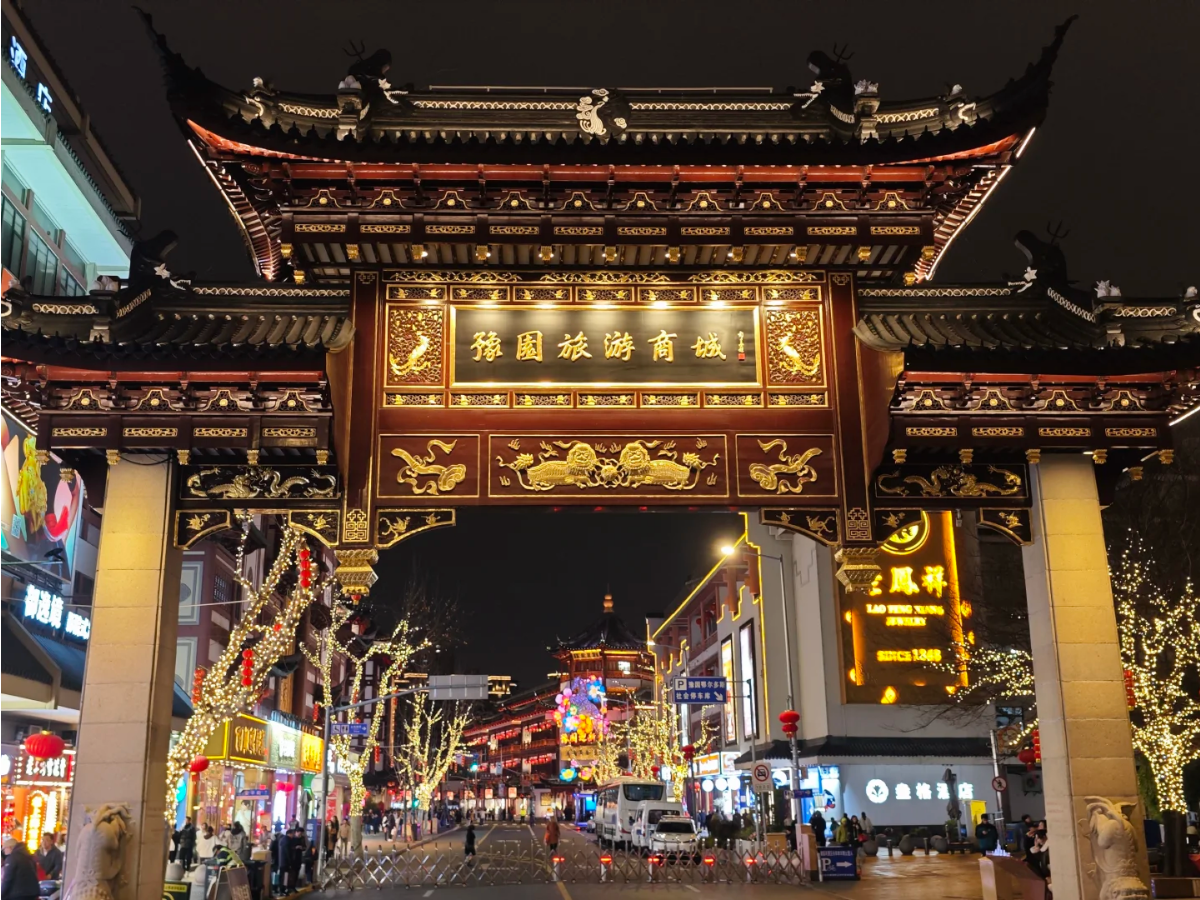
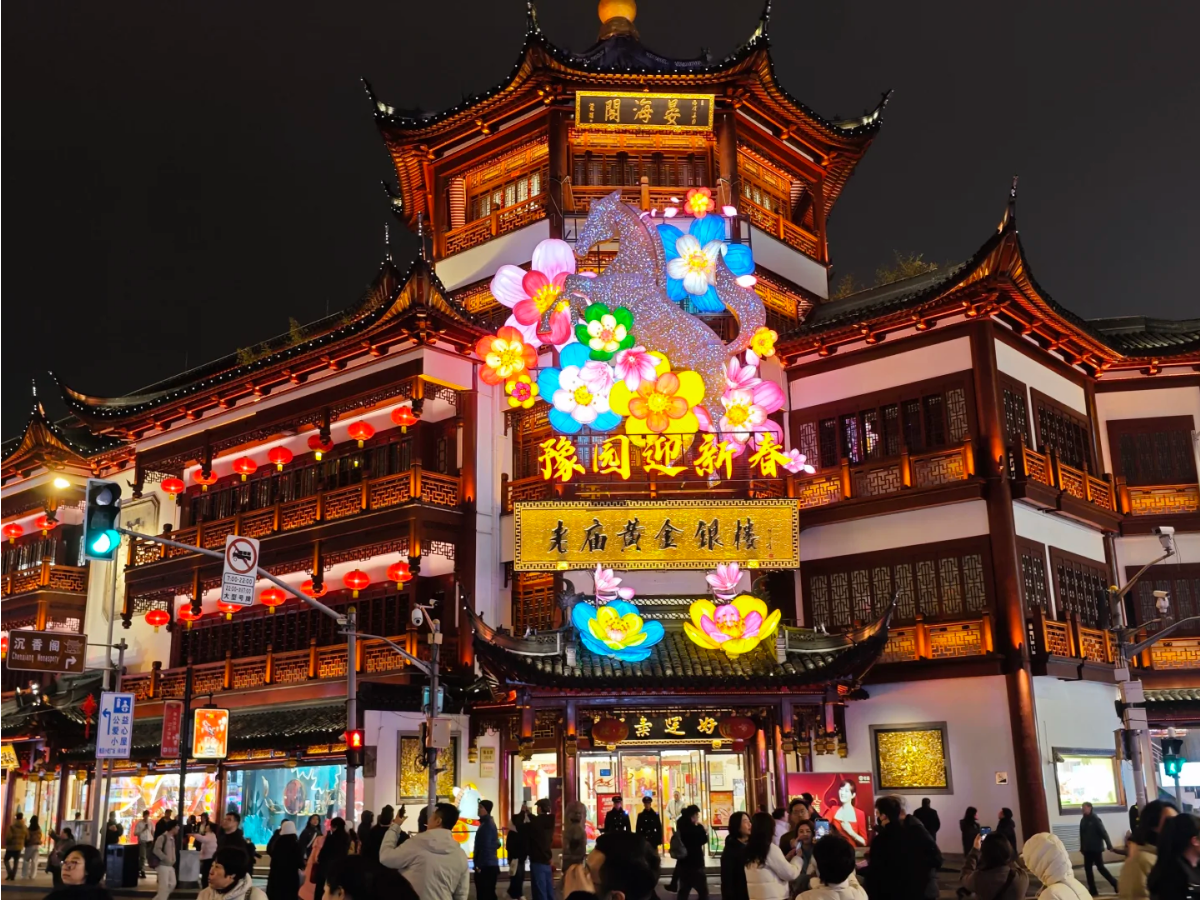
The Yu Garden bazaar (also called Yu Garden Mall or Old City bazaar) is the pedestrian zone around the garden's outer wall, with the famous curved-roof teahouse (the Huxinting Teahouse photo spot) at the bazaar's south end and the Nine-turn Bridge over a small pond. It is the area where most first-time visitors end up without realizing they never entered the garden.
The bazaar is free, open seven days a week, and the standard Shanghai city day writes it as the morning walk. Expect dense foot traffic on weekends and during festival weeks (Lantern Festival, Mid-Autumn). The food stalls cluster around the south entrance; the souvenir stalls line the main north-south spine. The bazaar is genuinely walkable in 30–60 minutes, less if the day is hot and the queues for the South Gate xiaolongbao are the priority.
City God Temple Is Its Own Ticket
The City God Temple (Chenghuang Miao) sits just east of the bazaar and is a separate admission. It is a working Taoist temple, not part of the garden, and has its own schedule. Tour groups sometimes bundle the temple with the garden under "Yu Garden," which is misleading on the price breakdown. If the trip is temple-focused, the temple is the main visit; if the trip is garden-focused, the temple is an optional addition. The two don't share a ticket.
How the Three Fit a Shanghai Day
The standard Shanghai three-day schedule runs Day 2 as bazaar morning, walled garden late morning (or swapped for a museum if Monday), French Concession afternoon, Bund evening. The walled garden is the optional addition; the bazaar is the default. A four-day Shanghai itinerary can pair the walled garden with a Zhujiajiao day trip on a separate day, since Zhujiajiao is itself a water-town garden experience with its own admission and its own pace.
The walled garden should not be the day's anchor. The Pudong skyline, the Bund at dusk, the French Concession walk, or a museum visit is the day's anchor. The garden is a 90-minute addition that fits inside a half-day, not the half-day itself.
What This Page Does Not Cover
This page is the naming-decision read. It does not cover the Six Halls room-by-room, the Lantern Festival schedule, the Huxinting Teahouse menu, the Chinese garden tradition in general, or a Suzhou garden comparison. The classical Chinese gardens page covers the broader garden category; the Shanghai itinerary page covers the city's day shapes at large.
Where TravelToQin Can Help
If Shanghai is on a private tour and the walled garden is one of the day's stops, our guide handles the garden ticket in advance, times the morning to clear the entrance queue before the bazaar peak, and reads the room mapping so the walk hits the architectural set pieces without backtracking. If the trip is on a Monday, the day shape is rebuilt around the bazaar and the French Concession, with the walled garden moved to the Tuesday.
What we don't do: hold a garden slot on a sold-out window, swap a Monday closure for a private opening (the garden does not run a private tour option), or promise the Huxingtang Teahouse has a free table during peak hours. The teahouse is first-come, first-served; reservations are not available for parties smaller than eight.
What Must Be Verified at Booking Time
- Current opening hours for the walled garden and the City God Temple, which sit on the official site at booking time.
- Whether the date lands on a holiday week with adjusted cap or hours.
- Whether the bazaar food stalls you care about (notably the South Gate xiaolongbao) are open on the date of visit.
- Whether the Huxinting Teahouse has a private-room option for the party size.
Quick Reference
- Walled garden: ticketed, closes Mondays
- Yu Garden Mall / bazaar: free, open seven days
- City God Temple: separate ticket, separate schedule
- Standard 90-minute visit at adult pace
- Mobility: roughly two-thirds of the garden is wheelchair-accessible on the main path
- From Jing'an or the French Concession: 20–30 minutes by metro or car