Is It Safe to Travel to China? Three Real Questions
The phrase “is it safe to travel to China” stacks three different questions into one search box. The first is whether you can enter at all (entry rules). The second is what your days on the ground are like (street days, transit, hospitals). The third is whether a news cycle next month will change the second two. Answering them as one question produces either an over-confident “yes” or an over-cautious “wait.” The honest answer reads them one at a time.
Question 1: Can you enter right now?
This is a fact about your passport and China's border rules. It doesn't change because of a news headline; it changes when immigration policy changes. As of 2026, the rules sit on the National Immigration Administration notice and your own government's travel advisory page.
- Find your country's advisory first. The US State Department, UK FCDO, Canadian government, Australian DFAT, and similar pages publish the most current stance for your passport. The advisory is a tool for travelers, not a stance on China itself.
- Match it to the visa rules. Do I need a visa to go to China covers the current visa-free and transit schemes, including the 240-hour transit option.
- Check the entry point. Visa-free and 240-hour transit apply at specific ports of entry only. A visa-free tourist by air into Beijing can move on to most tier-one cities within the allowed corridor. A visa-free transit entry via land across a regional border has a separate list.
For a US passport specifically, see can Americans travel to China for the current rules and how they've shifted over recent years.
Question 2: What are the days on the ground like?
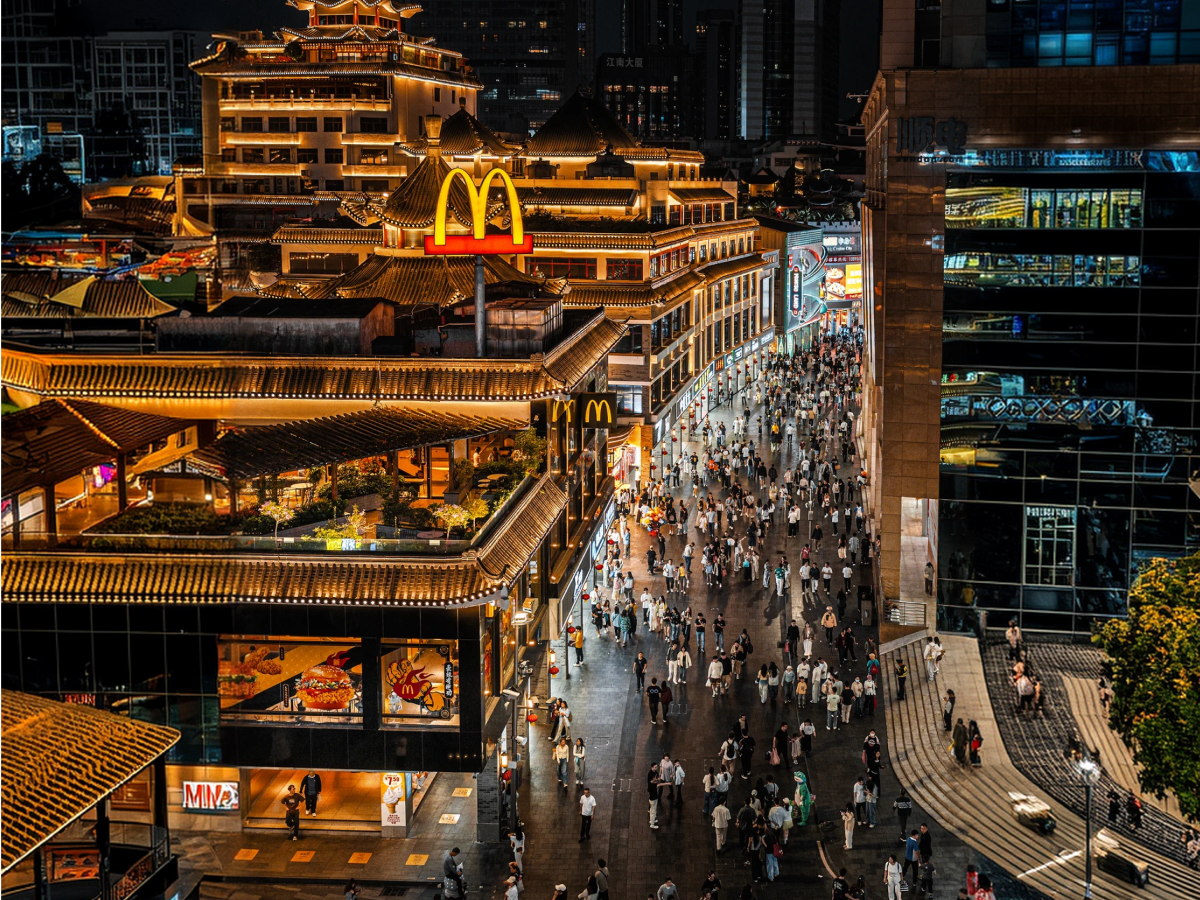
This is the experience question, not the policy question. Stripped of the policy layer, the day-to-day reality for travelers in China's tier-one cities (Beijing, Shanghai, Guangzhou, Shenzhen, Chengdu, Hangzhou, Xi'an) has trended in one direction for a decade.
- Crime against foreign tourists in major cities is rare and reported; violent crime is rarer still. Petty theft exists (pocket cutting in dense crowds at the Forbidden City or metro interchange escalators is the recurring pattern) and is mostly preventable with normal urban precautions.
- Hospital access for foreign travelers is genuine in tier-one cities. International clinics in Beijing and Shanghai (Beijing United Family, Jiahui International Shanghai and similar) handle English-language care. Outside those cities, the standard is lower; travel insurance with medical evacuation is the right backstop, not a hope.
- Cashless travel: WeChat Pay and Alipay for foreign cards work in most scenarios for foreign visitors; the gap is shrinking. Carrying some cash is still useful at rural stalls and for backup.
- Solo female travelers in major cities face the same considerations as other large Asian capitals: standard urban awareness, registered taxis or private cars at night, hotel-located pickups at the airport.

None of this guarantees a smooth trip. A myths-of-China-travel page exists for a reason: some of the answers travelers expect are wrong, and the wrong ones carry quiet risk. The honest version is that the day-to-day risks are city-specific and tractable, not that they don't exist.
Question 3: Will next month's news change the second two?
It might. Travel advisories shift, sometimes on a quarterly cycle. A private vehicle and a local guide handle immediate changes (a closed metro station, a rerouted bus, a temporary access rule), but cannot change a policy decision. Two structural points help.
- Know what your government actually says. The advisory is the baseline. “Exercise increased caution” is qualitatively different from “do not travel”.
- Build a 24-hour buffer into any tight transfer. A flight from San Francisco landing in Beijing the morning of a city departure leaves no margin if anything shifts. Same-day international-to-domestic connections assume everything works.
This is also why trip-cost pages advise budgeting for the unexpected — not because China is unsafe, but because international travel to long-haul destinations always carries a small marginal risk that becomes expensive without a private plan on the ground.
What a private car changes vs. what it doesn't
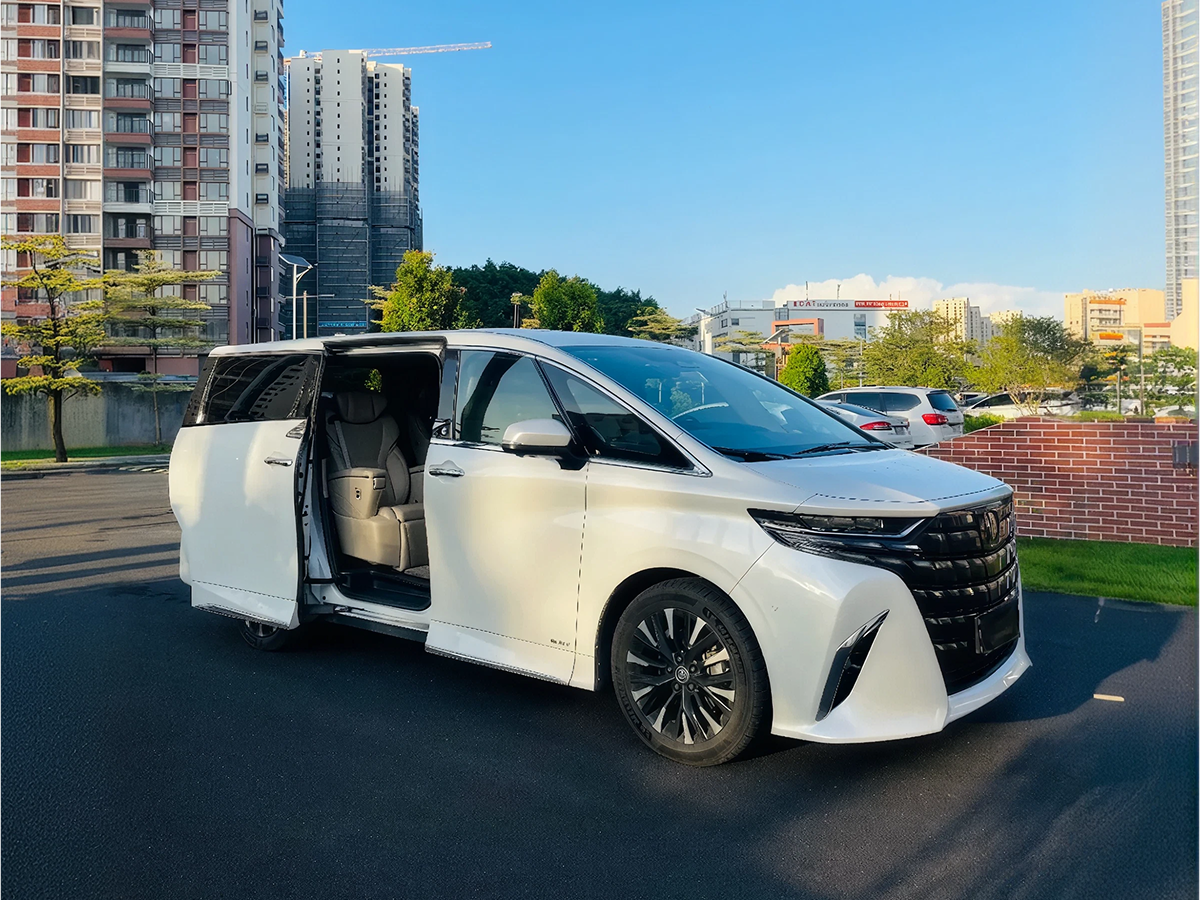
A private vehicle and English-speaking driver can shift several day-to-day risks:
- Replaces night-bus transfers and metro scalpers with a registered car, which lowers the petty-theft window and the missed-connection risk.
- Replaces unlicensed “tour guides” at scenic-area gates with a vetted guide; tout-driven detours disappear.
- Replaces “tip the gate guard for early entry” arrangements with a registered ticket queue.
- Shifts hospital communication from solo translation app to an English-speaking intermediary who can sit with a doctor at the visit, with disclosure back to a family member.
It does not shift policy. Visa rules, advisories, entrance quotas, and corridor restrictions sit with the relevant authority. A private car is execution; not policy.
Three honest judgments
- The base data: if your government says “exercise normal precautions” or “exercise increased caution”, the typical traveler can plan a normal trip with normal precautions.
- The framing: “is it safe” is a binary that doesn't fit the question. Replace it with “what do my government and China's current rules say, and what does a private plan change for me if something shifts.” That's the version a planner can answer.
- The action: check the advisory now, check it again two weeks before departure, and recheck on the day of travel.
Where TravelToQin can help
Once you've checked your government's advisory and confirmed entry, we can: route the first day around jet lag without exposing you to chaotic arrivals, replace metro transfers with private car transit where it raises the cost only slightly, brief the hotel and restaurants against your specific dietary and medical notes, and connect you with English-speaking medical support if you need it on the ground.
What we don't do
- No safety guarantee: no operator on earth can issue a global “you'll be fine.” We don't.
- No advisory override: we don't tell you to ignore your travel advisory.
- No visa trick: we don't promise visa-free entry for passports that don't qualify under current rules.
- No policy workaround: we don't shortcut entry rules, regional restrictions, or curfew measures.
Read your government's page. If the answer is “proceed with normal precautions,” that's where a private plan earns its keep. If the answer shifts to “reconsider travel,” the rest of this page doesn't apply; the advisory is the answer.