240-Hour Visa-Free Transit in China: Eligibility, Ports, and Stopover Days
240-hour visa-free transit China lets eligible travelers enter selected ports without a tourist visa when they are transiting to a third country or region—not returning home on the same outbound ticket. The window is ten days on the clock. Airline schedules, permitted regions, and immigration checks still decide whether you can actually spend four nights in Shanghai or two in Beijing. Policies change. Verify with China’s National Immigration Administration and your airline before you ticket.
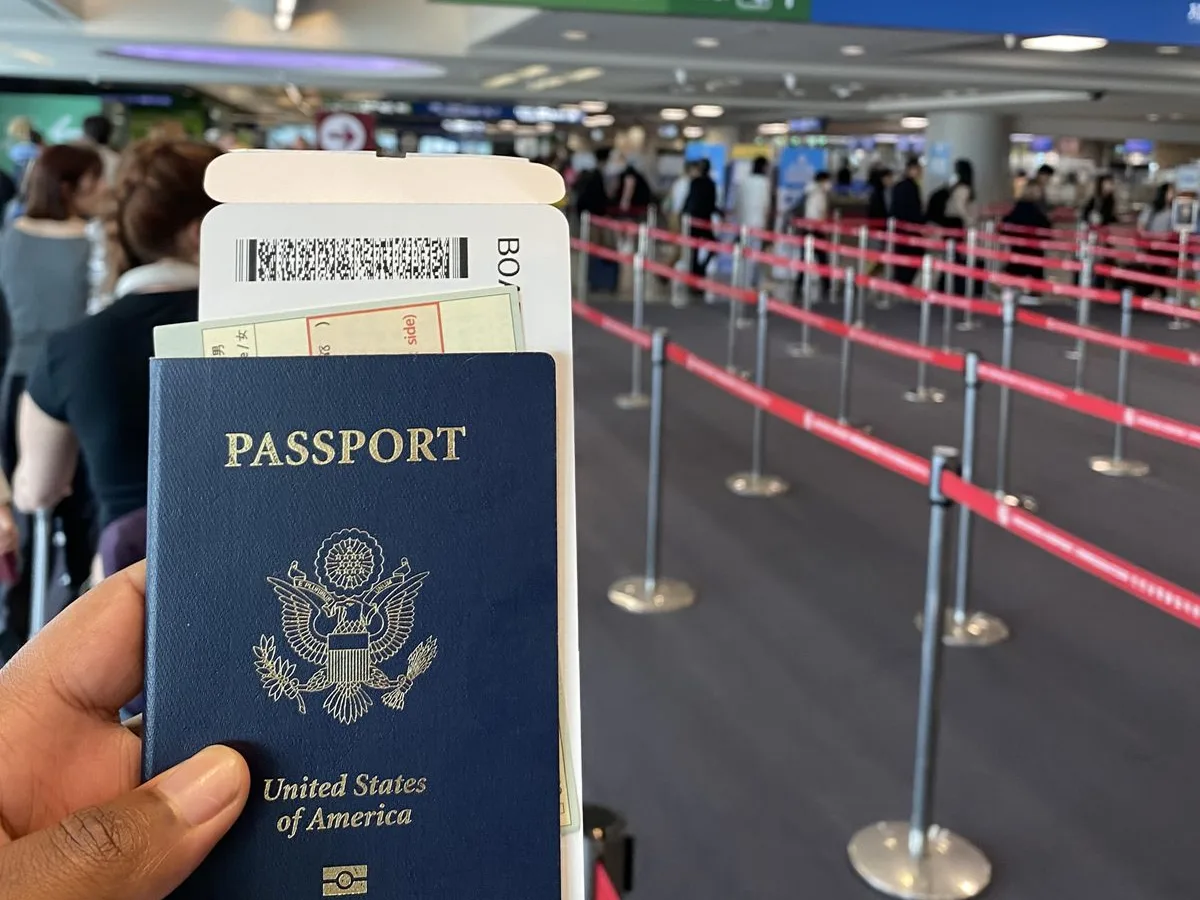
Five checks before you book
- Passport eligibility — your nationality must be on the current transit scheme. The list is not this page’s job to freeze.
- Third country or region — the onward ticket is not a simple home-and-back holiday. A US–Shanghai–US return is the usual mismatch.
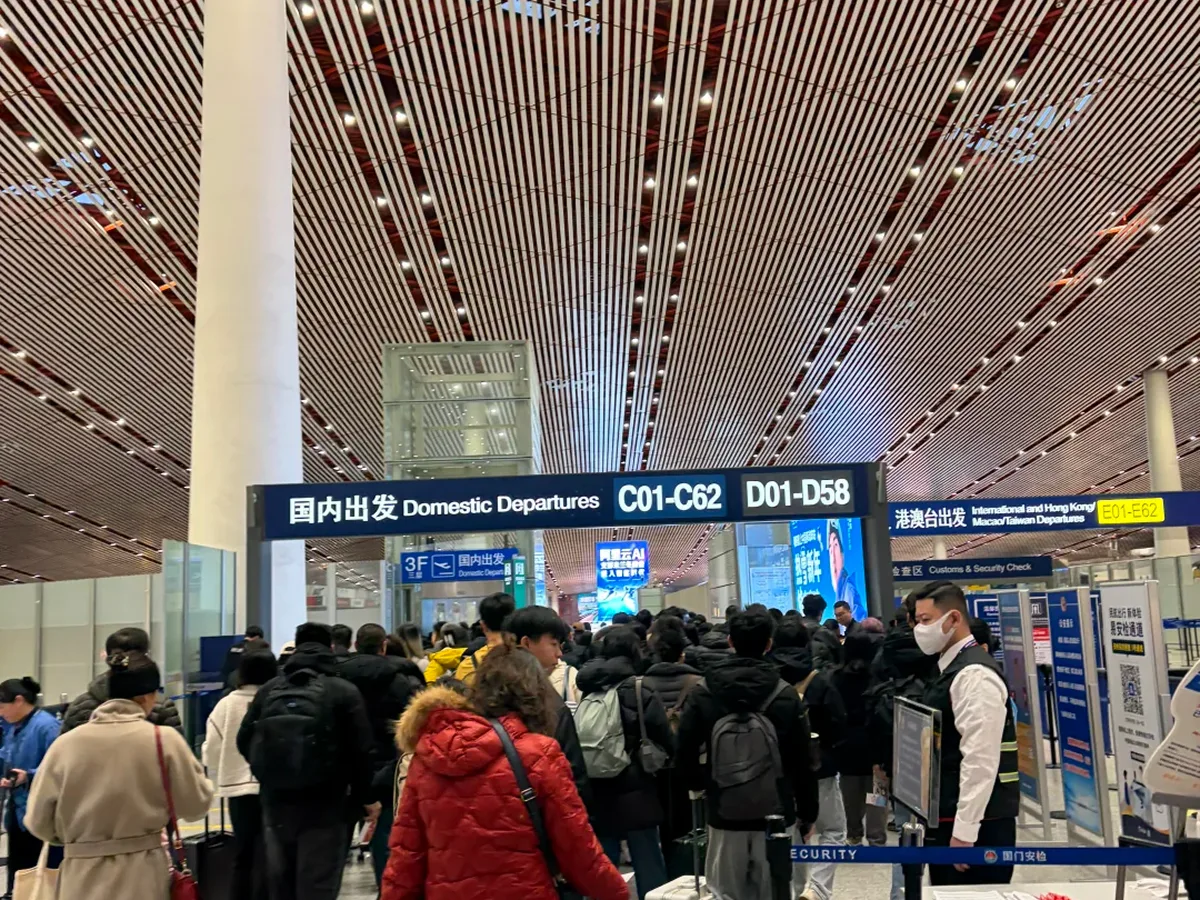
- Permitted port — you enter and leave through ports the scheme allows. Confirm the airport or station printed on the ticket against the official list.
- Permitted area — some schemes limit which provinces you may visit. A side trip outside that area is not a free upgrade.
- Clock — 240 hours is ten days, counted from the official start rule at that port, not from “I feel like I have a week.”
Three entry paths, one of which is this page
- L tourist visa — ordinary holiday. Paperwork is on the tourist-visa page.
- 240-hour transit — this page. Third-country tickets, port and area limits, ten-day clock.
- Unilateral visa-free — only if your passport is on the current National Immigration Administration list. Confirm that list; do not copy a screenshot.
If you still do not know which path you are on, open do I need a visa to go to China first.
What you can and cannot do on transit status
You can enter, stay inside the permitted area, and leave on the onward ticket. You cannot treat transit as a hidden tourist visa, and you cannot invent extra days because a hotel is cheaper midweek. Immigration can refuse a story that looks like a holiday with a fake third-country coupon.
How many nights actually fit
General example: a traveler lands in Shanghai in the evening and flies to a third country on the morning of the tenth day. That is not nine full walking days. Hotel check-in, a Bund evening, and one museum morning can fit. A Beijing–Xi’an–Shanghai corridor cannot. Count nights you can walk, not the number 240.

If transit is not the path
Buy the L visa, or confirm visa-free, or change the tickets so the third-country story is real. A ground handler cannot convert a round-trip holiday into transit at the counter.
TravelToQin can plan private ground inside the nights and the area the scheme allows. We cannot decide immigration, we cannot hold a port open, and we cannot issue onward tickets. Official sources: National Immigration Administration, the airline, and the airport on the ticket.
READ NEXT: L-visa paperwork — China tourist visa. G-visa vs 240-hour language: China transit visa.
Transit already confirmed by the airline and the official list? Contact with those two tickets and the city you will actually walk.