
China Transit Visa: When You Need a G Visa (and When 240-Hour Rules Apply Instead)
Searching China transit visa usually means one of three different problems: you need a pre-approved G visa, you qualify for 240-hour visa-free transit, or you actually need a full L tourist visa but your ticket looks like a connection. Sort the category first—embassy time and airport denial are expensive mistakes.
Quick read:
- G visa: apply at a consulate before travel when rules require a transit permit.
- 240-hour visa-free: no G visa when nationality, port, third-country ticket, and stay zone all match—details in our full transit guide.
- L tourist visa: many “transit” searches are really a week-long stopover—do not force transit rules onto a vacation.
What “China Transit Visa” Usually Means in 2026
- G visa (Transit): sticker issued in advance for approved transit purposes—check embassy lists for eligible routes and durations.
- 240-hour visa-free transit: unified ten-day framework (replacing older 72/144-hour labels in most public guidance) for eligible passport holders at designated ports.
- Unilateral visa-free entry: separate policy track for certain countries visiting China directly—not the same as G or 240-hour transit.
- L tourist visa: still the default for multi-city leisure stays without qualifying transit tickets.
Three Paths Compared

- G visa: consulate application; fixed transit purpose; use when immigration rules say you need it.
- 240-hour visa-free: no consulate visa if you qualify; strict onward ticket to a third country/region; zone and clock limits.
- L visa: COVA/consulate tourist application; best for round-trip vacations and stays beyond transit clocks.
We do not reproduce port-by-port tables here—they change. Full eligibility: 240-hour visa-free transit in China.
Do You Actually Need a G Visa? Five Scenarios
- Your nationality and route match published 240-hour rules with a qualifying third-country ticket → G visa likely unnecessary; verify zones.
- You leave the airport landside for a multi-day city tour on a US–China–US ticket → tourist L visa, not transit waiver.
- Your stay exceeds 240 hours anywhere in China → L visa (or other appropriate permit).
- You travel between Chinese cities by air or rail during the stopover → confirm allowed regions under 240-hour rules; otherwise L visa.
- Embassy or airline explicitly requires G for your itinerary → apply for G even if forums disagree.
240-Hour Visa-Free: What This Page Does Not Repeat
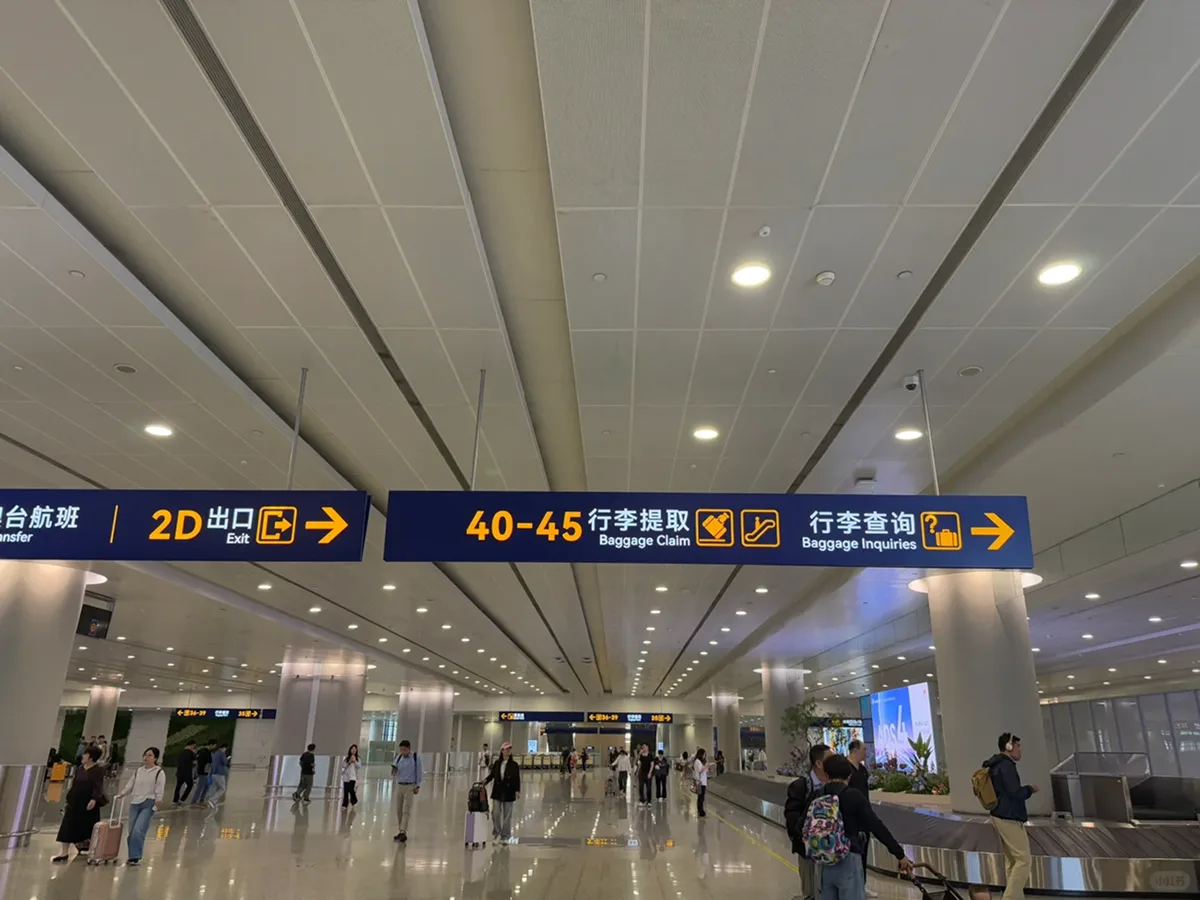
Allowed ports, nationality lists, counting hours, and domestic flight rules live in 240-hour visa-free transit in China. Use that article for checklists; return here only for G vs L vs 240 routing.
China Transit Visa for US Citizens
Americans can use 240-hour transit when all conditions match—including onward travel to a third country or region. A simple US–China–US leisure loop usually requires an L visa instead. Routing table: Can Americans travel to China.
Common Mistakes That Look Like “Transit Visa” Problems

- Round-trip home country ticket booked while hoping for “transit visa-free” entry.
- Overstay on any permit—transit clocks are enforced.
- Searching “144-hour” or “72-hour” without checking the current 240-hour framework.
- Domestic China segment (Shanghai–Xi’an) added without checking zone permissions.
Link Map by Your Answer

- Need full vacation visa → China tourist visa
- Qualifying stopover → 240-hour visa-free transit
- US passport ticket pattern → Can Americans travel to China
- Building cities after entry → China travel guide reading map
- Planning arc → How to plan a trip to China
Four Yes/No Questions Before You Apply for a G Visa
- Does an official source say G is required for your exact nationality and route?
- Did you fail 240-hour eligibility on ticket pattern or stay length?
- Is your stopover actually a multi-city trip needing L visa?
- Did the airline deny boarding without a sticker you do not yet have?
If two or more answers are unclear, stop booking and verify with embassy guidance and your carrier. Questions about private ground during a legal stopover: contact with dates and ports— we do not sell visas or provide legal advice.