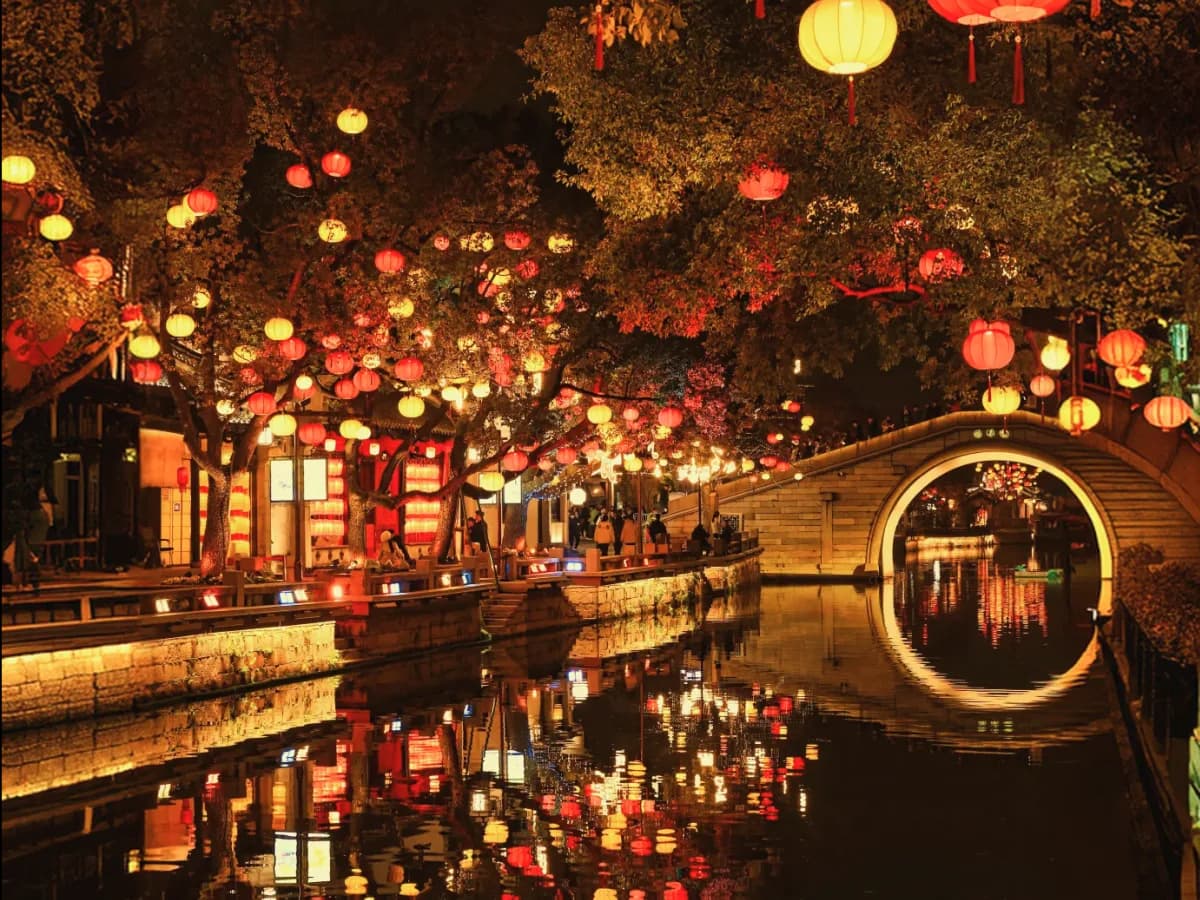
Holidays in China: The Seven Statutory Breaks and How Tiao Xiu Works
Holidays in China that actually change train tickets and hotel rates are the seven statutory public holidays, not the long festival list on a culture blog. Extra days appear when weekends are moved (tiao xiu) to make a consecutive block. Lantern Festival, Qixi, and similar dates can still matter locally. They are not automatic national days off.
Seven statutory holidays, not every festival
The State Council names New Year’s Day, Spring Festival, Qingming, Labor Day, Dragon Boat Festival, Mid-Autumn Festival, and National Day. Yuanxiao (Lantern Festival), Qixi, Chongyang, winter solstice, the Dai water-splashing new year, and the Yi torch night are not this national leave list.
Confirm the 2026 State Council Holiday Notice
This block is only for checking dates. It follows the State Council General Office notice 国办发明电〔2025〕7号, published 4 November 2025. Treat it as a working example for 2026. Confirm the year you actually travel on the official notice, not on a screenshot in a blog. The 2026 text is on gov.cn.
- New Year’s Day — 1–3 January 2026 (three days). Makeup workday: 4 January.
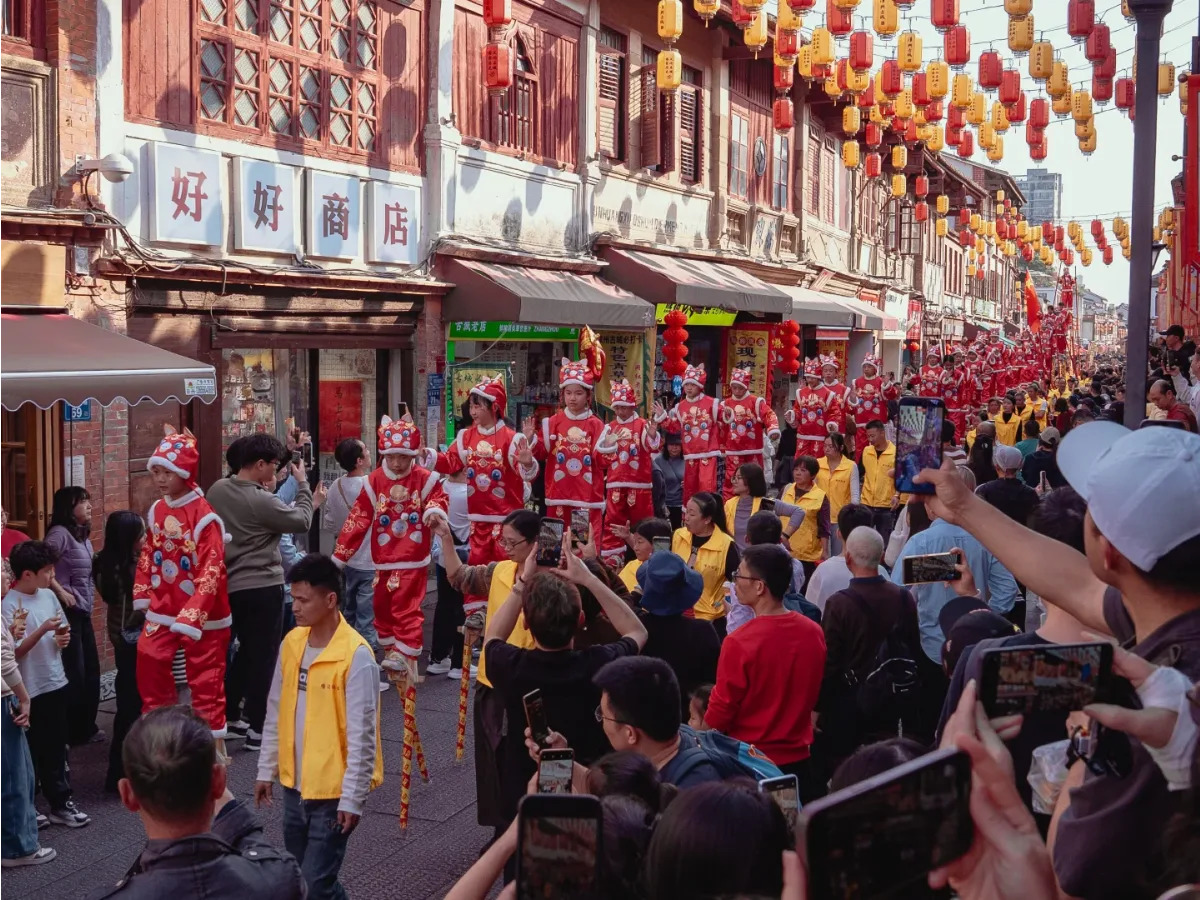
- Spring Festival — 15–23 February 2026 (nine days). Makeup workdays: 14 February and 28 February.
- Qingming — 4–6 April 2026 (three days; no tiao xiu in this notice).
- Labor Day — 1–5 May 2026 (five days). Makeup workday: 9 May.
- Dragon Boat — 19–21 June 2026 (three days).
- Mid-Autumn — 25–27 September 2026 (three days).
- National Day — 1–7 October 2026 (seven days). Makeup workdays: 20 September and 10 October.
In 2026, Mid-Autumn and National Day stay separate, with ordinary workdays on 28–30 September between them. Older “half-month combined holiday” charts do not apply to this year.
What to do with those dates
If your international tickets can move, shift the window off the block, or land after the first rush day. If the tickets cannot move, keep one city and a buffer. A National Day week can hold that. It cannot hold Beijing, Xi’an, and Shanghai as a walking corridor. A Spring Festival nine-day window is still a national travel peak on that same corridor.
Makeup workdays are not a Chinese weekend. Banks and many offices run a weekday pattern. High-speed trains can still be tight because domestic travelers move on the days before and after the block. Starting a city-to-city transfer on a makeup workday is the usual way to lose a morning.
What each window does to trains, hotels, and shops
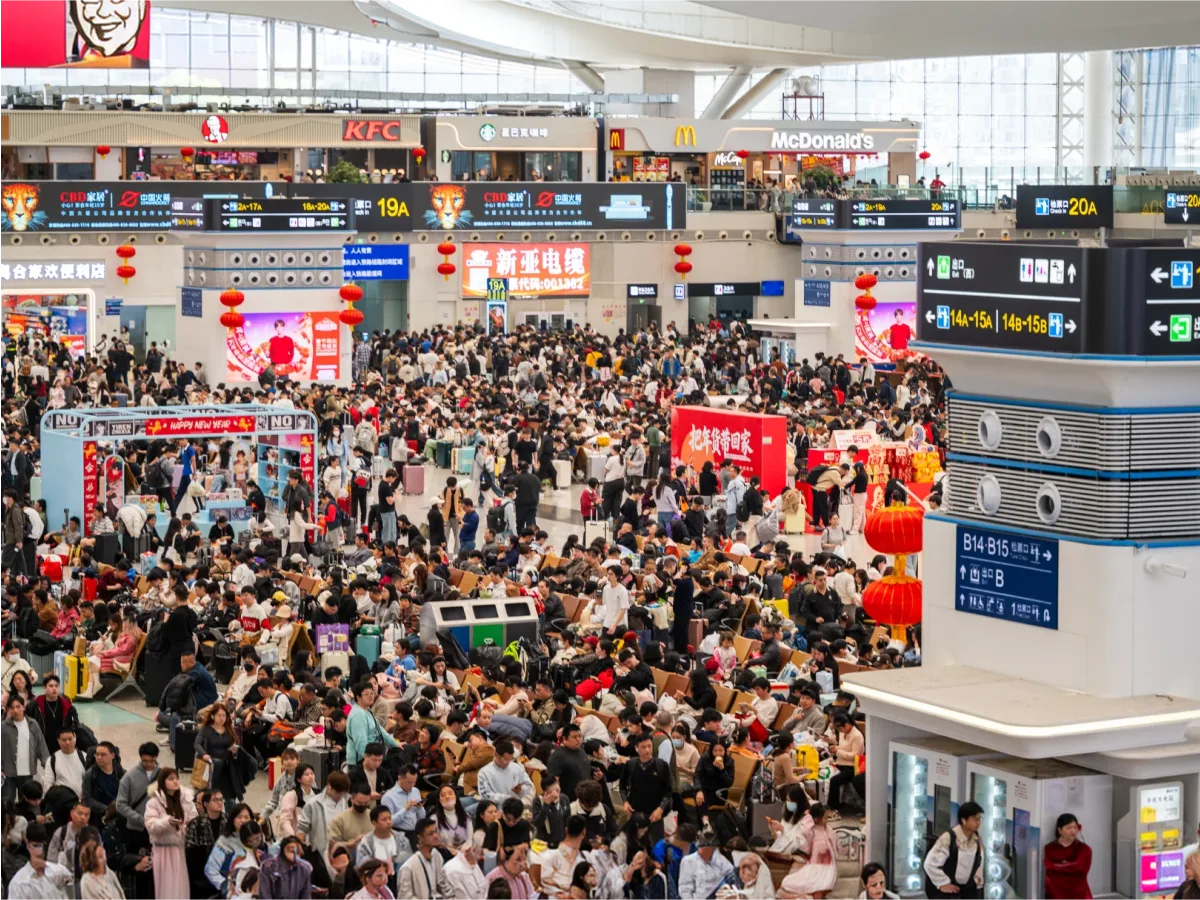
Spring Festival — the longest domestic travel peak
Nine days is still not a quiet March on the Beijing–Xi’an–Shanghai corridor. This page only marks the length and the two makeup Saturdays. Museum hours, shop shutters, and crowd shape belong on visiting China during Chinese New Year.
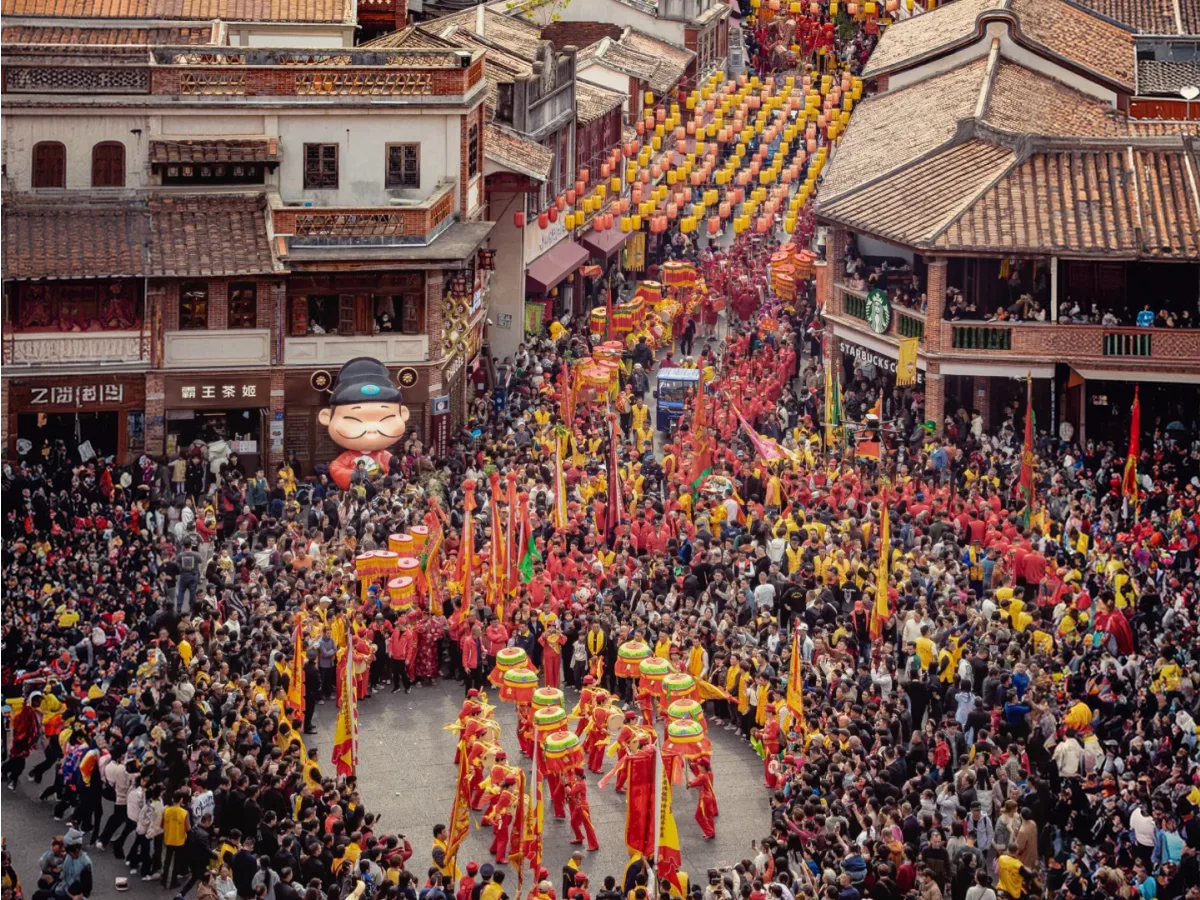
Qingming — cemetery roads, not a sightseeing festival
Three days, tomb-visiting traffic on some roads, heritage sites often open and crowded. You can still visit a museum. You are not joining Qingming as an activity.
Labor Day — a shorter national peak
Five days, similar crowd physics to National Day at a smaller scale. If October is the problem, solve October. The two peaks are not one tactic.
Dragon Boat — three calendar days
You can watch races from a bank. Signing up for a boat is a different product, and it is usually not yours.

Mid-Autumn — a short public break plus family tables
The public block that year is three days—see the check list above. Mooncakes and reunion meals are family logistics, not a tourist itinerary name.
National Day — October Golden Week
Seven days of national movement. When the notice keeps Mid-Autumn apart, the week stays seven days, not a half-month. Seven days can hold one city and a buffer. They cannot hold a two-week Beijing–Xi’an–Shanghai corridor.
New Year’s Day — a short reset, not Spring Festival
Three days in early January. That is not the lunar new year peak.
What private ground can change
We can swap day blocks, keep a museum visit inside a trip we operate (we arrange that reservation; the museum still checks ID and remaining tickets), and keep the vehicle with your party when a station is packed. We cannot jump a quota line, invent rail inventory, or promise that a hutong shop is open on the third day of Spring Festival.
Market red flags: a “visa-free Golden Week tour” sold as a public departure; a promise to skip official tickets because it is a holiday.
READ NEXT: ordinary-month city counts on China itinerary 7 days and China 14 day itinerary — then subtract for a holiday week, rather than adding cities. Season without a statutory block: best time to visit China.
If your dates already sit inside one of the seven breaks, say so, plus whether the international tickets can move, through contact. The useful first answer is whether to shift the window or drop a city.