



























































We Are With You
- A Travel Consultant Rooted In China
- Immediate Response, No Need To Wait!
- Direct Contact, Highest Value
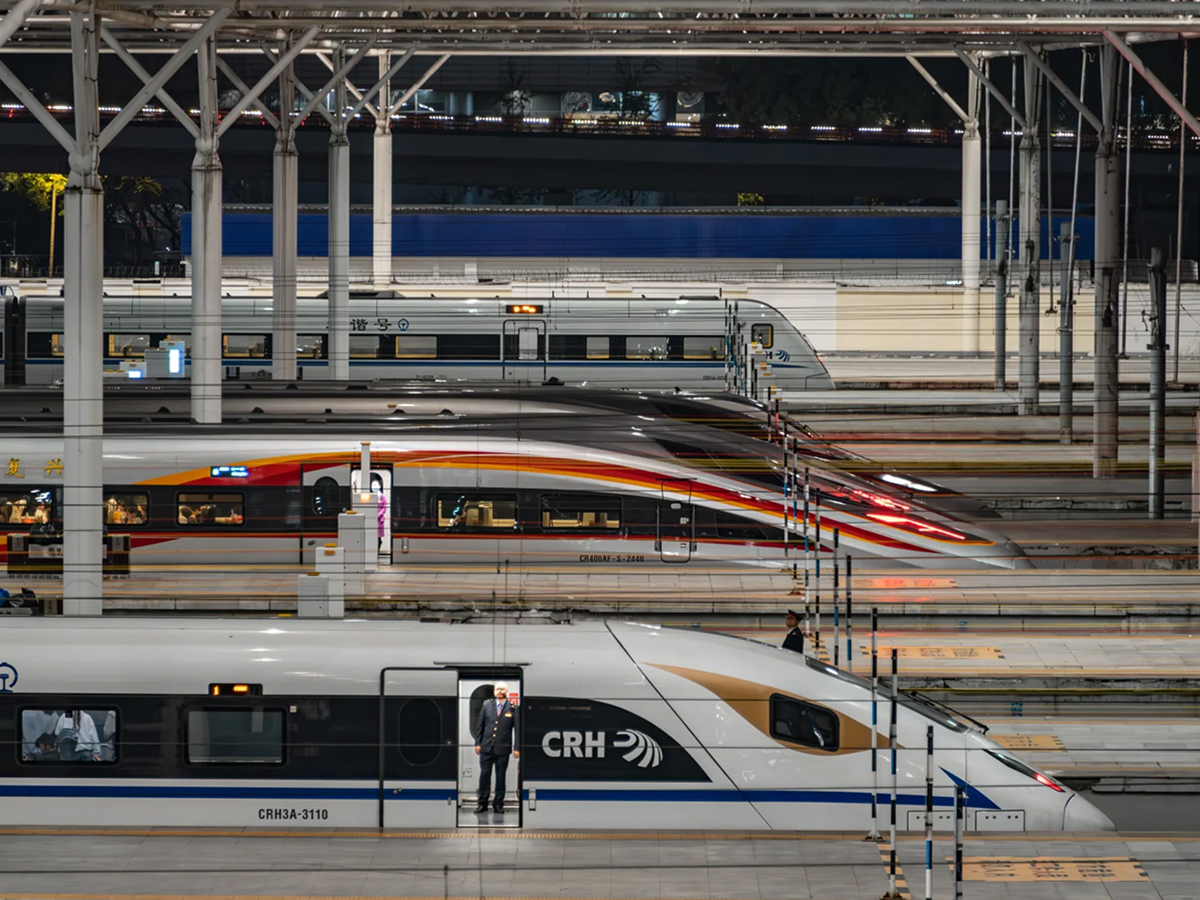
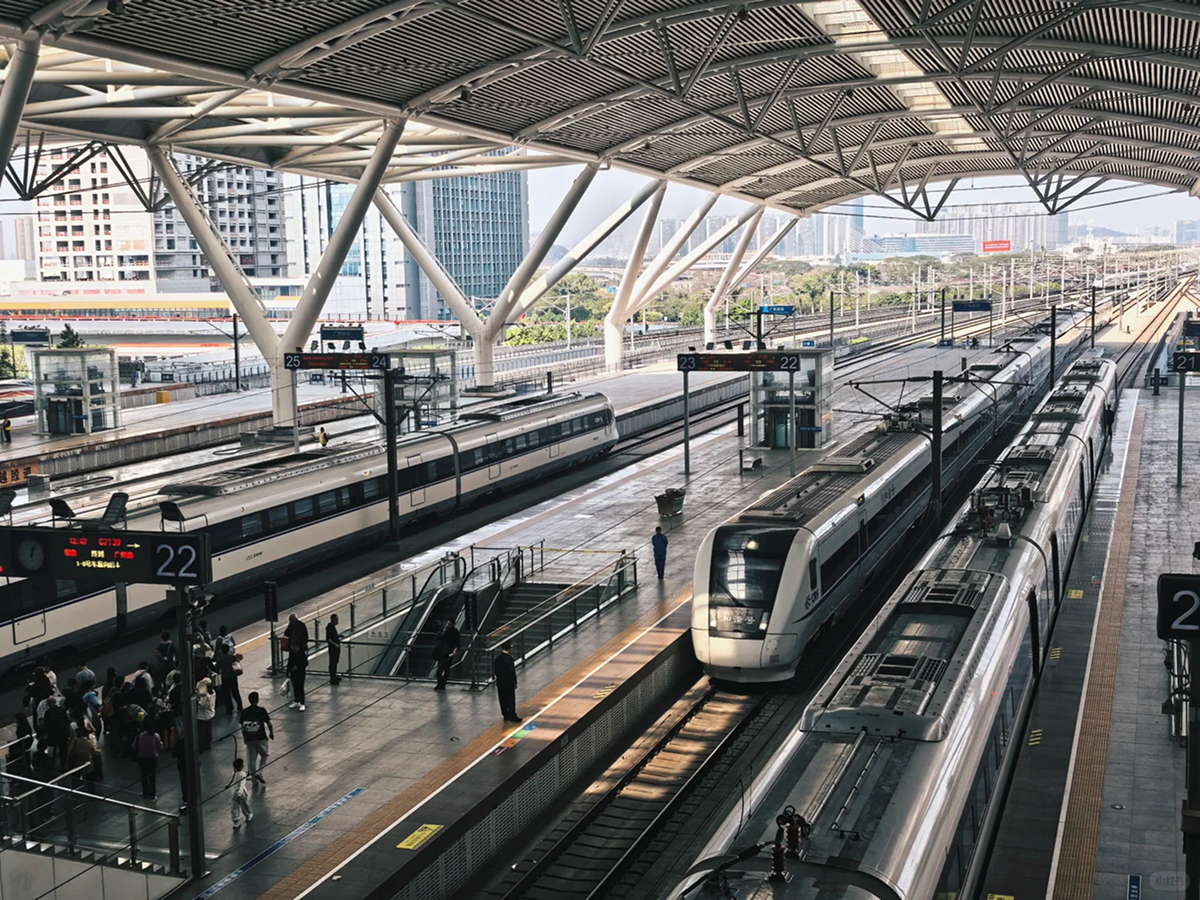
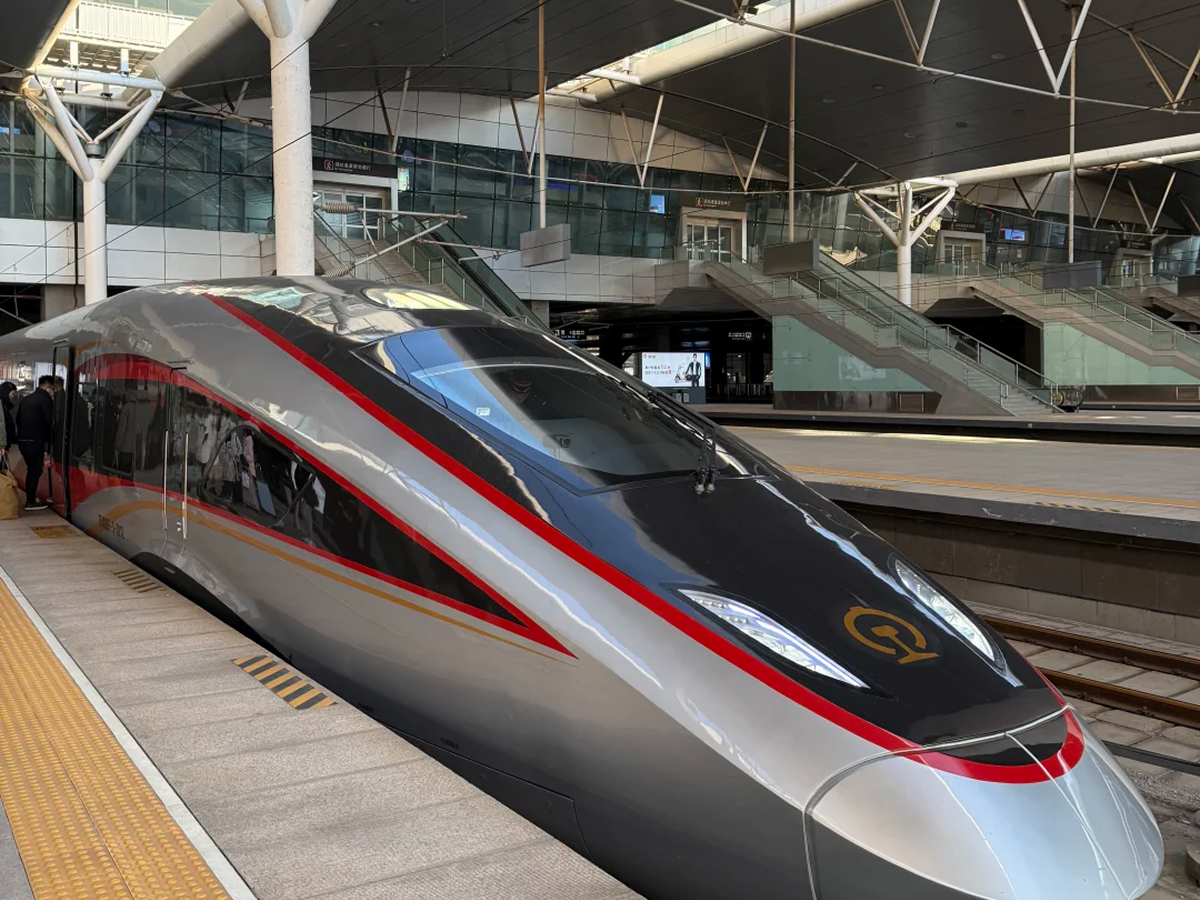
China's high-speed rail network is not one uniform thing. There are three letter prefixes that matter:
Foreign passport holders can buy tickets on the official 12306 platform, through third-party portals like Trip.com, or via a private ground operator who books on your behalf. No special permission is required — only a valid passport at the gate. The confusion that keeps some travelers from booking is the assumption that "foreigners can't use 12306." You can. It is a matter of interface, not eligibility.
Rail does not beat plane on every corridor. It wins clearly in four situations that come up repeatedly for HNWI travelers and private ground operators:
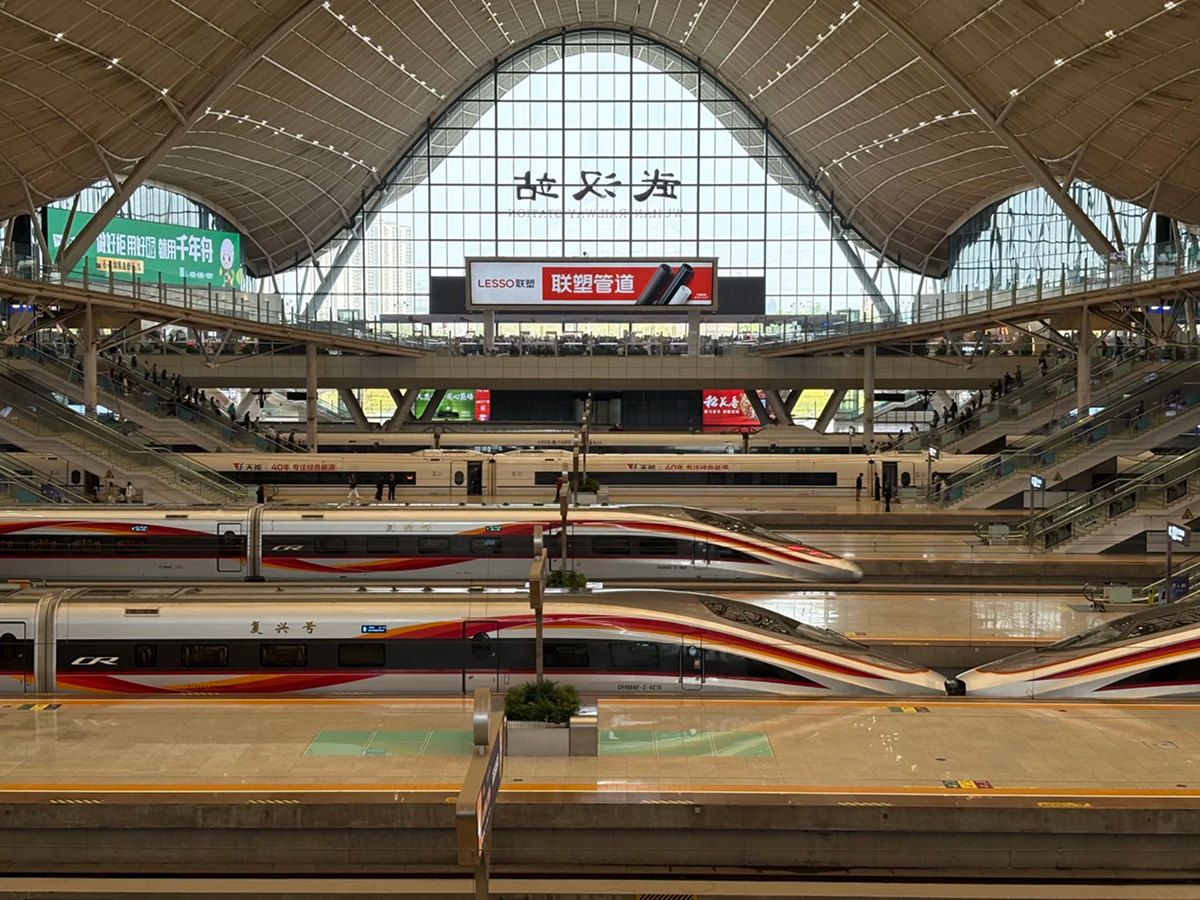
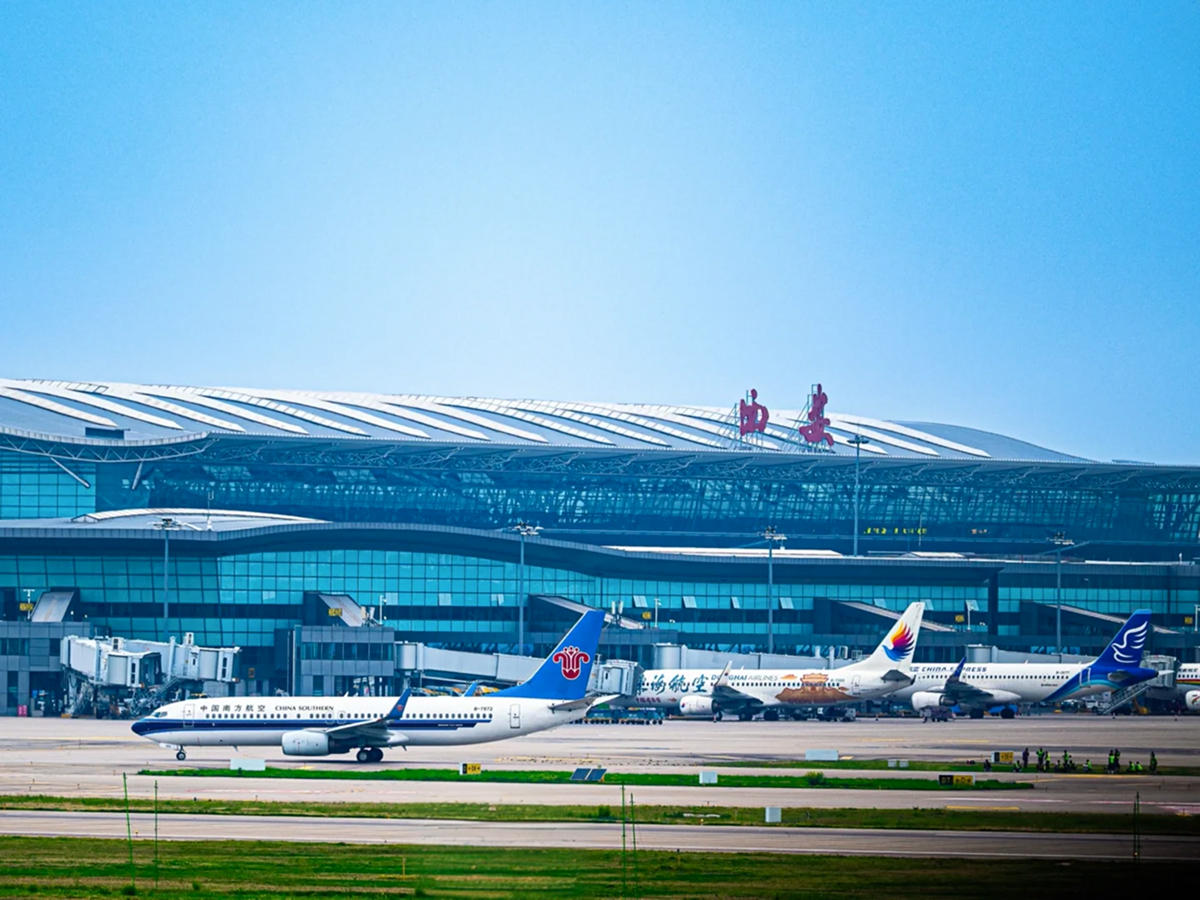
Trigger 1: Four segments or fewer, city-center to city-center. On routes under 4 hours, door-to-door time on high-speed rail is almost always shorter than flying. Airport transfer (outbound, security, boarding, flight, arrival, onward) adds 2–3 hours on each end. Rail stations in China sit inside or adjacent to city centers — Beijing South, Shanghai Hongqiao, Xi'an North. Your car is waiting at the platform. No shuttle bus.
Trigger 2: Heavy luggage or traveling with elderly guests. High-speed rail has no checked baggage limits. You carry what you carry. There is no weigh-in, no overhead roulette, no one telling you your bag is one centimeter over the cabin limit. Boarding a train takes minutes — not the 90-minute airport arrival buffer that international carriers require. For guests with mobility considerations, this alone can determine whether a transfer is feasible.
Trigger 3: Evening events or tight dinner reservations. Flights out of major airports run on set schedules with limited slots. A delayed departure compounds into missed restaurants and canceled meetings. Rail runs more frequently and is less prone to the cascading delays that plague hub airports during peak hours. If you have a fixed evening commitment in the destination city, rail removes one variable.
Trigger 4: Short-haul corridors — Beijing–Shanghai, Beijing–Xi'an, Shanghai–Hangzhou. These three routes cover a large share of private itineraries. The math is blunt:
For most private trip plans, these corridors are decided. Rail wins.
Rail loses on distance and geography. Three situations where flying is the clear call:
Rail is not just a logistics choice — it shapes what itineraries are possible. The 9 TTQ products that include domestic high-speed rail segments do so because rail is faster and more reliable than the equivalent flight on those corridors.
Three examples from current products:
In each case, the rail segment is already embedded in the itinerary. The traveler does not choose it separately — it is the logical tool for that leg.
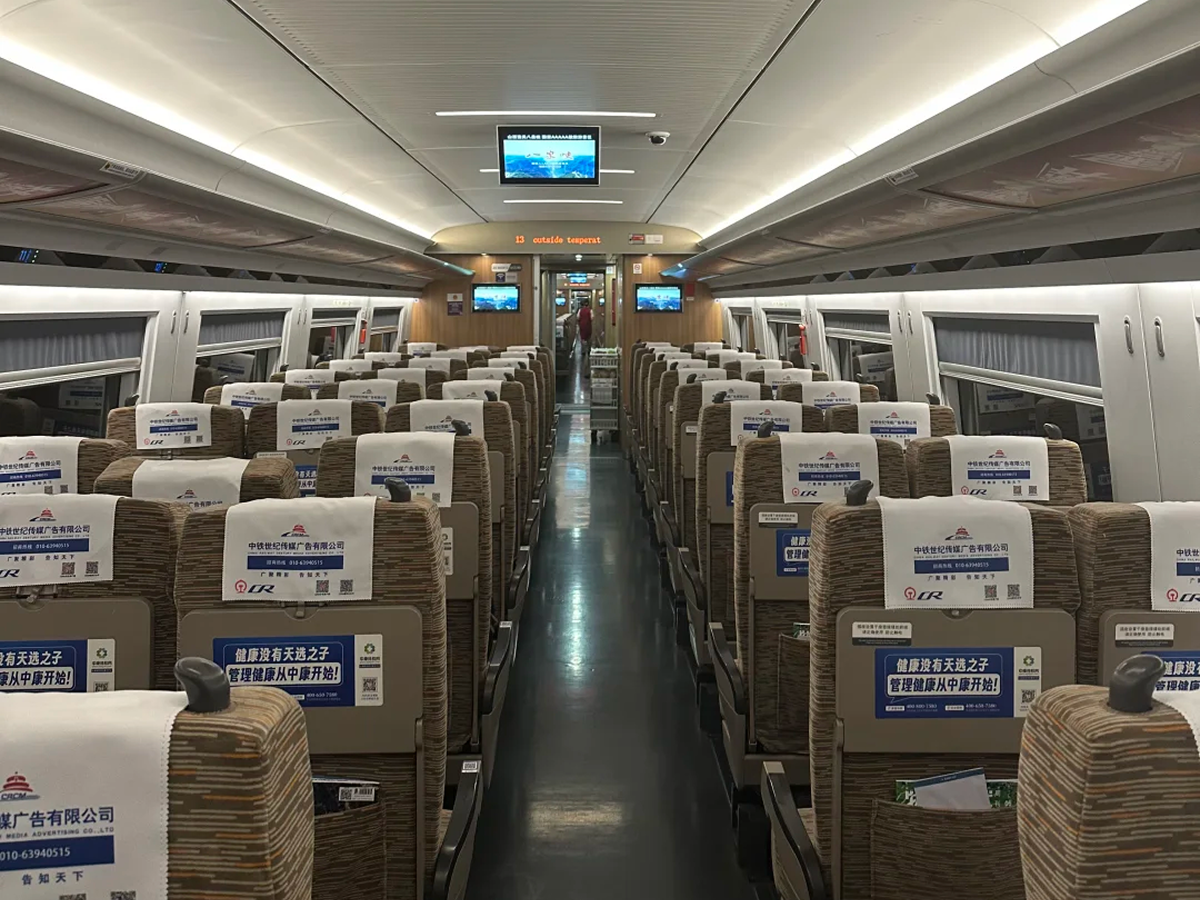
China's high-speed rail is functional and efficient. Seats are comfortable, toilets are clean, the ride is smooth, and food service is available on longer routes. That is the baseline.
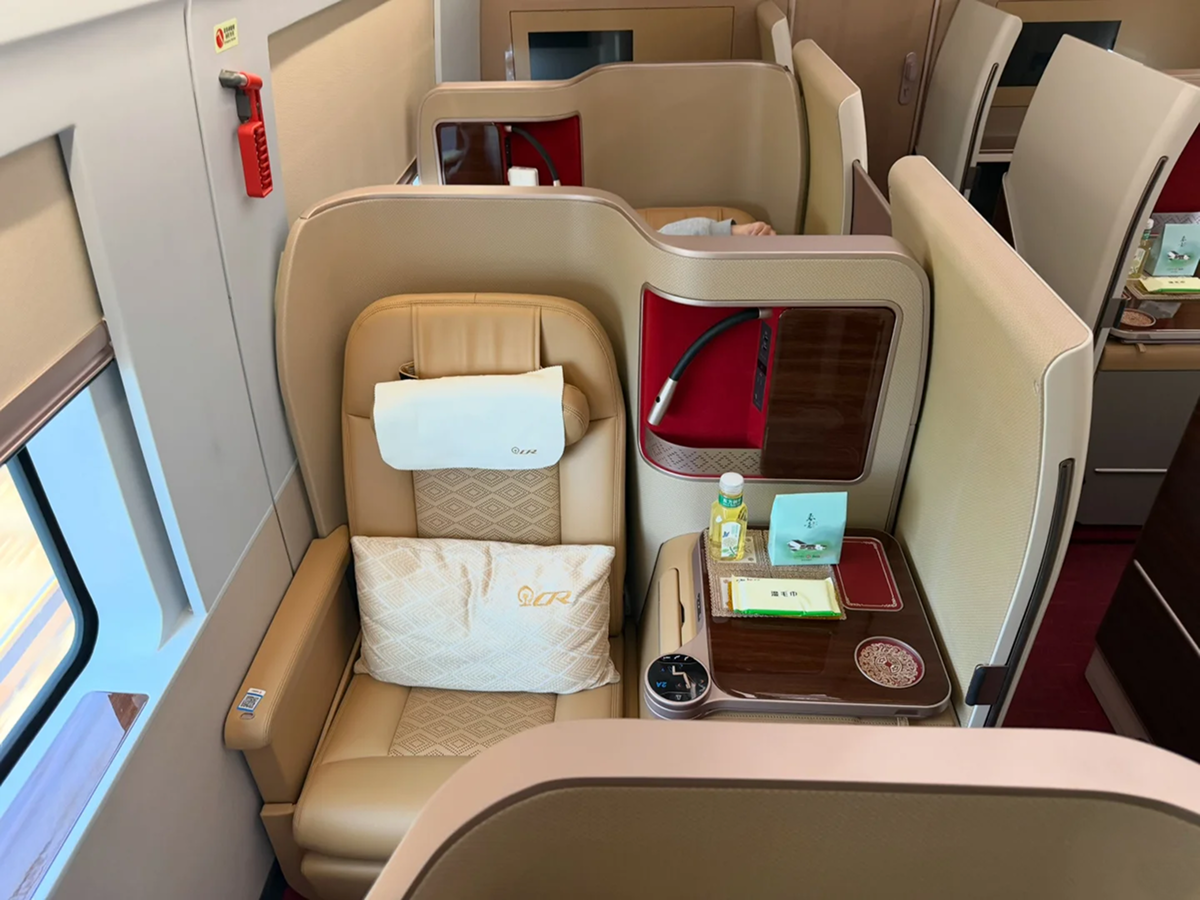
It is not a luxury experience by default. Seat classes vary — Second Class is a transit seat, Business Class on G-trains is a different product with wider seats and better service. The gap between classes is real and worth understanding before you book.
For a full breakdown of seat types, see our seat class guide. For a broader introduction to the network, see the high-speed rail overview. Neither topic is repeated here.
Channel. The official 12306 platform is the source of truth for availability and pricing. Trip.com aggregates availability from multiple sources and is reliable for international cards. If you are traveling with a private ground operator, they will usually book through 12306 on your behalf — verify this before departure, not after.
Station. Major cities have multiple stations. Beijing has Beijing (old), Beijing South (most G-trains), and Beijing West (some G and D). Shanghai has Shanghai and Shanghai Hongqiao (most G-trains). Your hotel and your onward destination may be closer to one than the other. Check the station before you check the schedule.
Seat class. Business, First, and Second are the three tiers. Business on G-trains has lie-flat or semi-lie-flat seats on most routes. First is a wide reclining seat. Second is a standard coach seat. For journeys over 3 hours, First Class meaningfully changes the experience. For 45-minute hops like Shanghai–Hangzhou, Second Class is perfectly adequate.
Fares and timetables on high-speed rail change with each seasonal schedule adjustment (typically in January and July) and are subject to surcharges during national holiday periods. Day-of travel on 1 October or 1 May is not the day to discover your preferred departure is sold out.
Before locking a transfer day into a private itinerary, check the 12306 schedule for that specific date — not just the route. The gap between a smooth rail transfer and a stressful one is often one wrong departure time.
For holiday-period timing and how tiao xiu (调休, compensatory workdays) affects station congestion, see the holidays in China guide. Holiday-period station crowds are a real friction point that is avoidable with one extra calendar check.
A fine hotel shapes the warmth of every journey