




























We Are With You
- A Travel Consultant Rooted In China
- Immediate Response, No Need To Wait!
- Direct Contact, Highest Value
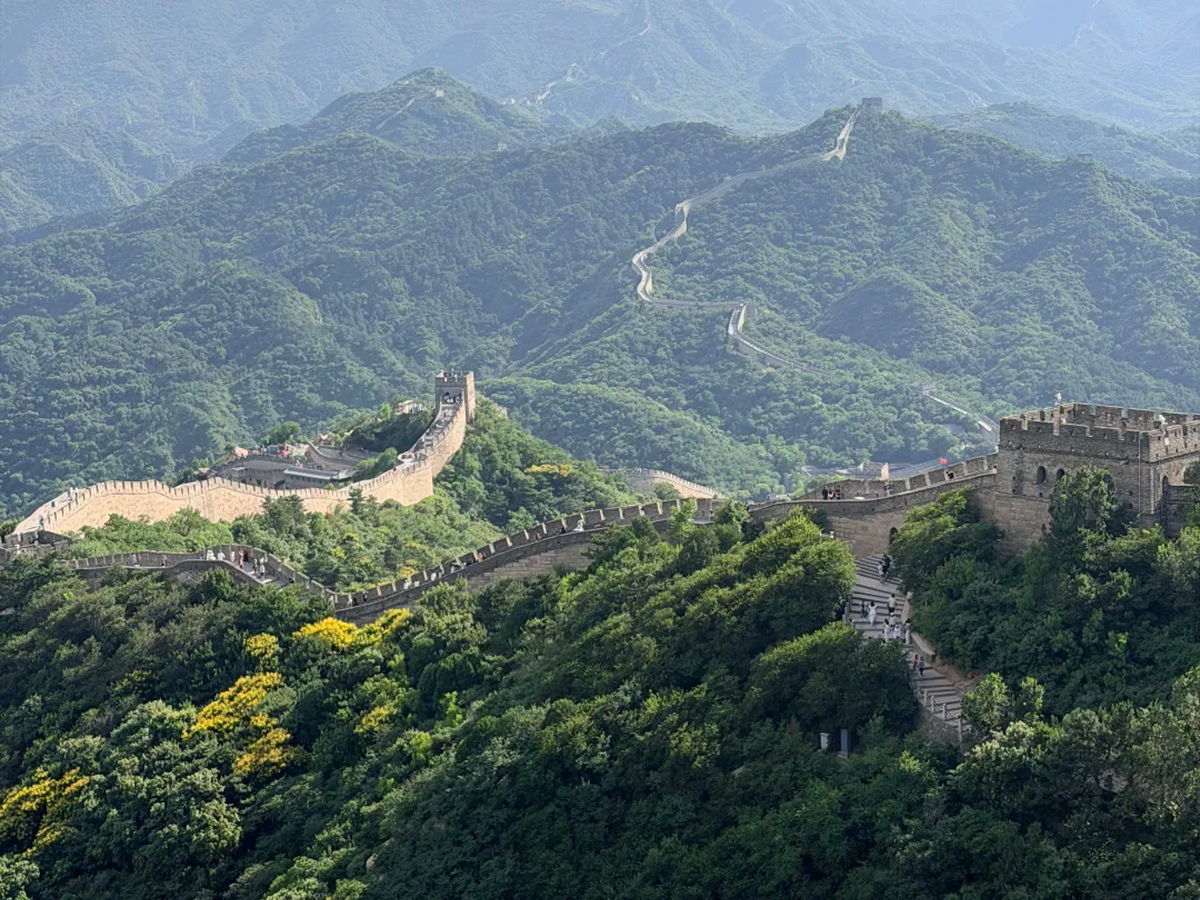
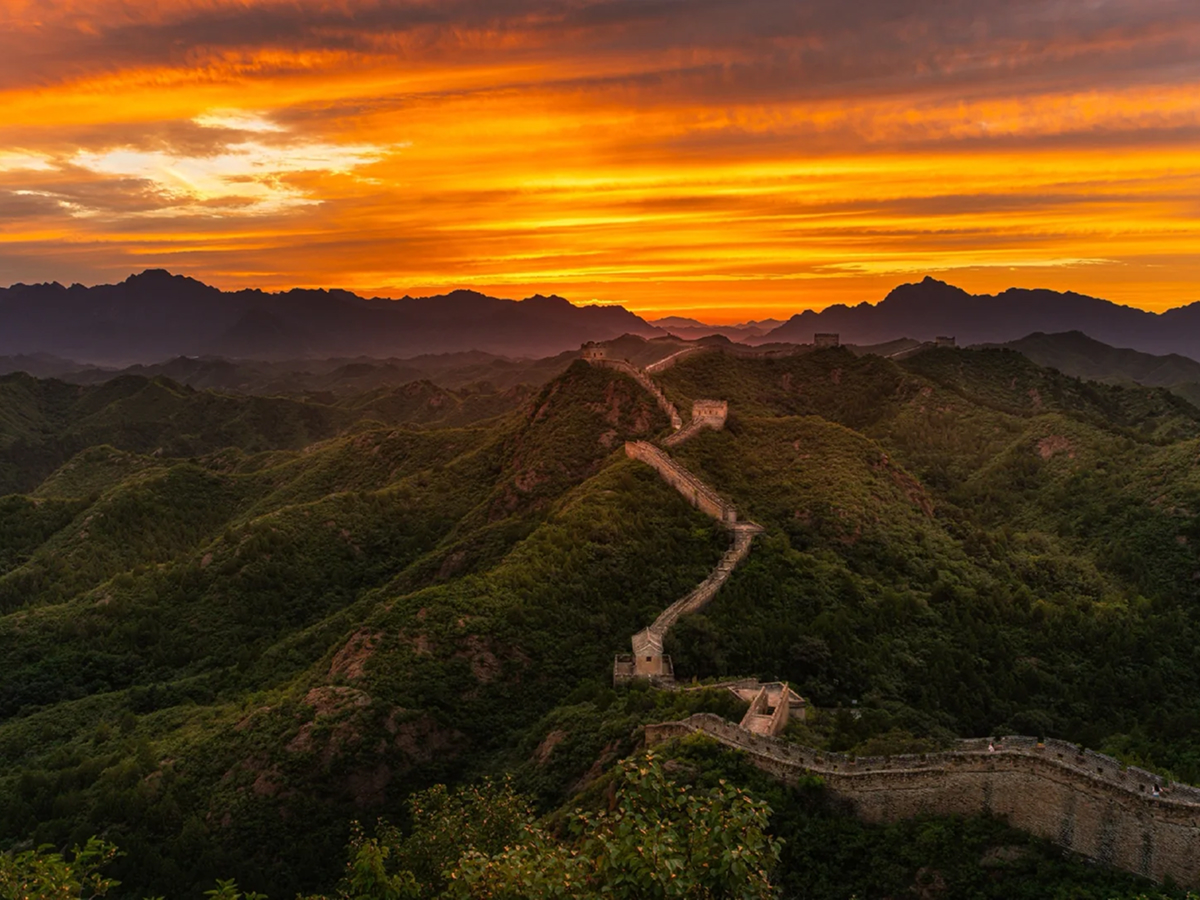
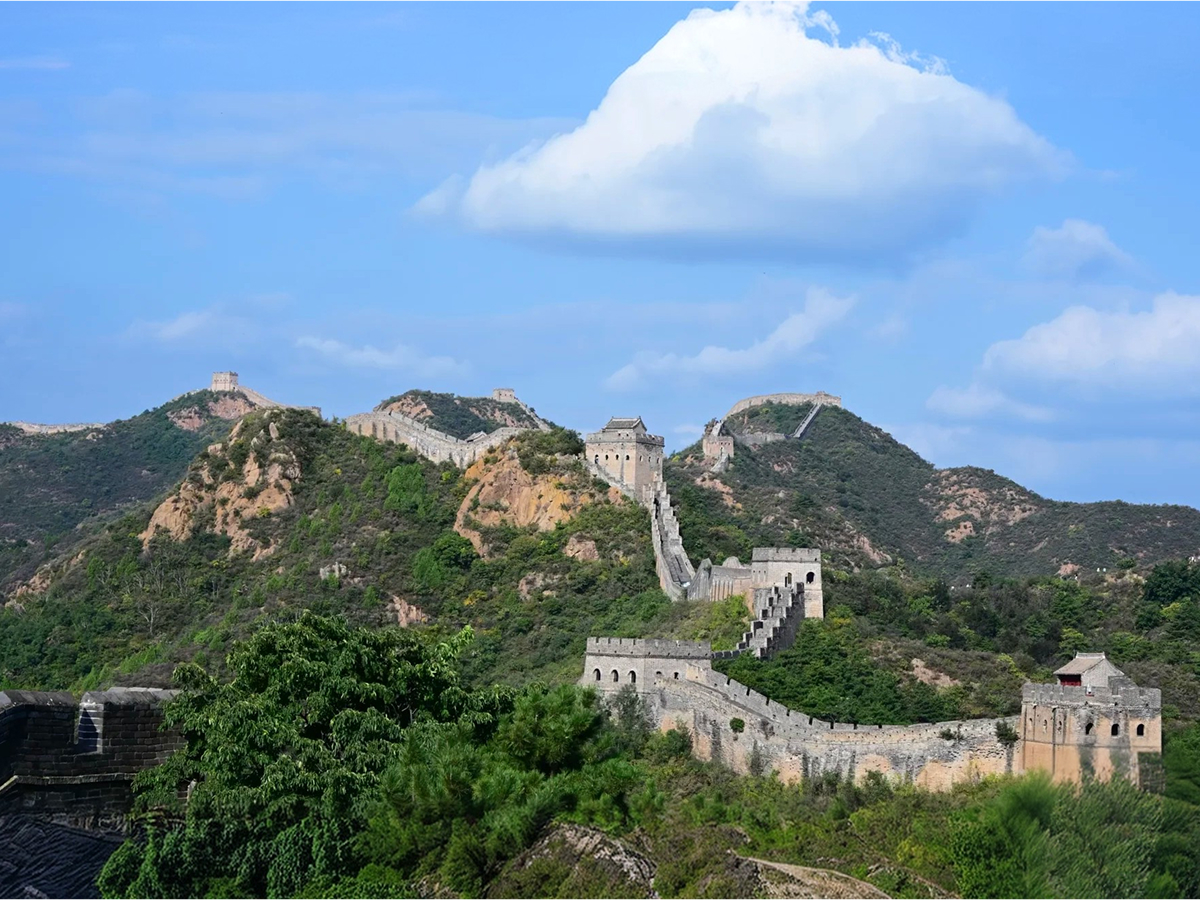
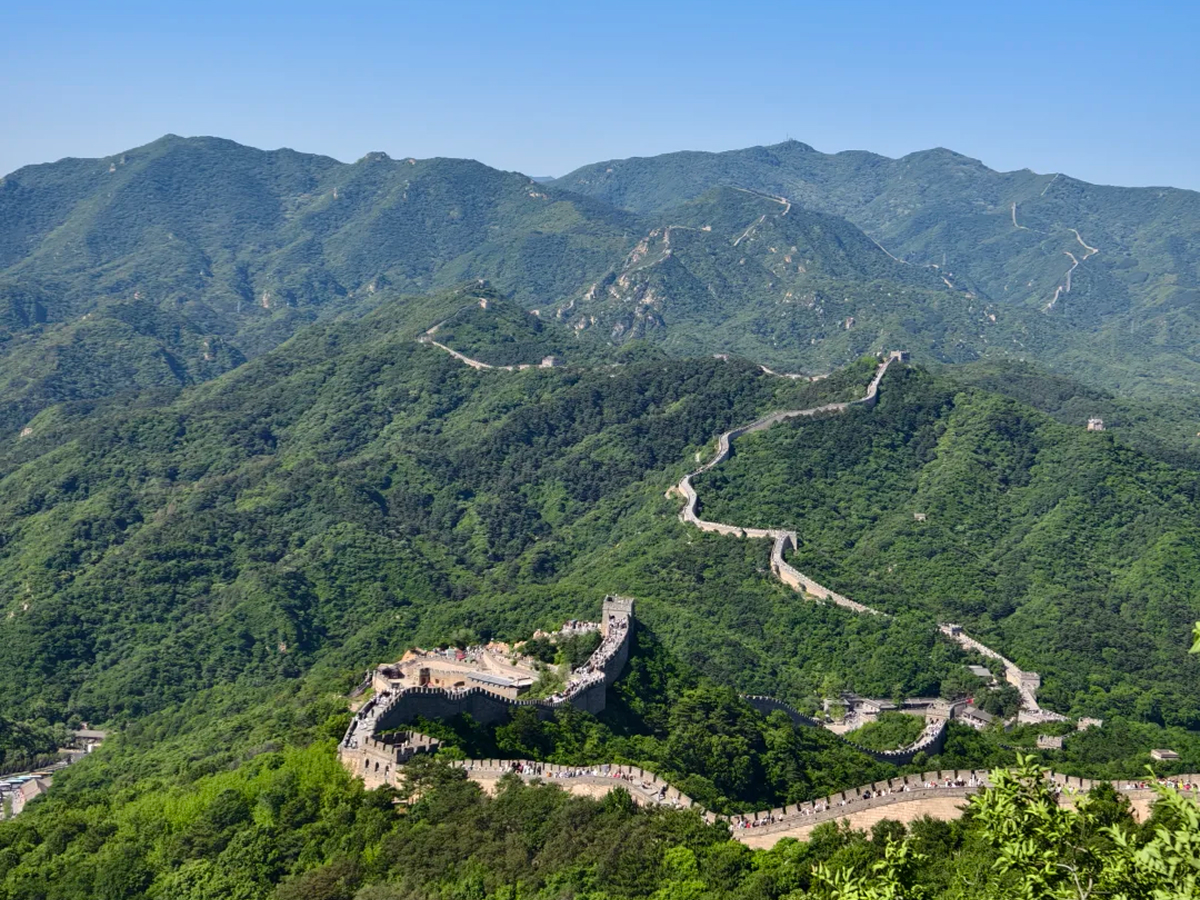
Most search results for "Beijing with the Great Wall" return day-trip products. Leave the hotel at 7 a.m., get to the Wall at 9, back by 5. That is one way to see the Wall. It is not the only way, and it is not necessarily the right way for a private trip.
The Great Wall is not a theme park add-on. It takes a full day. Getting to it, being on it, and getting back to the city — with time actually spent at the Wall rather than queued — consumes most of a daylight window. When you slot a wall visit into a Beijing itinerary, you are not adding a stop. You are deciding what the day is about.
TravelToQin does not sell day trips. The question this page answers is how a private, customized Beijing itinerary divides time between the Wall and the city — and which of our products maps to which wall section and which day shape.
Five Beijing products include a wall day. Each targets a different traveler type and a different wall section. None of them are shared-group tours
Prices are not listed here. Each product card carries its own starting price and inclusions. Follow the links above for current details.
Of the five standard wall sections — Badaling, Jinshanling, Jiankou, Mutianyu, and Simatai — Mutianyu is the default on every Beijing product for a simple reason: it is the one section where the physical access matches the visitor's energy on arrival.
The cable car reaches the wall ramparts without a sustained climb. The toboggan ride comes down. For guests traveling with elderly companions, with children, or in the summer heat, this matters. The Wall is the same wall on every section. The experience of getting to it and back is not.
Badaling is not on any standard product. It handles 70,000 to 80,000 visitors per day in peak season. Queues for the cable car alone can exceed two hours in October. A private itinerary does not absorb that friction — it avoids it by not going there.
Jinshanling and Jiankou require physical fitness and proper footwear. Jinshanling in particular is popular with hikers and photographers, which is its own kind of crowd. Neither section is reachable by cable car. If a guest wants either of these, it is a specific upgrade conversation, not a standard day.
Simatai night — the section that receives the lantern lighting — is a separate product tier (5D4N and above). It is not accessible during the day as part of the same itinerary. The night visit is a distinct evening commitment that starts around 6 p.m. and ends by 9 p.m. It does not replace a daytime wall visit.
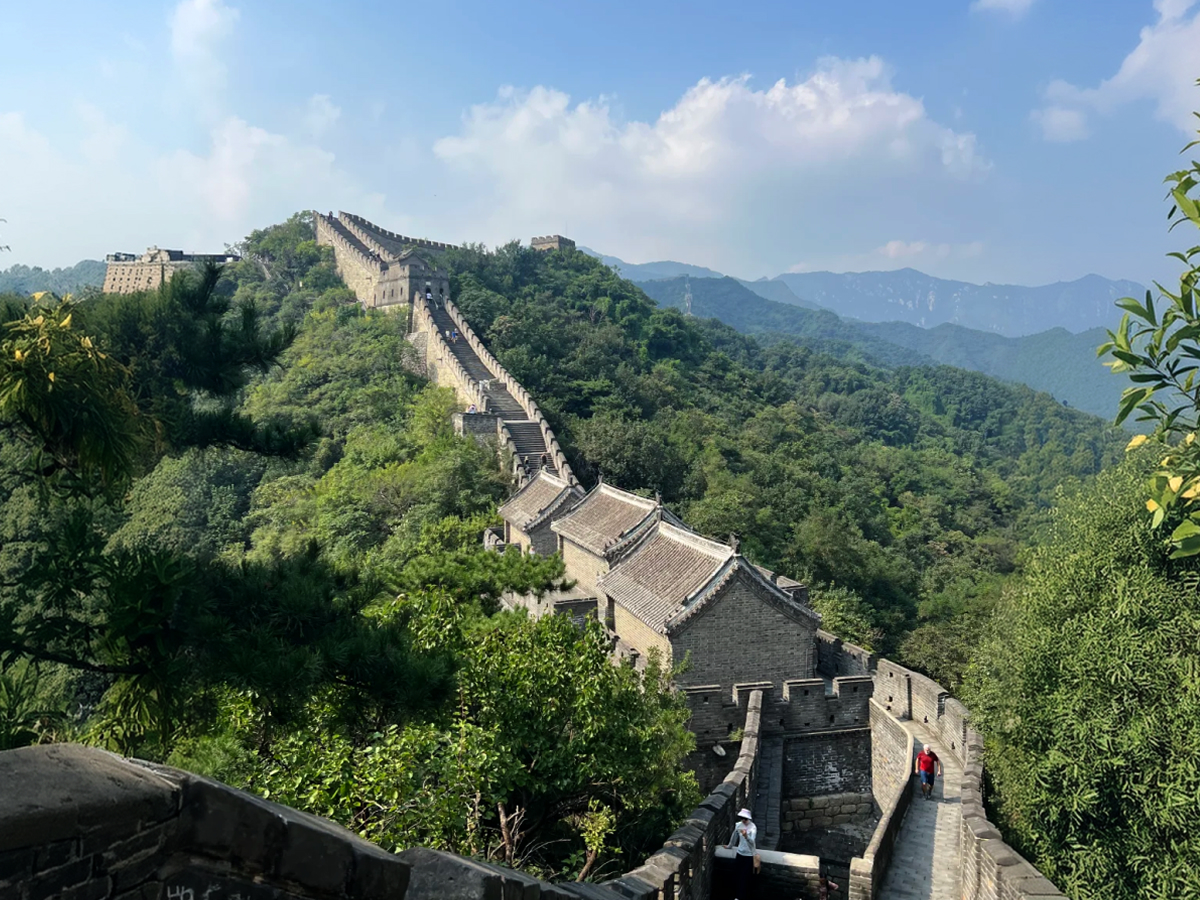
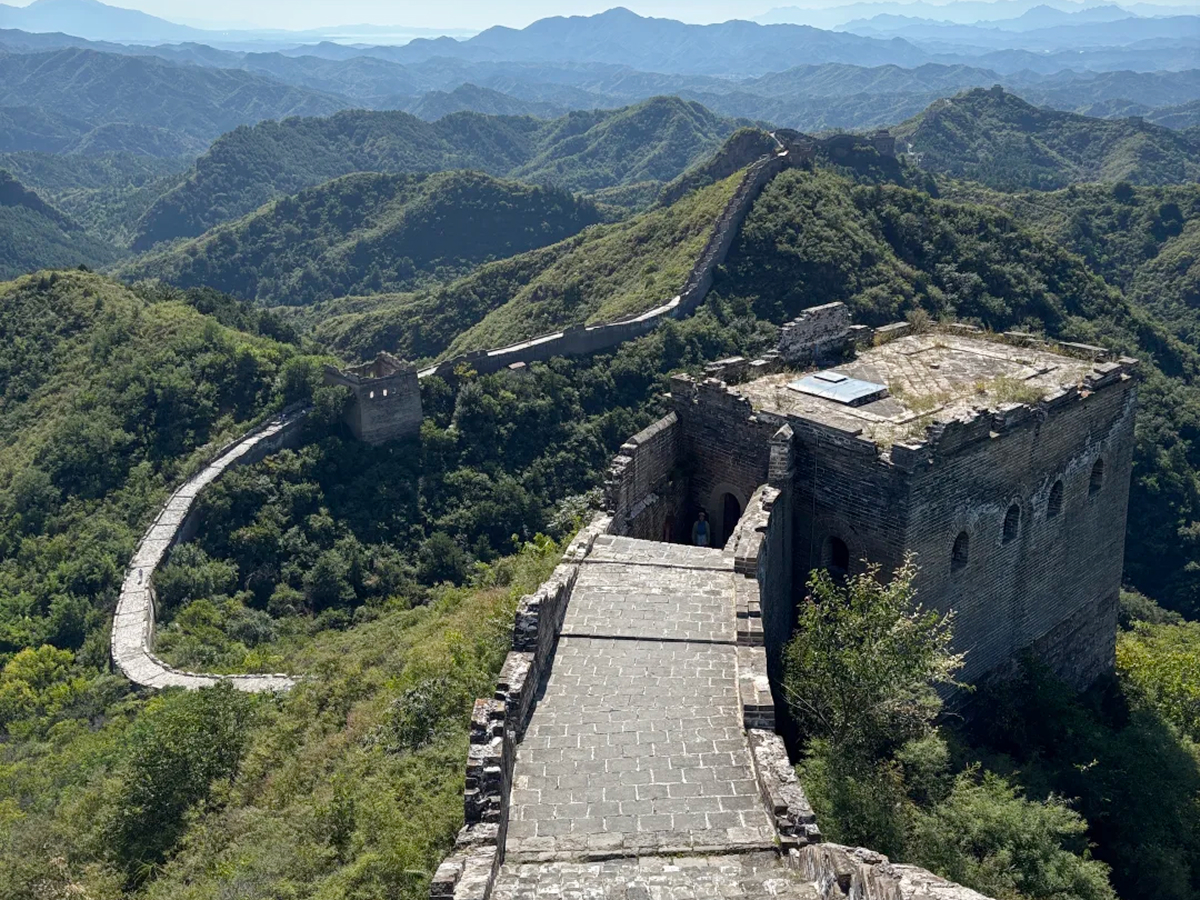
Most Beijing guests should stay on Mutianyu. Three situations push toward an alternative:
Second visit to China, or second visit to the Wall. If a guest has already done Mutianyu in daylight, the Simatai night visit offers something genuinely different — the wall lit up against the hills, fewer people, a different visual register. The 5D4N product is the standard vehicle for this.
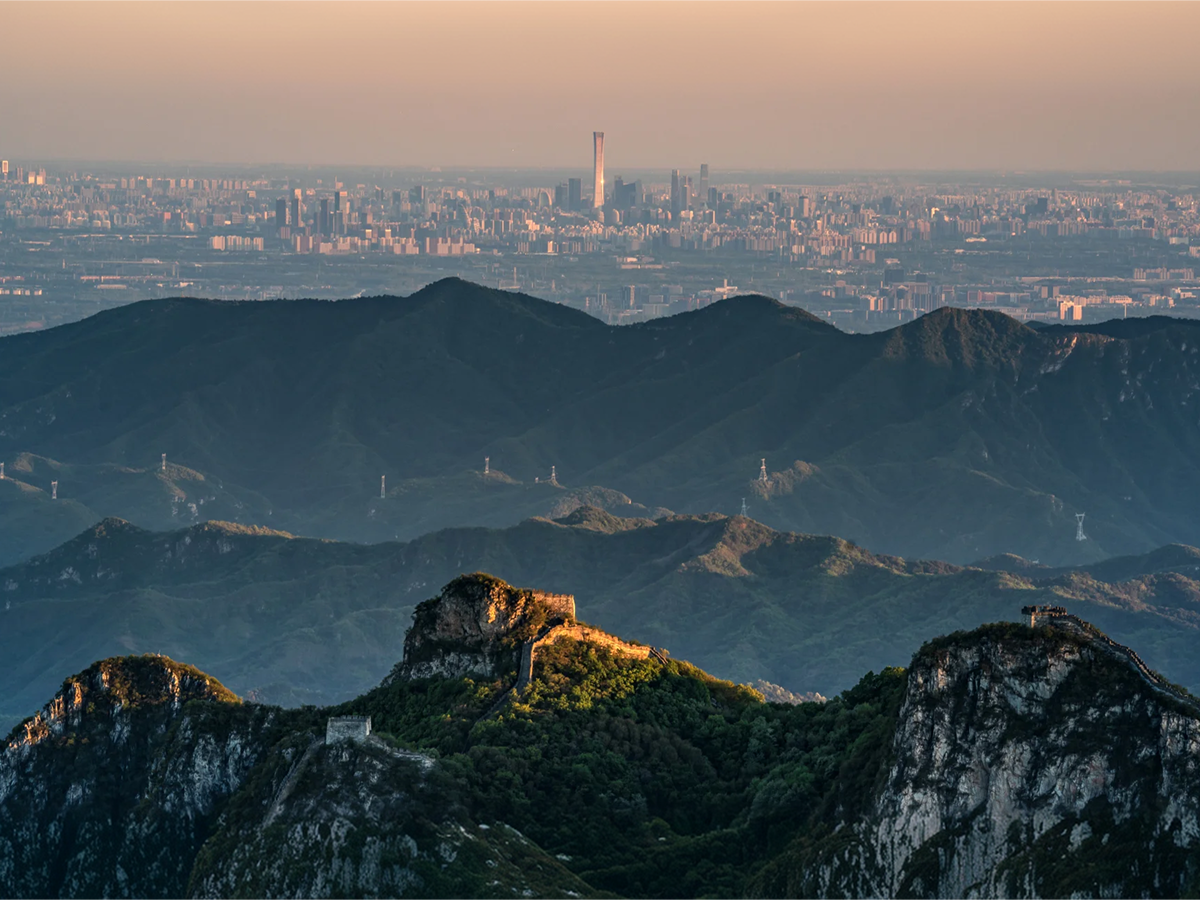
Photography. Sunrise at Mutianyu and the early-morning light on Jinshanling are both legitimate reasons to shift the day start. Neither is accessible on a standard shared-tour schedule. A private car and an early departure make both possible, but they require advance notice.
Physical preparation and the desire for a real hike. Jiankou to Mutianyu is a full half-day on steep, uneven terrain. It is not a scenic stroll. Guests who want this should confirm their fitness baseline with their guide before the day, not on arrival. It is not included in any standard SKU and requires a separate upgrade conversation.
These three paths — night wall, photography start, real hike — do not overlap in the same itinerary. Adding more than one wall objective to a single Beijing day is how the day stops working.
This page covers how a private Beijing itinerary handles the Wall — which sections, which day shapes, which products. It does not cover:
The product names encode the wall day shape. Here is how to read them:
Note on working days around national holidays. Do not schedule a wall transfer on the first working day after a Golden Week holiday. Station congestion on those days replicates holiday crowds. If the Wall falls near a holiday period, push the wall day to the middle of the stay, not the edges.
Can arrange: a dedicated vehicle and guide for the wall day; private access to Mutianyu without a shared group; a car waiting at the wall exit so the return to the city does not require a public bus queue; cable car and toboggan tickets booked in advance; a Simatai night visit for guests on 5D4N and above; a early-morning or late-afternoon wall visit that matches hotel checkout or arrival timing.
Cannot arrange: priority access that bypasses the standard cable car queue during peak season (Mutianyu's queue is a physical reality, not a service gap); access to Badaling as a private option on any standard product; camping on the Wall or overnight stays at Jiankou; a same-day wall visit and a full city circuit on a 3D2N shape — the day does not hold both.
Three conditions that affect the wall day regardless of which product you are on
A fine hotel shapes the warmth of every journey