Best Month to Visit China: A Month-by-Month Decision Matrix
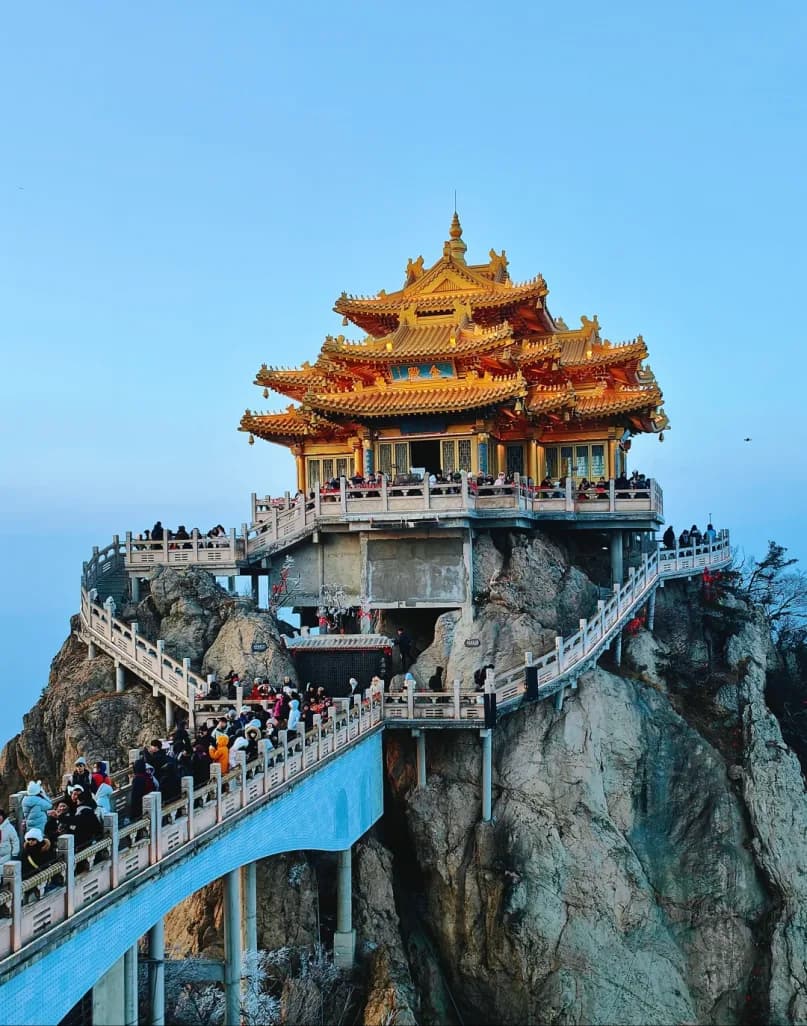
The best month to visit China is not one fixed answer. April, May, September, and October often look safest on weather charts, but a private trip works better when you match the month to the region, the holiday crowd pattern, and how much movement your party can handle.
Use this as a decision matrix, not a weather table. If you already know your cities, compare the month against your route. If dates are fixed, choose regions that behave well in that month. Statutory holiday dates are not reprinted here; they live on the calendar page.
The strongest months for most first trips
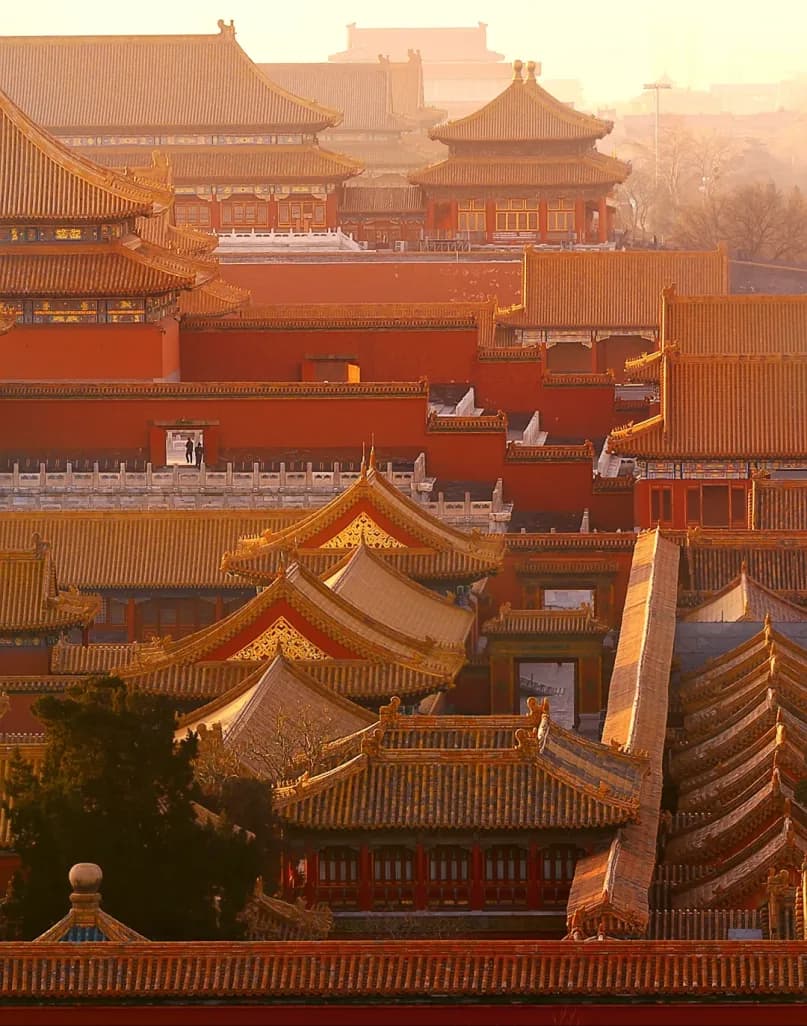
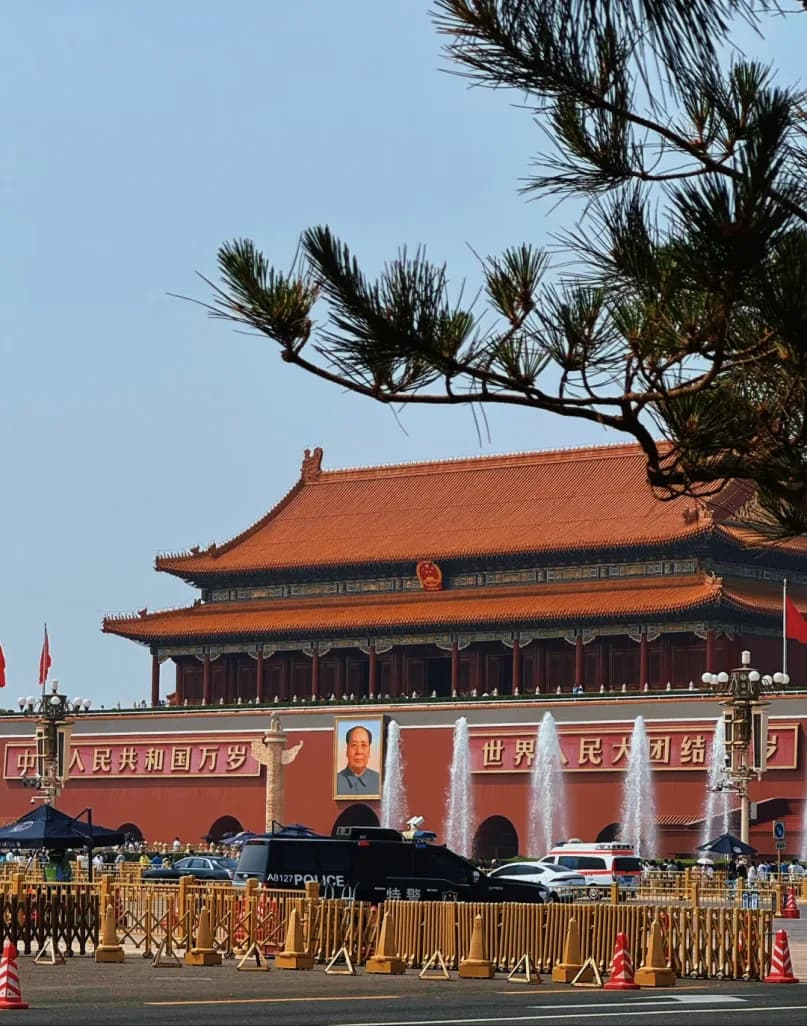
April after the Qingming block, May after Labor Day, late September if you can sit between Mid-Autumn and National Day, and mid-to-late October after Golden Week: those windows usually give the classic corridor (Beijing, Xi’an, Shanghai) walkable weather without the longest national-movement weeks. They are still not empty. They are simply easier than the blocks on either side.

Month-by-month decision matrix
Crowd and hotel notes assume a first-trip corridor unless another region is named. Holiday names point to the calendar page; this list does not lock a file number.
- January — North is cold and often clearer. South is milder. Spring Festival can sit in late January or in February; check the calendar year you fly. Fits: Harbin ice if you accept the cold. Poor fit: a rushed three-city corridor in the festival week.
- February — Often the Spring Festival peak. Trains and hotels move first. Fits: one city plus a buffer, or a holiday you meant to see. Poor fit: Beijing–Xi’an–Shanghai as a walking corridor inside the nine-day block.
- March — North is still cool; Jiangnan starts to open. Fits: cities that do not depend on blossom as a product. Poor fit: counting on a single “perfect cherry week” as the spine.
- April — Strong for Beijing, Xi’an, Shanghai, Suzhou, Hangzhou, Guilin, and lower Yunnan before heavy humidity. Qingming is a short national peak—shift off those three days if you can. Fits: first-trip corridor. Poor fit: landing on Qingming day one and stacking two heritage sites.
- May — Warm evenings, broad corridor weather after Labor Day. The five-day Labor Day block is a smaller National Day. Fits: corridor plus a lake or karst add if you have nights. Poor fit: treating May 1–5 as a quiet bargain week.
- June — Humidity rises in the east and south. Dragon Boat is three days. Fits: higher, drier west if that is already the trip. Poor fit: long outdoor wall days at midday in the humid east without a rest plan.
- July — Heat and rain in much of the east; school travel. Fits: highland Yunnan or a coast you chose on purpose. Poor fit: a packed corridor with no indoor backup days.
- August — Still hot in the lowlands; typhoon risk on some coasts. Fits: the same as July if you already accepted summer. Poor fit: adding a fifth city because “the kids are off school.”
- September — Often the best shoulder after summer humidity drops. Mid-Autumn is a short public break. Fits: corridor and Jiangnan. Poor fit: treating the Mid-Autumn weekend as empty.
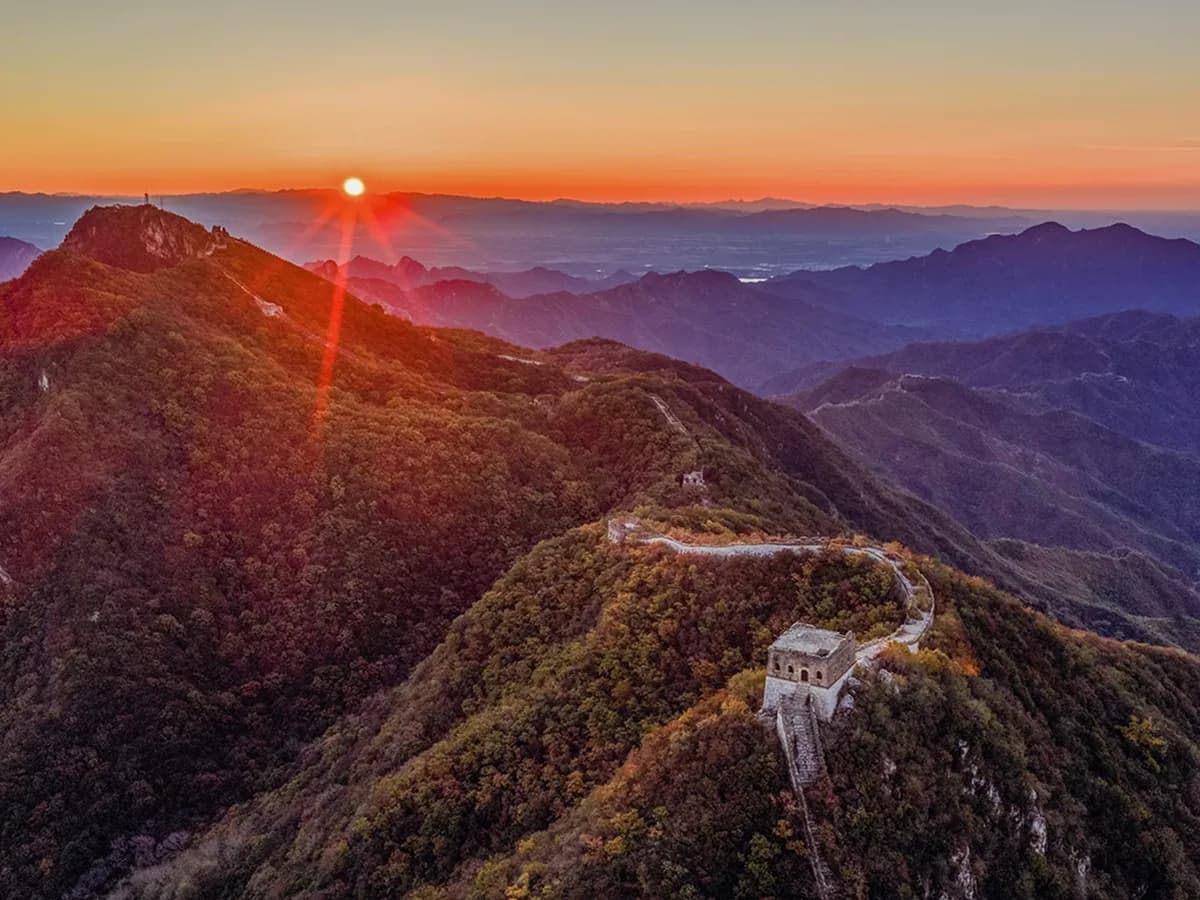
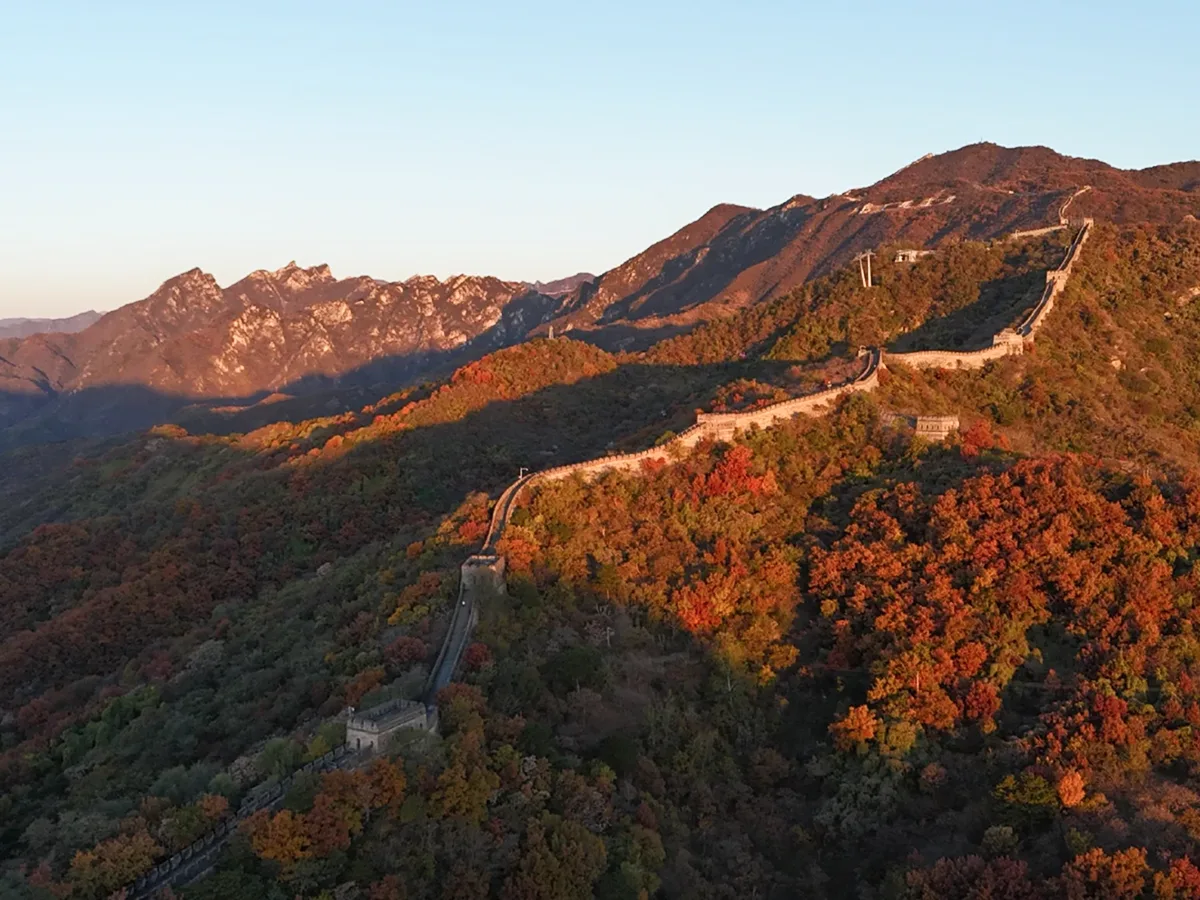
- October — National Day is seven days of national movement. After the block, autumn light on the wall and in Jiangnan is the usual prize. Fits: mid-to-late October corridor. Poor fit: 1–7 October as a two-week three-city walk.
- November — Cool, often clear in the north; south still mild. Fits: Beijing wall days, Xi’an, Shanghai without summer haze. Poor fit: counting on highland flowers that already finished.
- December — North is cold; lights and fewer tour buses on some weekdays. Fits: one or two northern cities, or south if you want mild. Poor fit: a desert-and-wall dash with short daylight and no buffer.

Best month by travel style
- First corridor trip — April–May or September–October, off the statutory blocks.
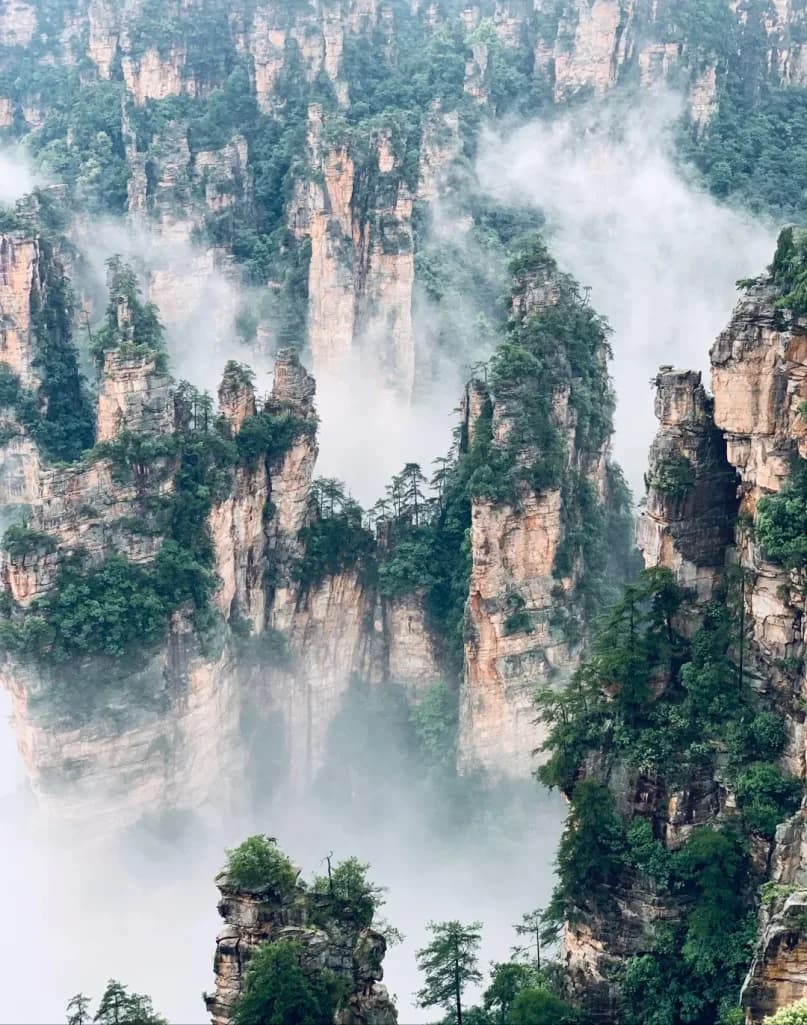
- Karst and lakes — April–June or September–October; summer still works if you accept rain.
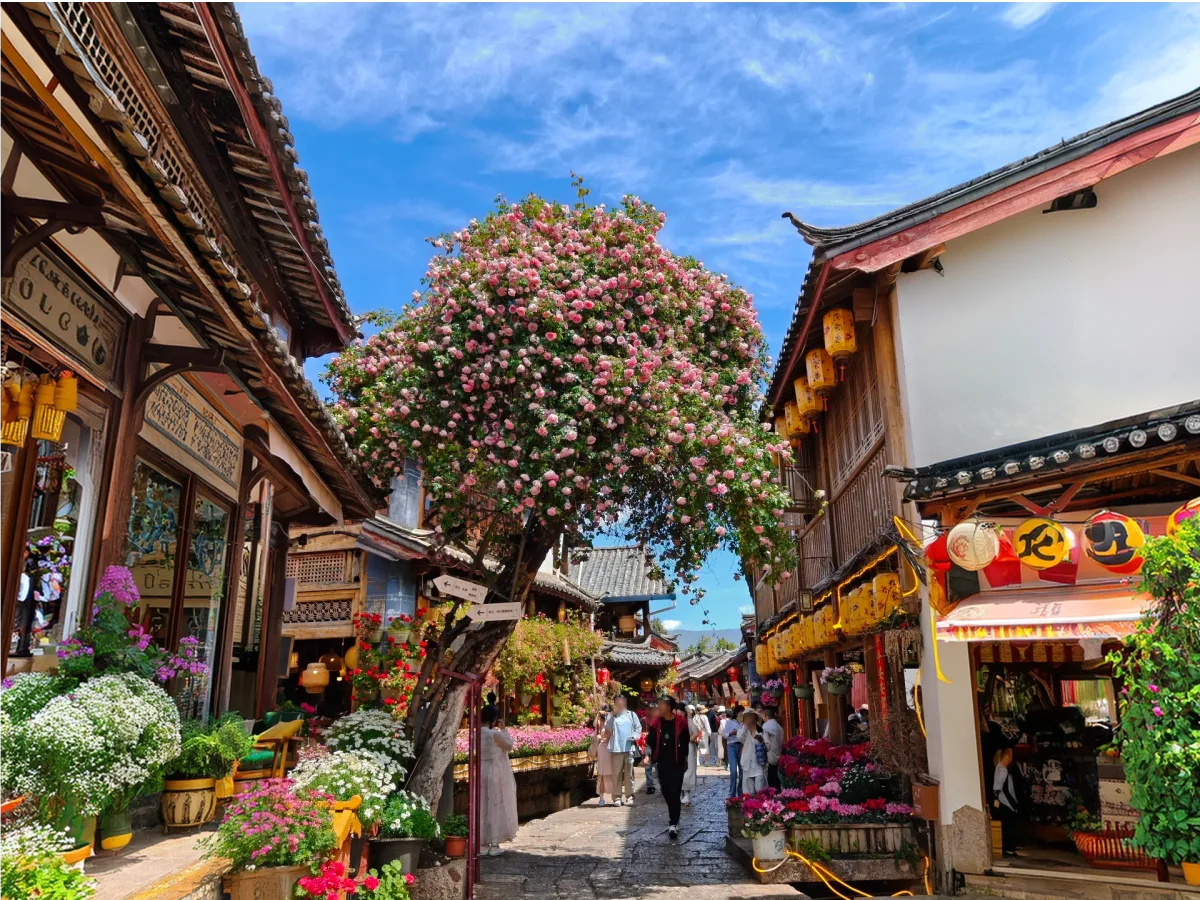
- High Yunnan — late spring and autumn; altitude and rain are the constraints, not a national holiday name.
- Ice and snow — January–February in the northeast, knowing Spring Festival can sit on top of it.
What weather charts miss
A pleasant average temperature does not mean a quiet Forbidden City. School holidays and statutory blocks move hotels and 12306 seats first. Private ground can change the hour you arrive at a gate. It cannot empty a national holiday.
READ NEXT: the current statutory blocks and makeup workdays — holidays in China. Season language without a month grid: best time to visit China. Spring Festival on the ground: visiting China during Chinese New Year.
Month and cities already named? Contact with those two facts. TravelToQin plans private ground; we do not move the State Council calendar.