Wuhou Temple Chengdu: Plan a Half-Day, Not a Rushed Stop
Wuhou Temple Chengdu is a half-day stop, not a rushed add-on. Many visitors try to squeeze it between pandas and dinner, then leave with a blur of halls and no sense of the Three Kingdoms story. That is the wrong way to use the temple.
The temple sits next to Jinli Street, which makes it easy to combine the two. But the pairing only works if you give the temple enough time before walking over.
Wuhou Temple Deserves a Half-Day
Wuhou Temple is best visited as a deliberate half-day stop, not a rushed add-on, to make sense of its Three Kingdoms story before moving on. The halls and gardens are compact, but the historical narrative rewards slow reading of the displays. If you rush, you will leave with a few photos and no context.
Half day: arrive at opening, spend about two hours inside, then walk to Jinli for lunch and a slow browse. That gives you the temple's story and the street's atmosphere without feeling hurried.
- Three Kingdoms halls: the core narrative lives here; read the displays slowly.
- Gardens: small and quiet, good for a short pause between halls.
- Jinli link: next door, but only after you finish the temple.
This is a half-day, not a one-hour checkbox. If your Chengdu itinerary already has People's Park and Jinli on the same day, you can link them, but the temple still needs its own block of time.
Pair It with Jinli, Not More
The temple pairs naturally with Jinli Street next door, but you need at least two hours to cover the core areas without feeling rushed. Jinli is a reconstructed Qing-dynasty commercial street, not a heritage site. That is context, not a tour script.
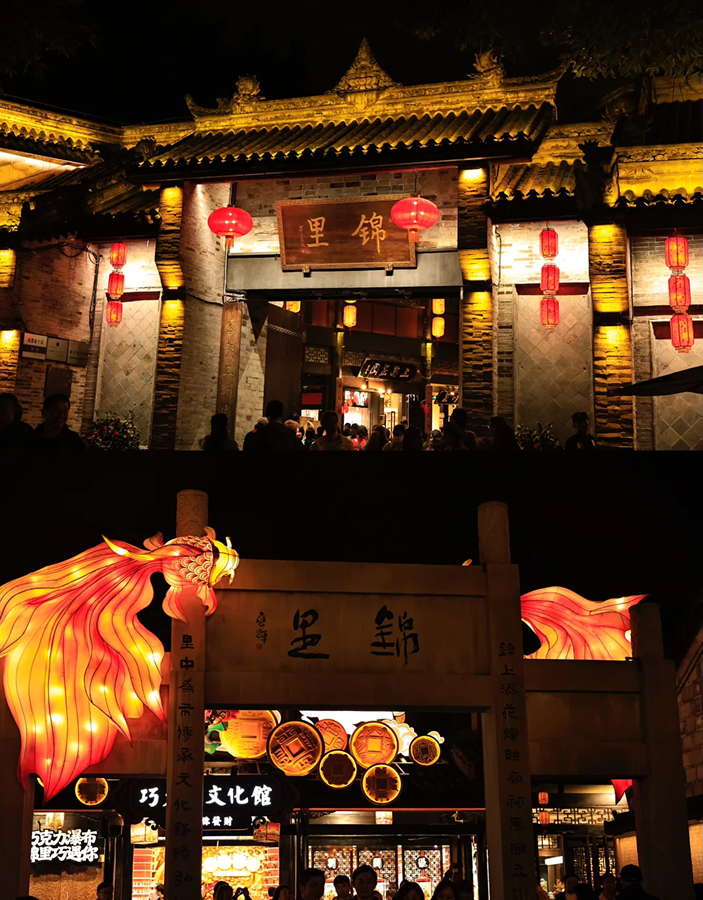
Order matters: temple first, then Jinli. If you do Jinli first, you will arrive at the temple tired and with less patience for the displays.
- Temple first: two hours for the halls and gardens.
- Jinli second: walk over for lunch or a snack, then browse at your own pace.
- No extra sights: do not add another stop; this pairing is already a full half-day.
For a balanced city day, see Chengdu Tourist Attractions: Sequence Teahouses, Pandas, and Old Streets.
Morning Arrival Beats Afternoon Crowds
Morning arrival helps avoid the heaviest crowds, especially if you plan to walk through Jinli afterward. The temple opens early, and the first hour is usually calmer. By late morning, tour groups fill the main halls.
Early start: be at the gate at opening. You will move through the halls with fewer people and have better light for photos.
- Arrive at opening to beat the tour groups.
- Plan two hours inside before the midday rush.
- Walk to Jinli before lunchtime to avoid the densest crowds.
If you are staying in central Chengdu, a taxi to the temple takes about 20 to 30 minutes without traffic. Add extra time if you leave after 8:30 AM.
Link from People's Park by Taxi
If your itinerary already includes People's Park, you can link Wuhou Temple and Jinli in the same afternoon with a short taxi ride. The drive is roughly 15 to 20 minutes, but Chengdu traffic can stretch that to 30 minutes or more during peak hours.

Afternoon plan: morning at People's Park, lunch nearby, then taxi to Wuhou Temple for a two-hour visit, and finish at Jinli. This works if you do not mind a later temple arrival.
- Taxi from People's Park to Wuhou Temple: about 15 to 20 minutes without traffic.
- Allow 30 minutes or more if you leave between 5 PM and 7 PM.
- Use a ride-hailing app or ask your hotel to call a taxi.
For more on People's Park, read People's Park Chengdu: Plan a Morning Before Tourist Streets.
Check Official Entry Before You Go
Wuhou Temple's ticket price, opening hours, and reservation rules can change. Always check the official Wuhou Temple website before finalizing your plan. Do not rely on third-party sites or old forum posts.
- Confirm current opening hours on the official site.
- Check if advance reservation is required.
- Bring your passport; it is needed for ticket purchase.
We cannot guarantee priority access or private access. We can help you time your visit and arrange a private car and guide, but entry rules are set by the temple.