Chengdu Tourist Attractions: Sequence Teahouses, Pandas, and Old Streets
Most visitors to Chengdu try to see the pandas, the old streets, and a teahouse in one rushed day. That order works against you. Chengdu tourist attractions reward a different sequence: teahouse first, pandas in a dedicated half-day, old streets only if you filter the commercial.
This guide is for first-time visitors who want local leisure without the tourist traps. We cover the three core experiences and how to pace them across three to five days.
Teahouse Morning Sets the Pace
Start at People's Park teahouse in the morning to experience local leisure before crowds build. The park's open-air teahouses fill with mahjong players and chatty regulars by mid-morning, so arriving early gives you a calmer view of daily life.
Why Morning Matters for Teahouse Culture
Morning is when locals actually use the teahouse, not when tour groups pass through. You see the rhythm of Chengdu leisure: tea poured, tiles shuffled, conversations drifting under the trees. Afternoon brings more visitors and a different energy.
How Face-Changing Fits into a Teahouse Visit
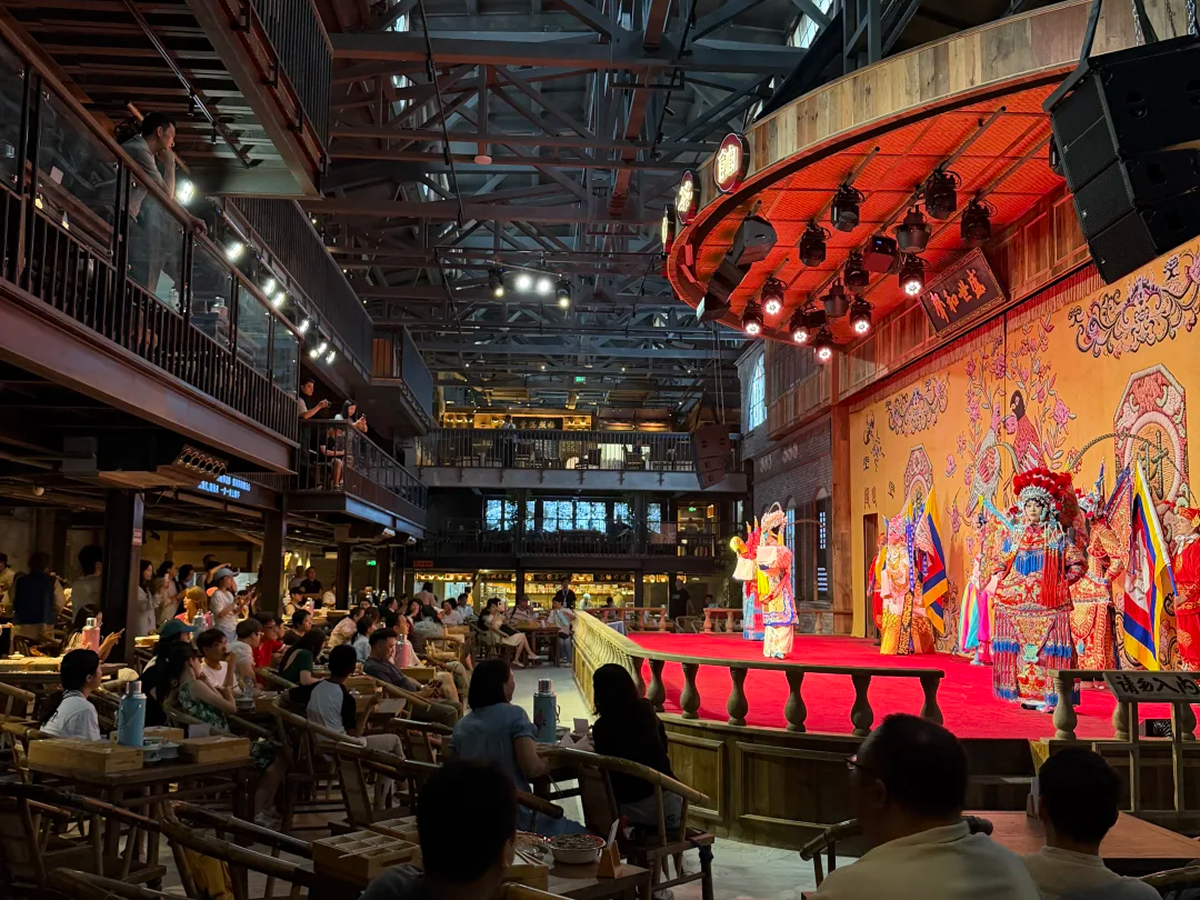
Combining Sichuan opera face-changing with a teahouse visit offers a more authentic local experience than a separate theater show. The performance happens in the same casual setting where locals already spend their time, so you get context instead of a staged production.
- Timing: Morning teahouse visit before lunch, face-changing performance during your tea session.
- Setting: Traditional teahouse inside People's Park, not a separate theater.
- Pace: Slow tea, watch the performance, then leave before the midday rush.
This sequence works for travelers who want cultural immersion without a full evening show. It also frees your afternoon for other sights.
Pandas Need a Half-Day Block
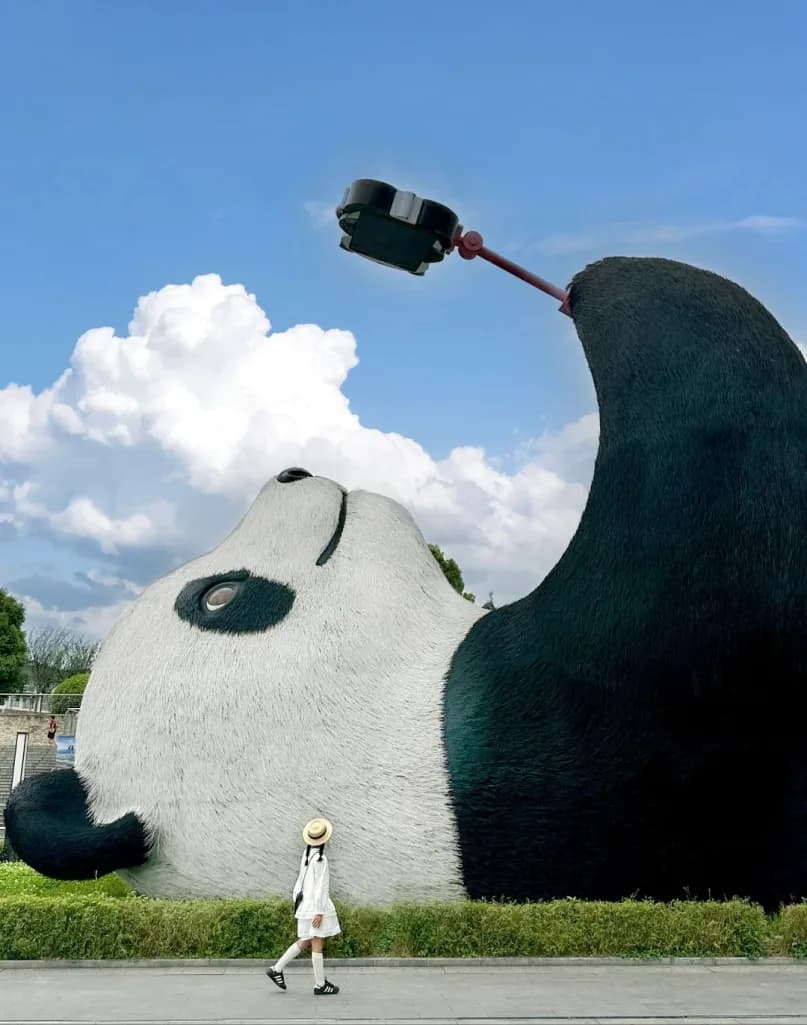
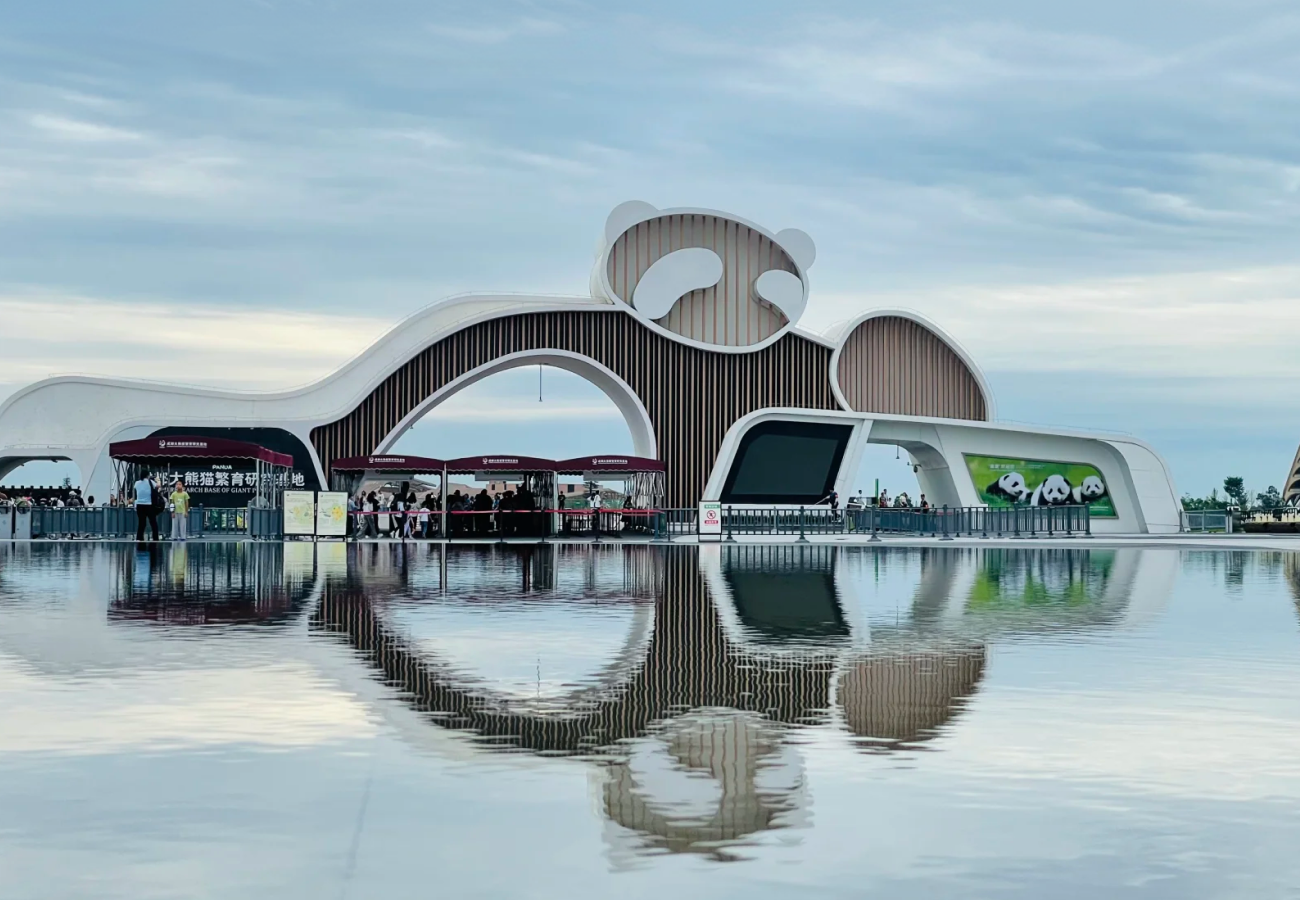
Allocate a dedicated half-day for the panda base, ideally early morning, and avoid pairing it with too many other attractions on the same day to prevent rushing. Pandas are most active in the morning, and the base is large enough to absorb several hours.
Best Time to See Pandas Active
Early morning is when pandas eat and move around. By late morning, many are sleeping. If you arrive at opening, you get the best viewing window before the midday lull.
What to Cut if Time Is Short
If you only have three days, do not squeeze the panda base into a half-day with Jinli and Kuanzhai Alley. That creates a rushed day with too much transit. Instead, pair pandas with a relaxed lunch and one other low-key stop.
- Morning: Panda base at opening, stay until early afternoon.
- Afternoon: Light lunch, then a teahouse or park rest.
- Evening: Optional old street walk if energy allows.
A private guide can adjust the sequence to avoid peak transit times, but the panda block itself should stay fixed.
Old Streets: Filter the Commercial
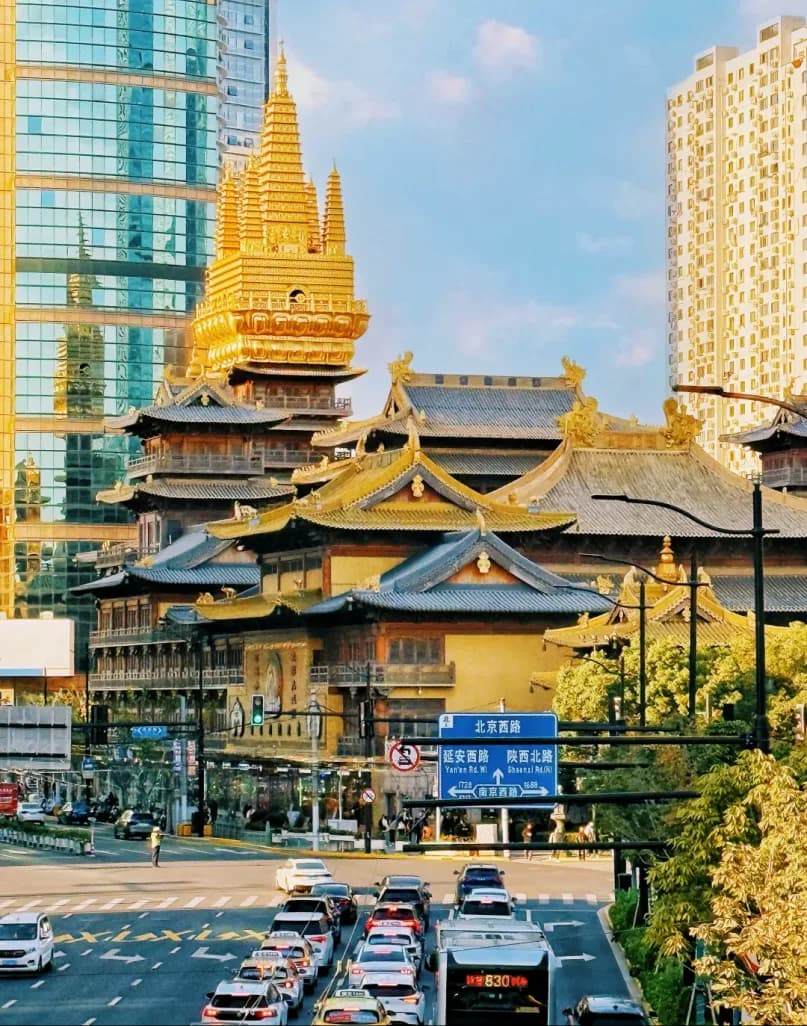
Jinli and Kuanzhai Alley are heavily commercialized, so a guide can help distinguish authentic local elements from tourist traps, and visiting one may suffice if time is limited. Both streets sell similar snacks and souvenirs, but their layouts and histories differ.
Jinli vs. Kuanzhai: Which to Choose
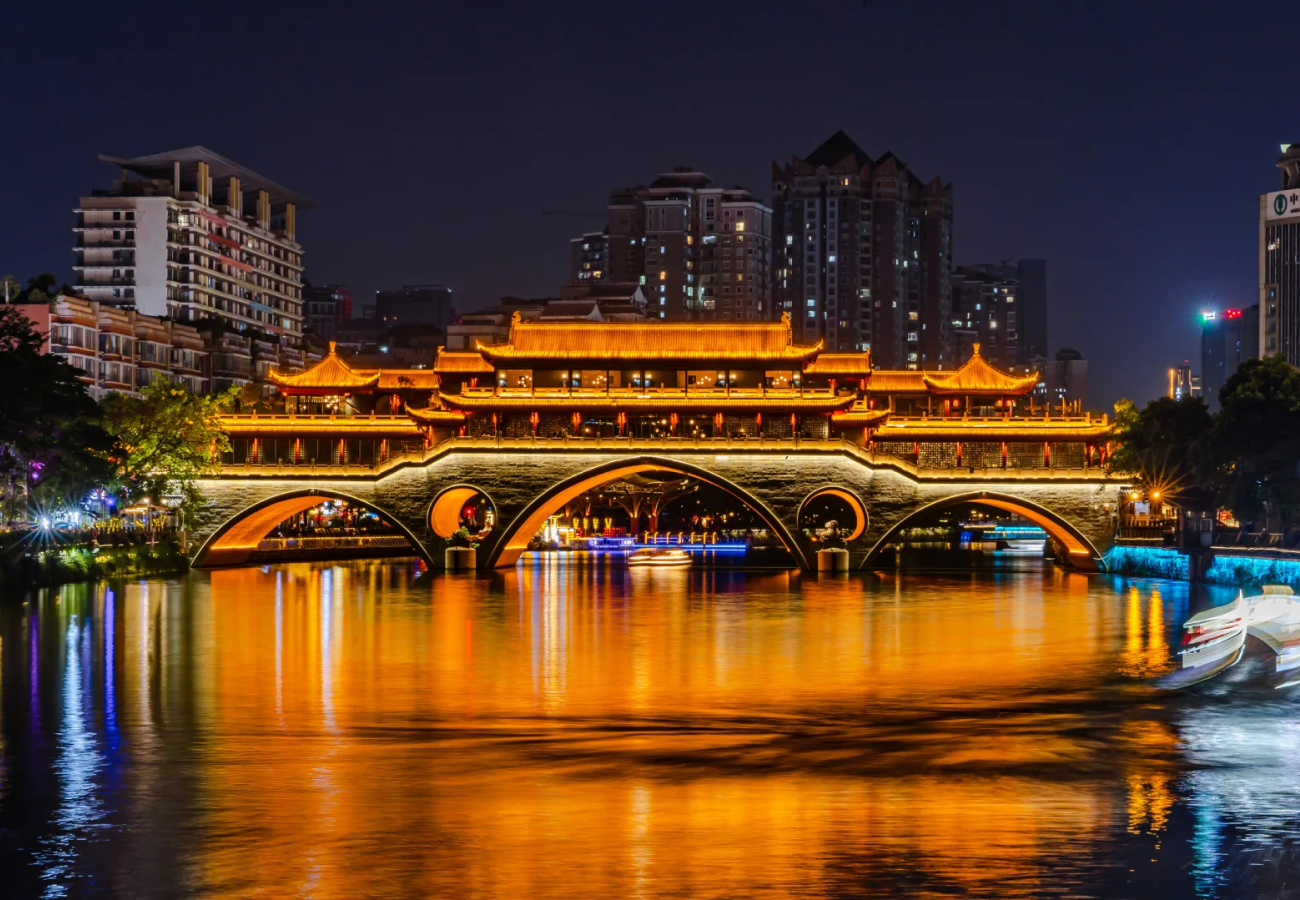
Jinli is a reconstructed Qing-dynasty commercial street with a lively night atmosphere. Kuanzhai Alley has wider lanes and more courtyard-style architecture. If you only have one evening, pick based on your energy level and interest in crowds.
What to Look for Beyond the Shops
With a guide, you can spot the original building details and local food stalls that are not obvious to a first-time visitor. Without one, you may spend an hour in a row of identical souvenir shops.
- Jinli: Better for evening strolls and street food variety.
- Kuanzhai: Better for architecture and quieter corners.
- Both: Commercial, so set expectations before you go.
For a more authentic old-street feel, ask your guide to point out the non-commercial sections or suggest an alternative local market if time allows.
Three Days Cover the Core
A 3-day itinerary can cover the essential attractions if sequenced well, while 4-5 days allow for a slower pace and optional additions like Dujiangyan. The key is not to overload any single day.
Sample 3-Day Sequence
- Day 1: Morning teahouse and face-changing at People's Park, afternoon Jinli or Kuanzhai.
- Day 2: Half-day panda base, afternoon rest or free exploration.
- Day 3: Flexible day for a second old street, museum, or Dujiangyan if you move fast.
When to Extend to 4 or 5 Days
Add a fourth day if you want Dujiangyan as a separate trip or a slower panda morning. A fifth day gives you room for a day trip or just more teahouse time without feeling rushed.
For a detailed 3-day plan, see Chengdu 3D2N Tour Itinerary.
Book Your Arrival Before Attractions
Before finalizing your attraction list, confirm your visa, arrival logistics, and private tour arrangements to ensure a smooth start and flexible daily pacing. Chengdu's airport is about 30 to 45 minutes from the city center, but peak traffic can double that.
Visa and Entry Steps
Check the current visa requirements for your nationality well before booking flights. The process can take weeks, and you need the visa before you can enter China. For details, see China Tourist Visa: Steps, Documents, and Timing.
Why a Private Tour Helps with Sequencing
A private guide can adjust the order of attractions to avoid peak hours and minimize transit time. For example, we place the teahouse in the morning and the panda base on a separate day, which is hard to coordinate on your own. For more on this approach, see Chengdu Private Tour: Choose a Manageable Arrival.
We cannot guarantee priority entry or private shows, but we can build a sequence that respects local rhythms. Send your travel dates and walking limits through contact.