Shanghai to Beijing Train: Door-to-Door Time vs Flying
The china shanghai to beijing train is not a slow fallback to flying. On many days it is the faster door-to-door option, because Shanghai Hongqiao and Beijing South sit inside the city, not an hour outside it like the airports.
Travelers often overestimate the time saved by flying and underestimate how much a train simplifies the middle of the day. This guide compares the two, then breaks down train types, seat classes, station logistics, and booking rules.
Train vs Flying: Door-to-Door
The high-speed train takes about 4.5 hours city-center to city-center. Flying is roughly 2 hours in the air, but you add 45–60 minutes to each airport, plus security and boarding time, so the total often lands near 5–6 hours.
The train wins when your Beijing hotel is near Beijing South Station or on subway Line 4. Flying wins when you are already near Hongqiao Airport or your Beijing hotel is near Capital Airport.
- Train: 4.5 hours on board, no airport transfer, arrive at Beijing South, walk to subway or taxi.
- Flight: 2 hours in air, but 45–60 minutes to each airport, plus security and boarding, so total 5–6 hours.
- Decision: Choose train if your Beijing hotel is near Beijing South or Line 4; choose flight if near airports.
That is the real comparison, not the airline's published flight time.
G-Trains or D-Train Sleepers?
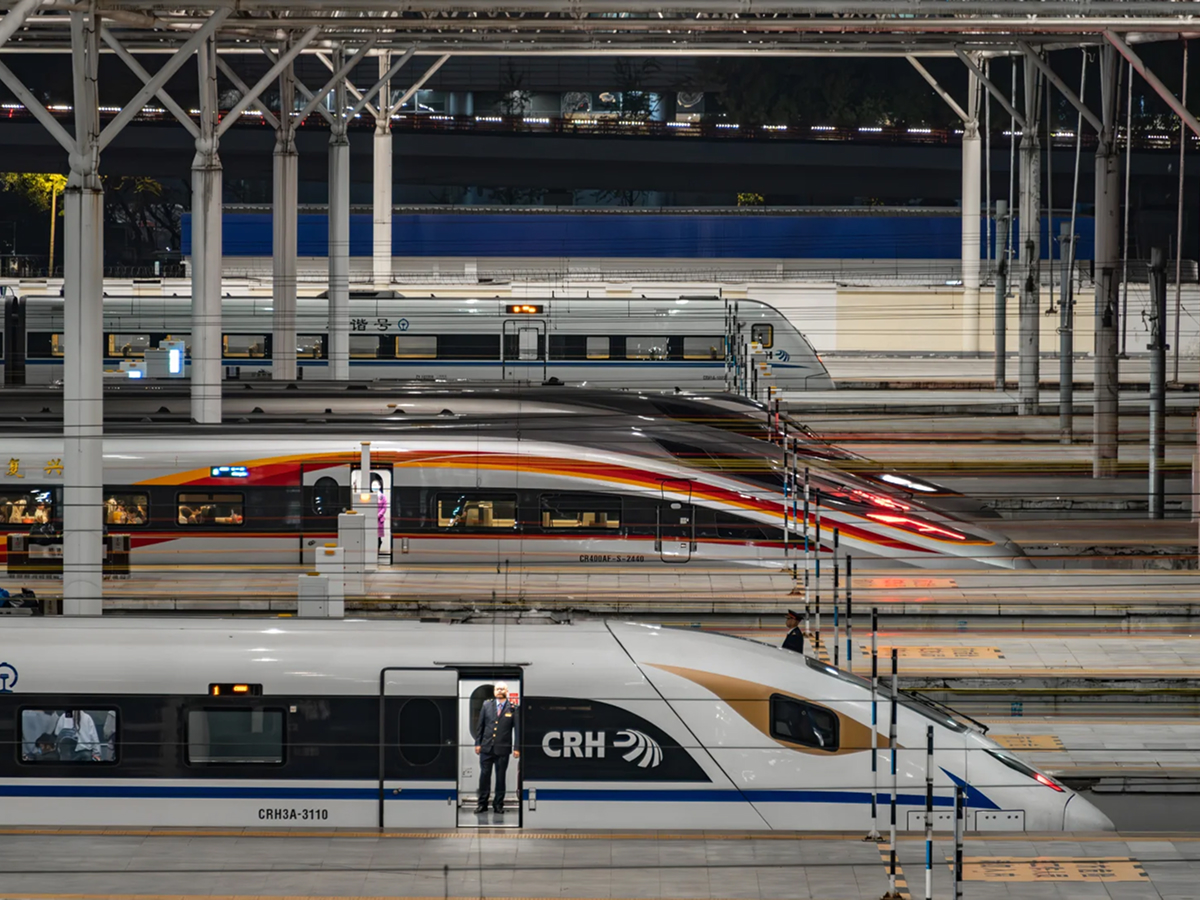
G-trains are the fastest daytime option, running roughly every 15–30 minutes during the day. D-trains include slower daytime trains and overnight sleepers.
The overnight D-train saves a hotel night, but you trade sleep quality. A hard sleeper berth is not a hotel bed, and you may arrive in Beijing before your hotel room is ready.
- G-train: fastest, daytime, about 4.5 hours, frequent departures.
- D-train sleeper: overnight, saves hotel cost, less restful sleep, arrives early morning.
- Who it suits: budget travelers or those with tight schedules who can sleep on a moving train.
If you need to be functional the next morning, take a daytime G-train and book a proper hotel.
Seat Classes for a 4.5-Hour Ride
Second class is adequate for most travelers: a standard airline-style seat with a tray table and overhead rack. For a 4.5-hour ride, it is comfortable enough if you pack light.
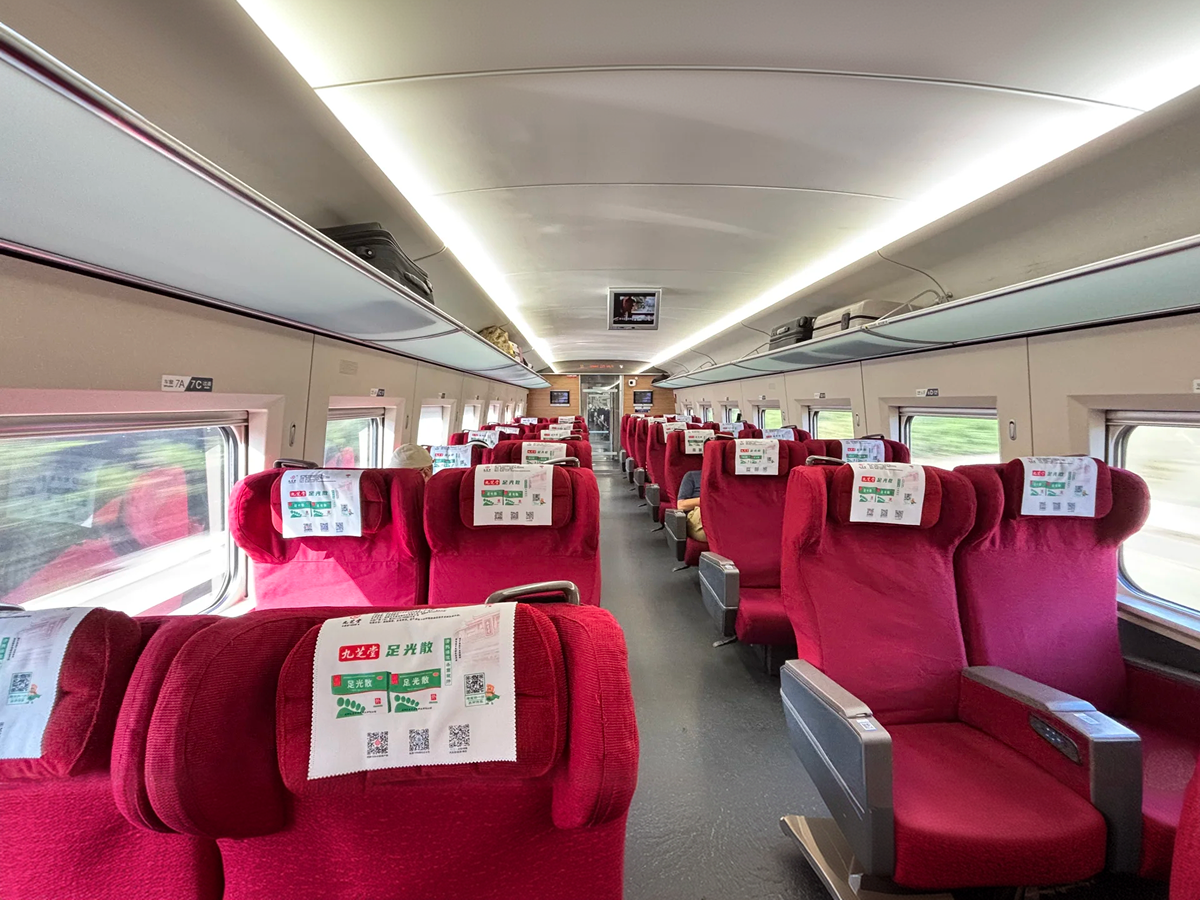
First class offers wider seats and more legroom, useful if you are tall or carrying larger luggage. Business class on some trains has lie-flat seats, but that is overkill for a daytime trip unless you need to sleep.
- Second class: adequate, standard seat, fine for most.
- First class: more space, better for luggage or taller travelers.
- Business class: lie-flat on some trains, only worth it if you need rest.
For a daytime G-train, first class is the sweet spot if you want extra room without paying for a bed you will not use.
Getting to Shanghai Stations
Shanghai has multiple stations: Hongqiao, Shanghai Railway Station, and Shanghai South. Most high-speed trains to Beijing leave from Hongqiao, which is connected to Metro Lines 2, 10, and 17.

Choose your station based on your hotel location. If you stay in Jing'an or the French Concession, Hongqiao is a 45–60 minute taxi ride in morning traffic. Shanghai Railway Station is closer to the city center but has fewer trains to Beijing.
- Hongqiao: main hub for Beijing trains, far from city center, allow 45–60 minutes by taxi.
- Shanghai Railway Station: closer to downtown, fewer Beijing departures.
- Shanghai South: mostly regional trains, not for Beijing.
Do not assume your ticket says Hongqiao; read the station name on the ticket before you leave the hotel.
Arriving at Beijing South
Beijing South Station is on subway Line 4 and Line 14, with taxi queues outside. Transfer time to your hotel depends on destination and time of day.
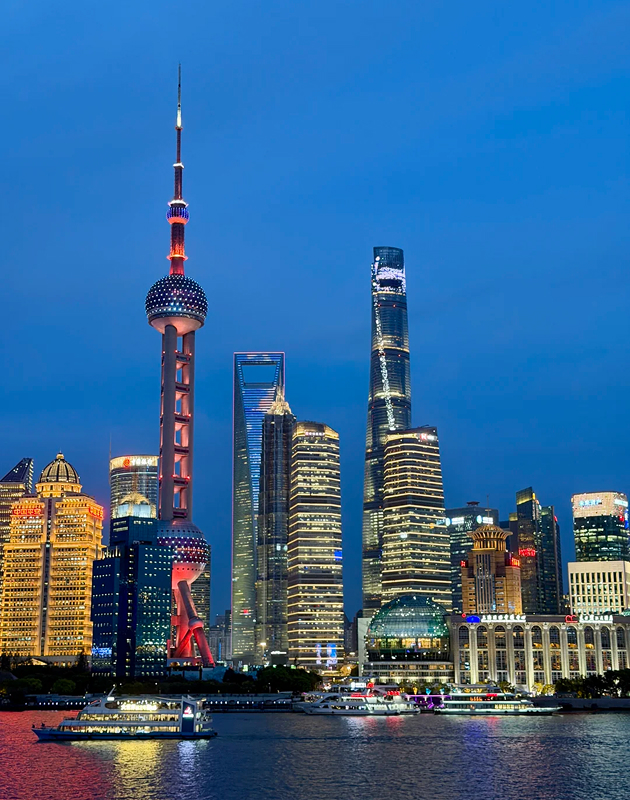
If your hotel is near Xidan or Zhongguancun, Line 4 takes 20–30 minutes. If you are heading to the CBD or Sanlitun, a taxi can take 45–60 minutes in evening rush hour.
- Subway: Line 4 to Xidan, Line 14 to Wangjing, cheap but crowded with luggage.
- Taxi: queue outside, 45–60 minutes to CBD in rush hour, easier with luggage.
- Private transfer: arranged in advance, driver waits at arrival, no queue.
If you have large luggage or arrive at rush hour, a pre-booked private transfer is worth the extra cost.
Book with Passport, Not Promises
Foreign travelers must book with a valid passport. You can use the official 12306 app or a travel agent, but seat availability is never guaranteed, especially during holidays or weekends.
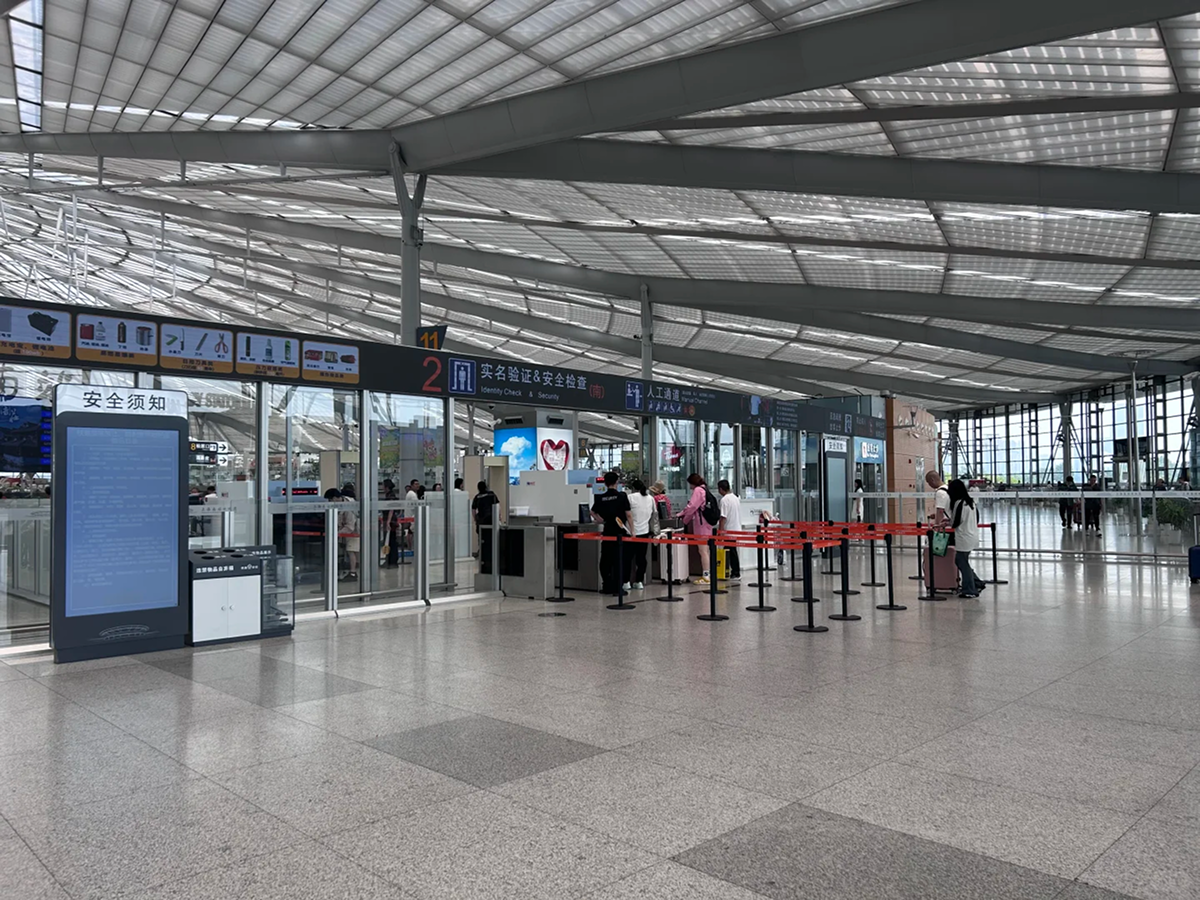
The 12306 app has an English interface, but it requires a Chinese phone number for verification. A travel agent can book for you and handle changes, but they cannot create extra seats.
- Passport: required for booking and boarding, must match ticket exactly.
- 12306 app: official, English available, needs Chinese phone number.
- Travel agent: can book and change tickets, no guarantee of availability.
For a step-by-step guide, read book high-speed train tickets in China.