






































We Are With You
- A Travel Consultant Rooted In China
- Immediate Response, No Need To Wait!
- Direct Contact, Highest Value
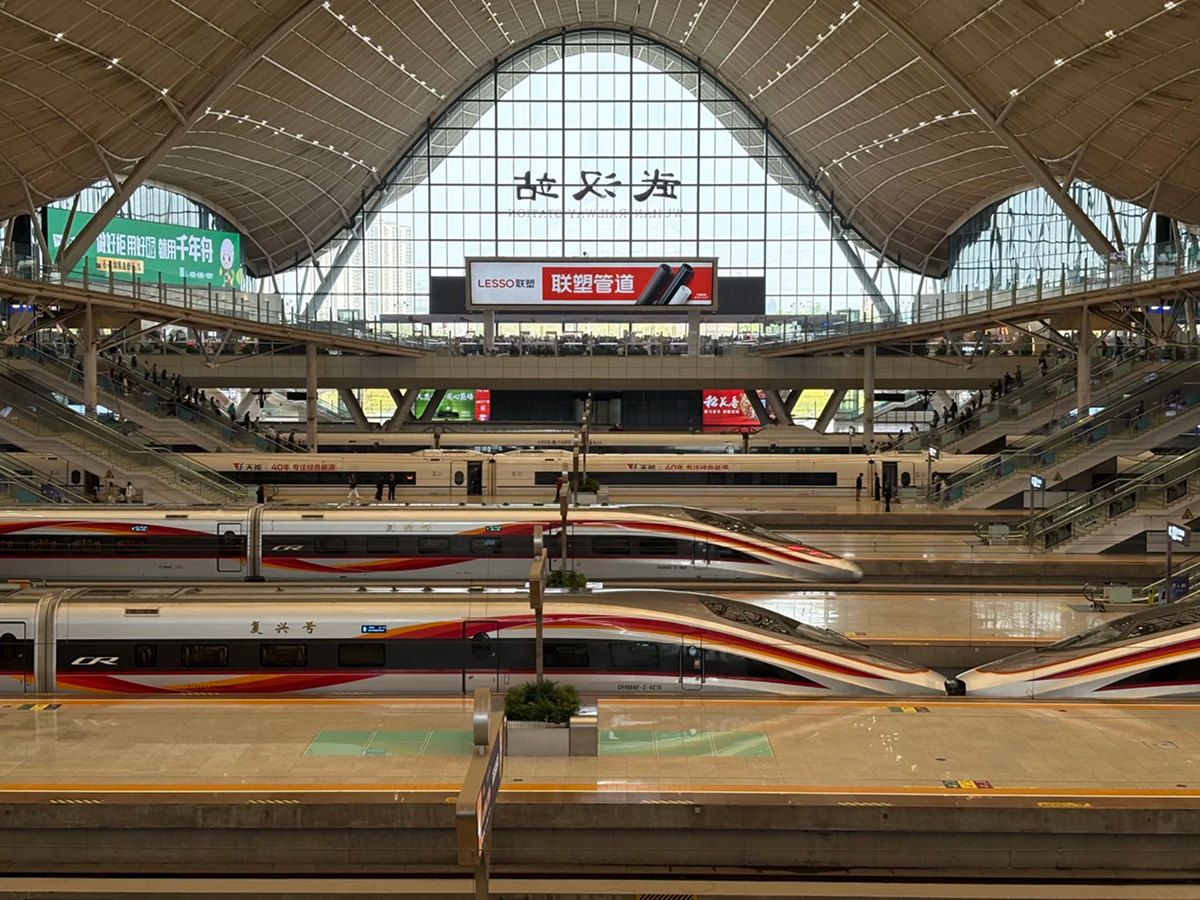
Wuhan is the only major city in China where the railway booking system splits arrivals and departures across three separate stations, each named after one of the three historical towns that merged into the modern city in 1927: Hankou (汉口), Wuchang (武昌), and a third simply called Wuhan (武汉). The Yangtze and Han rivers cut the city into pieces. Each station sits on a different bank. A ticket that says "Wuhan" without specifying which station can put you on the wrong side of the river with an hour of bridge traffic ahead of you and a train that is leaving in 40 minutes.
This page is for the foreign traveler who has booked a train into or out of Wuhan, and who needs to know three things before stepping out of a taxi: which station the ticket names in Chinese characters, what corridor that station actually serves, and where to head after the platform gates open.

Three stations, three locations, three different jobs in the national rail network. None of them is interchangeable.
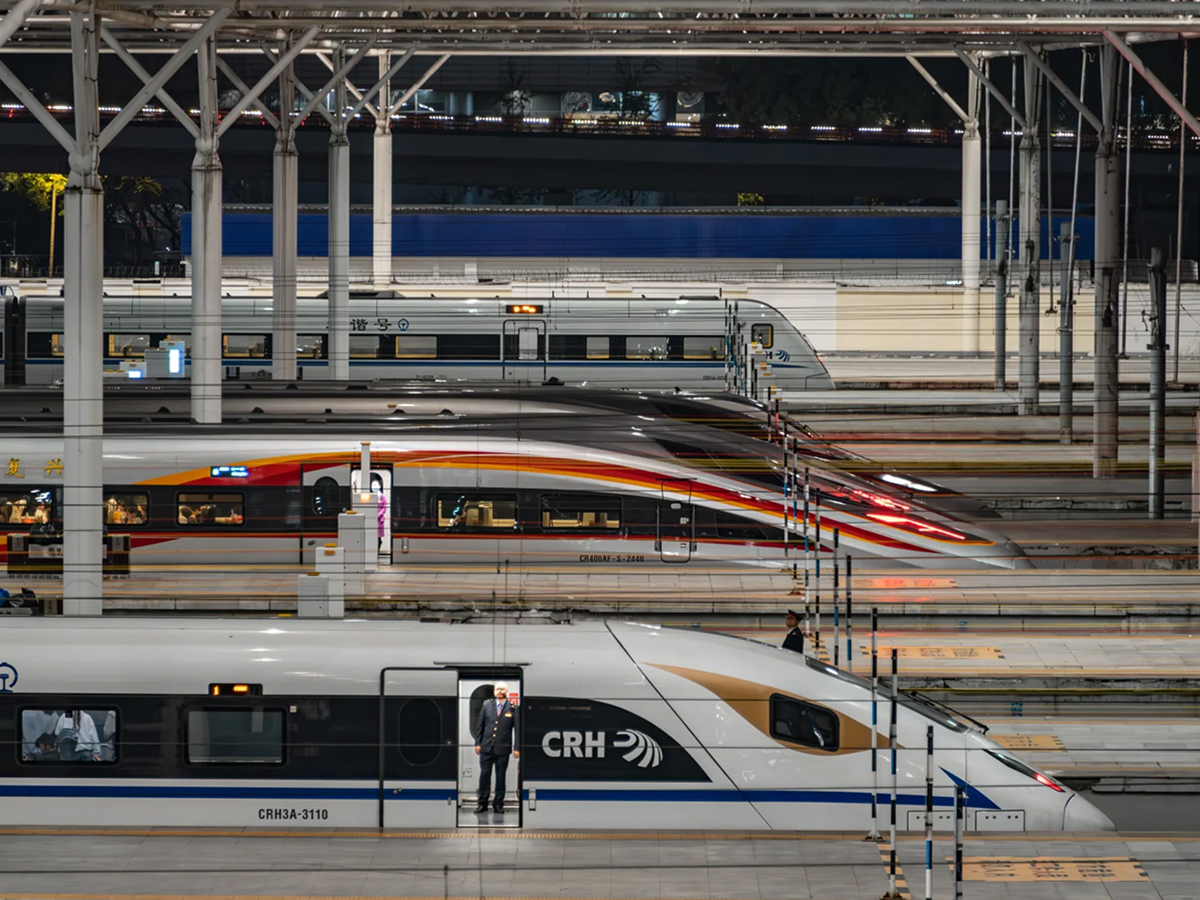
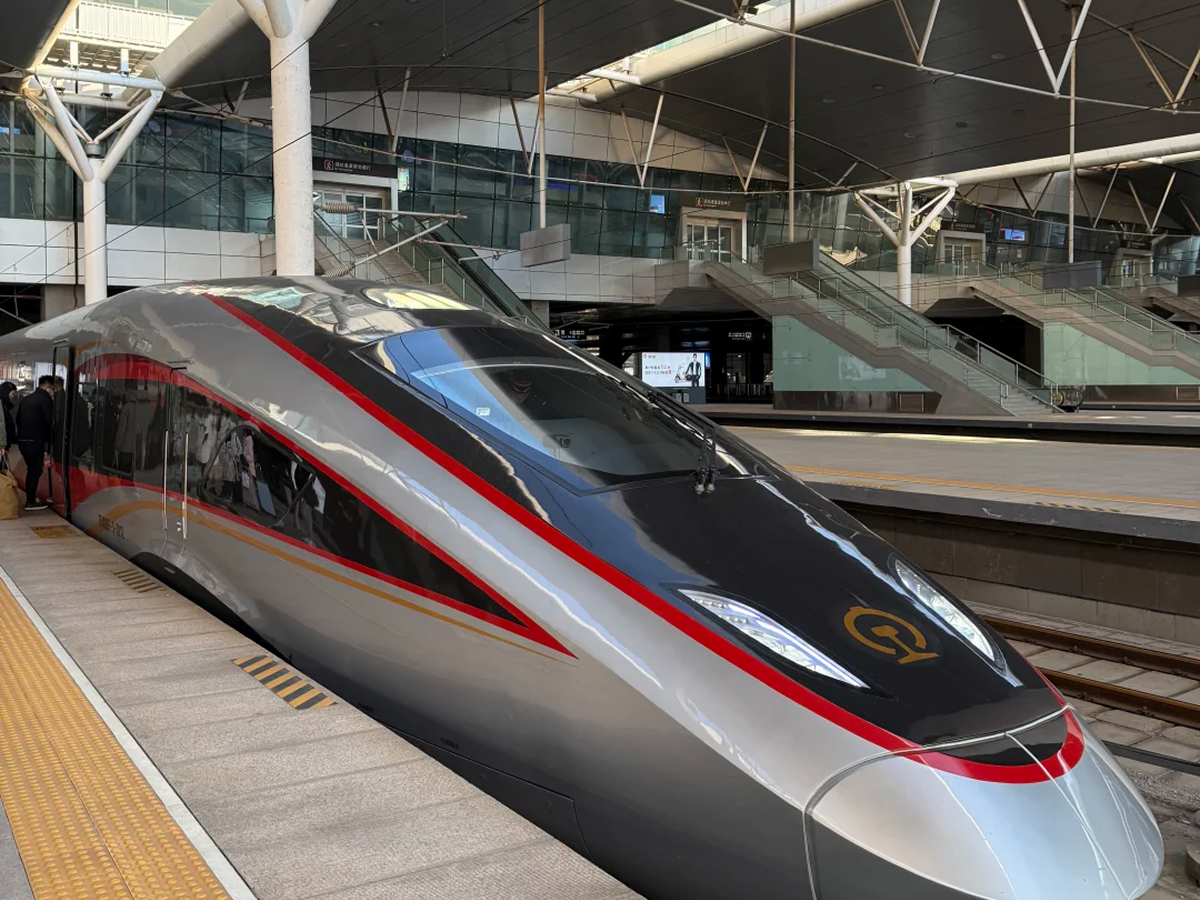
Wuhan Railway Station (武汉站) is the newest of the three, opened on 26 December 2009 with the Wuhan–Guangzhou High-Speed Railway. It sits in the far northeast corner of the Wuchang district, near East Lake, on Metro Lines 4 and 5. Its job is dedicated high-speed rail. North–south corridor only: Beijing, Zhengzhou, Changsha, Guangzhou, Shenzhen, Hong Kong. Architecture is the modern "flying crane" steel roof designed by the French firm AREP. If your bullet train runs the Beijing–Guangzhou line, it stops here, not at Wuchang or Hankou.
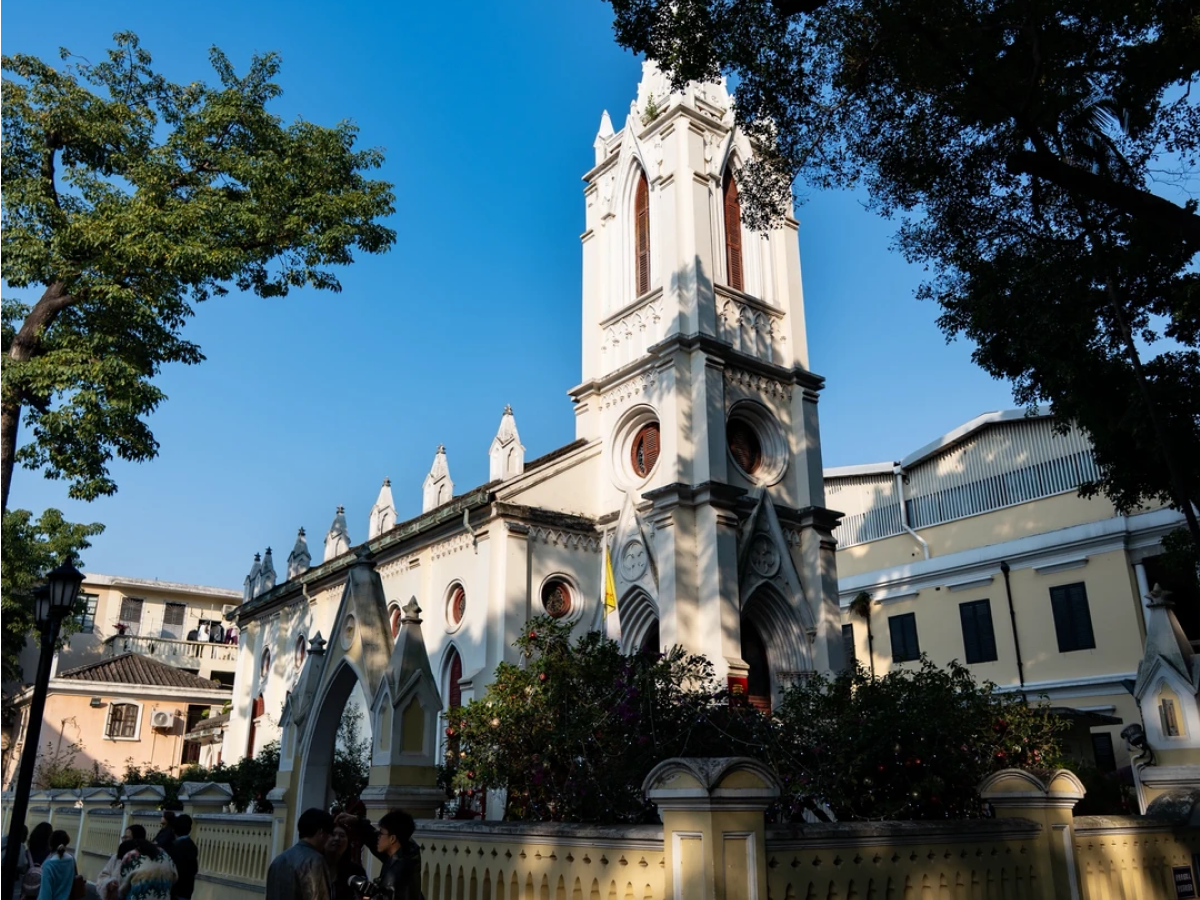
Hankou Railway Station (汉口站) sits on the north bank of the Han River, north of the commercial center and some distance back from the Yangtze. The current building, modeled on the 1903 Dazhimen terminus with European-style twin clock towers, was renovated 2008–2010. It is on Metro Line 2 (the pink line, which also runs direct from Tianhe Airport in about 35 minutes). Its job is east–west high-speed traffic: Shanghai, Nanjing, Hefei, Nanchang, Yichang on the HSR side, and conventional trains to Tianjin, Qingdao, Xining, and points north. This is the station foreign travelers most often arrive at after a flight into Tianhe.
Wuchang Railway Station (武昌站) is the oldest, built in 1916 and renovated 2006–2008 in Chu-style facades. It sits in the heart of the Wuchang district, near the Yangtze River bridge, on Metro Lines 4 and 7. Its job is conventional trains, regional intercity services, and the overnight sleepers that used to be the default for long-haul travel: Beijing, Xi'an, Chengdu, Guilin, Zhengzhou, Zhangjiajie. If your ticket shows a Z, T, or K train number, this is usually where it runs from.
The Chinese station name is what matters. Read the four characters before you leave the hotel. Hankou is 汉口, Wuchang is 武昌, Wuhan is 武汉. The same Chinese character 武汉 appears in two different station names — the third station is literally called "Wuhan," not "Wuchang." That overlap is where most wrong-station mistakes start.
Three practical reads for each station:
Verify the station on your booking before you travel. Ticket platforms — 12306 in Chinese, Trip.com or a private ground operator for English-language booking — show the station name in both Chinese characters and pinyin. The character set, not the pinyin, is what the driver and the metro staff will read. If your booking confirmation says "Wuhan" in English, open the Chinese version of the same booking to confirm which of the three Wuhan stations is meant.

The Yangtze and the Han rivers divide Wuhan into three travelable sides. Knowing which side you are on dictates what you can walk to, what requires a metro ride, and what requires a cross-river bridge.
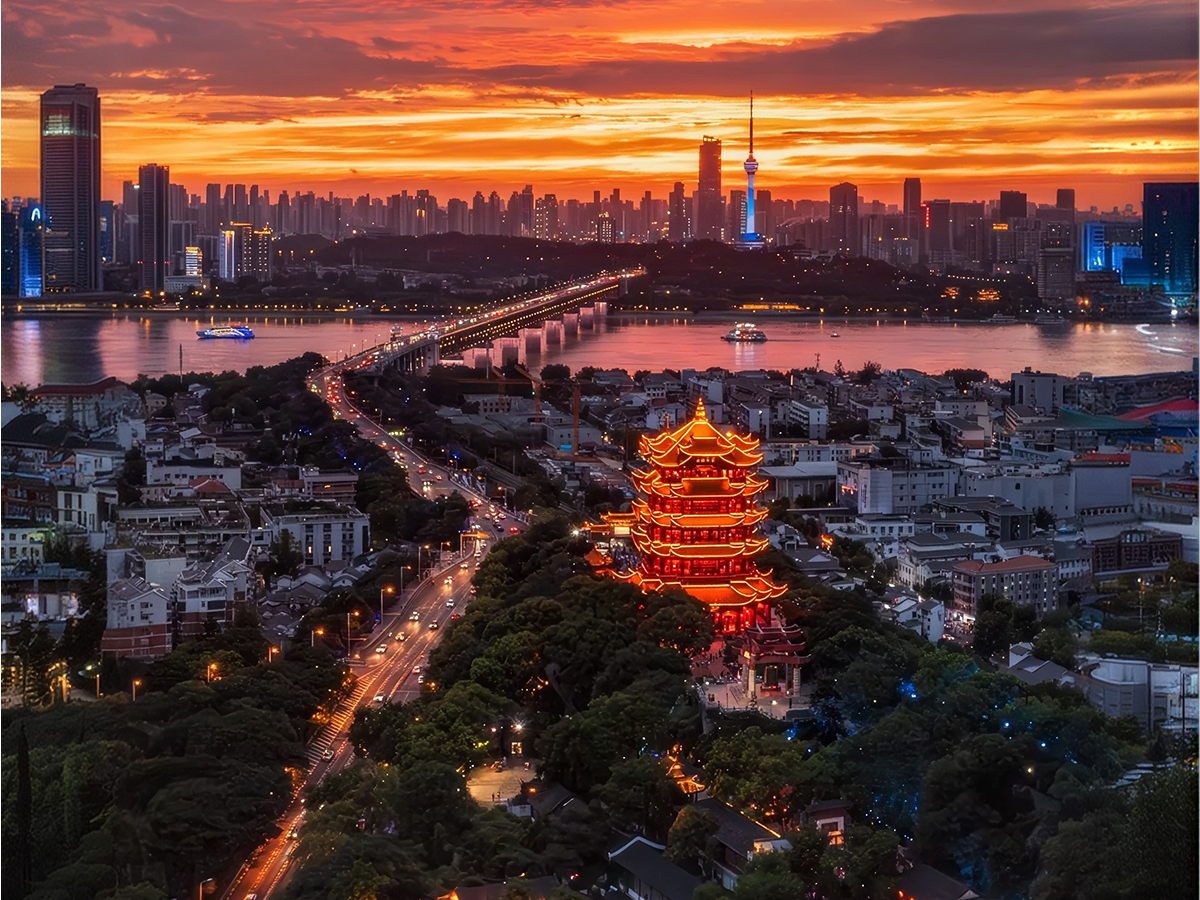
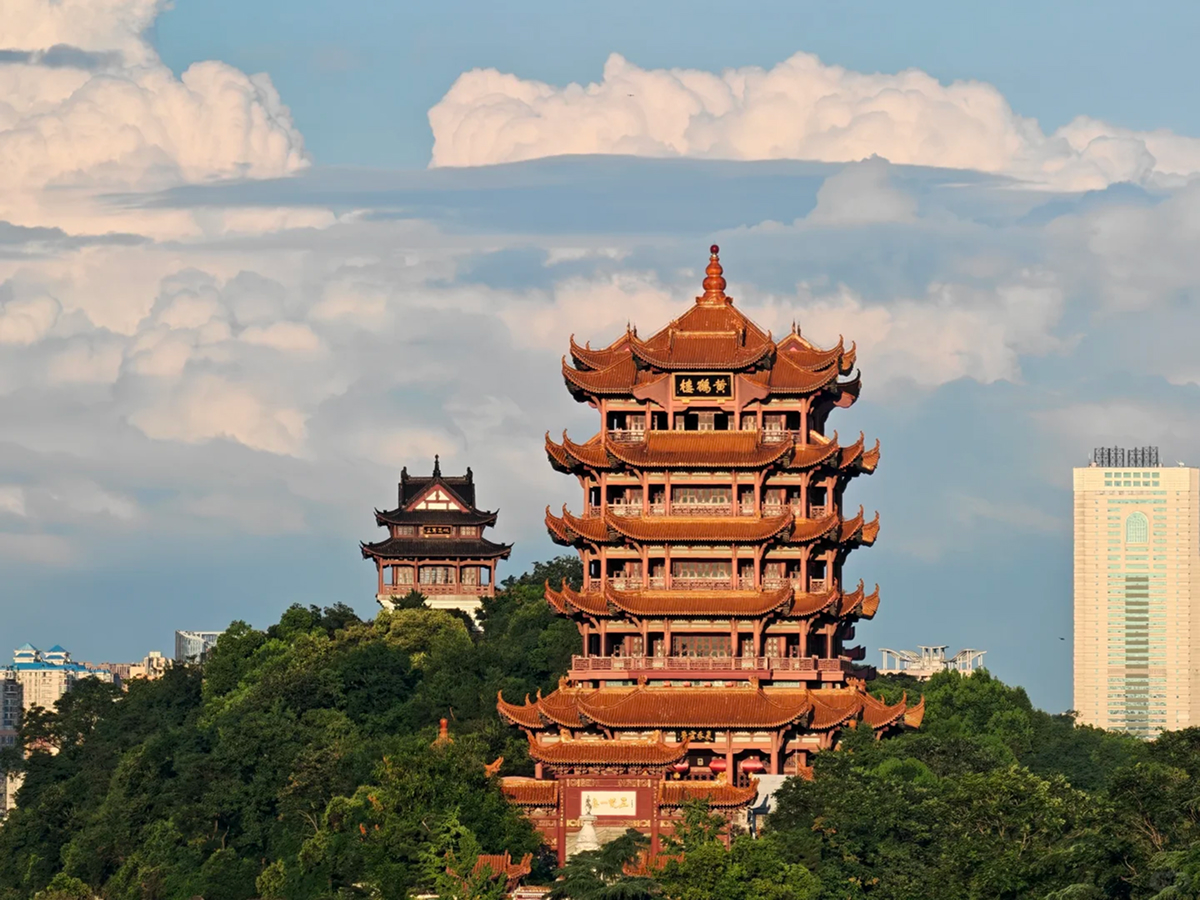
If you exit Wuhan Station (Hongshan / East Lake side), the surrounding area is light on traditional sights. East Lake, the Hubei Provincial Museum, and Wuhan University are all on this side and reachable by Metro Line 4 or a short ride. Yellow Crane Tower is also on the Wuchang side but south of Wuhan Station, so plan a metro transfer rather than walking.
If you exit Hankou Station, the Jianghan Road pedestrian street and the Hankou riverbank (Hankou Jiangtan) are the most walkable anchors. The old concession architecture, the night markets, and most of the city's international-facing hotels and restaurants are on this side. A taxi from Hankou Station to a riverside hotel is typically 15–25 minutes depending on traffic.
If you exit Wuchang Station, you are already inside the historic Wuchang district. Yellow Crane Tower, the Hubu Lane snack street, Tanhualin, and the university area are reachable on foot or by one metro stop. This is the station to choose if your hotel is anywhere in central Wuchang.
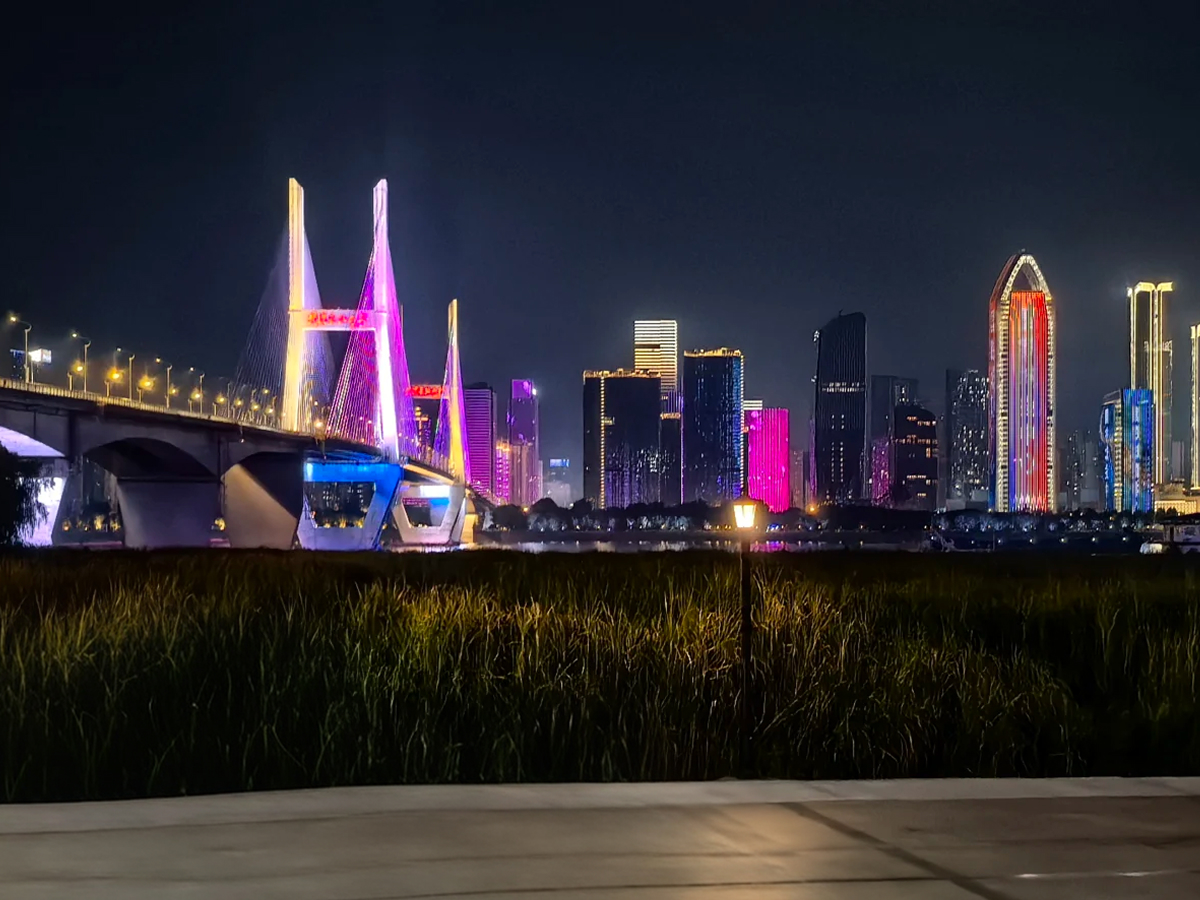
For cross-river transfers, metro is the practical tool. Line 2 crosses between Hankou and Wuchang via the Yangtze; Line 4 runs through Wuchang and reaches Wuhan Station. A taxi across the river during rush hour can take 40–60 minutes for what the metro covers in 15.
Station areas in any major Chinese city are designed for transit, not living. Wuhan is no exception. The hotels clustered around Hankou, Wuchang, and Wuhan stations serve travelers on short stopovers and drivers waiting for fares. The room quality is older, the streets are louder, and the neighborhood has little to walk to in the evening.
The better default is to stay where you actually want to spend your evening. In Wuhan that means one of three anchors:
Splitting a multi-night Wuhan stay across two of these anchors is a common-sense move, not an over-optimization. The rivers are not a quick hop. If your itinerary mixes Wuchang sights with Hankou evenings, plan one luggage move at midday and base the second night accordingly.
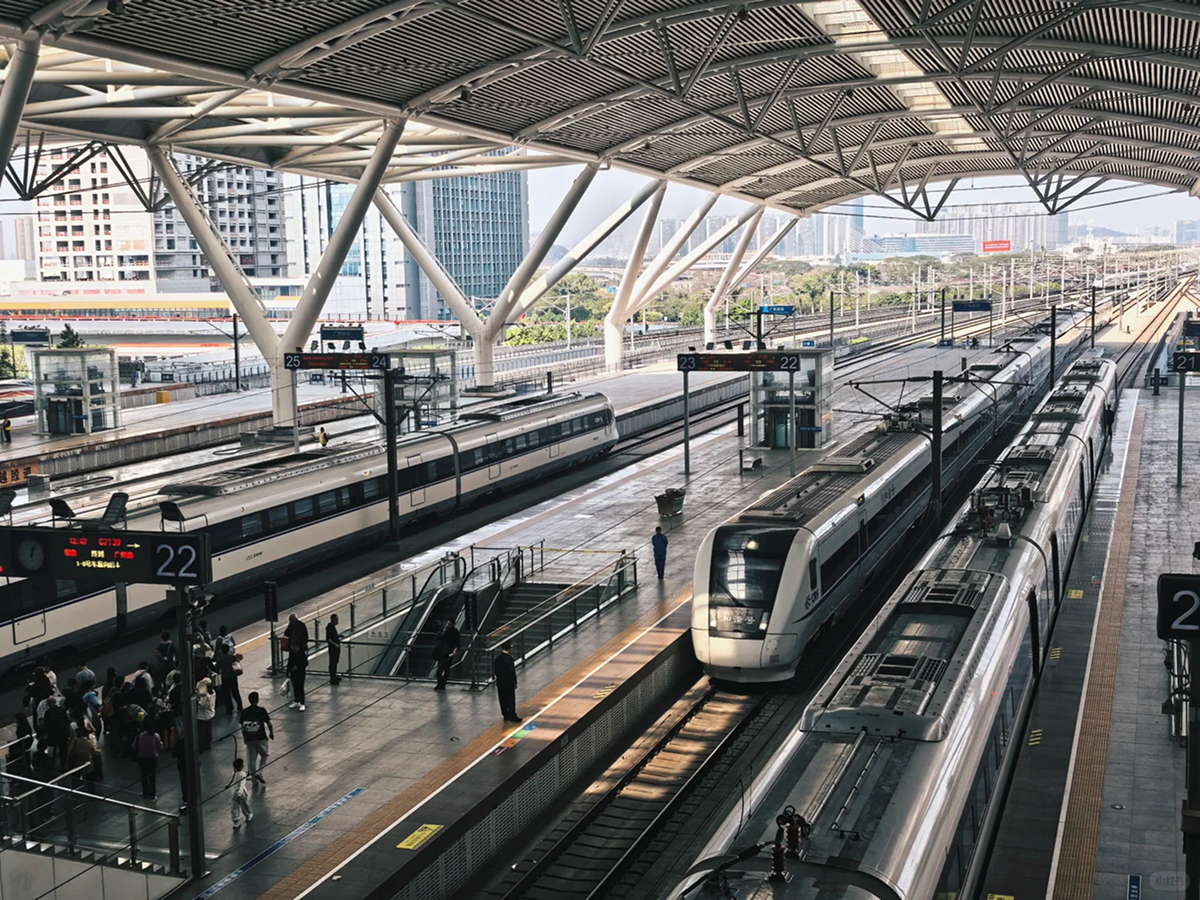
Three stations, three different security layouts, but the same foreigner boarding protocol. Chinese citizens scan their national ID at the automated turnstiles. Foreign passports do not read on those gates. Plan to use the Manual Channel (人工通道) at every stage where automated gates are the default.
Step 1 — No printed ticket needed. When you book online through 12306, Trip.com, or via a private ground operator, the booking is tied digitally to your passport number. Skip the ticket-collection windows at the entrance. You will not be picking up paper.
Step 2 — Manual Channel at the security gate. Walk past the row of automated facial-recognition gates. At the far left or far right, find the manned booth. Hand over your physical passport. The guard will type your passport number into their terminal to verify the booking against the manifest, and let you through. Keep the passport ready — this is where most of the queue time goes for foreign travelers.
Step 3 — Luggage X-ray. Immediately after the passport check, every bag goes through the X-ray scanner. Unlike airports, train stations in China do not restrict liquids. A full bottle of water, a thermos of tea, and outside food are all fine to bring on board.
Step 4 — Find your boarding gate. Inside the waiting hall, the giant digital departure boards list the train number (e.g., G1234) against a boarding gate (e.g., A12 or B12). "A" is usually the front half of the train, "B" the rear. Walk to the gate and wait there.
Step 5 — Boarding. Boarding opens about 15 minutes before departure. Bypass the automated turnstiles at the gate and walk straight to the human attendant standing beside it. Show the passport, get a seat confirmation nod, walk down the escalator to the platform.
Arrive at least 45 minutes before departure to clear security and locate the gate. Foreign-passport manual channels add time that domestic travelers do not queue through, and the halls are large enough that finding the right gate from the entrance can take 10 minutes on its own.
Three pieces of information need to be on paper (or screenshot) before you leave for the station.
The single official source is 12306.cn and the 12306 app. Trip.com and other third-party platforms resell 12306 inventory; their English interfaces are easier for foreign travelers but always cross-check the station, train number, and departure time against the 12306 confirmation before you leave for the train. Platform rules, ticket release windows, real-name registration requirements, and security protocols change. Verify at 12306 within 7 days of departure and again the night before.
Three stations, three riversides, one airport, and a city where every cross-river trip costs you time. The decisions worth making before you book the train are about anchoring your nights in Wuhan to the riverside you will actually use, and not over-optimizing the rail corridor you happen to be on.
TravelToQin can help with the ground work on the Wuhan end: hotel selection by riverside, station-to-hotel transfers with luggage, and the routing logic for trips that combine Wuhan with the Three Gorges, with Changsha, or with a Yangtze cruise embarkation day. We do not book rail tickets on your behalf — that is done through 12306 or Trip.com against your passport — but we coordinate pickup windows with the train you have actually booked, not the train you thought you booked. For trips that put Wuhan on a multi-city route with Shanghai or Chengdu, the train tier (G versus D versus K) and the station it leaves from both factor into the day plan. Send the booking details and the trip outline to the contact form and the ground plan comes back scoped to your train, not a generic Wuhan template.

Official rules — station assignments, train schedules, real-name registration requirements, security protocols, and ticketing windows — change. Verify them on 12306.cn at booking and again within 7 days of departure. TravelToQin fits the ground plan around the train you have actually booked; the booking itself is verified at 12306, not at the agency.
A fine hotel shapes the warmth of every journey