
































































































We Are With You
- A Travel Consultant Rooted In China
- Immediate Response, No Need To Wait!
- Direct Contact, Highest Value

Yes. China is safe for American travelers to visit, with the same practical precautions that apply to any major international destination. That is the short answer. The longer answer is more useful, because the short answer does not tell you what you actually need to do before you go.
The gap between headlines and on-the-ground experience is significant. News coverage of U.S.-China relations focuses on government-level friction: trade policy, technology competition, diplomatic tensions. None of this is visible on the street. Walking through Beijing, Shanghai, Chengdu, or Xi'an as an American visitor, the diplomatic relationship between the two governments is not a factor in your day. You are a tourist. People treat you accordingly.
This page separates two questions that get confused in news coverage: "Is China safe for Americans?" and "What practical steps do I need to take before and during a visit?" The first question has a straightforward answer. The second is where useful planning happens.
The U.S. State Department issues travel advisories for every country. For China, the current advisory as of 2026 is Level 2: Exercise Increased Caution for mainland China, and Level 3: Reconsider Travel for Macau, with separate guidance for Tibet and other areas. You can verify the current level at travel.state.gov at any time before departure.
Level 2 — Exercise Increased Caution — is not a ban on travel. It is the same level assigned to many countries that Americans visit regularly, including France, Germany, and the United Kingdom. It means there are specific risks worth being aware of and planning around. It does not mean the country is unsafe for visitors.
The advisory specifically notes risks related to: arbitrary enforcement of local laws (particularly regarding exit bans),The practices of two governments in border security and electronic device search,and areas near the China-India border and in Xinjiang. These are not generic safety concerns — they are specific legal and procedural contexts that apply to a narrow set of traveler profiles.
For most American visitors to China on a private guided tour — tourists, business visitors, family travelers — the State Department advisory does not describe their experience on the ground. It describes edge cases and legal contexts. Knowing what it says is part of being prepared. Letting it stand in for the overall safety picture is not accurate.
The street safety picture in major Chinese cities is straightforward: violent crime rates are low in urban areas, gun ownership is effectively nonexistent, and the presence of police in tourist areas is visible but not threatening. The cities that receive the most foreign visitors — Beijing, Shanghai, Chengdu, Xi'an, Guilin — have well-established tourist infrastructure and a high stake in maintaining a safe environment for international guests.
Day-to-day experience as an American visitor: people are polite. Service industry staff are accustomed to international visitors. Restaurant servers, hotel receptionists, and tour guides interact with foreign guests as a normal part of their work. Your nationality comes up in casual conversation the way it might in any country — as mild curiosity, not as a political statement.
The practical friction that does come up for Americans in China is not about safety in the conventional sense. It is about digital access and payment systems, which are covered in the section below. The question of whether you will feel physically safe walking around Beijing or Shanghai: yes, you will.
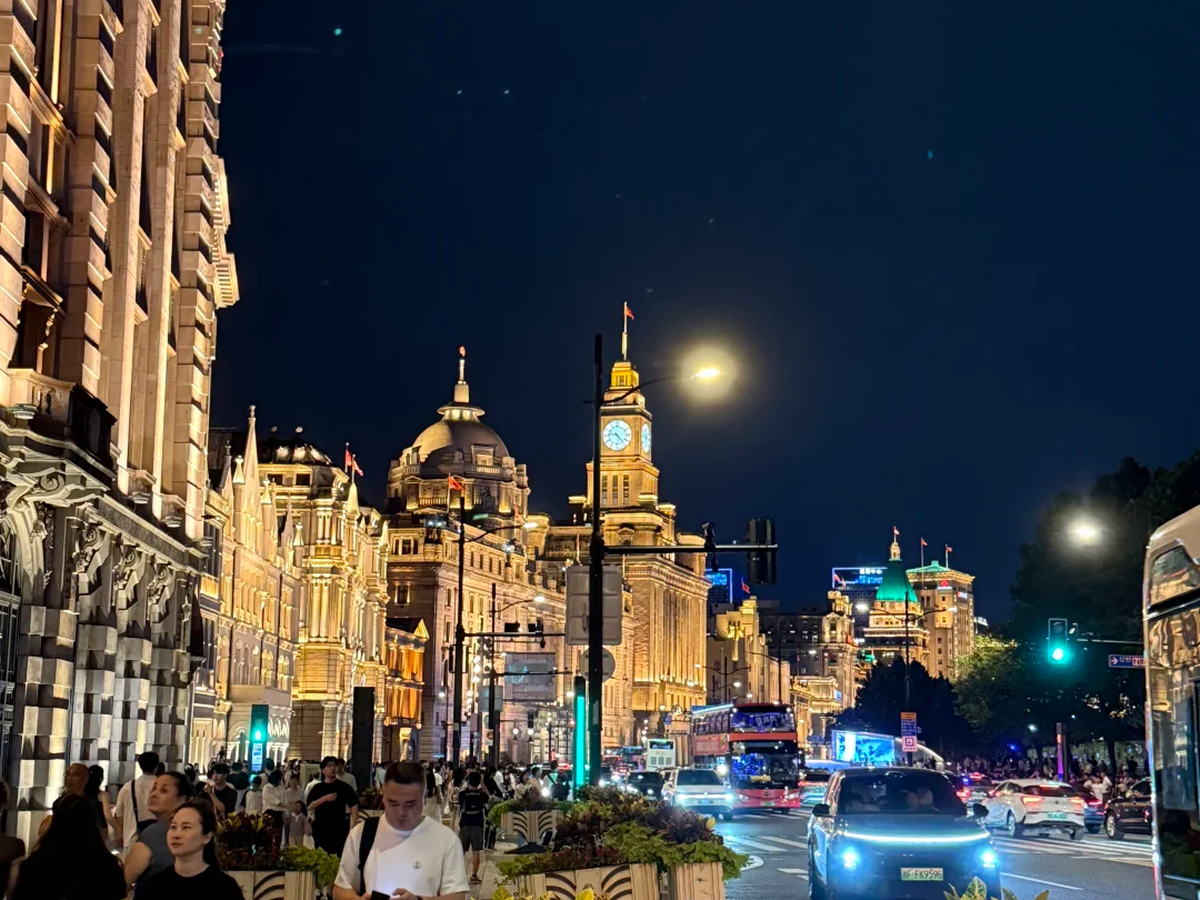
Three problems come up repeatedly for American visitors to China. They are not safety risks in the traditional sense — they are friction points that require preparation.
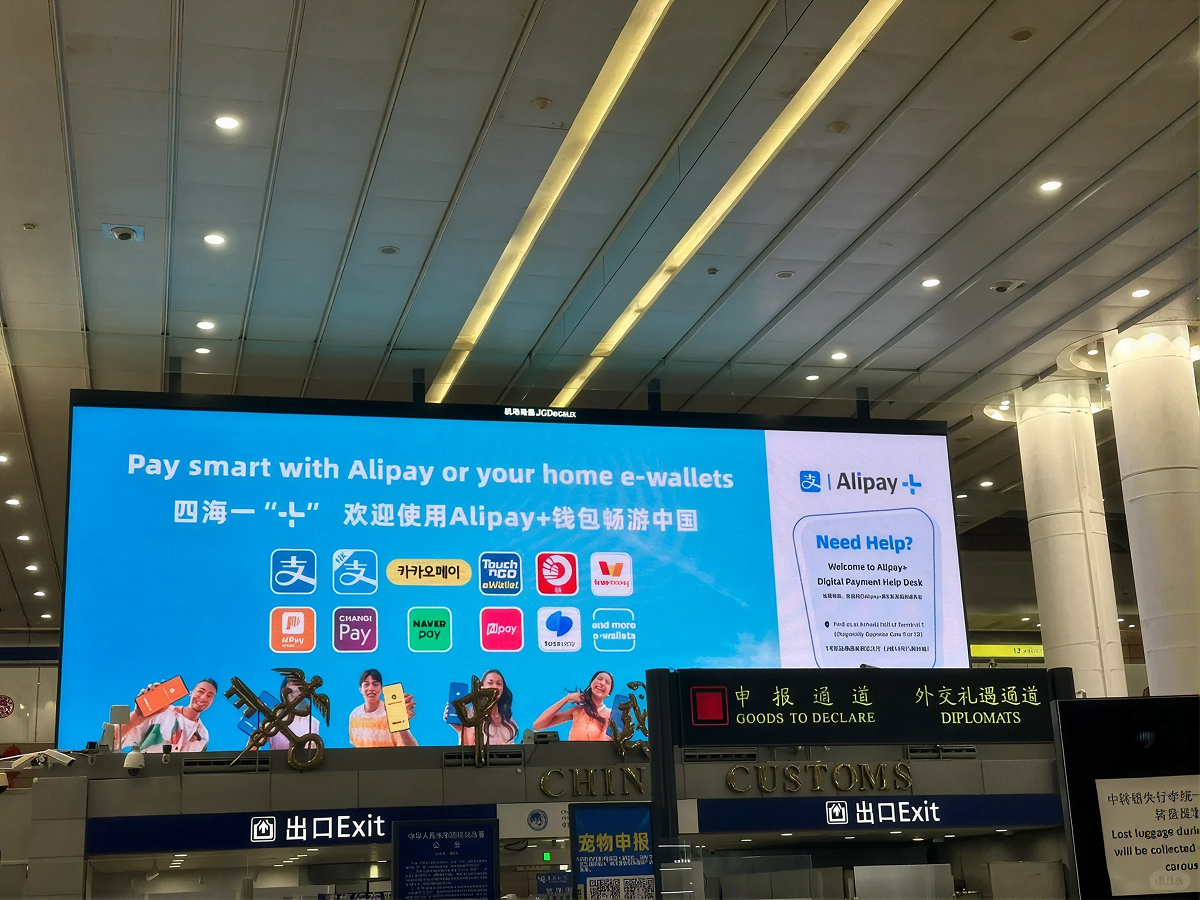
Risk 1: Mobile payment access. China runs on WeChat Pay and Alipay for most in-person transactions. Cash is accepted at some tourist-area shops and hotels, but the default payment infrastructure requires a Chinese bank account or a foreign-linked account setup. American credit and debit cards do not work with WeChat Pay or Alipay without a specific setup process that has historically been unreliable for U.S.-issued cards.
Solutions: set up Alipay with a foreign-linked international card before departure (the app has improved this process); carry a credit card from a bank that has China operations; bring a small amount of RMB cash for small vendors; confirm with your hotel that they accept foreign cards at checkout. Your private guide can also assist with payment logistics during the trip.
Risk 2: VPN and internet access. Google services (Maps, Gmail, Search, Translate), Facebook, Instagram, YouTube, and most other Western internet services are not accessible in China without a VPN. This is not a safety issue — it is a practical planning issue. WhatsApp is also blocked.
Solutions: install and test a reputable VPN before departure; download offline maps of your destination cities before arriving (Maps.me works offline, Baidu Maps is the default in China); download your translation app and any work tools you need before arrival. For iPhone users: enable FaceTime before departure — it works in China when WhatsApp does not. Your guide will have WeChat as a backup communication tool.
Risk 3: Hotel registration and passport procedures. Chinese law requires hotels to register all foreign guests with the local police within 24 hours of check-in. This is handled by the hotel — you provide your passport, they complete the registration. It is a procedural requirement, not a negotiation. Some smaller hotels, guesthouses, or hotels in less-touristed areas may be unfamiliar with the process; a private guide can facilitate this. You do not need to register yourself — the hotel does it on your behalf.

The relationship between the U.S. and Chinese governments is a fact of international life. It does affect some categories of traveler more than others.
For tourists and general private travelers: the government's relationship with your government is not a day-to-day factor in your visit. Border crossings, hotel check-ins, site visits, and restaurant meals proceed as they would for visitors from any country. Your nationality is noted on your visa and your immigration forms. It is not a variable that changes how you are treated at a tourist site or a restaurant.
At border control: routine questions about the purpose and duration of your visit are standard for all foreign nationals entering China. Answer directly and carry documentation (invitation letter, itinerary, hotel confirmations) that supports your stated purpose. This is the same process you would follow entering any country. There is no additional interrogation specific to American citizens beyond standard immigration procedure.
For technology sector, academic, or research visitors: there are specific considerations around carrying devices with sensitive data, laptop and phone border inspection procedures, and particular caution around research collaborations that may fall under export control regulations. If you fall into this category, consult your institution's international travel office and, if relevant, an attorney specializing in China-related matters before departure. This page does not cover the specific compliance considerations that apply to these traveler profiles.
Before departure:
During the trip:
Will the U.S.-China relationship tension affect my travel experience?
For most travelers, no. The tensions between governments are not the same as tensions between people. You will not be refused service, treated poorly in public, or subject to extra scrutiny at tourist sites because you are American. Your experience on the ground is determined by the same factors it would be in any country: the city you are in, the people you interact with, and how well you have prepared the practical logistics.
Is China's street safety actually better than the United States?
By certain metrics, yes. Violent crime rates in major Chinese cities are lower than in comparable American cities. Gun violence is effectively nonexistent. The police presence in urban areas is high and visible. These are factual observations, not a political statement. Whether you personally feel safer depends on factors beyond crime statistics — cultural familiarity, language, and personal comfort in an unfamiliar environment. For petty crime (theft, pickpocketing): Chinese cities have the same risk profile as any major tourist destination. Take standard urban precautions.
Do I need special safety precautions for China as an American?
The specific precautions that matter for American travelers in China are not about physical safety — they are about preparation. A VPN before arrival. A payment solution (WeChat Pay setup or cash). Your guide's WeChat contact. Hotel registration handled by the hotel. Passport carried at all times. These four things cover the most common friction points. Beyond that, the standard precautions that apply to any international trip — travel insurance, copies of documents, enrollment in STEP, awareness of your surroundings — cover the rest.
What can the U.S. embassy actually help with?
The U.S. embassy and consulates can: issue emergency passports; assist if you lose your passport; provide a list of local attorneys; contact family or friends on your behalf in an emergency; help in cases of serious illness, injury, or death; and issue warden messages with security updates for the region you are in. They cannot: intervene in Chinese legal proceedings; pay your hospital bills; or guarantee your safety. The practical value of enrollment in STEP is that the embassy can reach you in an emergency.
Should I worry about arbitrary enforcement of local laws?
The State Department advisory mentions this. For ordinary tourist activities — visiting sites, eating at restaurants, shopping, using transit — it does not apply. It applies to situations involving: commercial or intellectual property disputes where a foreign national is a party; academic or research work that touches on sensitive sectors; situations where a local individual or company has a legal dispute involving a foreigner. If your trip is a private tour or a standard business visit with no involvement in local legal or commercial matters, this advisory language describes an edge case, not your risk profile.
A fine hotel shapes the warmth of every journey