What to Do in Shanghai: City Sights, Skyline and Water Town
Choose what to do in shanghai by interest: visit temples for religious heritage, browse shopping streets, see the Pudong skyline from the Bund, or add Zhujiajiao for canals and a boat ride. The common mistake is treating these experiences as a checklist that belongs in one city sightseeing day. Keep the central-city sights together and give the water town a separate outing, as the Shanghai 3D2N Tour does.
What to Do in Shanghai
Shanghai offers temple visits, shopping streets, waterfront skyline views, and a separate canal-town outing to Zhujiajiao. Your strongest starting point is the experience you care about most; the other stops should support that choice. Use these differences to set your priorities.
- Religious heritage: Jing'an Temple and City God Temple suit visitors interested in Buddhist and Taoist places of worship.
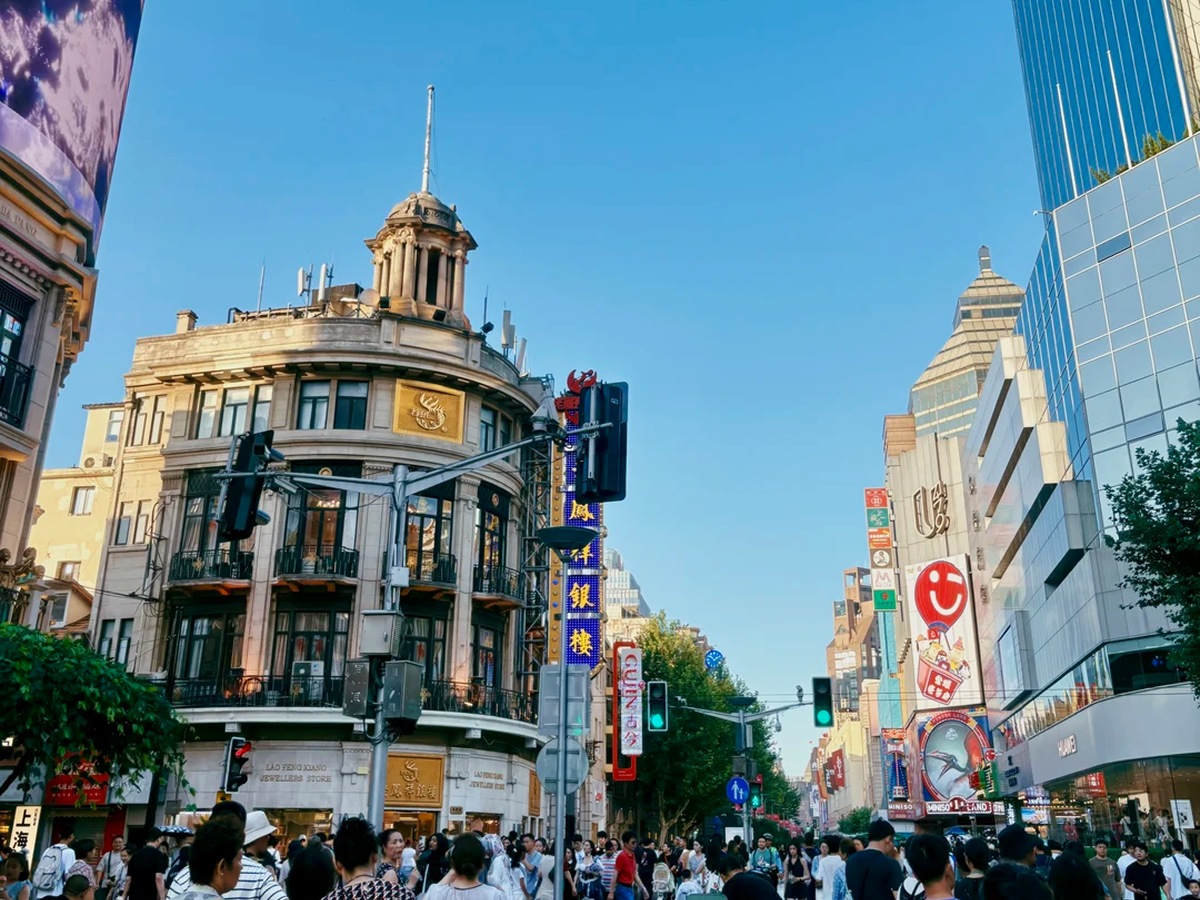
- Shopping and browsing: Nanjing Road and Yu Garden Mall put shops and commercial surroundings at the center of the visit.
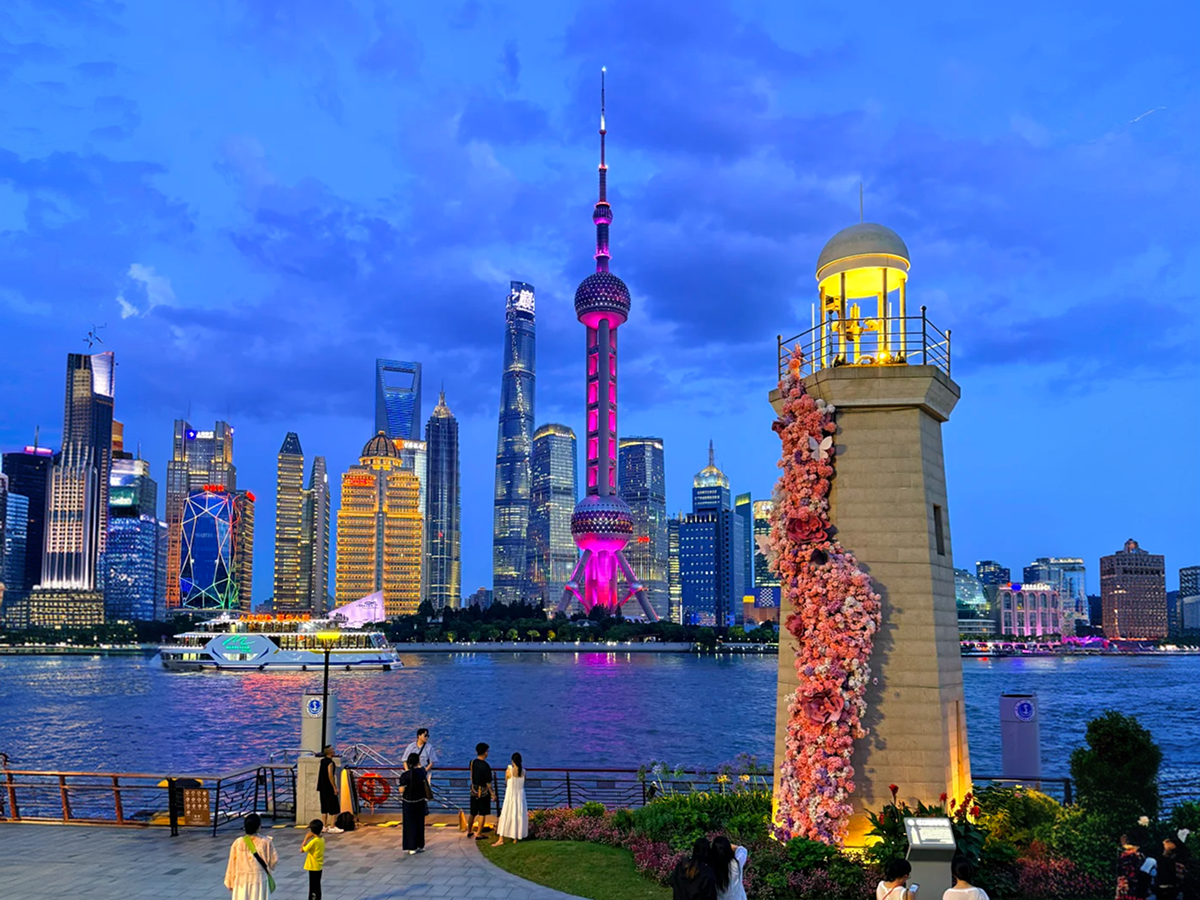
- Skyline photography: The Bund gives you a waterfront outlook toward Pudong, particularly suited to an evening outdoors.
- Canal-town scenery: Zhujiajiao adds stone bridges, waterside houses, and a boat ride in the anchored tour.
Choose a primary interest before adding variety. If shopping has little appeal, a long browsing session will contribute less than time at a temple or the riverfront; if canals are your priority, protect the separate Zhujiajiao outing rather than squeezing it around city stops.
Shanghai Temples and Shopping Streets
Jing'an Temple and City God Temple offer religious heritage in Shanghai, while Nanjing Road and Yu Garden Mall provide shopping-focused experiences. These places reward different kinds of attention, so proximity on an itinerary does not make them interchangeable. Choose temple visits for their religious setting and shopping stops when you want time to browse.
Temples for Religious Heritage
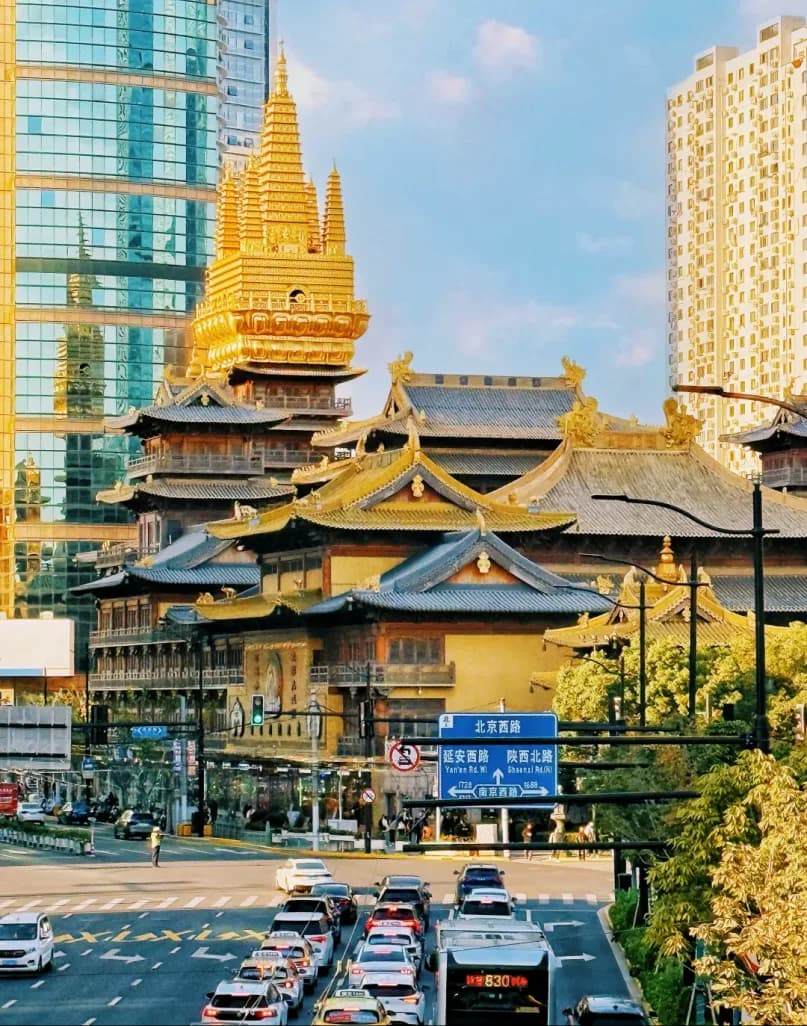
Jing'an Temple is a working Buddhist temple whose gilded halls contrast with the surrounding modern city. City God Temple, also known as Chenghuang Temple, is a Taoist temple complex. Visiting both makes sense if that religious distinction interests you; otherwise, decide which setting deserves more of your attention.
Shopping Streets and Architectural Stops
Nanjing Road is a major pedestrian shopping boulevard, while Yu Garden Mall combines commercial browsing with ornamental architecture. The Louis Shanghai appears in the product as a cultural and architectural stop, but that listing does not establish exhibition admission or entry conditions. Treat its architecture as the supported reason to include it, and check official information before planning around access inside.
Bund Views and Yu Garden Mall
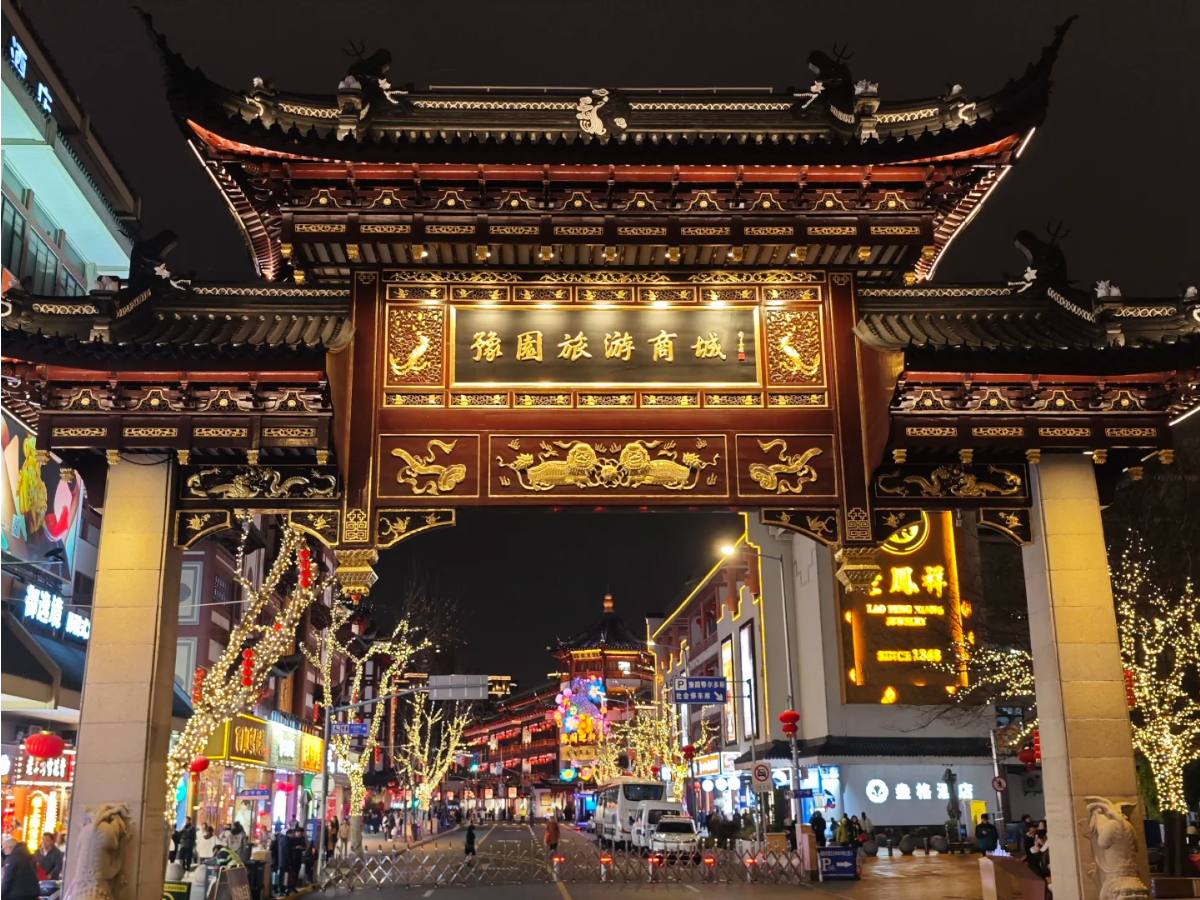
The Bund offers views of Shanghai's Pudong skyline, while Yu Garden Mall provides a contrasting evening setting of ornamental rooftops and lanterns. Choose the Bund when you want a broad riverfront outlook, and the mall when the closer architectural setting interests you. Their evening appeal comes from different views.
- The Bund: Face across the river toward the illuminated Pudong skyline, with the waterfront promenade as your viewing setting.
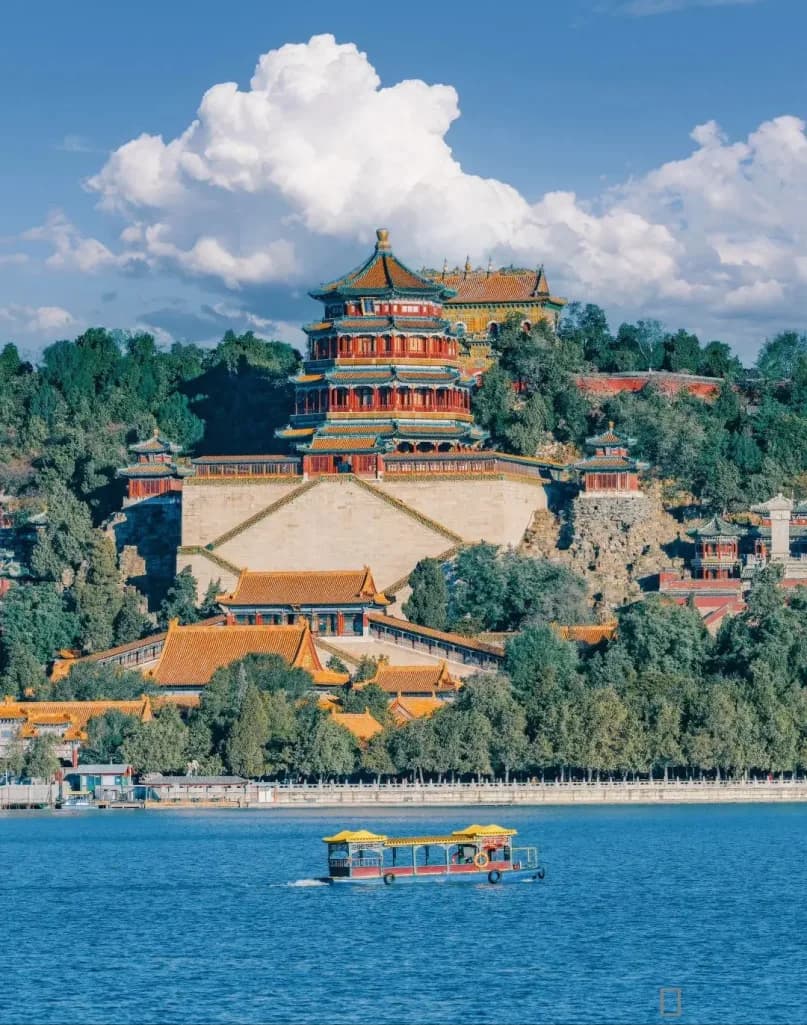
- Yu Garden Mall: Look at ornamental rooftops and lanterns around the surrounding water, with shops forming part of the experience.
The distinction matters more than collecting both names. Yu Garden Mall is a commercial setting, not proof of entry to Yu Garden itself; the supplied itinerary establishes the mall's night views only. If garden admission matters to you, check the garden's current official arrangements separately.
For the order of these evening stops, use the existing guide to sequencing the Bund and Yu Garden at night. Here, the useful decision is which visual experience deserves your attention, especially if you prefer a shorter evening after the daytime visits.
Zhujiajiao Canals, Bridges and Boat Rides
Zhujiajiao adds stone bridges, canal-side houses, and a waterway boat ride to the Shanghai 3D2N Tour as a separate outing from central-city sightseeing. Give the water town its own place in your plans. The shift from shopping boulevards and a metropolitan riverfront to canals and waterside buildings is the reason to go.
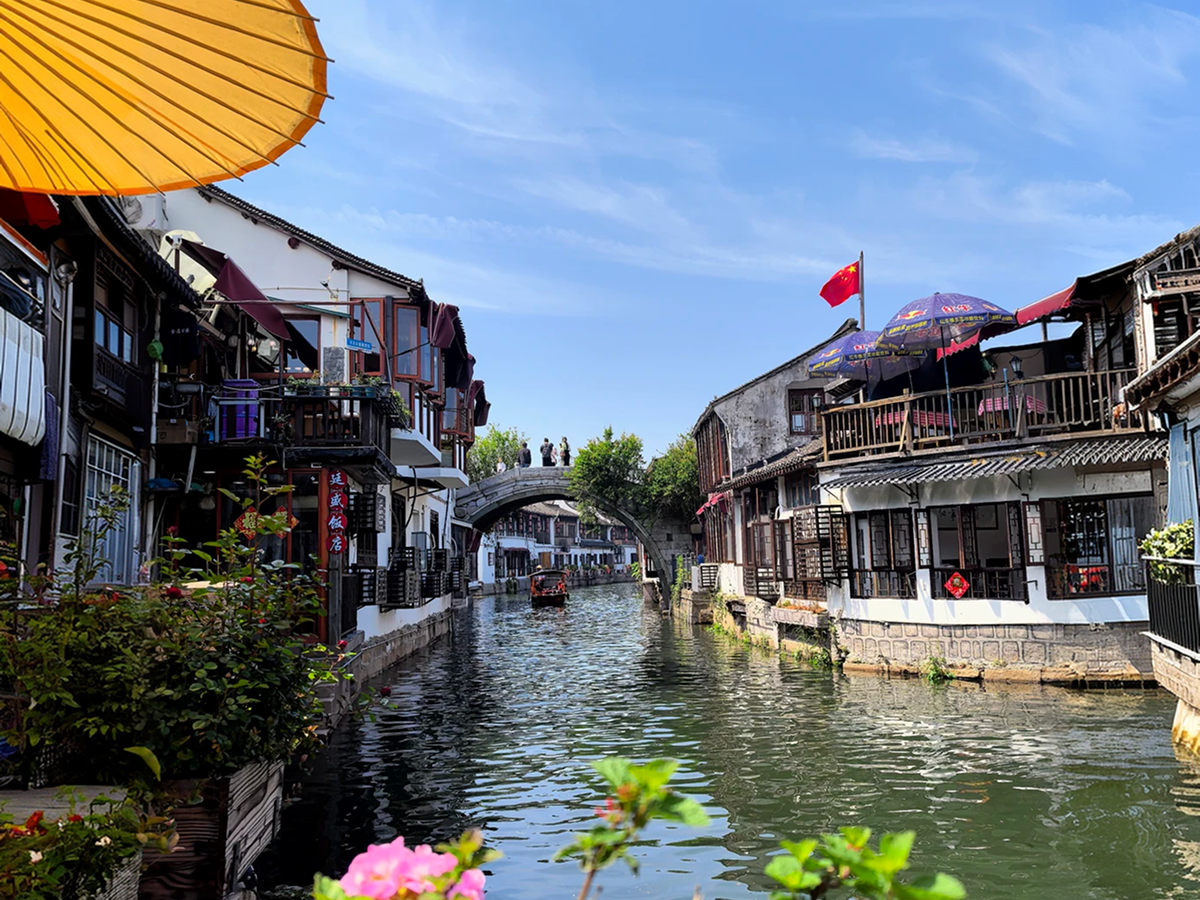
- Choose the setting: Add Zhujiajiao if stone arch bridges and canal-side houses appeal more than another central-city shopping stop.
- Consider the boat ride: The anchored tour includes a traditional ride through the waterways, giving you a different perspective from exploring on land.
- Protect the departure plan: When following the anchored itinerary, account for the airport or station transfer that follows the water-town visit.
Zhujiajiao works best as a deliberate change of setting. Travelers mainly interested in Shanghai's modern skyline may prefer to prioritize the Bund, while those drawn to waterways have a clear reason to add the town.
For the narrower question of whether the outing suits your trip, read the Zhujiajiao day-trip guide. The supplied product includes a boat ride, but it does not establish independent boat-ticket arrangements; current access and operating arrangements remain subject to official information.
Inside the Shanghai 3D2N Tour
The Shanghai 3D2N Tour includes an arrival day, a central-city sightseeing day, and a Zhujiajiao visit before airport or station drop-off. The Shanghai 3D2N Tour is a three-day itinerary with distinct daily purposes. Read its structure as an example of how these activities fit together.
- Day 1 — Arrival: Airport pickup and hotel transfer are followed by a free evening for self-exploration.
- Day 2 — Central Shanghai: Jing'an Temple, The Louis Shanghai, Nanjing Road, and City God Temple lead into Yu Garden Mall night views and the Bund, followed by hotel drop-off.
- Day 3 — Water town and transfer: Zhujiajiao includes stone bridges, canal-side houses, and a traditional boat ride, followed by airport or station drop-off.
TravelToQin can help clarify how the published activities and final transfer fit your plans. We cannot guarantee attraction access or assume that the final day suits every flight or train; check current arrangements against official information.
Share your arrival and departure details, the activities you care about, and any walking limits so the discussion starts with your actual constraints. Send those details through contact.