Things to Do in China: Match Activities to Your Trip Length
China's size makes a single list of things to do in china less useful than matching activities to your trip length and region. First-time visitors usually focus on a classic route through Beijing, Xi'an, and Shanghai, which shapes which activities make sense. That route is not a rule, but it is the most efficient way to see the country's historical core without losing days to transit.
Activity types in China fall into clear categories: historical sites, natural landscapes, food experiences, and urban culture. The challenge is not finding things to do—it is filtering them so you do not spend half your trip on trains or in queues.
Best Things for First-Time Visitors
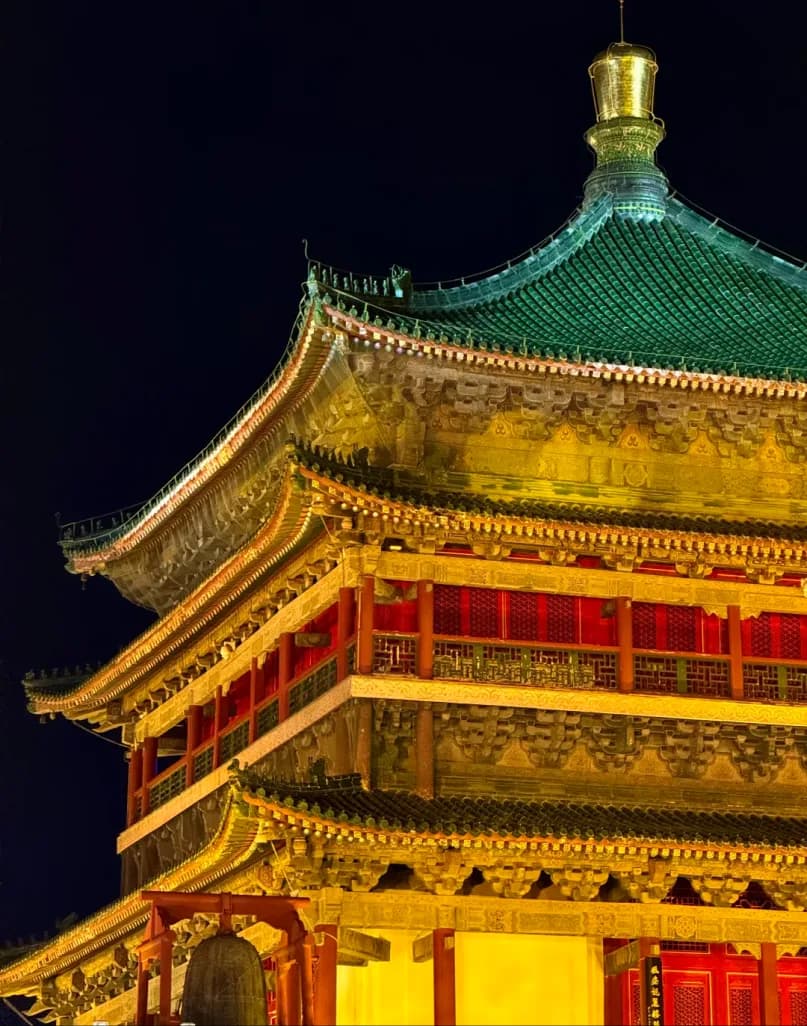
First-time visitors to China get the most from the classic Beijing–Xi'an–Shanghai corridor, which packs historical sites, food experiences, and urban culture into a manageable route. That corridor works because the high-speed rail links are direct and frequent, and each city offers a different layer of Chinese history.
You will not see everything, and you should not try. Pick one anchor per city, then leave room for walking and eating.
Historical Sites
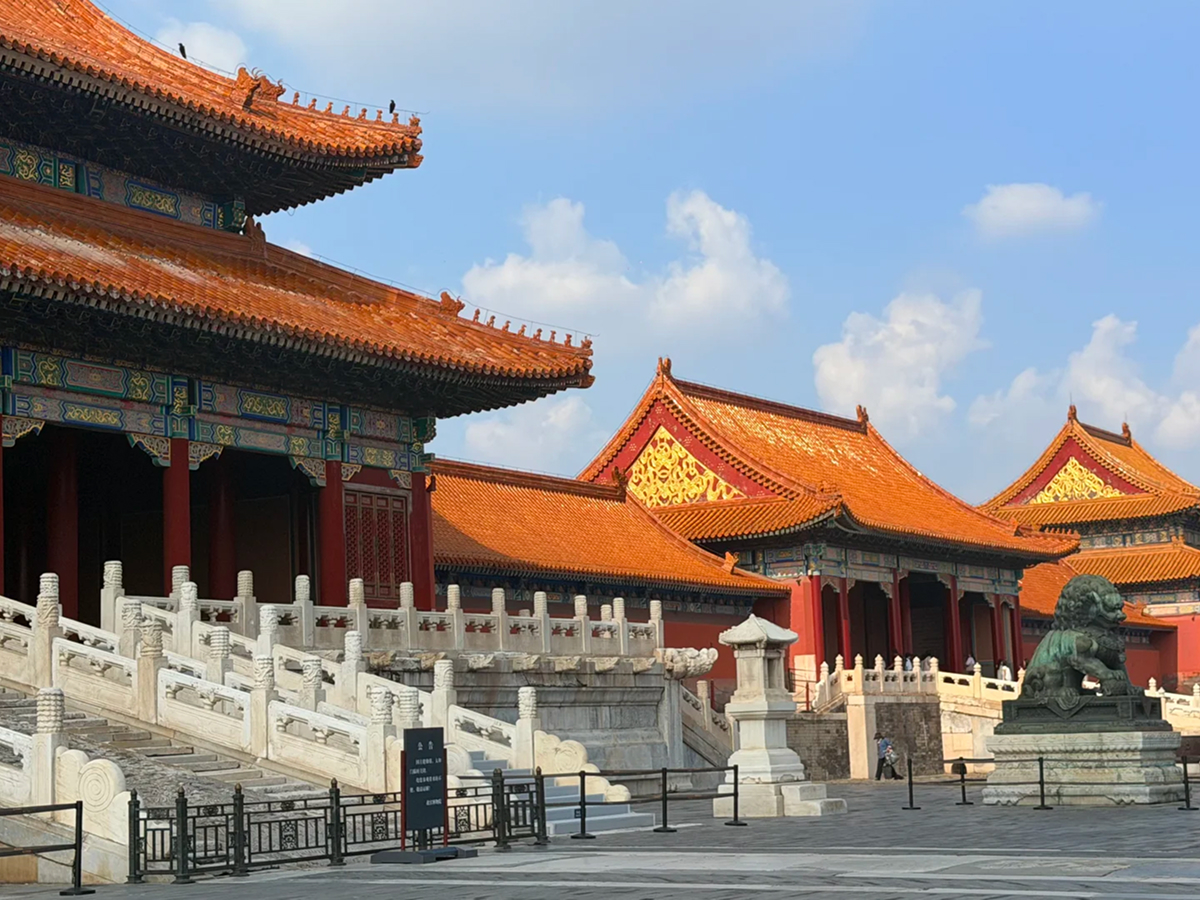
- Forbidden City: a full morning, enter at opening to avoid the worst crowds.
- Terracotta Army: half a day from Xi'an, best combined with the city walls.
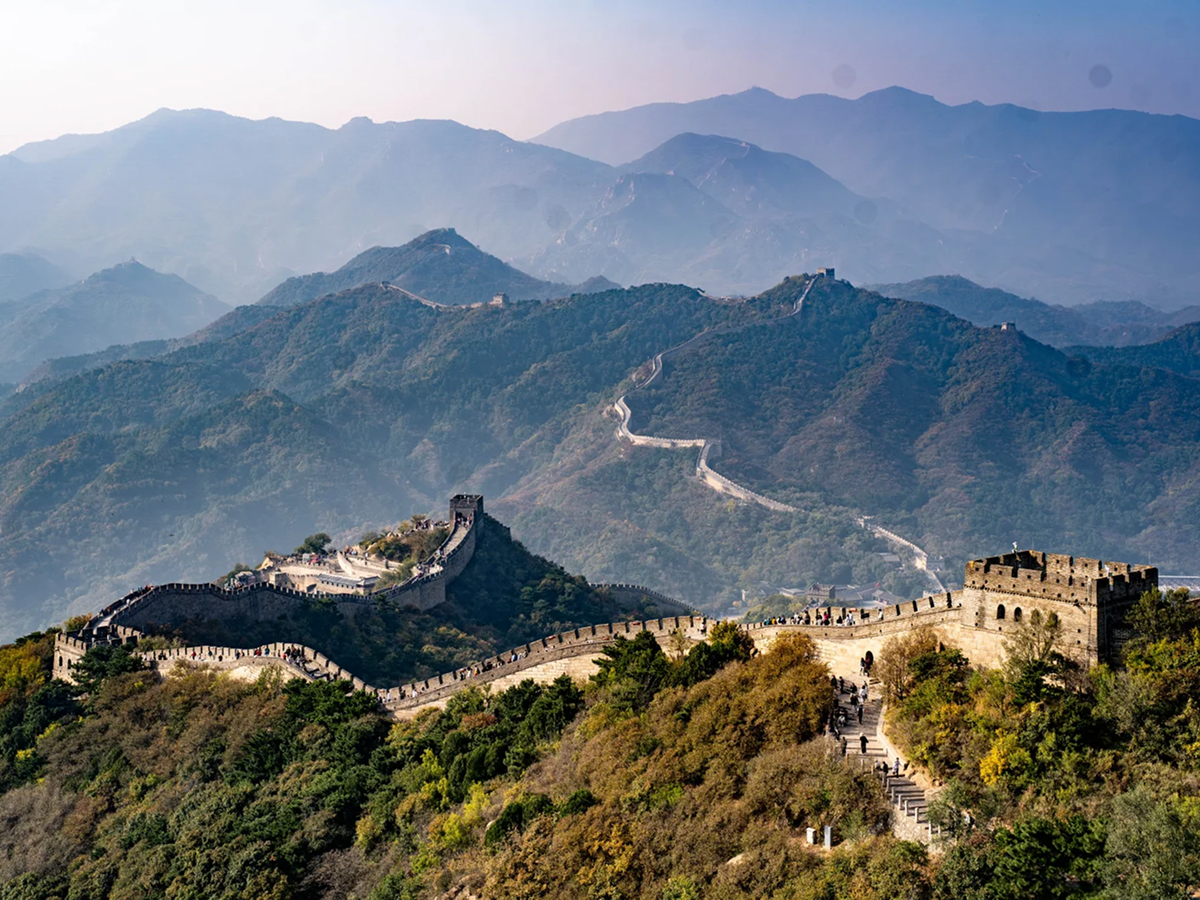
- Great Wall: choose a restored section like Mutianyu for a first visit.
Food Experiences
- Peking duck: book a table in Beijing, not a tourist trap near the Forbidden City.
- Dumplings: a casual lunch in Xi'an's Muslim Quarter, not a formal banquet.
- Street food tours: stick to busy stalls with high turnover.
Urban Culture
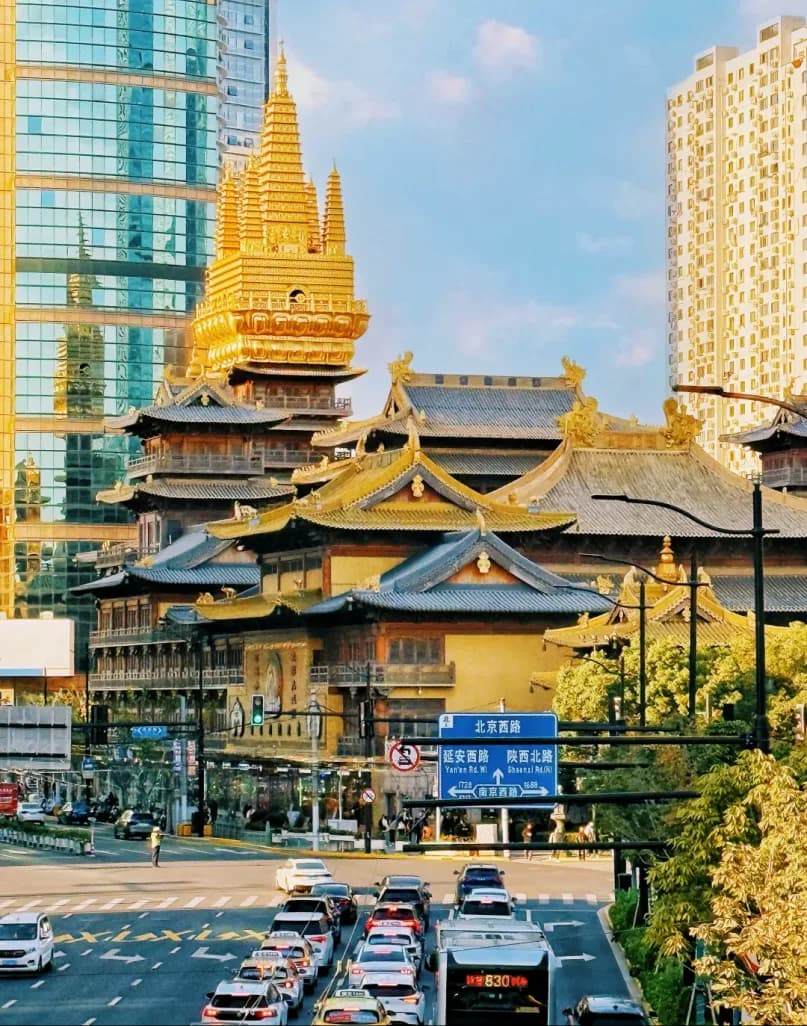
- The Bund: walk at dusk for the skyline, not at midday.
- Tianzifang: narrow lanes in Shanghai, better for a coffee than for shopping.
- 798 Art District: contemporary galleries in Beijing, not a substitute for historical sites.
That is a shortlist, not a checklist. If you try to do all nine in one trip, you will spend more time in transit than at the sights.
Match Activities to Trip Length
A 7-day China trip realistically covers one or two cities in depth, while 14 days allows adding a natural landscape or a second-tier city without rushing. The mistake is to treat China like a small country where you can hop between regions in a few hours.
Use these rough frameworks, not as itineraries but as filters for what to include.
- 7 days: Beijing plus one nearby city, such as Xi'an or Shanghai, with no more than two high-speed rail legs.
- 10 days: Beijing, Xi'an, and Shanghai highlights, with one full day for the Great Wall and one for the Terracotta Army.
- 14 days: add a natural landscape like Guilin or a food city like Chengdu, but only if you are willing to fly or take an overnight train.

A 7-day trip that tries to include Guilin and Beijing will leave you with two half-days in each place. That is context, not a tour script.
Filter by Region, Not by List
Grouping China activities by region—north, central, south—prevents backtracking and wasted travel days, especially for first-timers on a fixed route. China's high-speed rail network is excellent, but a Beijing–Guilin–Shanghai loop is a triangle with long sides.
Think in corridors, not in dots.
- North: Beijing, Great Wall, Xi'an—all linked by high-speed rail in under six hours.
- Central: Shanghai, Hangzhou, Suzhou—a dense cluster where you can day-trip by train.
- South: Guilin, Yangshuo, Guangzhou—a separate region that needs its own flight or long train ride.
If you are flying into Beijing and out of Shanghai, do not add Guilin unless you have at least two extra days. For a deeper look at Guilin, see things to do in Guilin.
Check Official Rules Before You Go
Before finalizing any China activity, check official sources for opening hours, reservation requirements, and transport feasibility, as these change frequently. China's major sights are not like European museums where you can walk up and buy a ticket.
The rules that matter most for first-time visitors:
- Forbidden City requires advance reservation, often days ahead in peak season.
- Terracotta Army tickets sell out in peak season, especially around national holidays.
- High-speed rail tickets open 15 days ahead, and popular routes sell out fast.
Do not rely on third-party blogs for current rules. Official websites and your hotel concierge are more reliable. We cannot create extra tickets or guarantee entry, but we can help you sequence reservations so you are not locked out of a sight you planned to visit.
Use Visa-Free Transit to Expand Options
The 240-hour visa-free transit policy allows eligible travelers to visit multiple regions in China without a visa, expanding activity options beyond a single city. Eligible foreign travelers from 54 countries can use China's 240-hour (10-day) visa-free transit policy at 60 designated ports across 24 provinces, and unilateral 30-day visa-free entry applies to eligible passport holders.
That policy changes the math for a first trip. You can enter via Beijing, travel to Xi'an and Shanghai, and exit from Shanghai without a visa—if you meet the conditions.
- Eligible nationalities can enter via major hubs like Beijing, Shanghai, and Guangzhou.
- Stay within allowed regions; the policy covers 24 provinces, not all of China.
- Confirm policy details before booking, because rules change and not every border crossing is included.
Do not assume your nationality qualifies. Check the official Chinese embassy website for your country before you book flights.
Plan Your First China Trip
For a first China trip, start with a 10-day framework covering Beijing, Xi'an, and Shanghai, then add one regional detour based on your interests and available time. That framework is not a product we sell, but it is the most common structure for private travelers who want to see the icons without burning out.
Before you book anything, do these three things:
- Book flights into Beijing and out of Shanghai, or the reverse, to avoid backtracking.
- Reserve hotels near metro lines, not in scenic but remote areas.
- Download Alipay and a VPN before arrival, because many services require them.
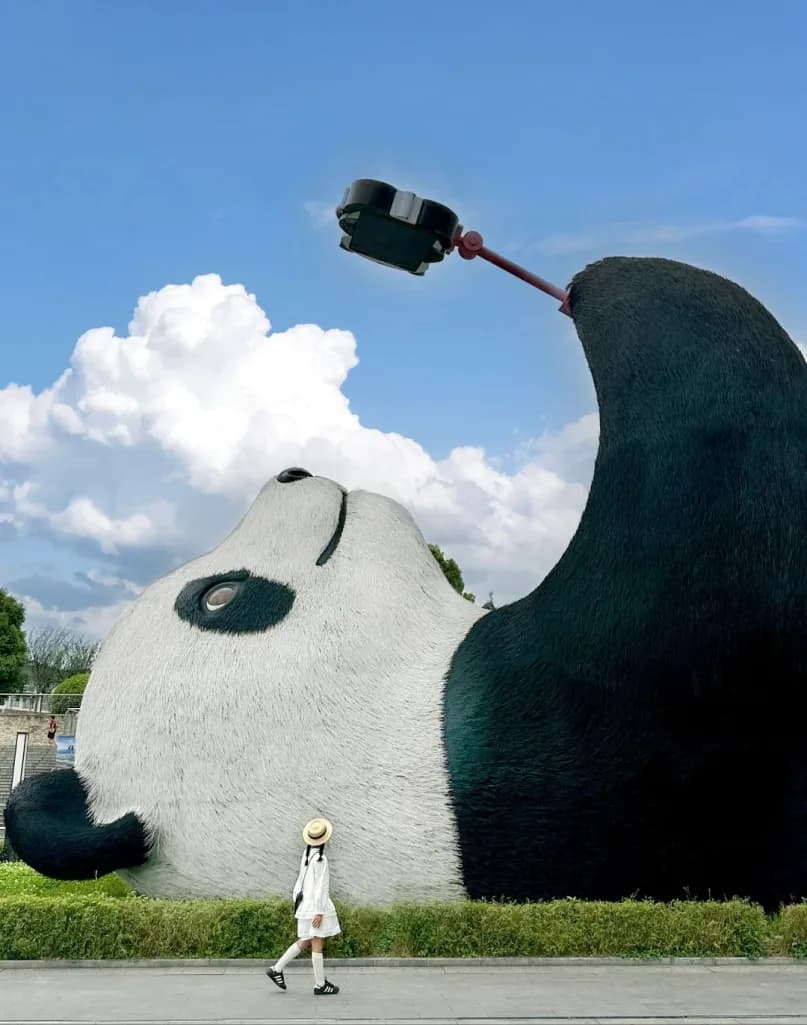
If you have more time, add one regional detour: Hangzhou for tea and water towns, or Chengdu for pandas and food. For Hangzhou, see things to do in Hangzhou. For a different pace, consider things to do in Dali.
TravelToQin can help with the ground logistics—private car, guide, and reservation sequencing—but we cannot guarantee availability or skip lines. Send your trip length, cities, and walking limits through contact, and we will tell you what is realistic.