Temple of Heaven Tour: Why It Belongs on a 7-Day Beijing Line, Not a 3-Day Default
The 3-Day Line Does Not Include This Park
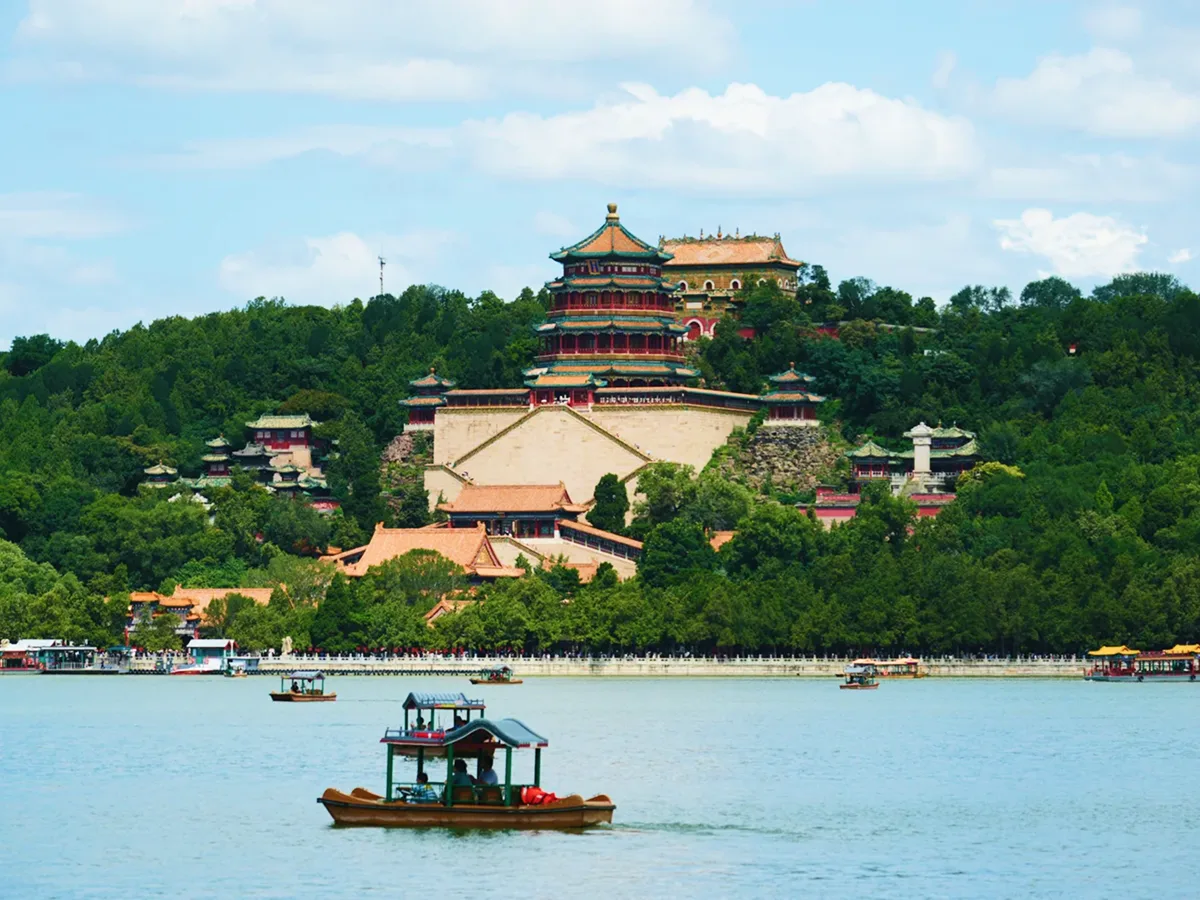
If you search for a "Temple of Heaven tour" you will find a large number of half-day tour listings pairing it with the Summer Palace, the Hutongs, and the Lama Temple in a single day. This is a standard OTA half-day combination sold to visitors on a tight three-day Beijing itinerary. It is also a tour combination that undersells the Temple of Heaven significantly.
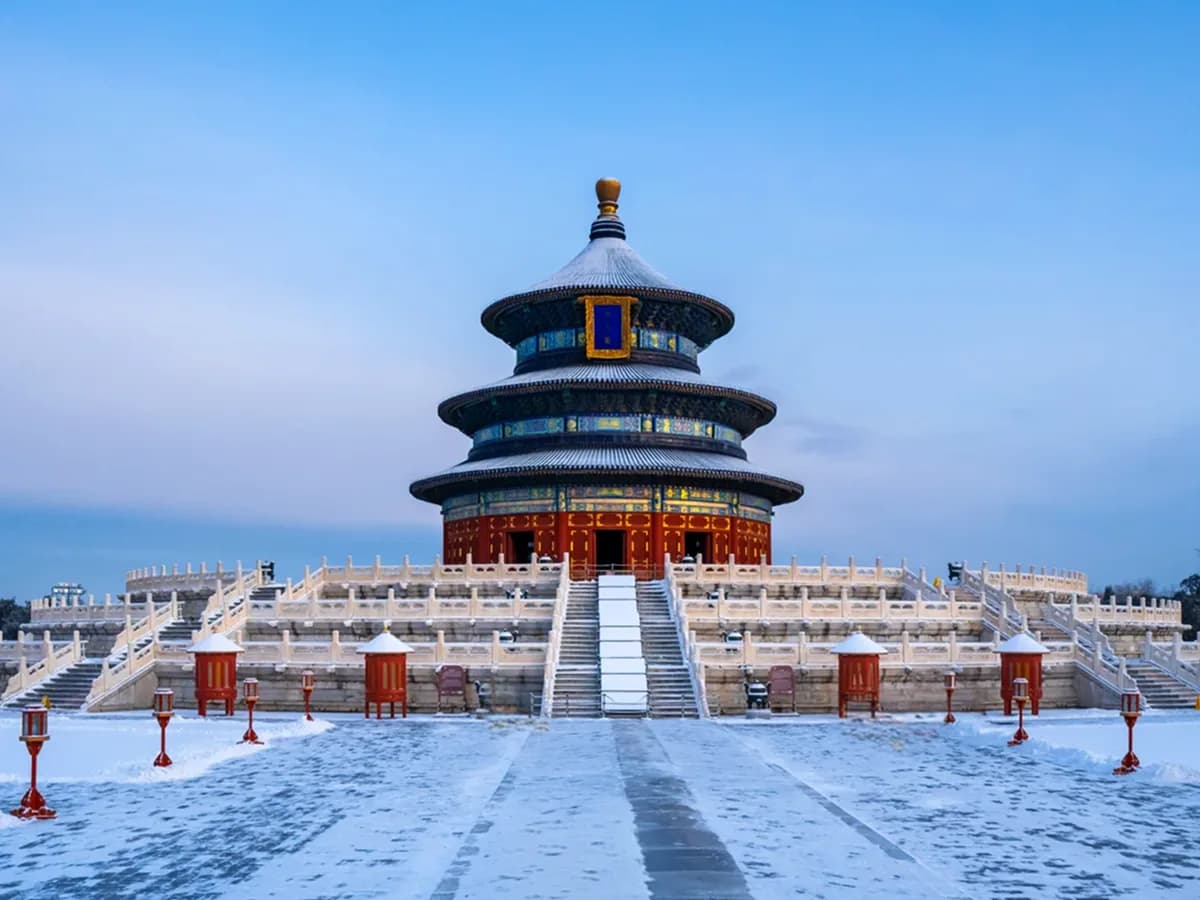
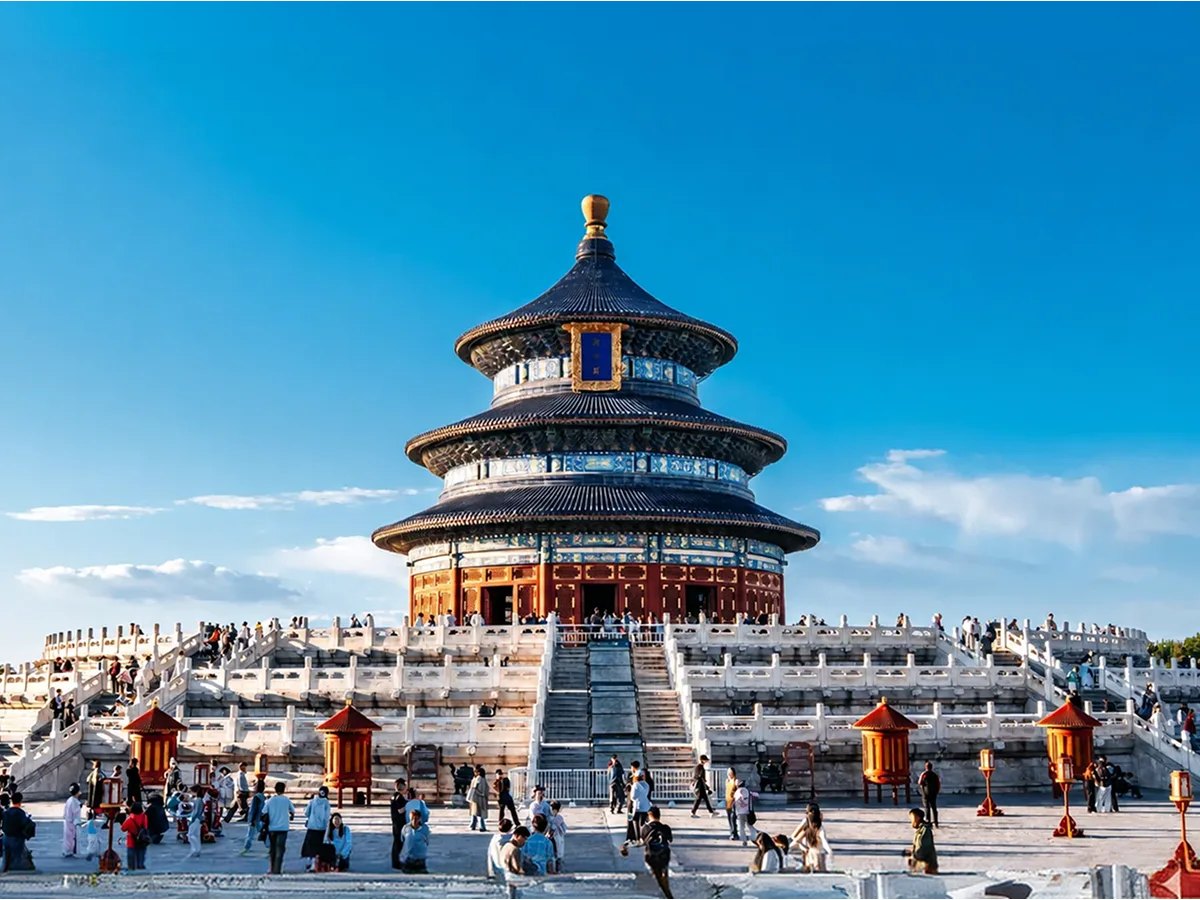
The Temple of Heaven Tiantan is not a small temple. It is a 273-hectare park complex in the south of Beijing that served as the ritual space for the Ming and Qing dynasty emperors' annual sacrifices to heaven. The Hall of Prayer for Good Harvests —the circular, triple-gabled building that appears on postcards—is the centerpiece. But the park itself, with its 4-meter-high circular wall, the Echo Wall, the Triple Sound Stones, and the Imperial Vault of Heaven, is large enough that a visit at the pace of a half-day multi-site combo gives you the postcard and not much else.
On a standard 3-day Beijing itinerary—Forbidden City, Mutianyu Great Wall, Summer Palace—there is rarely room for the Temple of Heaven without cutting one of the other three. Most visitors on a 3-day schedule are making the right call in skipping it. The Temple of Heaven is worth a visit, but it is not worth cutting the Great Wall or the Forbidden City short to fit it in.
Where the Temple of Heaven becomes worth including is on a 5-night or 7-night Beijing stay, when the main sites have been allocated their proper time and a fourth or fifth morning is available.
The Park Can Be Open When the Halls Are Not
The most common confusion about the Temple of Heaven involves the relationship between the park and the Hall of Prayer for Good Harvests. The Hall of Prayer for Good Harvests is inside the park but has its own separate opening hours and its own closure schedule.
The hall closes on Mondays for maintenance. The park remains open. On a Monday visit, you can walk the park's circular wall, hear the Echo Wall, and stand in the Imperial Vault of Heaven—but you cannot enter the Hall of Prayer for Good Harvests. This matters because many half-day tour combinations are structured as "Temple of Heaven + Summer Palace" or "Temple of Heaven + Lama Temple," and if the Temple of Heaven component is planned for a Monday, the visitor may end up with a park visit and no hall.
The park's opening hours are 6:00 am–10:00 pm in summer and 6:30 am–9:00 pm in winter. Entry tickets are purchased at the gate; the hall ticket is a separate purchase available at the hall entrance. The combined ticket (park + hall) is slightly cheaper than buying them separately but locks you into the hall visit even on days when you may prefer to spend that time elsewhere.
The most useful time to visit: Early morning, from 6:30 am when the park gates open. Local residents use the park extensively for tai chi, ballroom dancing, and calligraphy practice. The morning activity inside the park is one of the most culturally vivid things to observe in Beijing, and it happens without any admission beyond the park ticket. This is not part of the OTA tour itinerary—it happens too early. But for a private visitor with a morning free, it is the best time to be there.
What the Temple of Heaven Actually Is
The Temple of Heaven complex was built in 1420 during the Ming dynasty and was used for the emperor's annual prayer rituals until the fall of the Qing dynasty in 1912. The rituals were based on the cosmological belief that heaven was round and the earth was square, which is why the temple's key structures are circular (the Hall of Prayer for Good Harvests, the Imperial Vault of Heaven, the Circular Mound Altar) and the surrounding walls are square.
The Hall of Prayer for Good Harvests is the most photographed structure because its architecture is visually distinctive—three concentric circular buildings stacked under a triple-eaved roof, all supported by 28 stone pillars representing the months, seasons, and celestial phenomena. The central pillar represents the cosmos; the surrounding pillars represent the seasonal cycles. Understanding this structure before you enter makes the interior more legible.
The Circular Mound Altar , at the southern end of the complex, is where the emperor performed the annual winter solstice sacrifice. The altar is built on three levels of marble terraces in perfect concentric circles, with the number of stones in each ring arranged according to symbolic mathematical principles. It is acoustically remarkable—a whisper at the center of the top platform is audible at the edge of the platform 60 meters away. Stand at the center, whisper, and listen.
When to Add It to a Beijing Itinerary
The Temple of Heaven is a natural addition to a Beijing itinerary on a 7-night stay, when you have:
- Day 1 or 2: Arrival, light afternoon
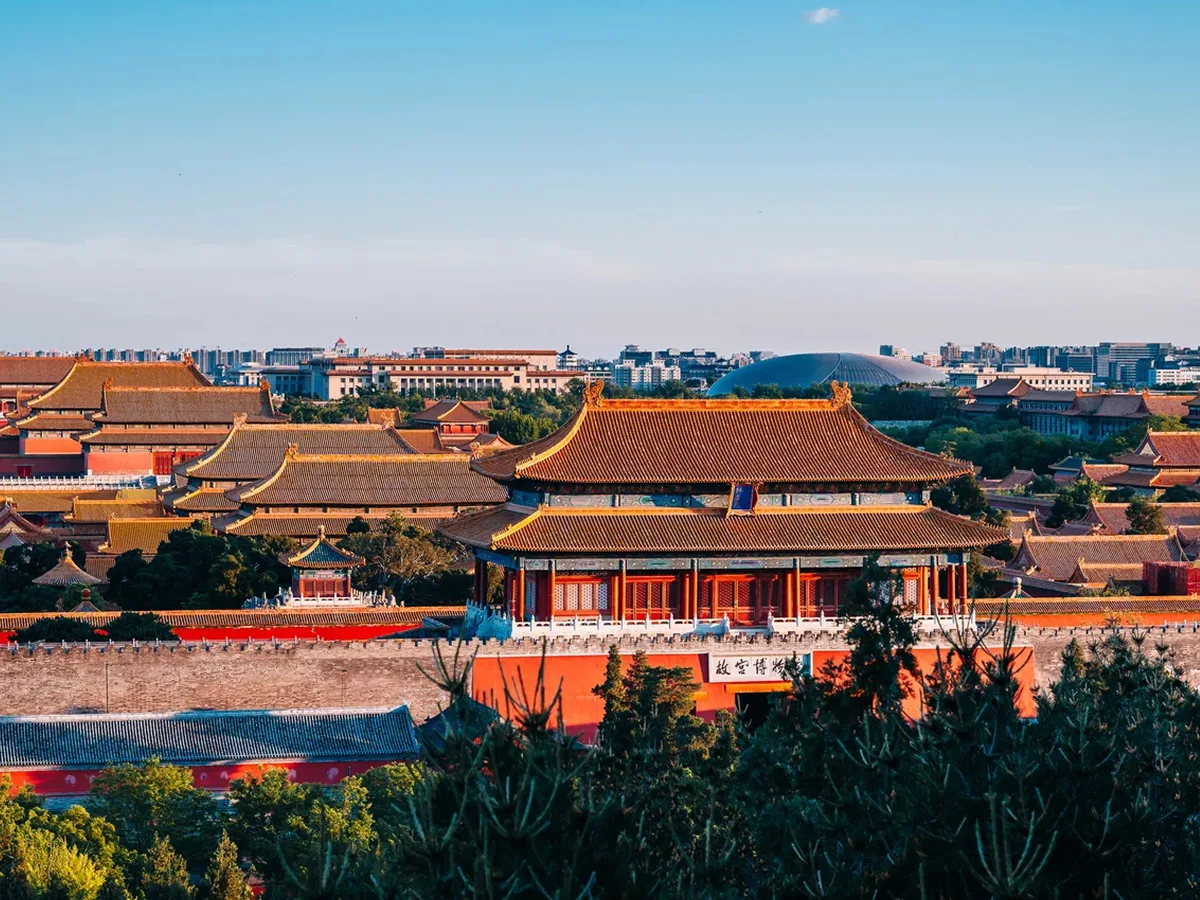
- Day 3: Forbidden City (full day)
- Day 4: Mutianyu Great Wall (full day, depart morning)
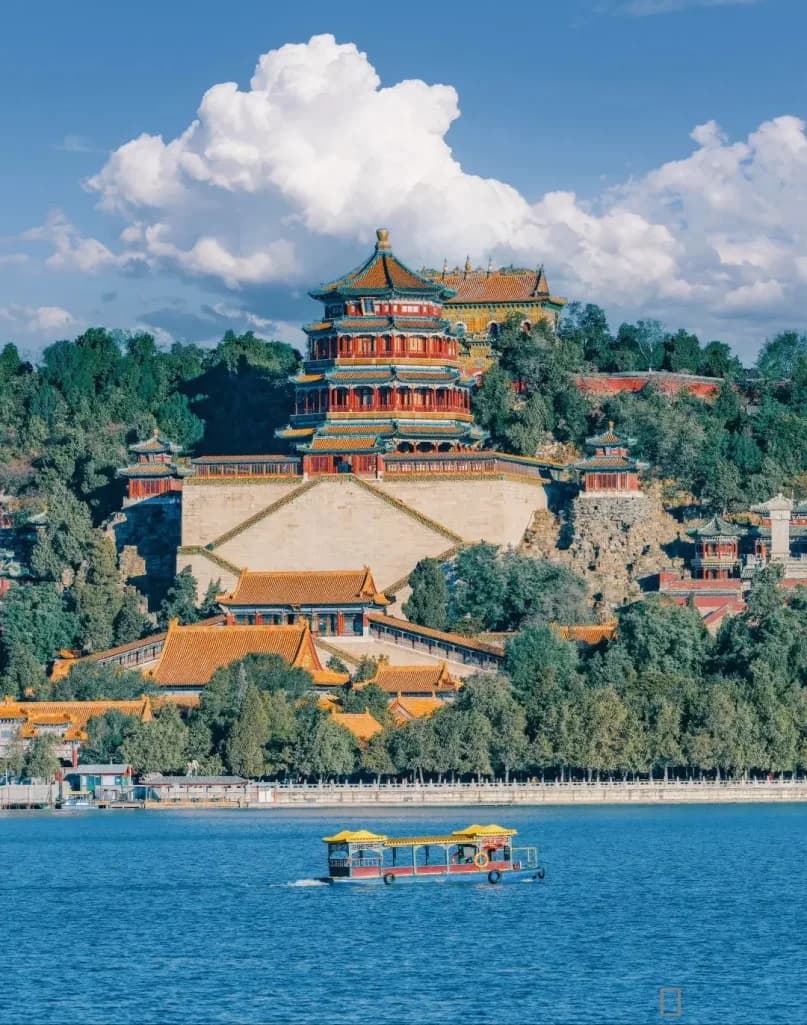
- Day 5: Summer Palace (full day)
- Day 6: Temple of Heaven (morning, early entry for park activity) + afternoon for a second neighborhood walk, the Hutongs, or a slower second visit to a previous site
- Day 7: Departure
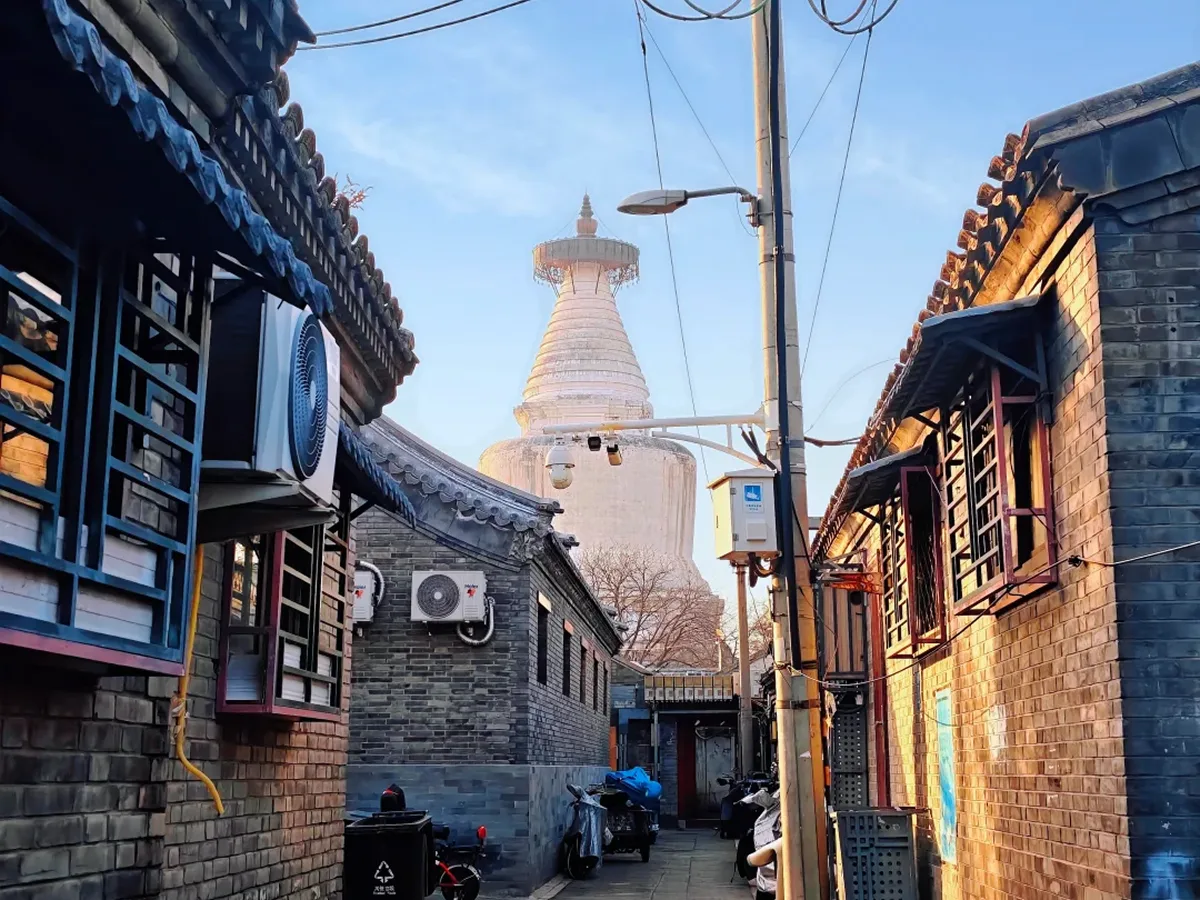
On a 5-night stay, the Temple of Heaven is a viable addition only if you are willing to pair it with a lighter afternoon on day five—perhaps the Hutongs or a second look at the Summer Palace—rather than expecting a full second day in the park.
The Temple of Heaven is not a good pairing with the Summer Palace in a single day. The Summer Palace requires three to four hours at a considered pace. A combined day that includes both parks is almost certainly a day that shortchanges both of them.
What TravelToQin can help with: We plan Beijing as a private ground itinerary and will tell you explicitly whether your night count supports the Temple of Heaven or whether it should wait for a longer visit. We coordinate the early-morning park entry timing and can pair the visit with a neighborhood walk in the surrounding Dongcheng district, which is more coherent than a half-day multi-park sprint.
Verify before you go: Hall of Prayer for Good Harvests closure days are confirmed through the Temple of Heaven official website . Park opening hours and ticket availability are also confirmed through this channel. Combined vs. separate tickets are available at the gate; there is no advantage to pre-purchasing either version online.