Moon Festival in China: Reunion Tables, Mooncakes, and Where Travelers Watch
The Table Comes First, the Viewpoint Second
Mid-Autumn Festival in China is a reunion at a round table. Mooncakes get passed around, the kitchen runs late, and the meal goes longer than planned. The poetry exists; the story of Chang'e and the jade rabbit is real and worth telling. But the holiday is not a public spectacle you go and watch. Travelers who land in China expecting an open-air lantern parade on the fifteenth of the eighth lunar month end up walking through quiet streets while families close their doors.
What you can join, as a visitor, is the food and the nighttime view. Not the table itself. Unless a Chinese friend has invited you to their home, assume the dinner is private.
Mooncakes Are Food, Not an Attraction
Mooncakes are dense pastries filled with lotus seed paste, red bean, mixed nuts, or salted egg yolk. The egg yolk versions are the most traditional; the snow-skin mooncakes in the refrigerator aisle at city hotels are a Hong Kong export and are eaten cold. Travelers who like mooncakes tend to like the heavy, dense ones; travelers who do not tend to find them cloying after a few bites.
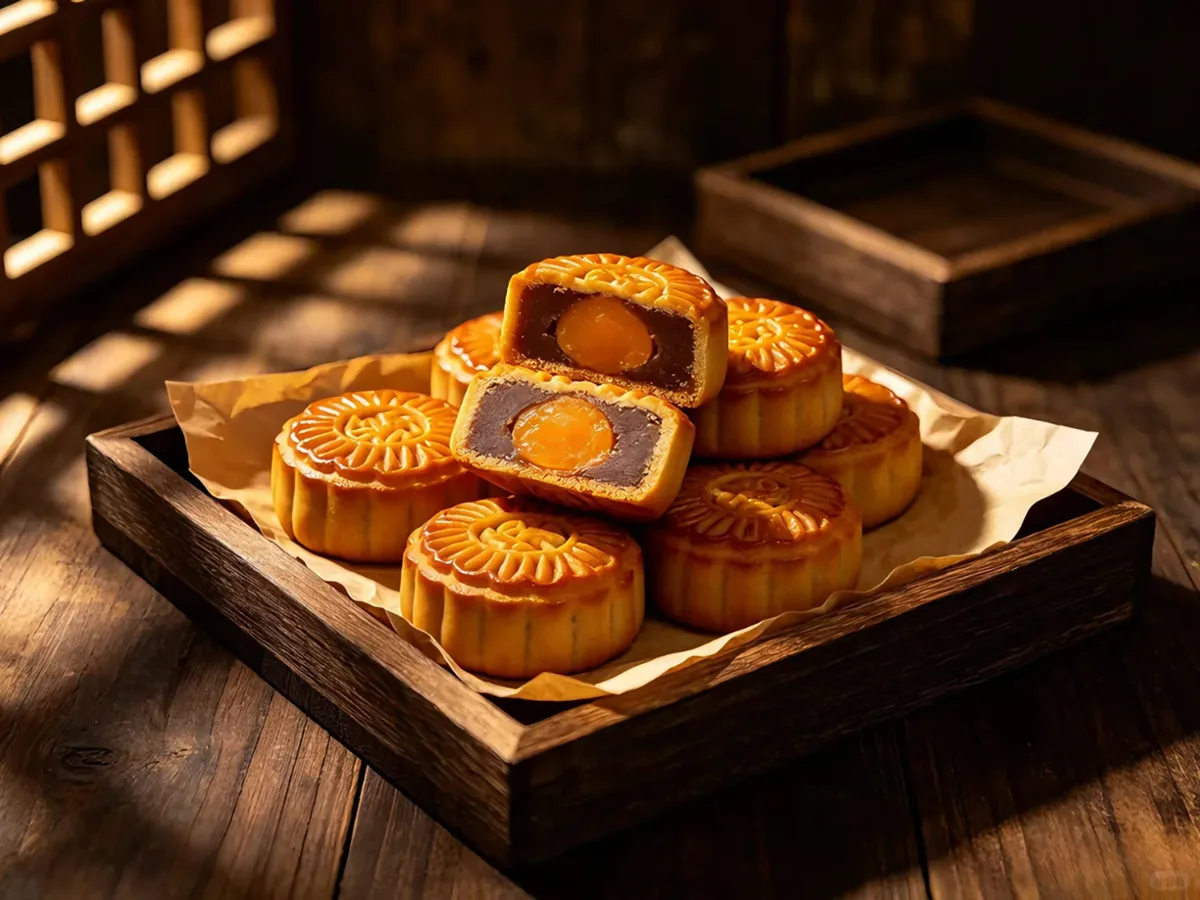
Do not read reviews to choose a brand. Do not assume a hotel gift box is the same as a local bakery run. Buy what looks good at the counter, eat it the same week, and skip the rest. Mooncakes are not a tasting menu; they are a thing you bring home and slice thin.
Two Night Overlays That Don't Rewrite the Day
If you happen to be in China during Mid-Autumn, two cities give you a real moonlit view without turning the trip into a moon-themed itinerary:
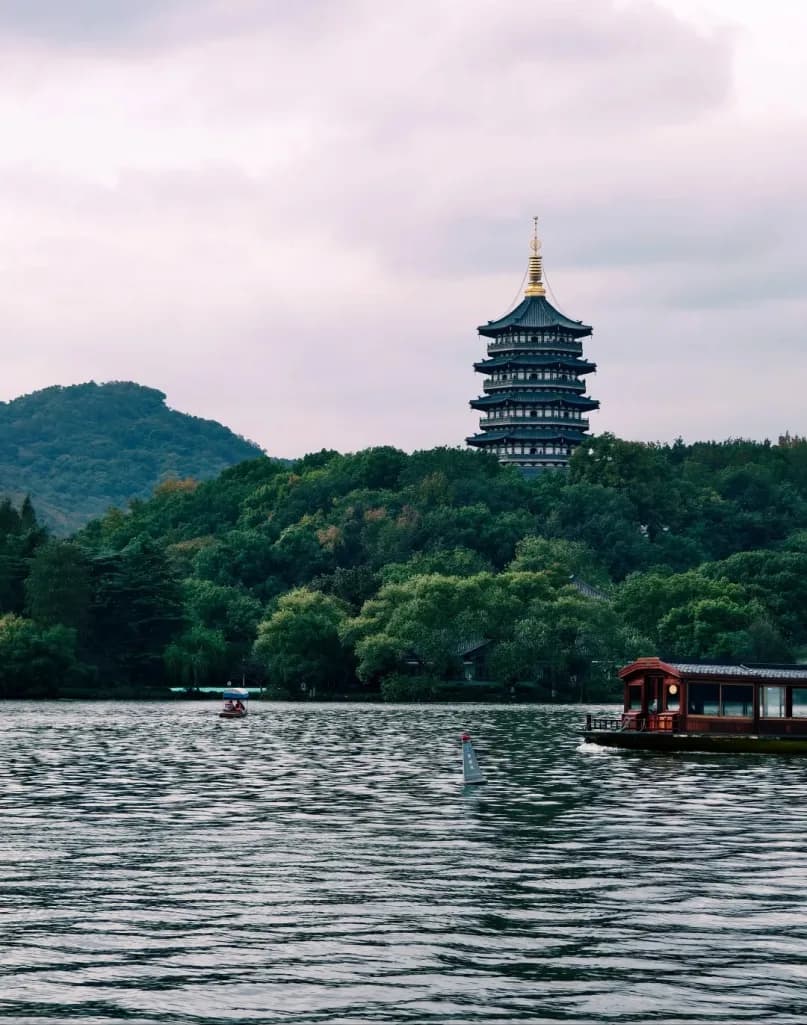
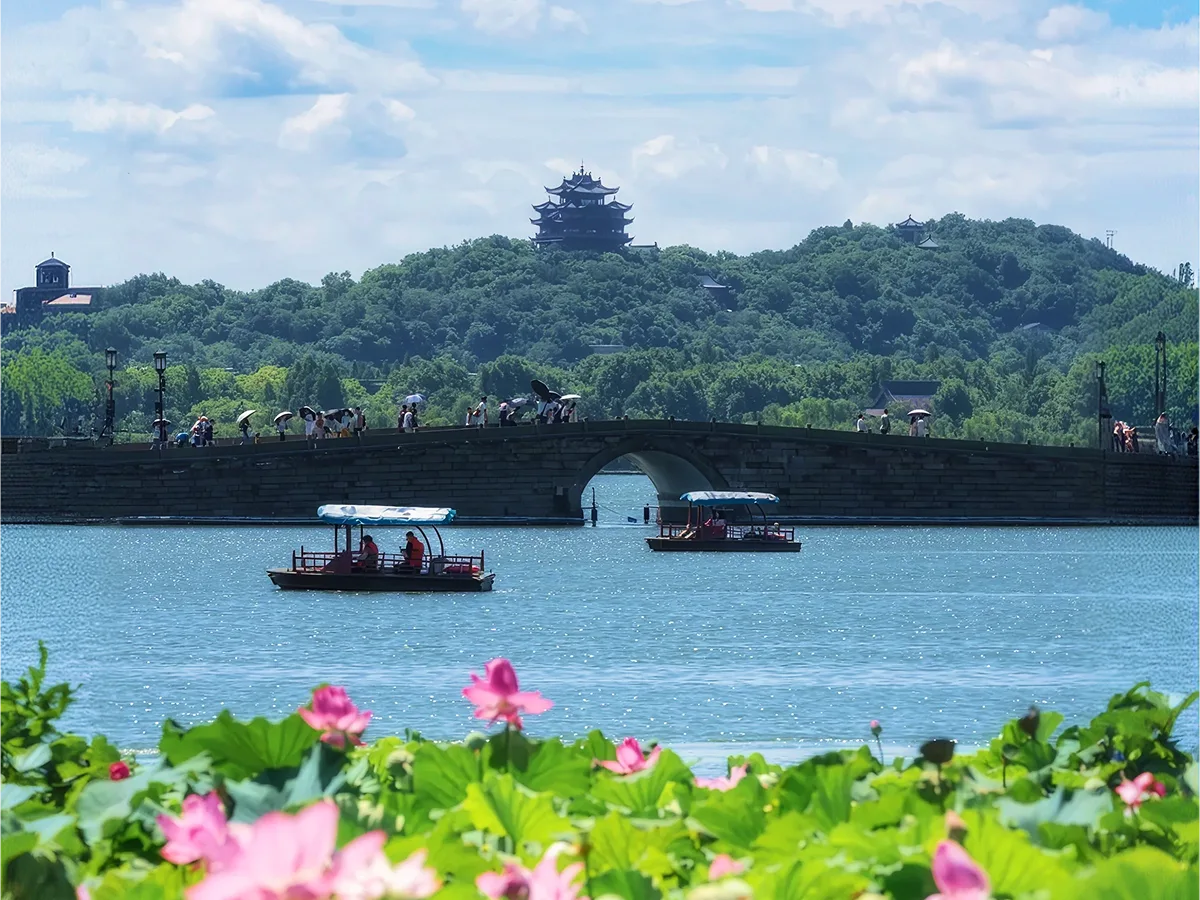
- Hangzhou, West Lake at night. The West Lake area takes on a quieter feel after the lanterns along the causeways go up, and the moon over the water is the view people write about. This slots into the daytime West Lake walk from the Hangzhou 3D2N line; the evening is an overlay, not a replacement.
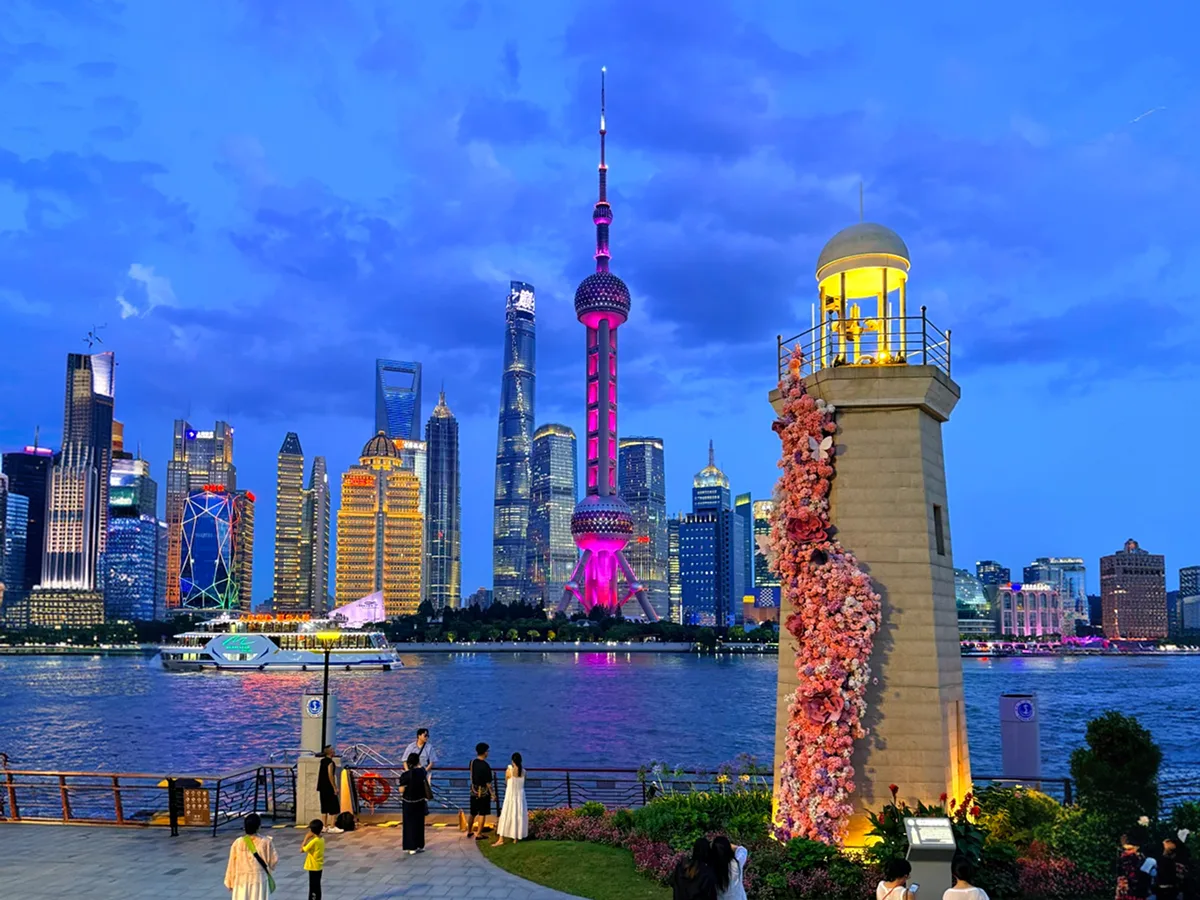
- Shanghai, the Bund after dark. The Bund facing Pudong is the urban version of the same idea: city lights, river, sky. It layers on top of the Shanghai 3D2N evening without changing the daytime plan.
If you are already in Shanghai, do not cross to Hangzhou for one moonlit night. The two-hour rail each way eats the day and leaves you tired for whatever the next morning is. Stay where you are.
The Lunar Date vs the Public Holiday
The fifteenth of the eighth lunar month is the festival itself; the public holiday around it shifts year to year. In 2026 the lunar fifteenth falls on or around September 25, and the public holiday typically runs September 25 through 27 — three days that may or may not be attached to the National Day Golden Week depending on how the calendar lines up. Treat the two as separate events. Mid-Autumn is a short domestic holiday, not a Golden Week.
What this means on the ground: hotels in popular cities tighten around the holiday nights, domestic flights fill, and the lakeside or riverfront spots draw local crowds after sunset. Daytime sightseeing remains open. The bigger congestion is the week of Golden Week itself (October 1 to 7), which is the separate issue covered on the Golden Week page.
Lanterns Belong to a Different Night
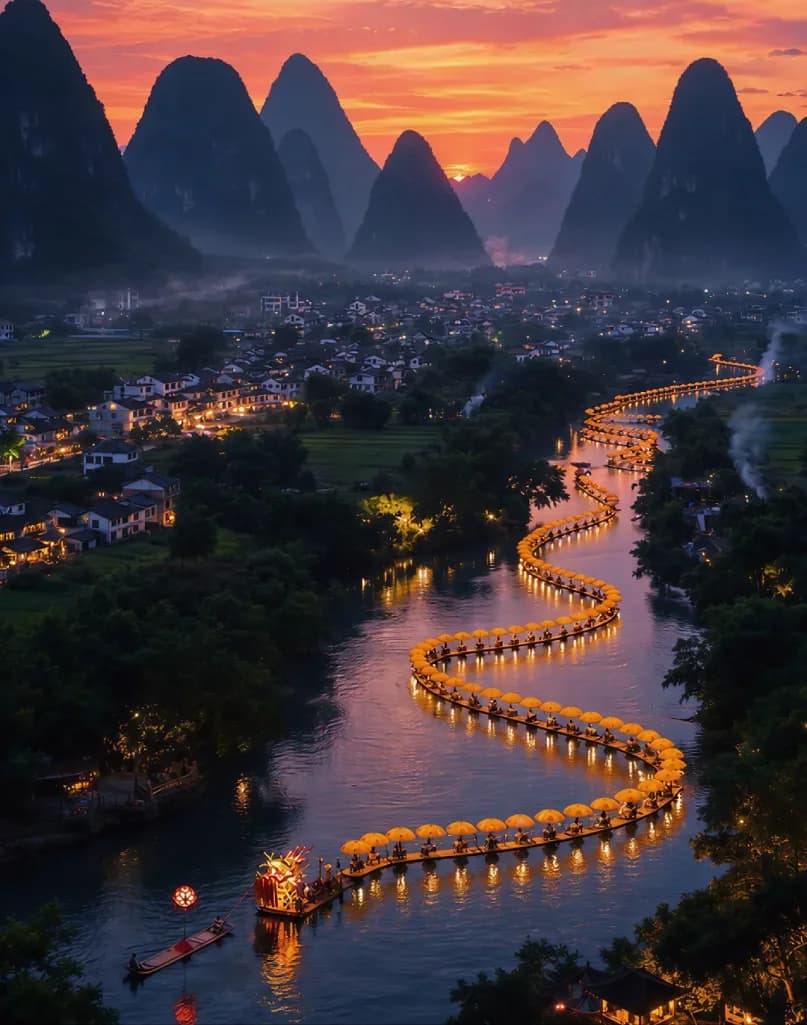
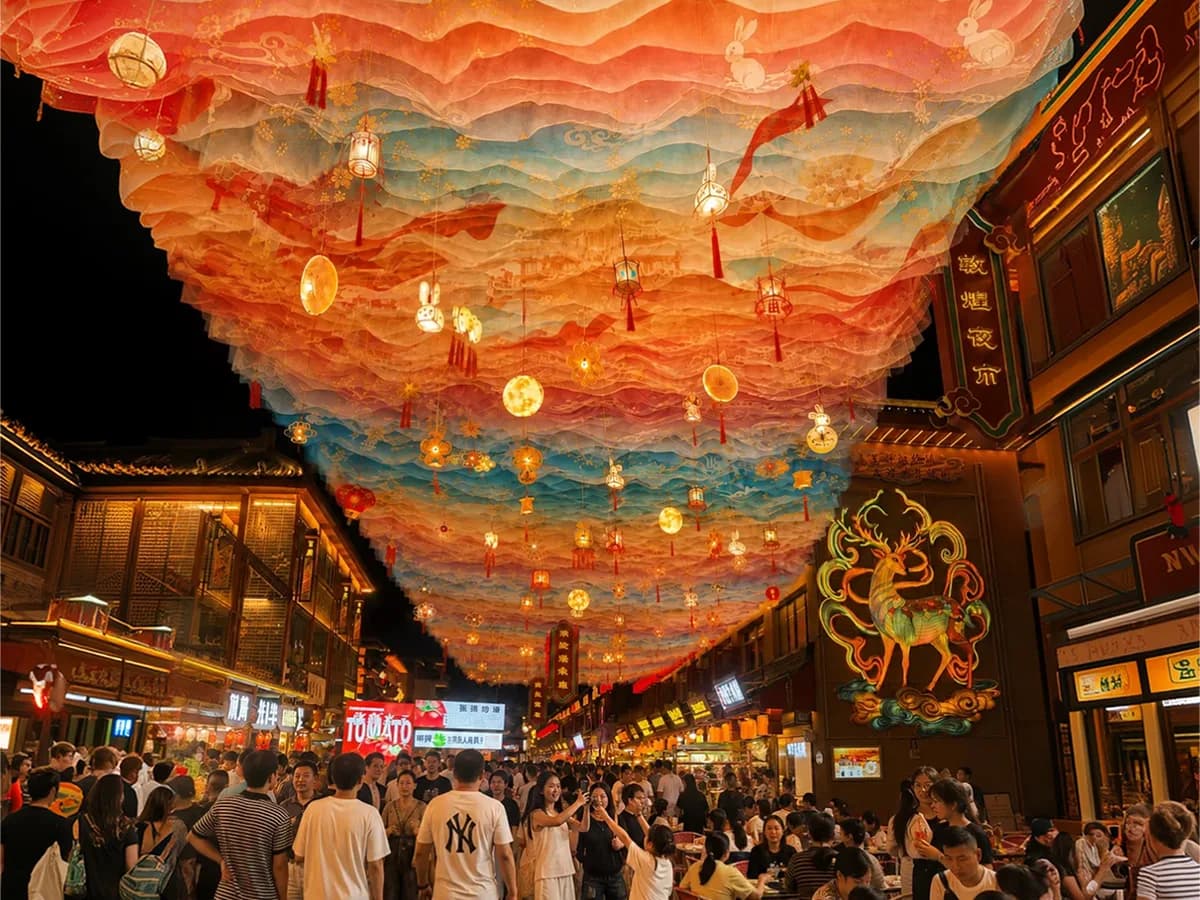
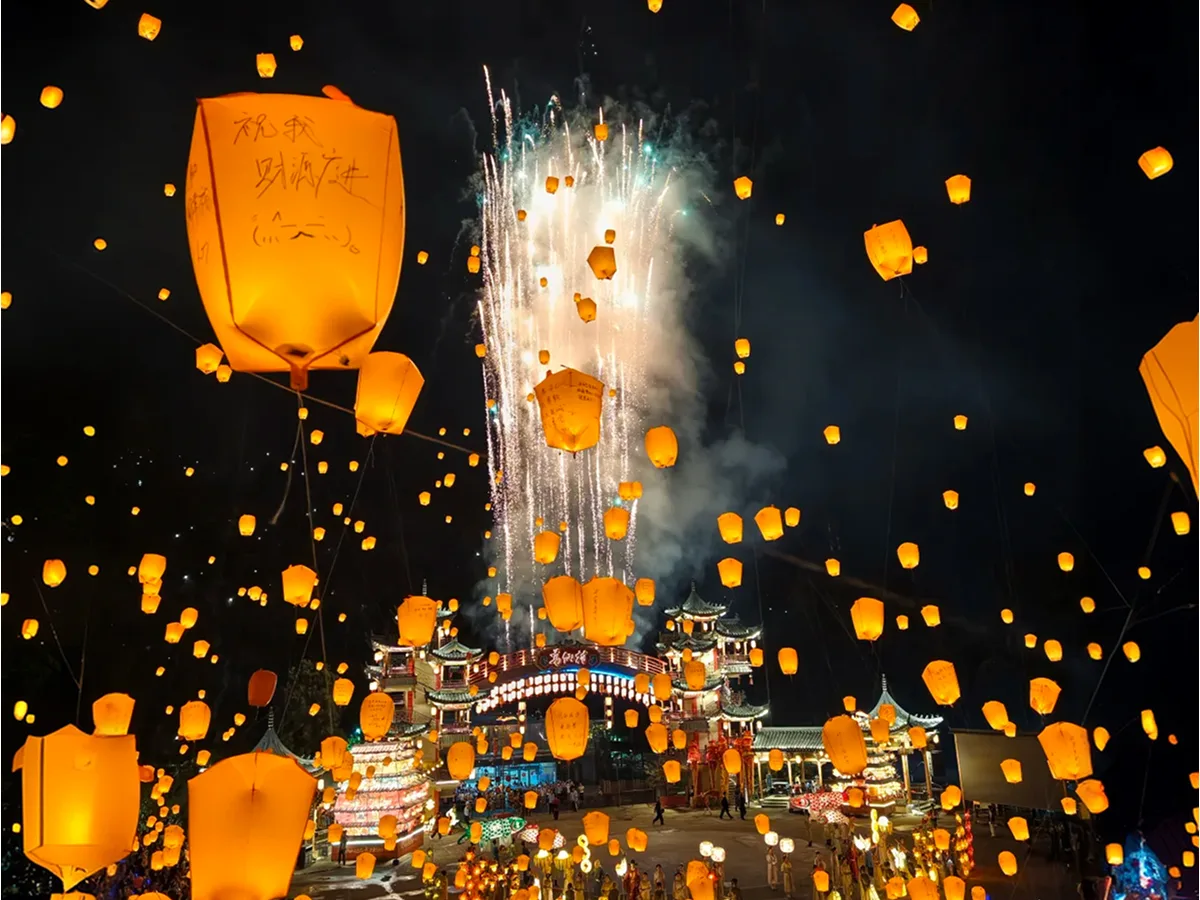
Mid-Autumn is not a lantern festival. The large lantern displays people associate with the holiday — gardens lit up at night, lantern tunnels, riverside light shows — are mostly Spring Lantern Festival installations that may extend into the autumn, or commercial photo-op displays at gardens and parks. The Lantern Festival itself sits on the fifteenth of the first lunar month, a separate day. If you see "Mid-Autumn lantern show" marketing, read the date carefully. Lantern Festival is its own piece.
What TravelToQin Can Help With
If your China trip window falls on Mid-Autumn or close to it, we slot the evening overlay into the Shanghai line or the Hangzhou day shape and leave the daytime plan alone. We do not run a Mid-Autumn special departure, and we do not promise a private dinner with a family. We book the moonlit view you can actually reach, on the night you can actually reach it.
The public holiday and any local crowd-control rules follow the State Council notice for the year and the local authority for each lakeside or waterfront venue. We do not promise a clear view, an empty crowd, or that any specific park will run a moonlit event. We do promise to tell you what is open on the night you arrive.
If Mid-Autumn falls inside your window, send the dates and the city you will be in; we will tell you what is realistic for the night.