Silk Museum: Is a Visit Worth Your Time in China?
A silk museum in China is a technical and trade-history institution, not a shopping stop. Many first-time visitors expect silk scarves and fabric bolts, then find glass cases of ancient textiles and explanations of sericulture. The decision to visit hinges on whether you want to understand silk as a technology and trade commodity rather than as a souvenir; if your interest is shopping, a museum will likely disappoint.
This guide covers the core question: is a silk museum worth your time? It assumes you are planning a private itinerary and need to decide whether to add this stop.
Silk Museum Worth It for History Lovers?
China's silk museums are technical and trade-history institutions, not shopping stops. A silk museum visit is worthwhile only if you want technical and trade history, not shopping. If you want to understand how silk moved along the Silk Road or how a drawloom works, the museum delivers. If you want to buy a scarf, you will leave frustrated.
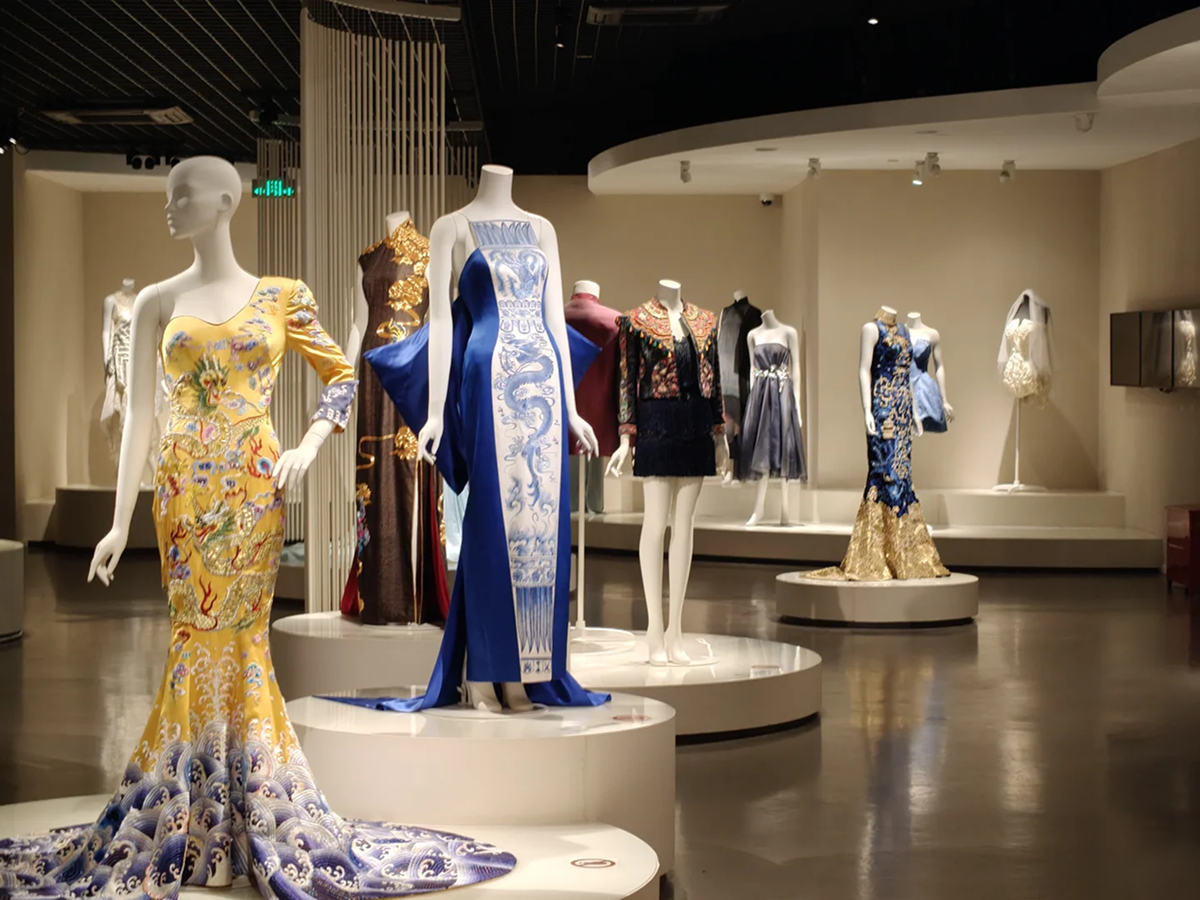
The exhibits focus on sericulture, weaving, and dyeing techniques. You will see ancient textiles, diagrams of looms, and maps of trade routes. This is context, not a tour script.
Two Hours Is the Minimum
A visit to a silk museum is best planned as a focused 2-hour stop centered on loom demonstrations and Silk Road exhibits. You need at least two hours to cover the core without rushing. Less than that, and you will skip either the live loom demonstration or the Silk Road gallery.
Half day: one museum at opening, then a slow walk to a nearby tea house. Full day: pair the museum with a textile market only if you want to compare history with modern craft.
- Loom demonstrations are the highlight for many visitors.
- Silk Road exhibits explain the trade routes and commodity exchange.
- Ancient textile displays show weaving and dyeing techniques.
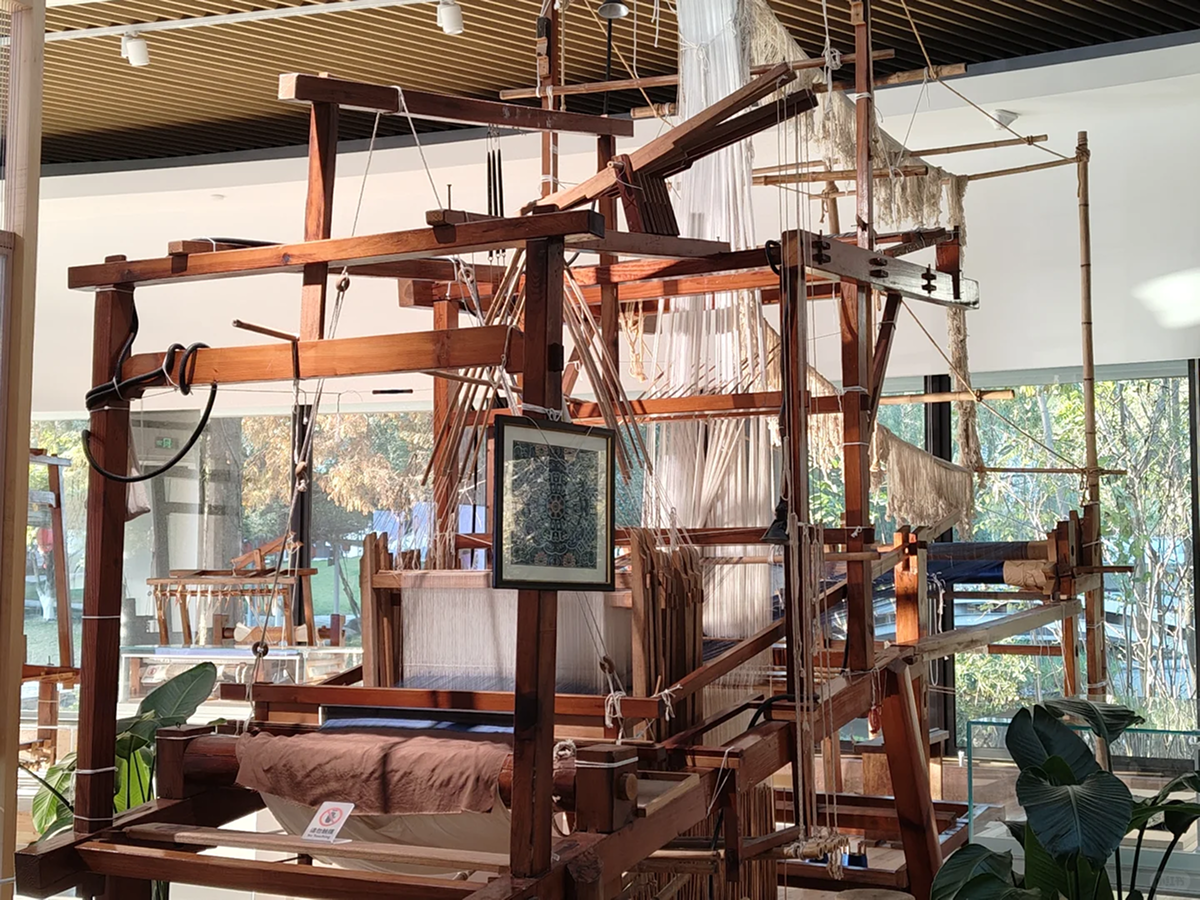
The museum is a focused stop, not a full-day attraction. Plan it as one block in a larger private itinerary.
City Center, but Traffic Is Real
Silk museums are usually located in city centers, but travel time should include a buffer for peak-hour traffic. In cities like Hangzhou or Suzhou, a central museum can be 20 minutes away by car at noon and 45 minutes away at 5:30 pm. Peak-hour traffic can add 30 minutes or more to your drive.

If you are moving between a museum and a train station, plan the drive outside rush hour. A private driver can adjust the route, but cannot remove traffic.
Check Official Hours Before You Go
Check the museum's official website for current opening hours, ticket requirements, and special exhibitions. Opening hours, ticket rules, and special exhibitions change; confirm on the museum's official website. Some museums close on Mondays, others require advance booking for foreign passports.
- Confirm the museum is open on your planned day.
- Check if foreign visitors need a separate booking channel.
- Look for temporary exhibitions that may close a gallery.
Do not rely on third-party travel sites for hours. The official website is the only source that matters.
Pair It with a Textile Market
Silk museums often display ancient textiles and explain sericulture, weaving, and dyeing techniques. Combine a silk museum with a reputable textile market only if you want to compare history with modern craft. The museum gives you the technical background; the market shows you what is being produced today.
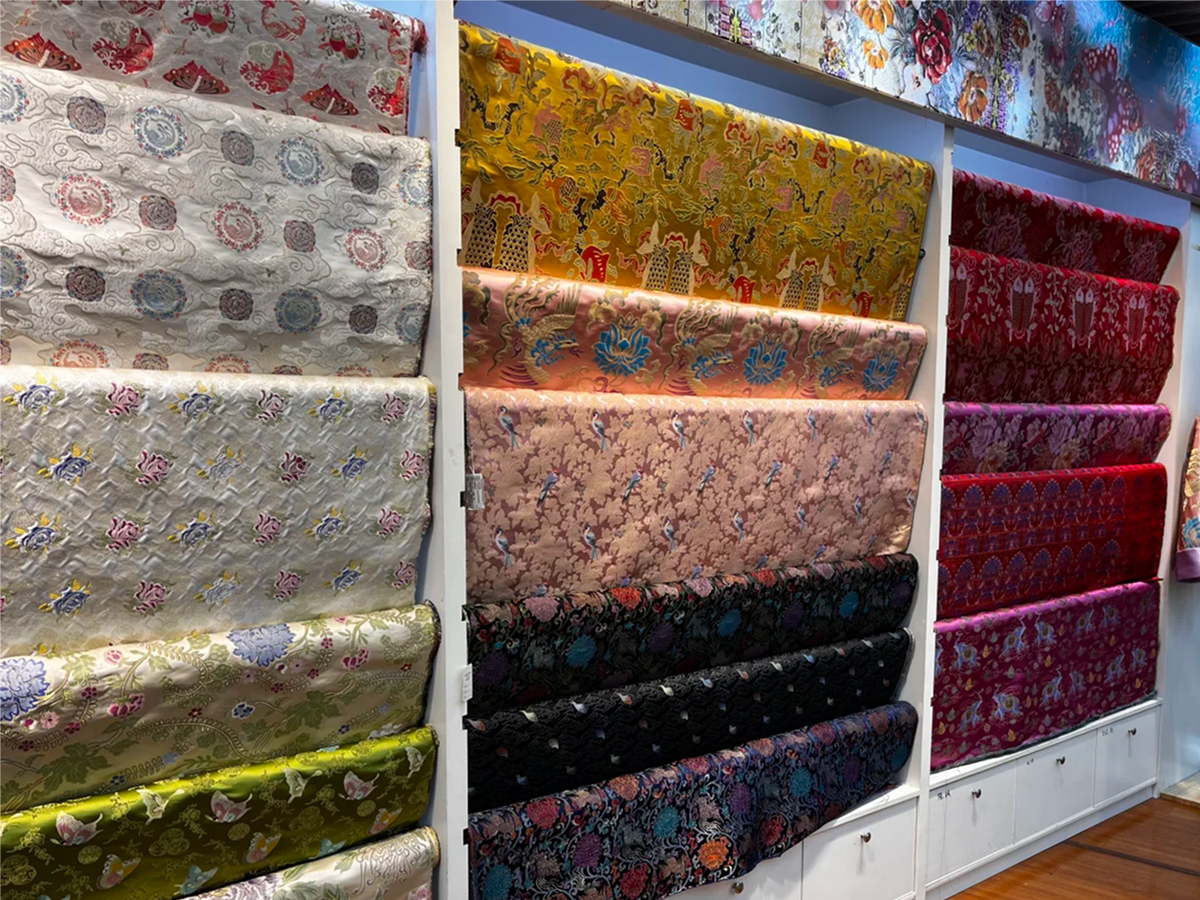
For a deeper read on fabric quality, see Chinese Silk Fabric: How to Read Quality, Craft, and Travel Context. If you are planning a longer Silk Road route, Silk Road Tours: How to Choose a Private Itinerary explains the logic of pacing and stops.
A silk museum is worth two hours only if you want to understand silk as technology and trade, not as a souvenir. TravelToQin can build a private itinerary that includes a silk museum as one focused stop, with a driver and guide who know the traffic patterns. We cannot create extra tickets or guarantee entry. Send your travel dates and walking limits through contact.