Silk Road Tours: How to Choose a Private Itinerary
Most travelers try to cover too much of the Silk Road in one trip, and they end up spending more time in a vehicle than at the sites. A private itinerary should cut stops, not add them. Silk road tours work best when you choose two or three cities that match your interests and stay multiple nights in each base.
This article explains how to structure a private Silk Road itinerary with realistic road buffers, flexible pacing, and deeper exploration in one province or corridor segment.
Cut Stops, Not Add Them
A private Silk Road tour works best when you focus on two or three cities that match your interests, not a long list of stops. The corridor is vast, and overland travel between cities eats up days. For example, the drive from Urumqi to Turpan takes roughly 3 hours without traffic, but with stops and road conditions it can stretch to 4 or 5.
Match cities to your interests
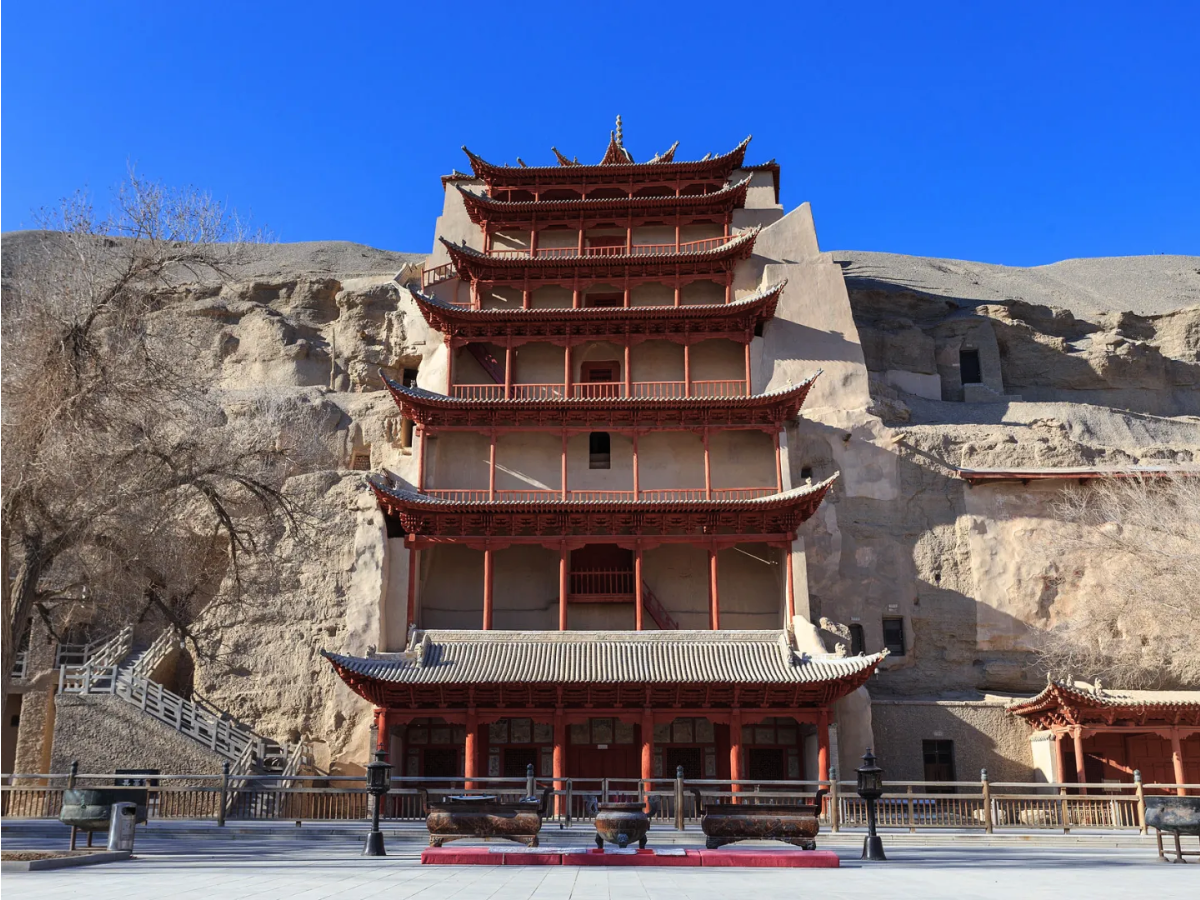
- History and caves: Dunhuang and the Mogao Caves, but you need advance reservations and cannot guarantee immediate entry.
- Markets and food: Kashgar's Sunday market and old town, but check current opening days and local regulations.
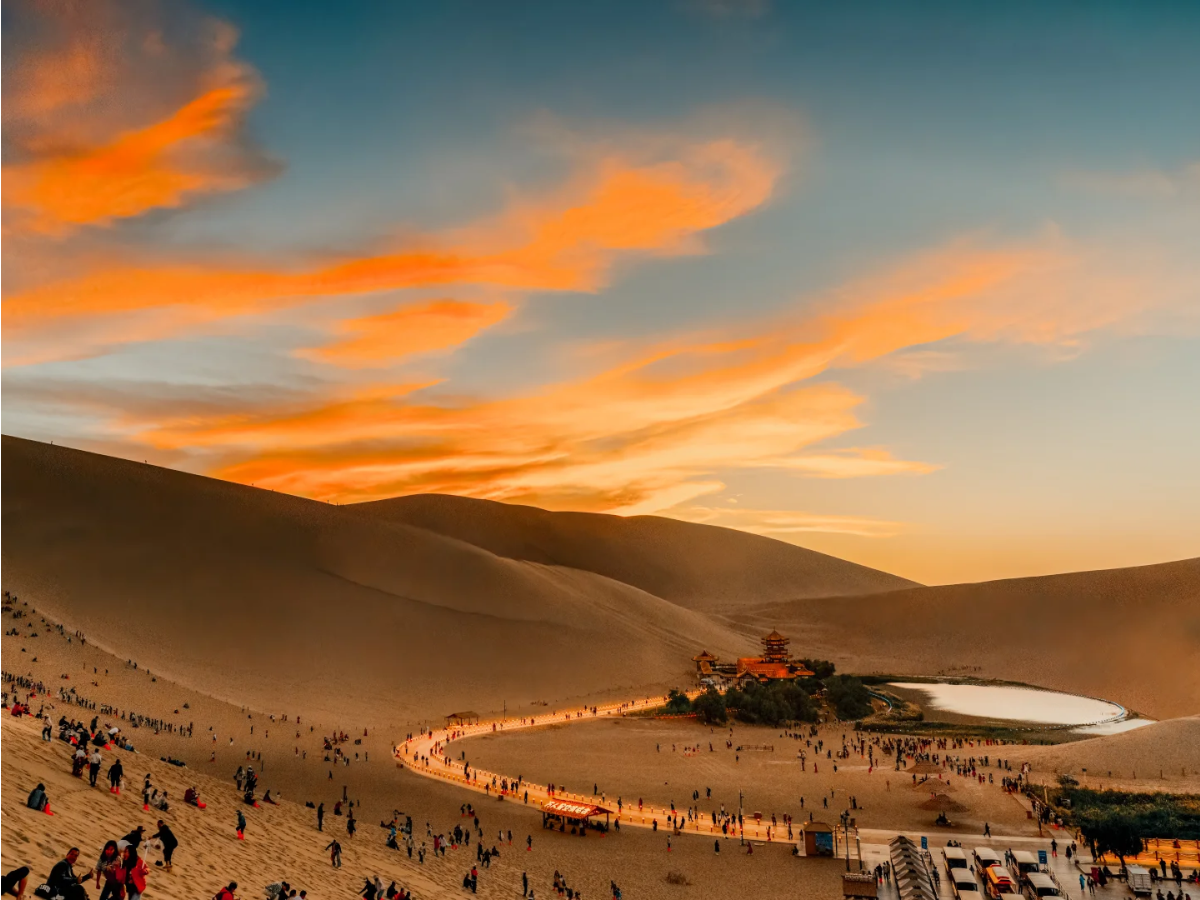
- Desert landscapes: The dunes near Dunhuang or the Flaming Mountains near Turpan, best visited early or late to avoid heat.
Pick one or two themes, not all of them. A private guide can adjust the pace, but they cannot shrink the distances.
Avoid the corridor rush
The classic Xi'an to Kashgar route sounds romantic, but it means many long transfer days. Instead, choose a short corridor segment, such as Dunhuang to Turpan, and spend two or three nights in each place. That gives you time to see sites without rushing.
Private Pace Beats Fixed Schedules
Private tours let you adjust daily plans and linger where you want, unlike fixed group departures with rigid timetables. If you want to spend an extra hour at the Mogao Caves or skip a market to rest, you can. That flexibility is the main reason to book a private Silk Road tour.
Set your own daily rhythm
Half day: Visit one major site at opening, then take a slow lunch and a short walk. Full day: Two sites with a long break in between, not three sites back-to-back. A private driver can wait, but you still need to manage your energy.
Change plans on the fly
Weather or fatigue can force changes. With a private tour, you can swap a desert outing for a museum visit without negotiating with a group. That is a real advantage, not a luxury.
Road Time Needs Real Buffers
Overland travel between Silk Road cities often takes longer than expected, so build in extra time for traffic and road conditions. Google Maps may say 3 hours, but roadworks, checkpoints, or slow trucks can add an hour or more. Always plan for the worst case, not the best.
Check typical drive times
- Urumqi to Turpan: about 3 hours without traffic, but allow 4 to 5 with stops.
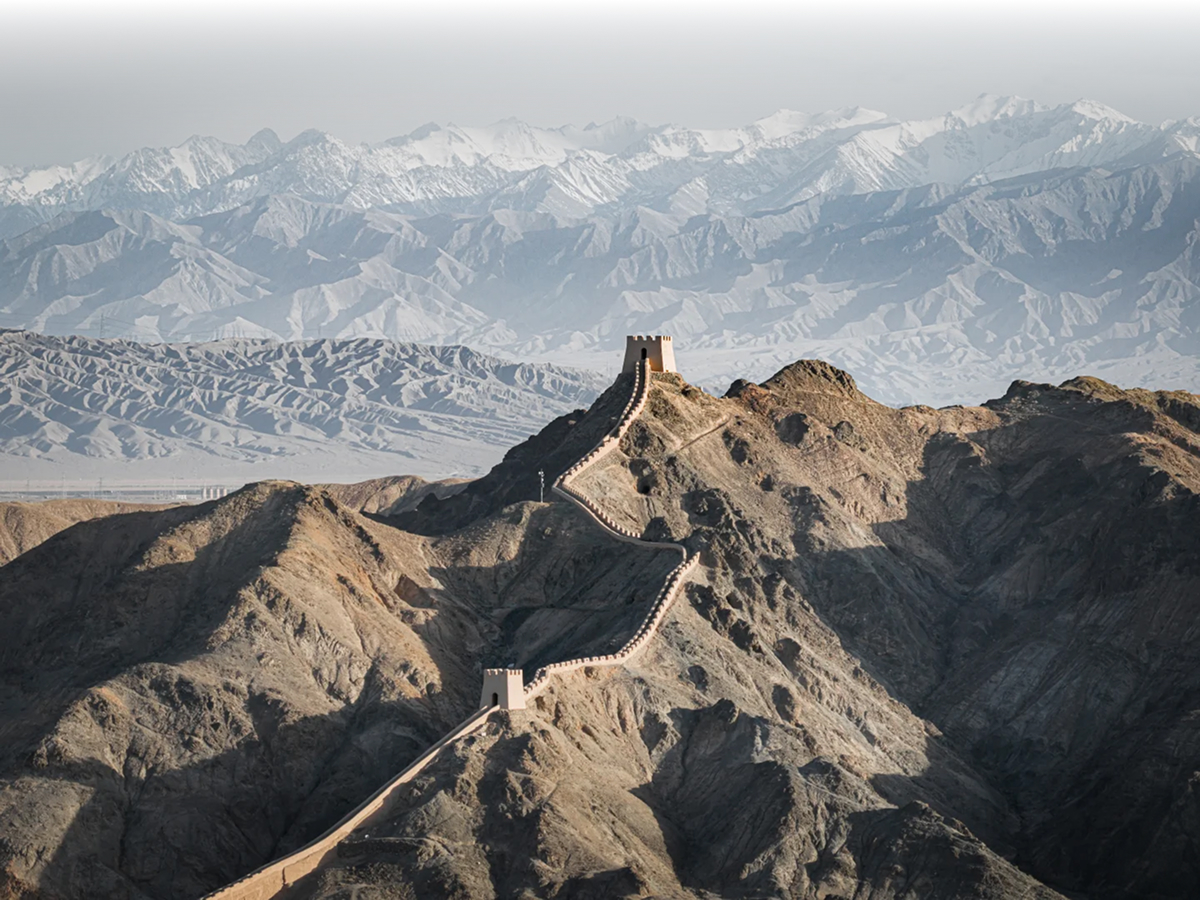
- Dunhuang to Jiayuguan: roughly 4 to 5 hours by road, longer if you stop at the Great Wall sections.
- Kashgar to Tashkurgan: about 6 to 7 hours on mountain roads, and you need a border permit.
These are rough estimates; always confirm current road conditions with your driver or local contacts before departure.
Avoid optimistic arrivals
Do not plan a site visit for late afternoon if you have a long drive that morning. Arrive a day early, or schedule the site for the next morning. A private tour can adjust, but you still need to be realistic.
One Province, Deeper Exploration
Instead of covering the entire Silk Road, choose a single province or short corridor segment and stay multiple nights in each base. This reduces daily driving time and allows for deeper exploration. For example, base yourself in Dunhuang for three nights and explore the Mogao Caves, the dunes, and the nearby Yadan landforms without changing hotels.
Reduce daily driving
Staying multiple nights means you can do day trips and return to the same bed. That is far less tiring than packing and moving every morning. It also gives you flexibility if weather or site closures force a change.
Explore beyond the highlights
With extra time, you can visit smaller sites that group tours skip, such as the Western Thousand Buddha Caves near Dunhuang or the Bezeklik Caves near Turpan. These are often less crowded and give a different perspective on Silk Road history.
Before You Book: Verify Logistics
Confirm current road conditions, site reservation rules, and seasonal weather with official sources before finalizing your itinerary. The Silk Road spans deserts and mountains, so conditions change quickly. Do not rely on outdated blog posts or generic travel advice.
Check official travel advisories
- Some border areas require special permits, such as Tashkurgan near the Pakistan border.
- Desert roads can close due to sandstorms or snow, especially in winter.
- Summer temperatures in Turpan can exceed 40°C, so plan outdoor visits early or late.
Your private guide should know the current situation, but you are responsible for your own safety and documents.
Review site booking policies
Popular sites like the Mogao Caves require advance reservations, and entry is timed. You cannot guarantee immediate entry, even with a private tour. Book as early as possible and be prepared to adjust your schedule if slots are full.
How TravelToQin Can Help
TravelToQin can arrange a private driver and guide for your Silk Road route, help you choose a realistic base, and handle the daily logistics. We cannot create extra tickets or guarantee access to restricted sites, but we can build an itinerary that respects your pace and the actual road conditions.
Send your preferred cities, travel dates, and walking limits through contact. We will tell you what is feasible and what is not.