Chinese Silk Fabric: How to Read Quality, Craft, and Travel Context
Chinese silk fabric is easy to admire and hard to judge. A shop may show shine, embroidery, brocade, scarves, qipao fabric, or bedding, but travelers often leave unsure whether they bought craft, souvenir, or sales theater.
Why Silk Matters in China
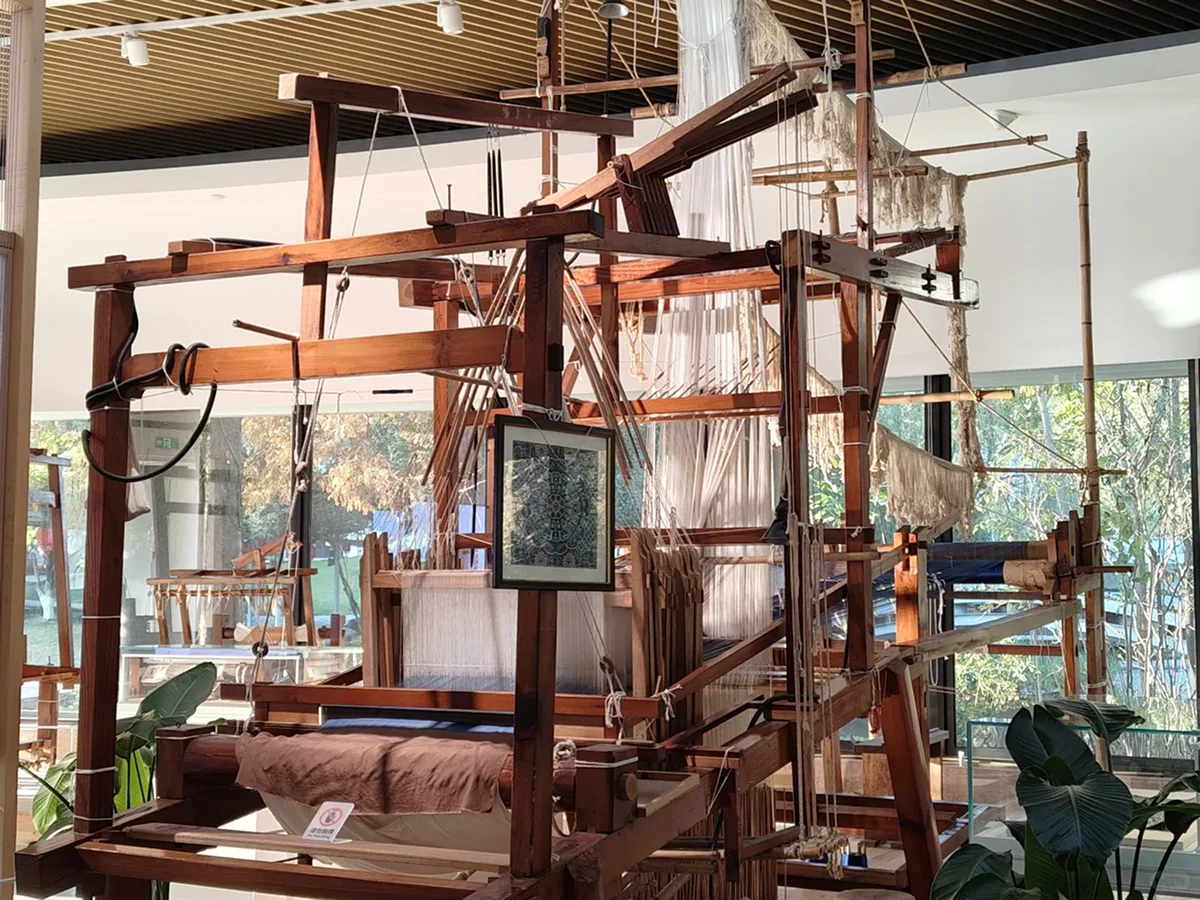
Silk is not only a luxury material. It links agriculture, trade, court clothing, embroidery, dyeing, weaving, and the old Silk Road imagination. In travel terms, it can connect Suzhou gardens, Hangzhou tea and silk history, Xi'an Silk Road context, and museum collections across China.
If your trip includes culture and craft, silk is a useful thread. If your trip is only shopping, it is easy to get lost in price talk.
Main Types Travelers Encounter
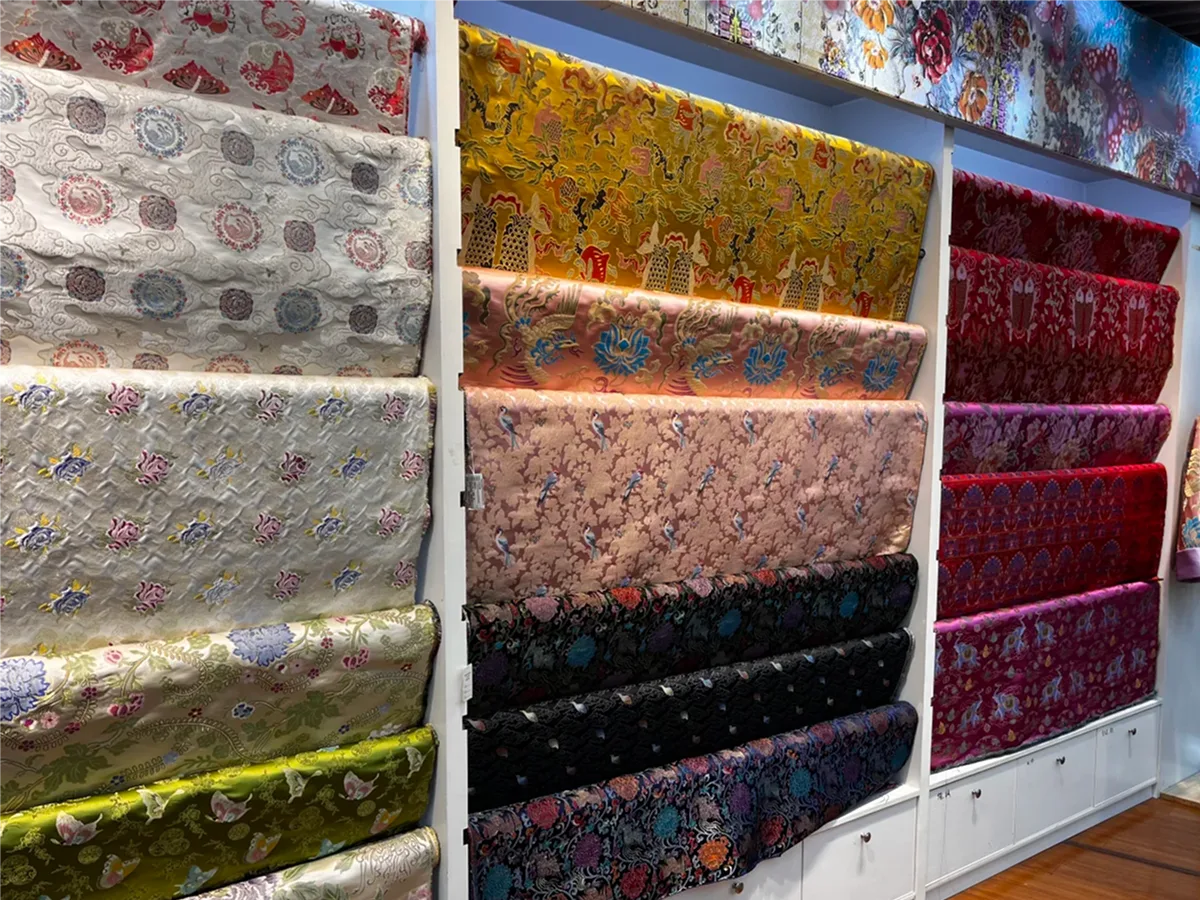
- Plain silk: smooth fabric used for scarves, garments, linings, and bedding.
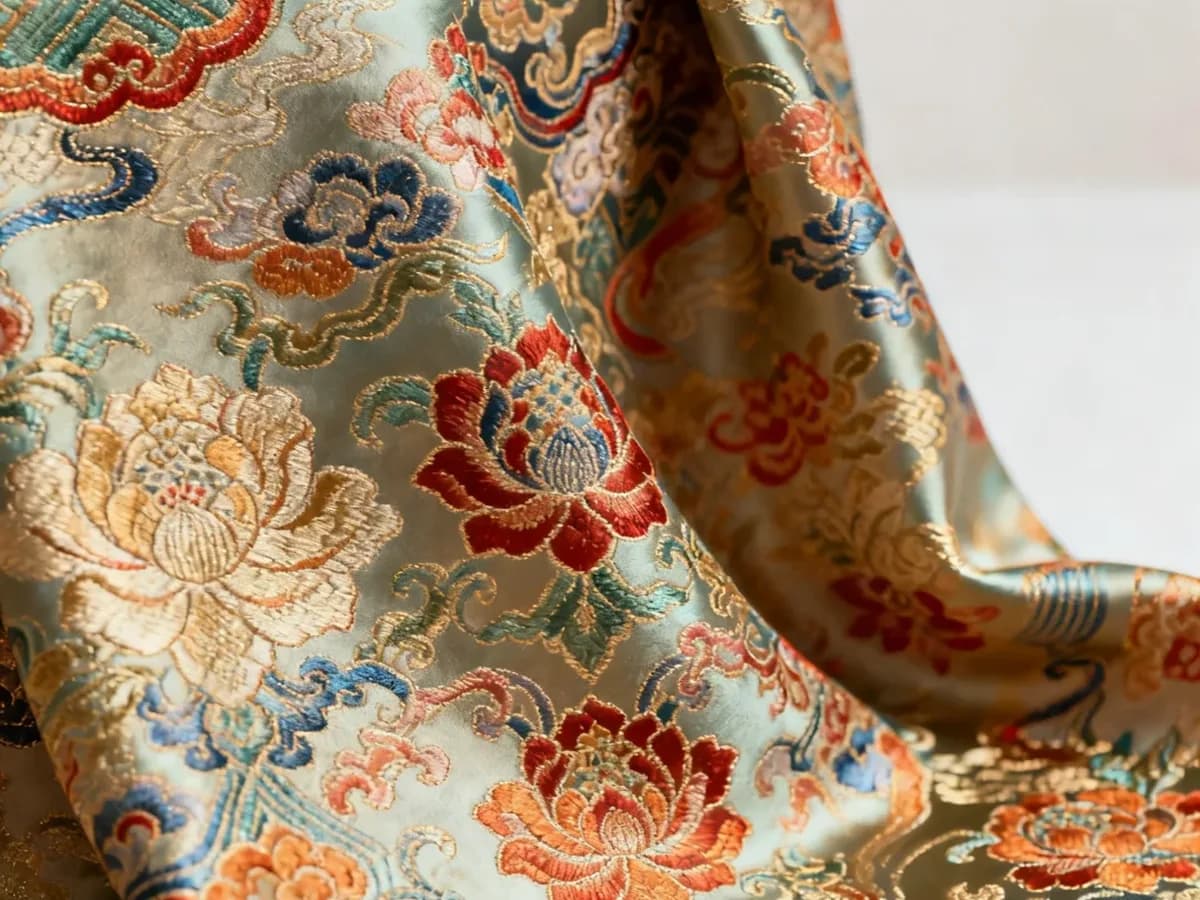
- Brocade: patterned woven fabric with texture and color depth.
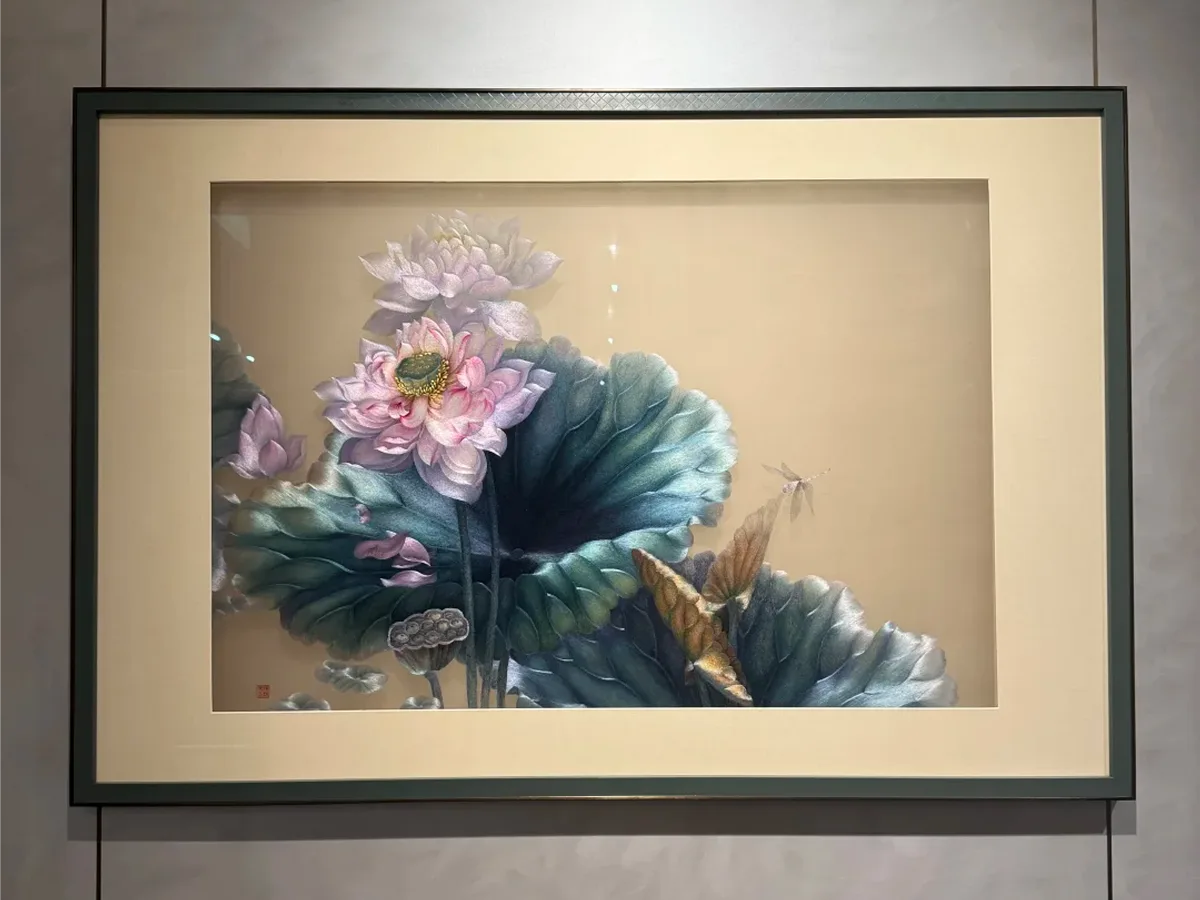
- Embroidery: silk thread used to create images or decorative panels.
- Silk blends: common in retail; not automatically bad, but should be labeled honestly.
- Tourist souvenirs: may prioritize look and price over material purity or craft.
How to Read Quality Without Pretending to Be an Expert
Start with touch, weave, label, and use. Good silk often feels smooth but not plasticky. Brocade should have structure, not just printed shine. Embroidery should show control in thread direction and density. A reputable seller should be able to explain material, process, and care without pushing you to buy immediately.
Do not rely on shine alone. Polyester can shine. A high price also does not prove quality unless the piece, material, and workmanship support it.
Where Silk Fits in a China Trip
- Suzhou: strong for embroidery, gardens, and Jiangnan craft context.
- Hangzhou: strong for silk history, tea, and softer cultural pacing.
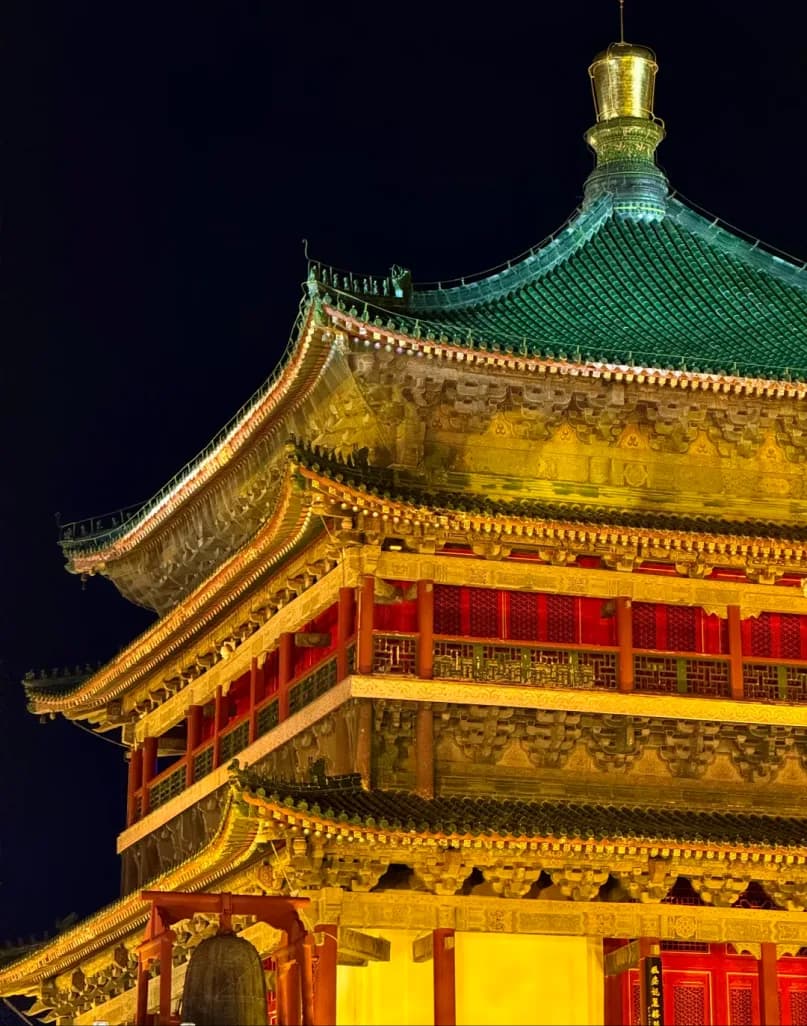
- Xi'an: useful for Silk Road context rather than retail alone.
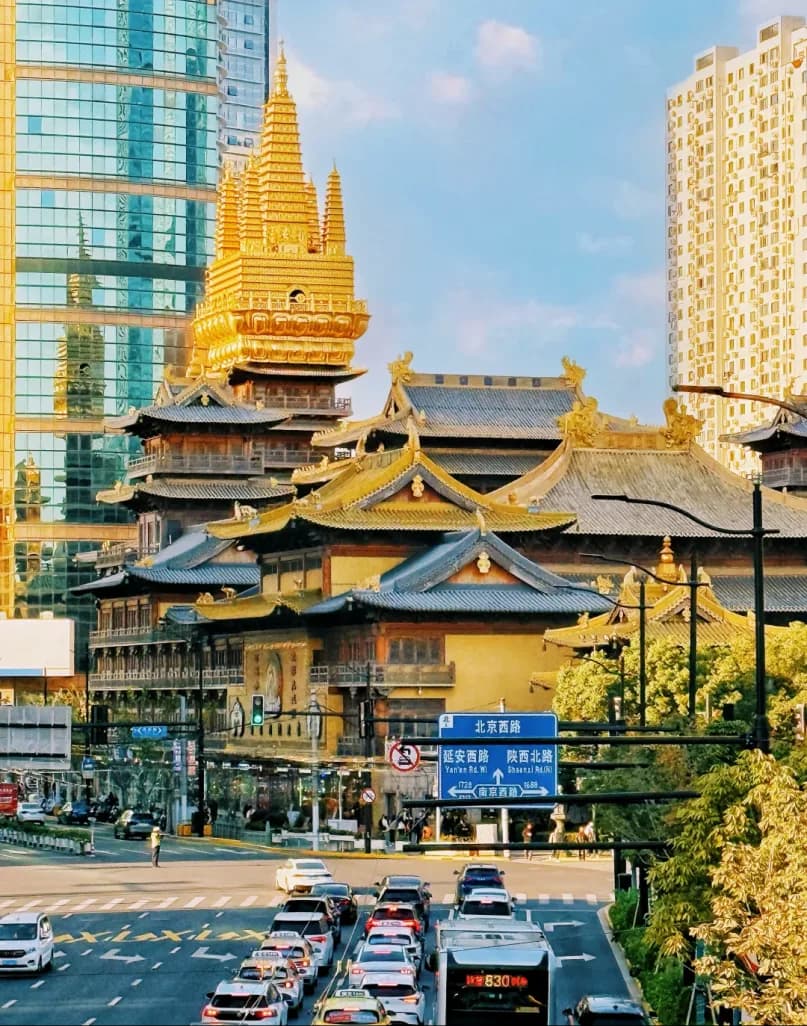
- Shanghai: good for design-led shopping if you already know what you want.
For route planning, silk works best as a short craft or museum block, not as a full-day shopping stop unless textiles are a major interest.
What to Ask Before Buying
- Is this pure silk or a blend?
- Is the pattern woven, embroidered, or printed?
- Where was it made?
- What care does it require?
- Can the seller explain the difference between similar pieces?
- Is the price based on material, handwork, brand, or souvenir value?
What to Avoid
Avoid pressure-selling, vague labels, impossible discounts, and claims that every piece is rare or museum-level. Also avoid buying large bedding or garments without understanding size, care, customs rules, and shipping practicality.
TravelToQin can help place silk-related stops into a private cultural route, but we do not authenticate every retail item or guarantee investment value. For serious collecting, use specialist appraisal channels.
Silk as a Cultural Experience
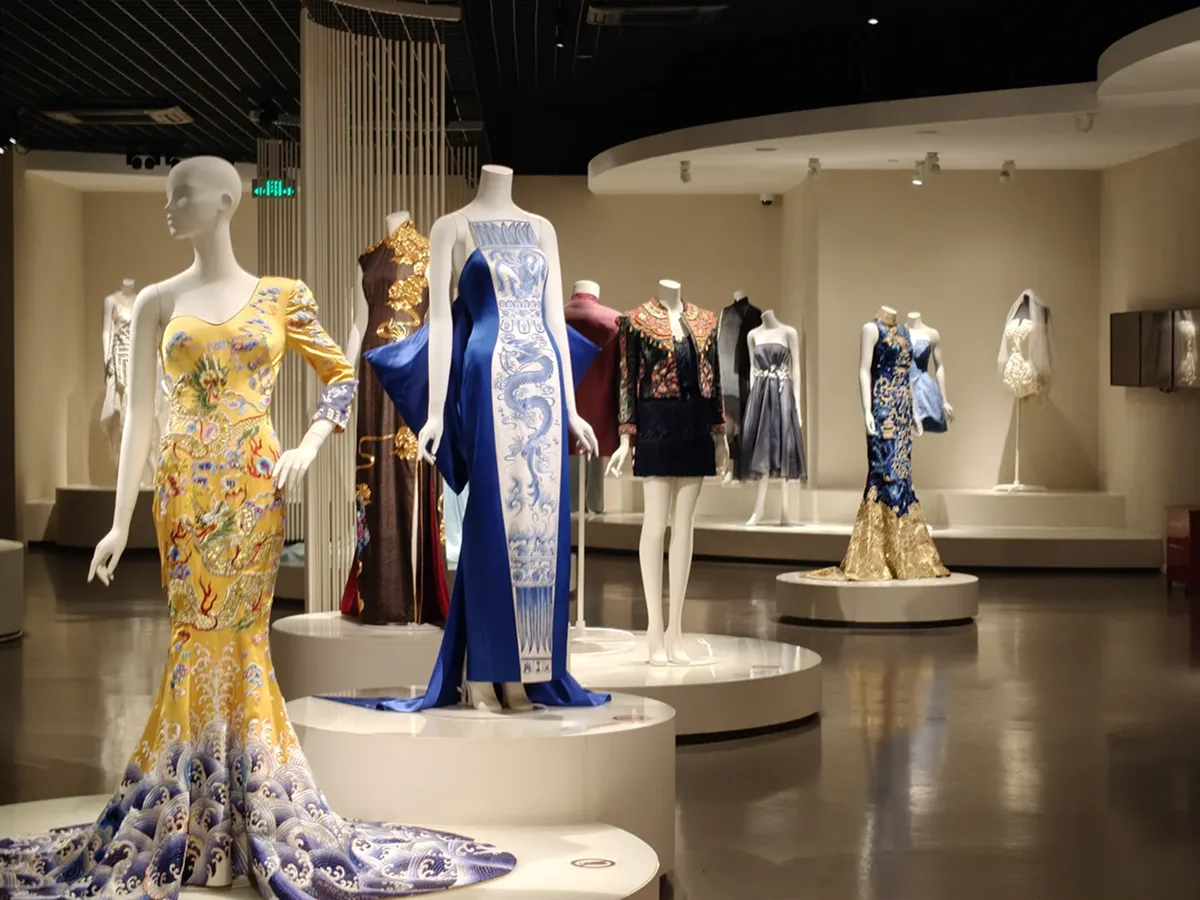
The best silk experience for many travelers is not buying the most expensive scarf. It is seeing how thread, loom, dye, pattern, and region connect. A museum visit, embroidery studio, or carefully chosen shop can make the material legible before you buy.
Pair silk with traditional Chinese crafts, classical Chinese gardens, or a Suzhou/Hangzhou route inside Shanghai itinerary.
When to Ask a Travel Planner
Ask for help when you want a craft-led day, need translation around material and process, or want to avoid turning culture time into a shopping stop. A private guide can help interpret context, but purchasing decisions remain yours.
Send your city list and whether silk is a casual interest or a serious textile focus through contact. The right answer may be a museum, a studio, a shop, or no shopping at all.