Huaqing Palace: Visit Order Decides If It Feels Like History or a Park
Most visitors treat huaqing palace as a quick photo stop between Xi'an and the Terracotta Army. That is the fastest way to leave underwhelmed. The site rewards a specific visit order: Tang dynasty bath ruins first, then the uphill walk to the Xi'an Incident site. Without that sequence, it feels like a disjointed park, not a layered historical site.
This guide covers the route logic, the dual history, and how to pair it with the Terracotta Army without rushing. We do not sell a fixed Huaqing Palace product, but the planning rules below come from private guiding experience.
Start With the Baths, Then Climb
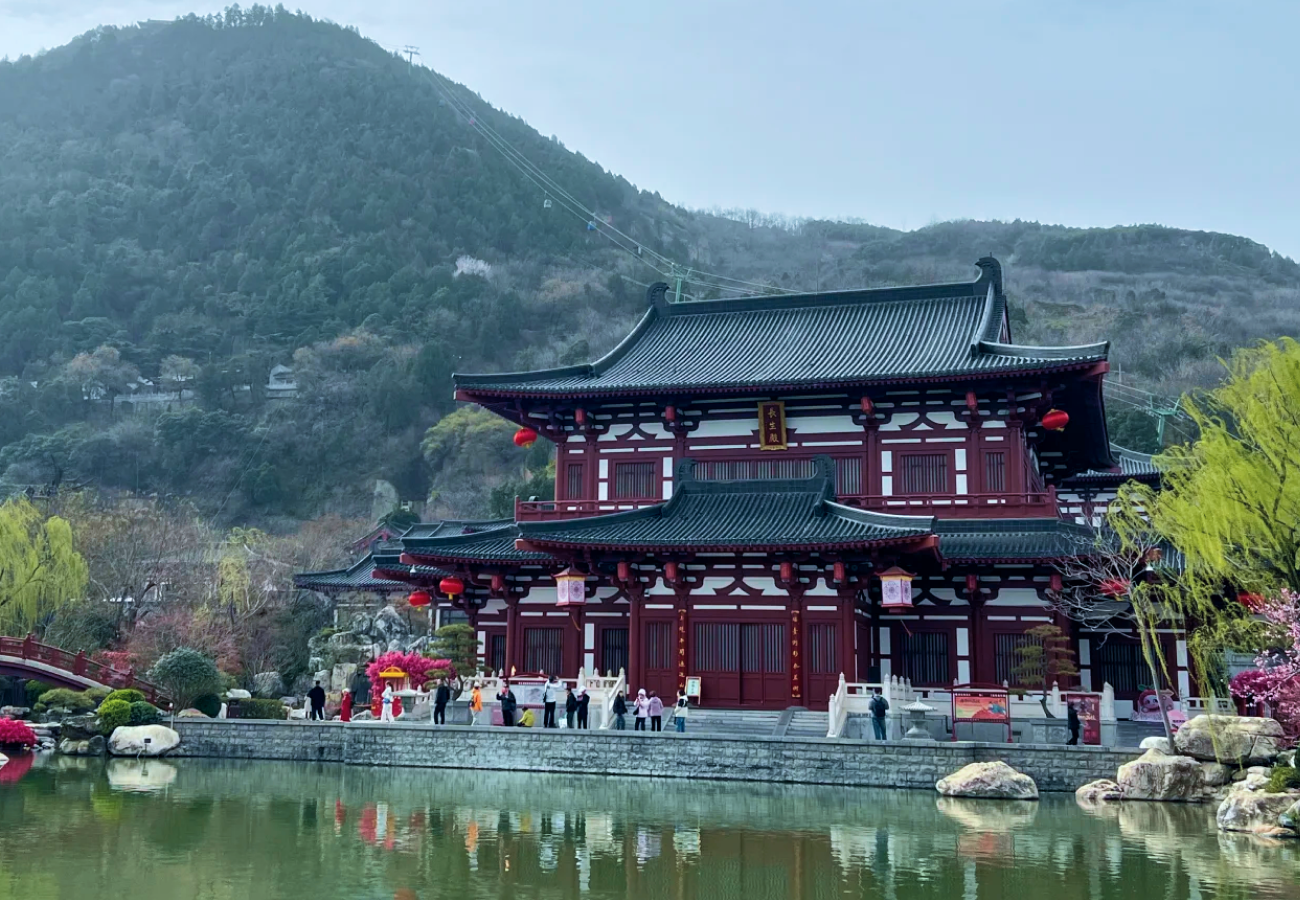
The most efficient route starts with the Tang dynasty bath ruins, then moves up the hill to the Xi'an Incident site, avoiding backtracking. This order follows the chronology: imperial leisure first, then the 1936 political crisis. If you reverse it, you end up walking downhill through the same area twice and losing the narrative thread.
Half day: enter at opening, spend about an hour at the bath ruins, then climb to the Xi'an Incident site. The uphill section takes roughly 20 to 30 minutes on foot, depending on pace and crowds. That is a walk, not a heritage site—the value is in the sequence, not the distance.
- Bath ruins: Tang dynasty pools and water channels; read the signage or use a guide to understand their function.
- Xi'an Incident site: the bullet marks and the small building where Chiang Kai-shek was held; context matters more than the structure.
- Viewpoint: the hill offers a view over the palace complex, useful for orienting yourself before descending.
A guide or audio guide helps here, but even a short pre-read on the 1936 Xi'an Incident will make the uphill section meaningful. Without that, the site can feel like a generic park with old stones.
Two Histories, One Route
Huaqing Palace has two distinct identities: a Tang royal bathing complex and a modern political flashpoint. The visit order determines whether it feels like a coherent story or a disjointed park. Start with the baths to establish the Tang context, then climb to the Xi'an Incident site to see how the same location became a stage for 20th-century history.
Visitors unfamiliar with the historical background may find the site underwhelming without a guide or prior reading. The Tang pools are mostly empty stone basins; their significance is not visually obvious. The Xi'an Incident site is a small building with bullet holes—powerful if you know the story, forgettable if you don't.
- Tang history: Emperor Xuanzong and Yang Guifei; the baths were part of a larger palace complex.
- 1936 history: Chiang Kai-shek was detained here during the Xi'an Incident, a turning point in modern Chinese history.
- Physical evidence: the bath ruins and the bullet marks are the only tangible links; everything else is interpretation.
If you have limited time, prioritize the bath ruins and the Xi'an Incident site. The rest of the palace grounds are pleasant but not essential for understanding the site's significance.
Pair With Terracotta Army Realistically
Pairing Huaqing Palace with the Terracotta Army on the same day is practical, but requires realistic time allocation to avoid rushing. The two sites are about 40 to 60 minutes apart by car, depending on traffic. Xi'an traffic can be heavy, especially on weekends and holidays, so add buffer time.
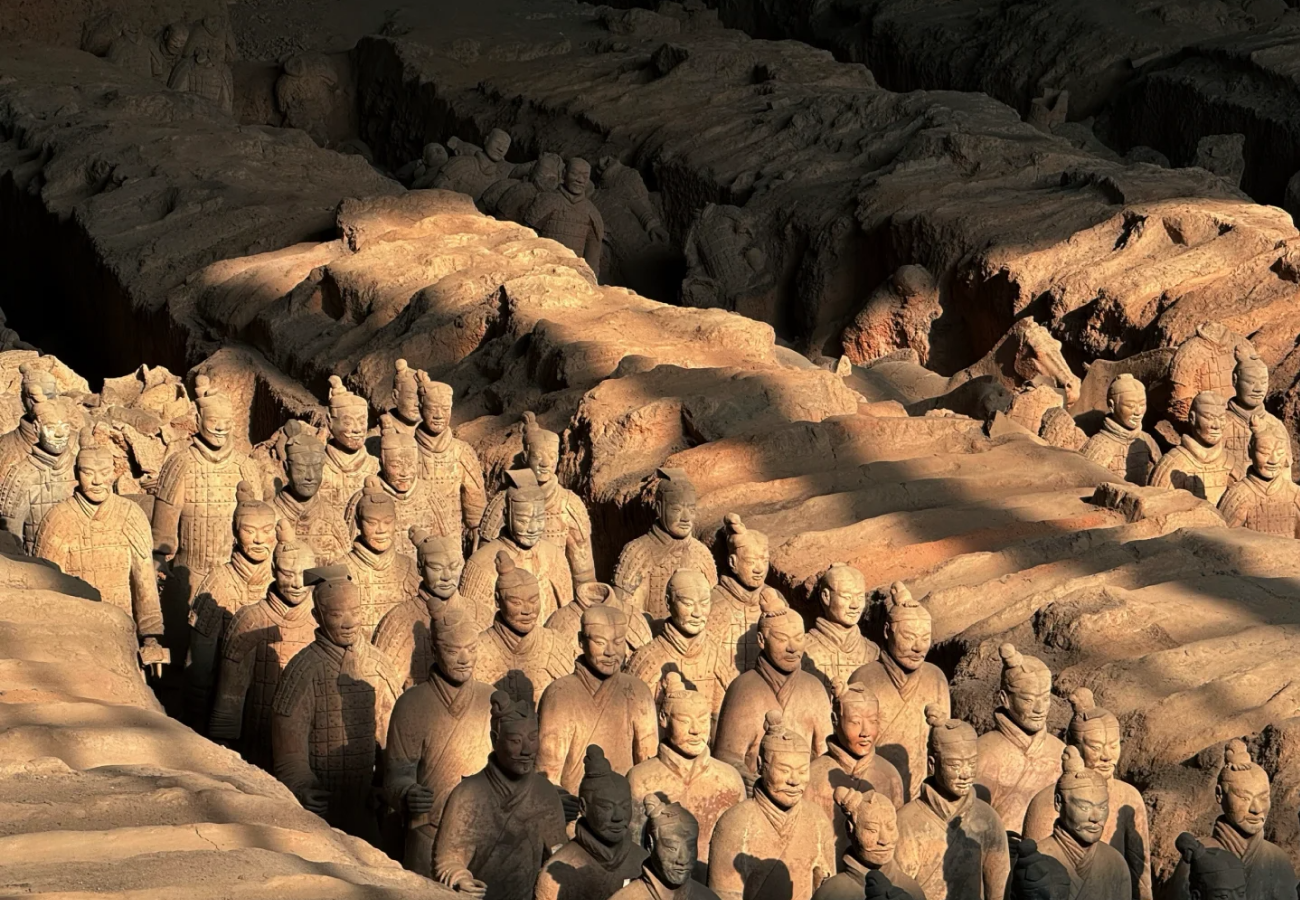
Full day: start at Huaqing Palace at opening, spend about two hours there, then drive to the Terracotta Army. That leaves roughly three hours at the Terracotta Army before closing, which is enough for the main pits but not for a leisurely visit. If you want more time at either site, split them across two days.
- History-focused traveler: spend more time at Huaqing Palace, especially if you have a guide; the Terracotta Army can be done in two hours.
- First-time visitor: prioritize the Terracotta Army and treat Huaqing Palace as a secondary stop; the army is more visually impressive.
- Slow traveler: do them on separate days to avoid rushing; both sites deserve unhurried attention.
The evening performance at Huaqing Palace, if running, is a separate consideration from the daytime historical visit. It requires a separate ticket and a different time commitment. Do not assume it is included or that it runs daily.
Check Official Access Before You Go
Huaqing Palace's open areas, walking distances, and guide services can change. Confirm current details from official sources before planning your visit. Do not rely on outdated travel guides or third-party websites.
- Check which sections are open; some areas may be closed for renovation.
- Confirm if audio guides or official guides are available and in which languages.
- Verify the walking distance and time from the bath ruins to the Xi'an Incident site; it can vary with route closures.
- If you plan to attend the evening performance, check the schedule and ticket availability separately.
We cannot create extra tickets or guarantee access. What we can do is help you sequence the visit and arrange private transport so you don't waste time on logistics. For a custom Xi'an day that includes Huaqing Palace and the Terracotta Army, send your walking limits and time preferences through contact.