Jiayuguan Fort: Visit Order Changes What You Learn
Most visitors to jiayuguan fort start at the main gate and work inward, then leave. That order hides the reason the fort exists. Jiayuguan is a defensive system, not a single wall; the order you visit its parts changes what you learn.
This article explains a reverse sequence that reveals the fort's defensive logic. It covers the three key sites and why private transport with buffer time matters.
First Beacon Explains the Fort
Start at First Beacon Tower, not the fort. The tower stands on a cliff above the Taolai River, and from there you see why the fort was built at this exact location. The river gorge forms a natural boundary, and the beacon controlled the crossing point. That is context, not a tour script.
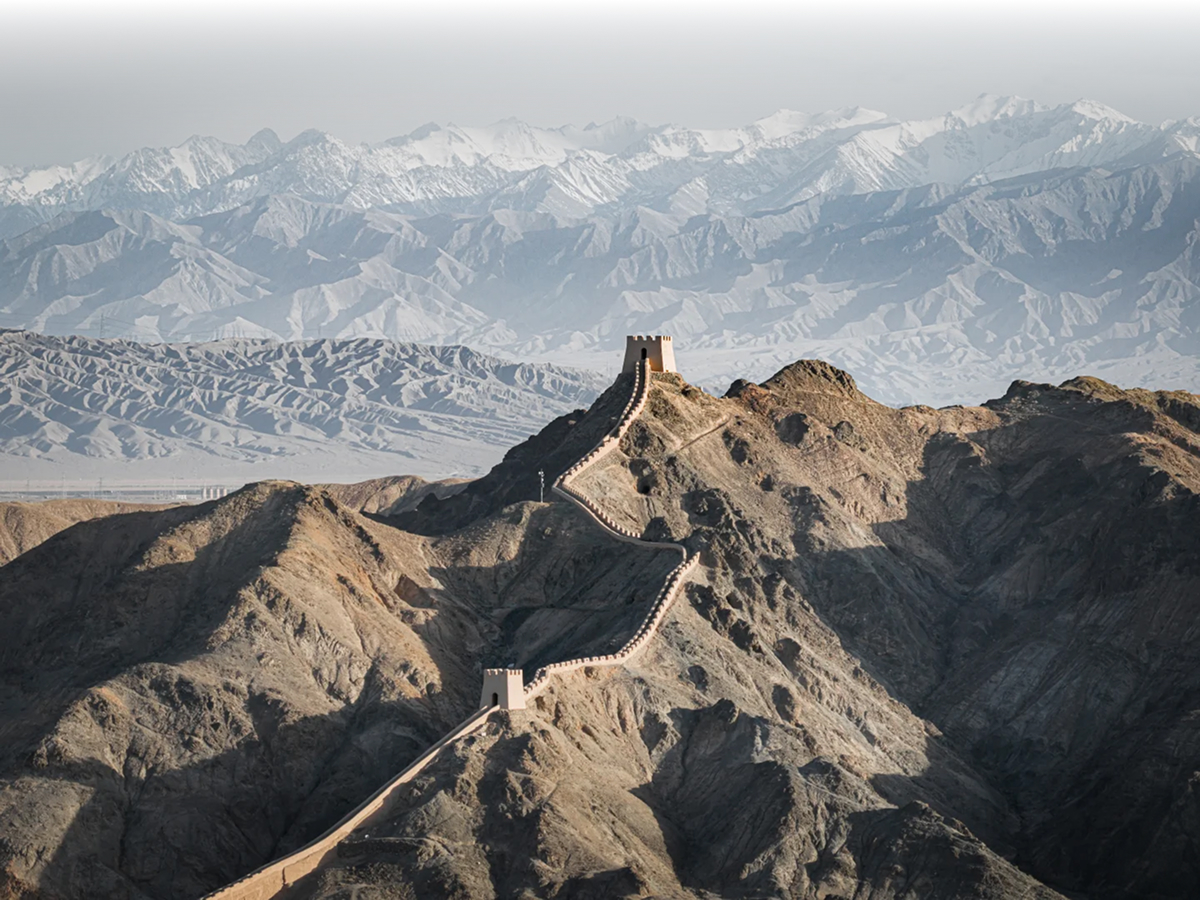
Visiting First Beacon Tower before the fort clarifies why the fort was built where it stands. You see the terrain that the Ming commanders had to control. Without this view, the fort looks like an isolated monument; with it, the fort becomes the center of a defensive network.
- First Beacon Tower: a cliff-top signal station marking the western end of the Ming Great Wall.
- Taolai River gorge: a natural moat that made this crossing point strategically vital.
- Viewing order: arrive early, before the fort, to absorb the landscape.
Overhanging Wall Adds Depth
The Overhanging Great Wall is not a separate attraction; it is a functional extension of the fort's defense. Built on a steep ridge, it shows how terrain was used as a natural barrier. The wall climbs at an angle that would exhaust any attacker, and it extends the fort's reach beyond its immediate walls.
Walk a short section to feel the gradient. The climb is steep but short, and the view back toward the fort shows how the wall connected the fort to the mountains. That connection is the point, not the wall itself.
- Terrain as defense: the ridge is steeper than any man-made wall could be.
- Functional link: the wall joins the fort to the natural barrier of the Heishan mountains.
- Visitor fit: comfortable for anyone who can handle a 20-minute uphill walk.
Fort Core Reveals the Layers
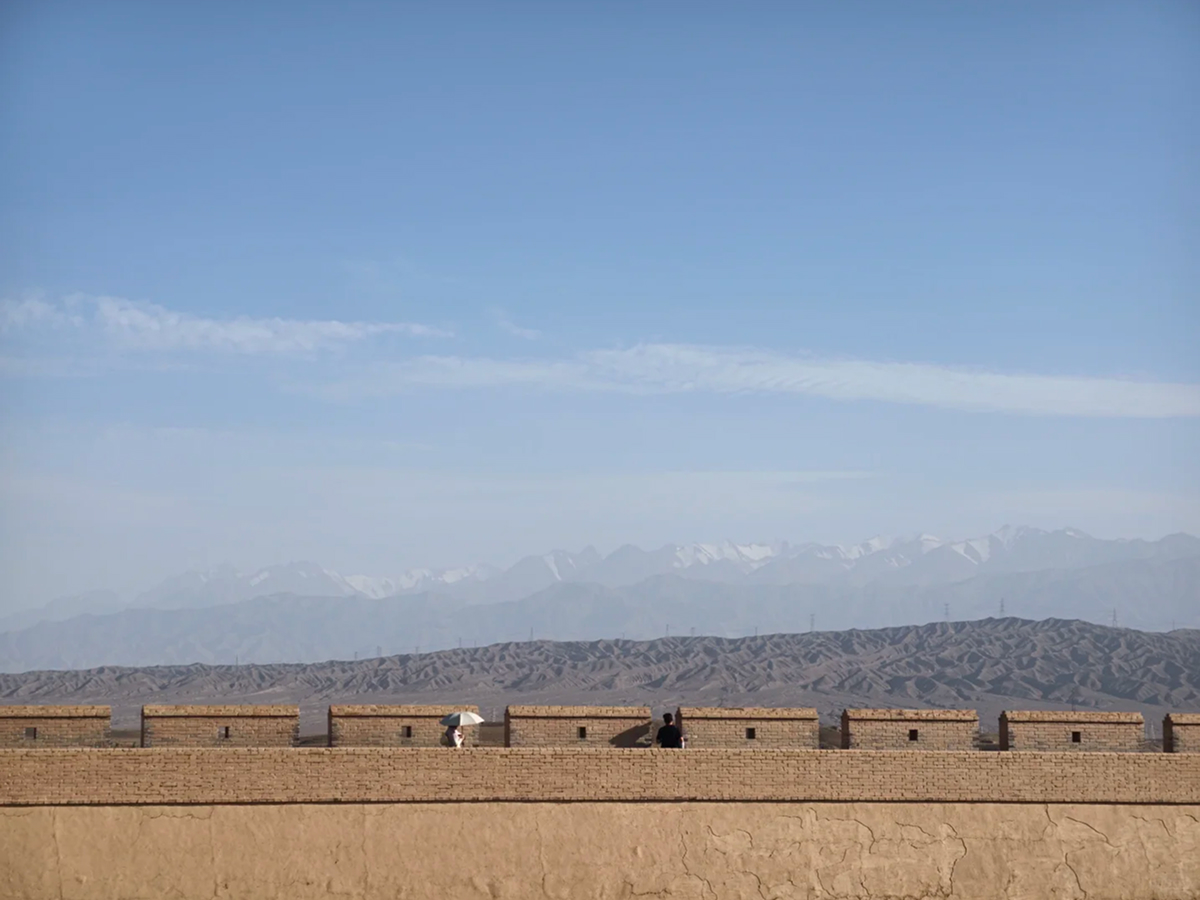
End at the fort itself, after you have seen the outer defenses. The fort's core consists of inner city, barbican, outer city, and the connecting walls; understanding their roles requires seeing them in sequence. By the time you enter the main gate, you know what each layer was for.
The inner city was the command center, the barbican trapped attackers between gates, and the outer city housed troops and supplies. Walk from the outer gate inward, and you will recognize the logic: each layer buys time and bleeds an assault.
- Outer city: first line of defense, with stables and storehouses.
- Barbican: a killing zone between two gates, designed to trap intruders.
- Inner city: the administrative and military core, with the command tower.
Plan Private Transport with Buffer
The three sites are spread out, and public transport does not connect them efficiently. Private transport is necessary to cover the three sites; allow buffer time for road conditions. The drive between First Beacon Tower and the fort takes about 30 minutes without traffic, but roadworks or weather can double that.
Do not schedule a tight train connection after your visit. Jiayuguan is a small city, but the sites are outside the urban core, and the roads are shared with trucks. A private driver with local knowledge can adjust the order if one site is crowded.
- Allow at least 4 hours for the three sites, excluding lunch.
- Start at First Beacon Tower, then Overhanging Great Wall, then the fort.
- Confirm your driver knows the reverse order; most tours do fort first.
- Avoid late afternoon departures if you have a train the same day.
Check Official Access Before You Go
Opening hours, ticket requirements, and reservation policies change without notice. Verify current opening hours, ticket requirements, and any reservation policies directly with official sources before setting your itinerary. Do not rely on third-party blogs or old guidebooks.
TravelToQin can arrange private transport and a guide who understands the defensive sequence, but we cannot guarantee priority entry or private access. We cannot create extra tickets or extend opening hours. What we can do is build a realistic schedule that respects the site's logic and your pace.
Send your travel dates and walking limits through contact. We will plan the reverse order and the buffer time, and we will tell you what to verify before you go.