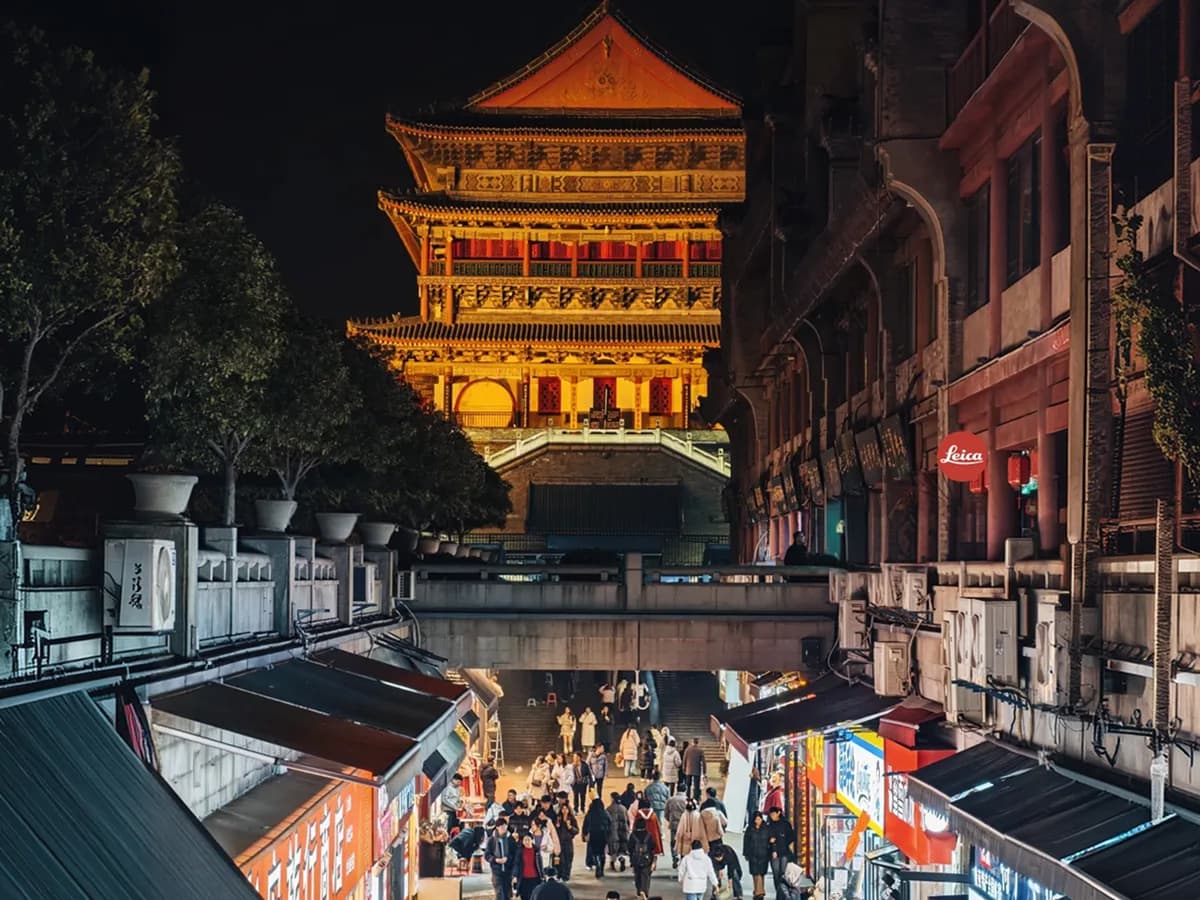
Halal Chinese Food: Choose the City Before the Sign
Halal food in China is a city decision before it is a sign on a door. Xi'an and the northwest cook this daily. Guangzhou and Chengdu require a more specific search.
The Northwest Has This Built In
Xi'an, Lanzhou, and the Silk Road corridor have substantial Muslim communities and food traditions that are openly halal. The halal sign — Qingzhen — is common and generally reliable in these cities, not because of a government certification system that is easy to verify, but because the restaurants have been serving this way for generations.
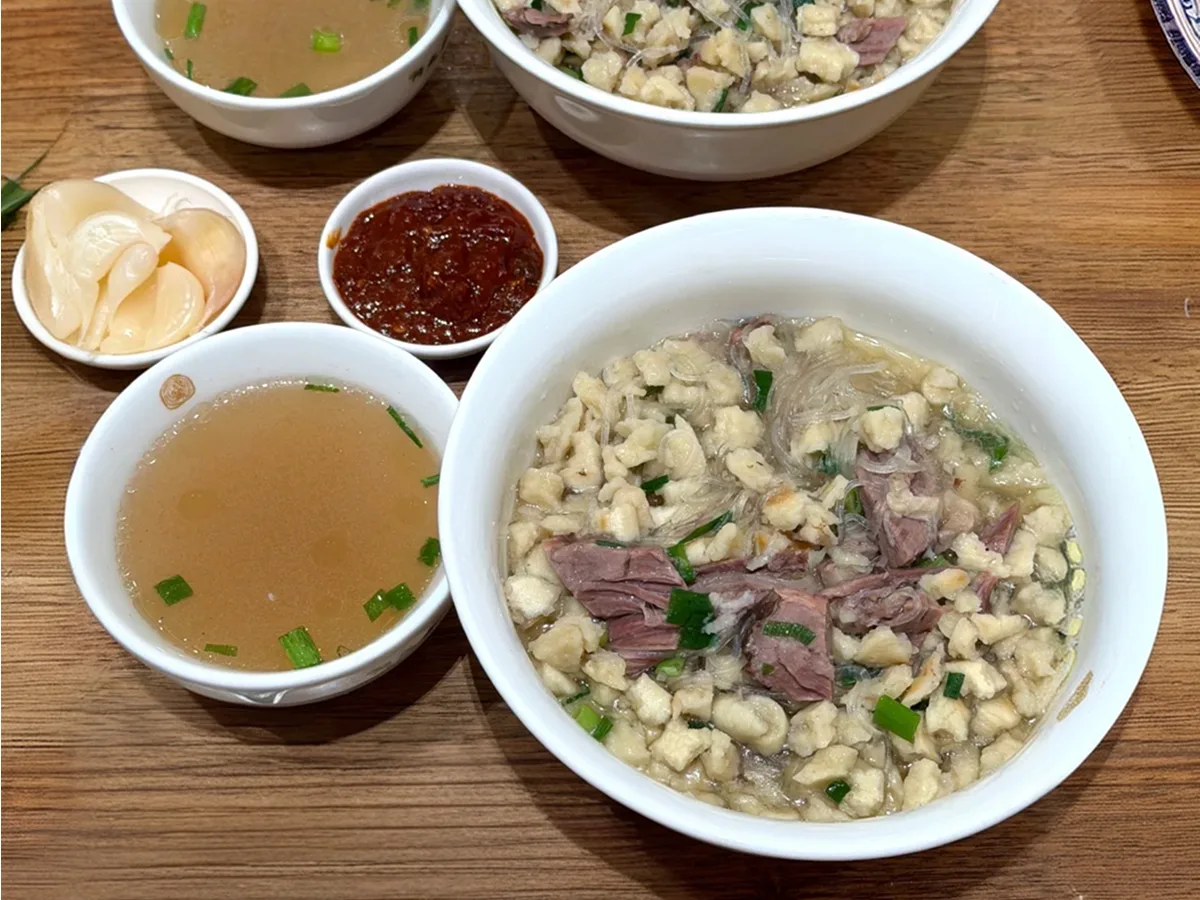
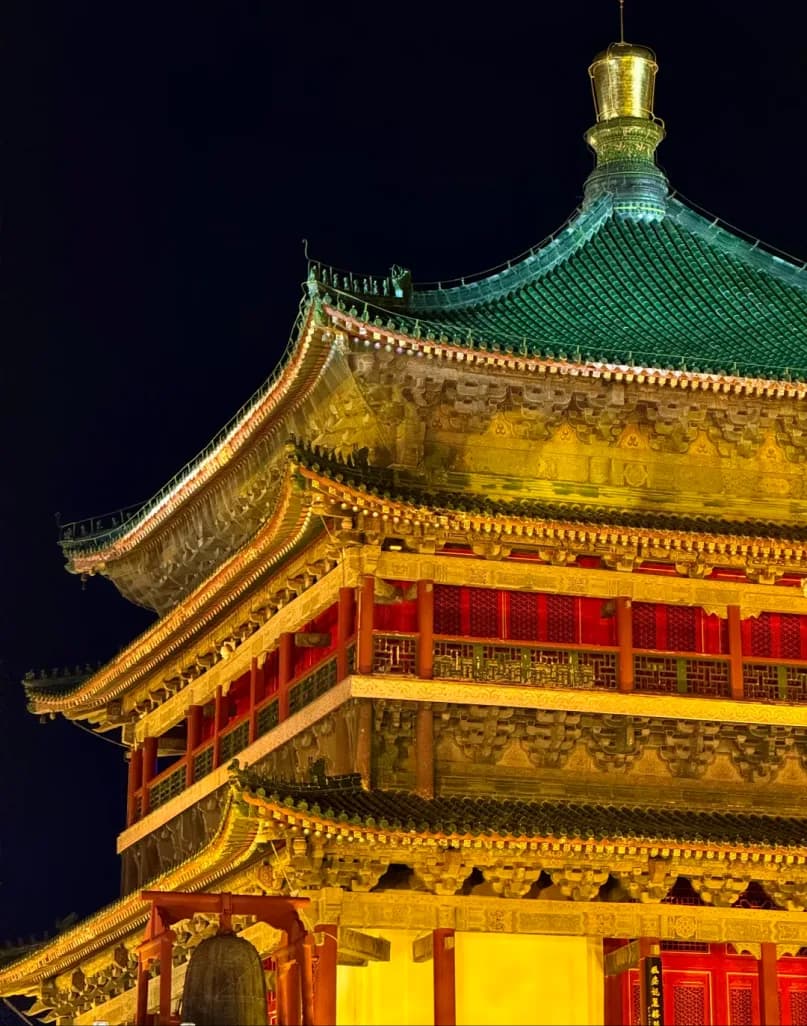
Xi'an's Huimin Street and the area around the Huajue Lane Mosque are the clearest examples: lamb cooked daily, hand-pulled noodles without pork, Uyghur restaurants with halal credentials that have been operating for decades. The Silk Road private tour itinerary includes these areas as part of the Xi'an stop. No conversion effort is required.
The brief for any northwest itinerary should confirm halal dining needs at the booking stage — not at the restaurant. We can include halal requirements in the ground arrangements so that car drivers and local guides are aligned before the day starts.
Guangzhou and Chengdu Need a Specific Search
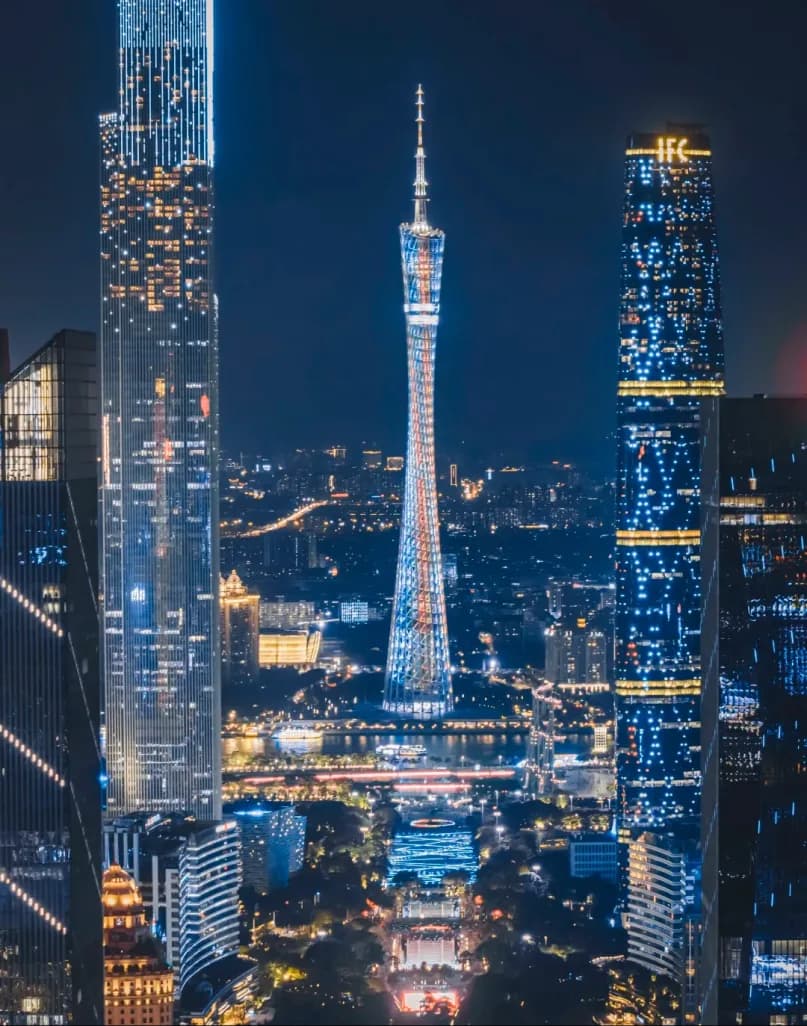
South China does not have the same Muslim food infrastructure. A Qingzhen sign in Guangzhou or Chengdu tells you what the shop emphasizes — it is not a government halal certificate in the way that halal certification works in Malaysia or the Gulf.
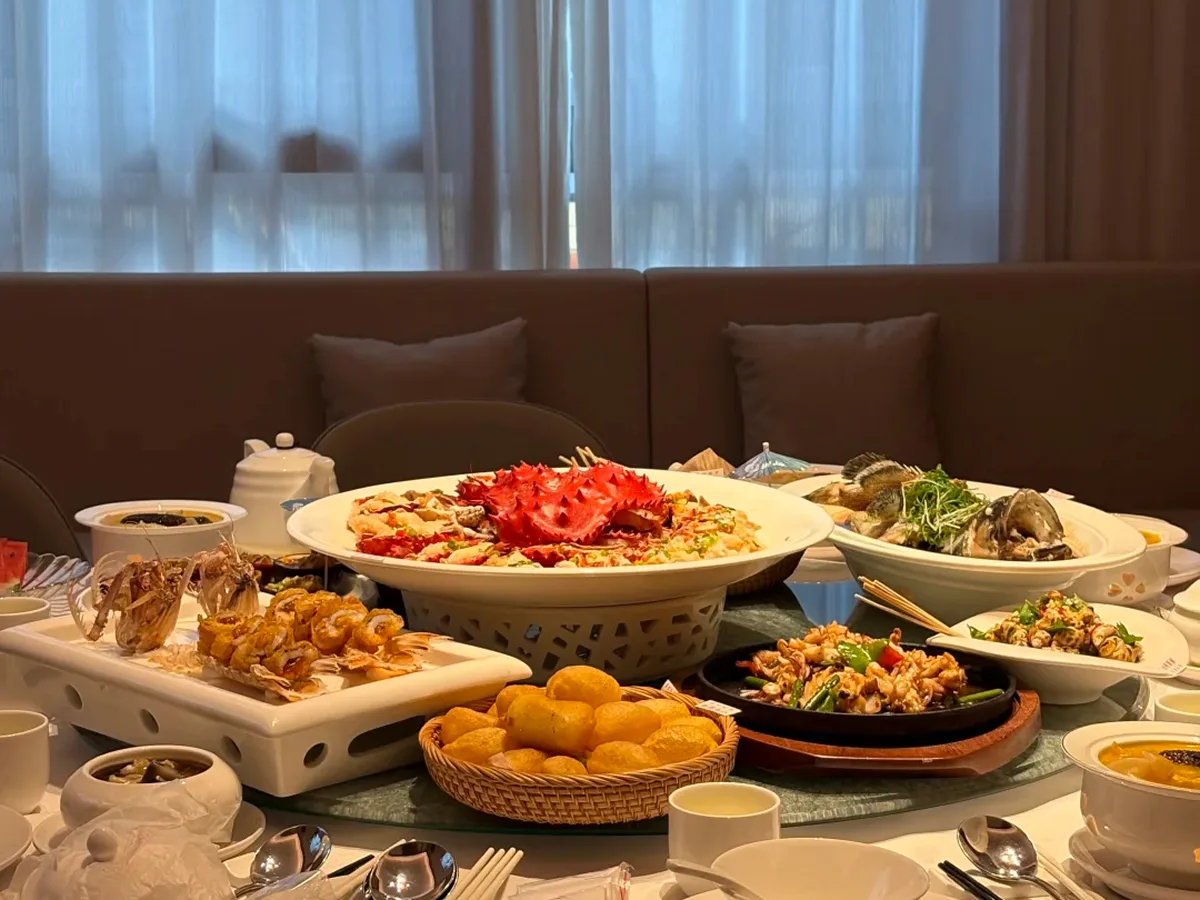
The reliable options in these cities are: international hotel restaurants that cater to Muslim business guests, confirmed halal restaurants listed by the hotel concierge, and Silk Road or northwest cuisine restaurants that happen to have opened branches in larger southern cities.
Seafood and vegetables prepared without pork is an honest option — it covers the protein needs and avoids the main problem. But it is not a full halal kitchen, and treating it as one is a risk.
What the Qingzhen Sign Does and Does Not Guarantee
A Qingzhen sign tells you what the shop emphasizes. It does not guarantee that every ingredient in every dish is halal-sourced, that the oil has not been used for non-halal cooking, or that the kitchen has a third-party certification you can verify from overseas.
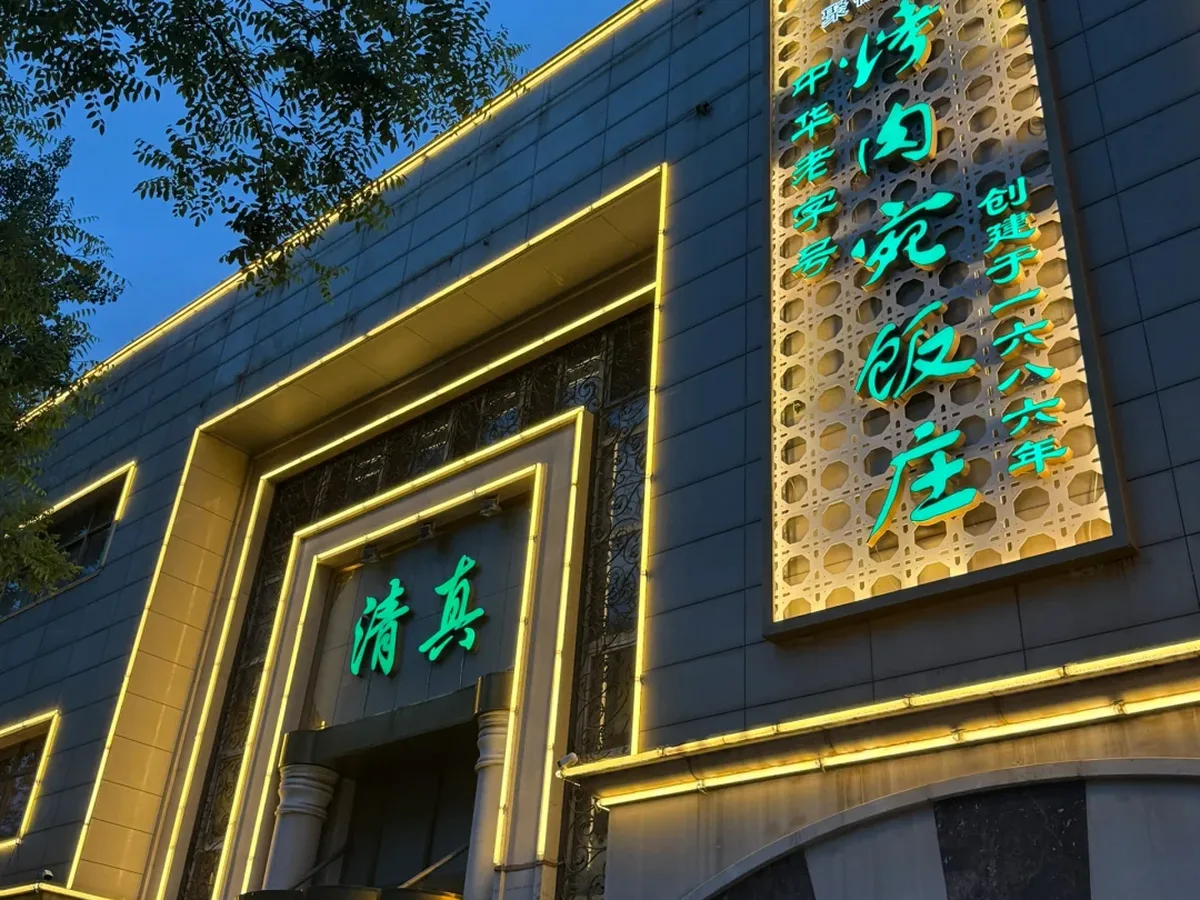
The practical standard in China is: if the sign is there and the food looks correct, it is acceptable for most travelers. If you require a stricter standard — and many Muslim travelers do — then Xi'an, Lanzhou, and the Silk Road route are the reliable cities, and other cities need advance confirmation rather than walk-in confidence.
What TTQ Can Arrange
TravelToQin can include halal dining requirements in the ground arrangements for any China itinerary. For the Silk Road and Xi'an-focused trips, this is a standard request we handle routinely. For cities like Guangzhou and Chengdu where halal infrastructure is thinner, we can confirm specific restaurants before arrival and include halal requirements in the briefing package sent to the local guide. We cannot issue or guarantee a halal certification — that is not our function.