Food in Chongqing: Eat by Geography, Not a Checklist
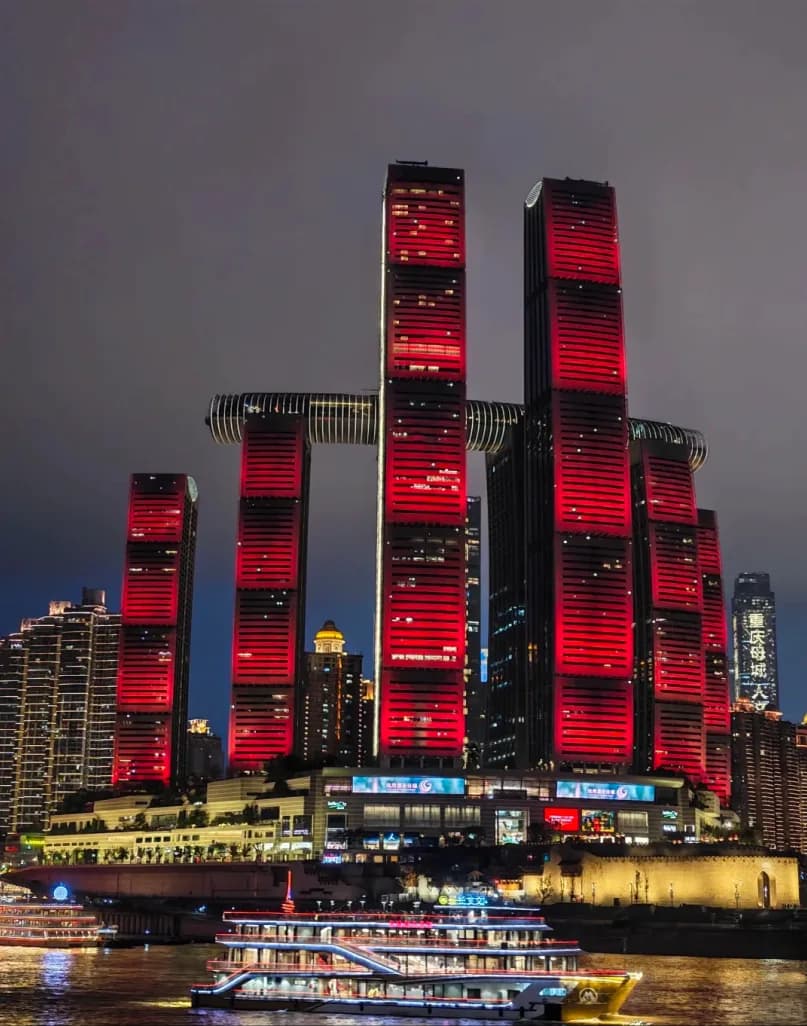
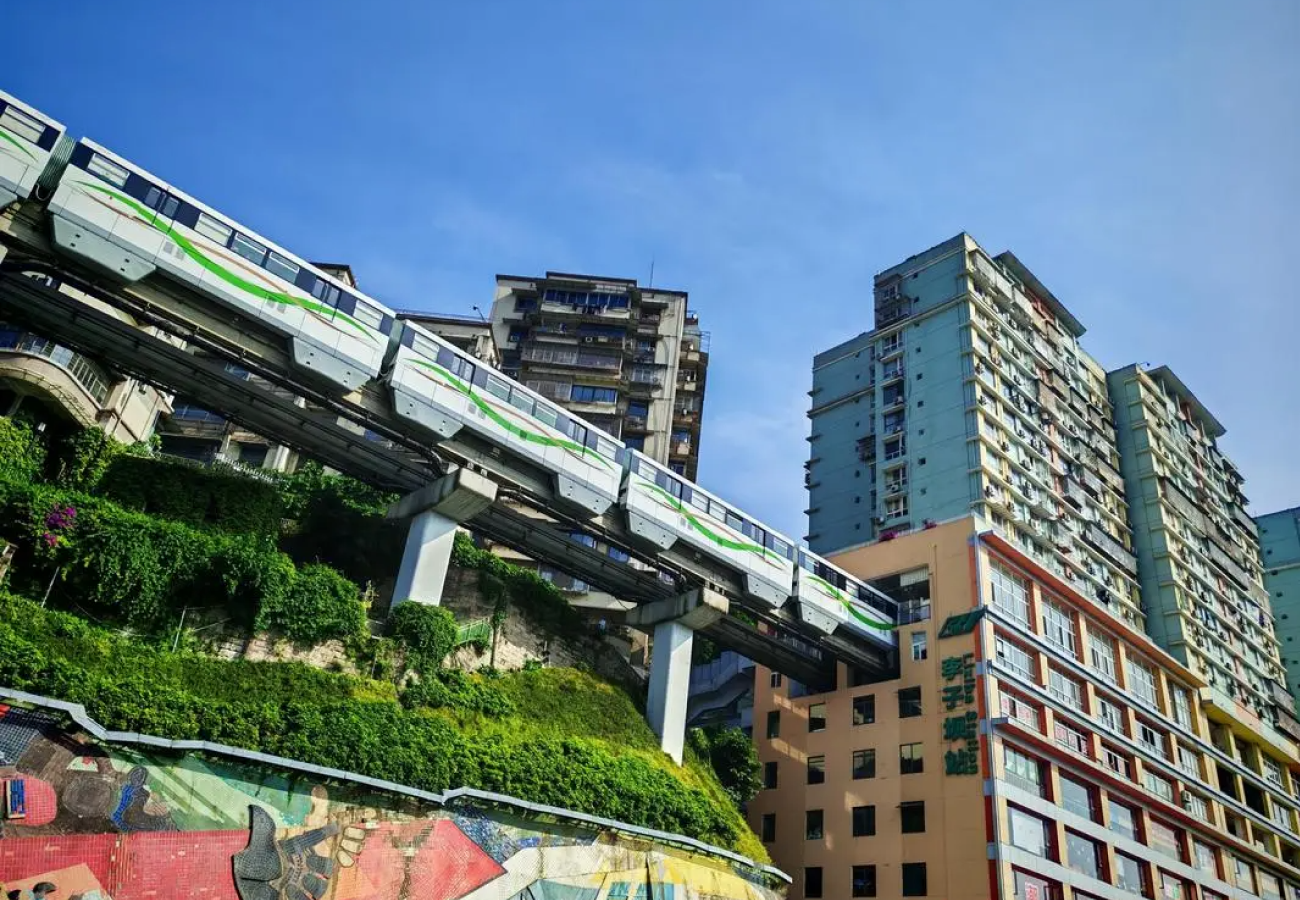
Most visitors treat food in chongqing as a list of famous dishes to tick off, then end up at a tourist-priced hotpot near Hongya Cave. That is the wrong frame. Chongqing is built on steep hills above two rivers, and each layer of the city has its own food logic.
Riverside areas suit long, oily hotpot dinners. Uphill backstreets hold small noodle shops where locals eat between errands. Old-town snack streets work best in the morning before the crowds dilute quality. Match the dish to the geography, and you eat better without chasing reservations.
Riverside Hotpot Belongs to the Evening
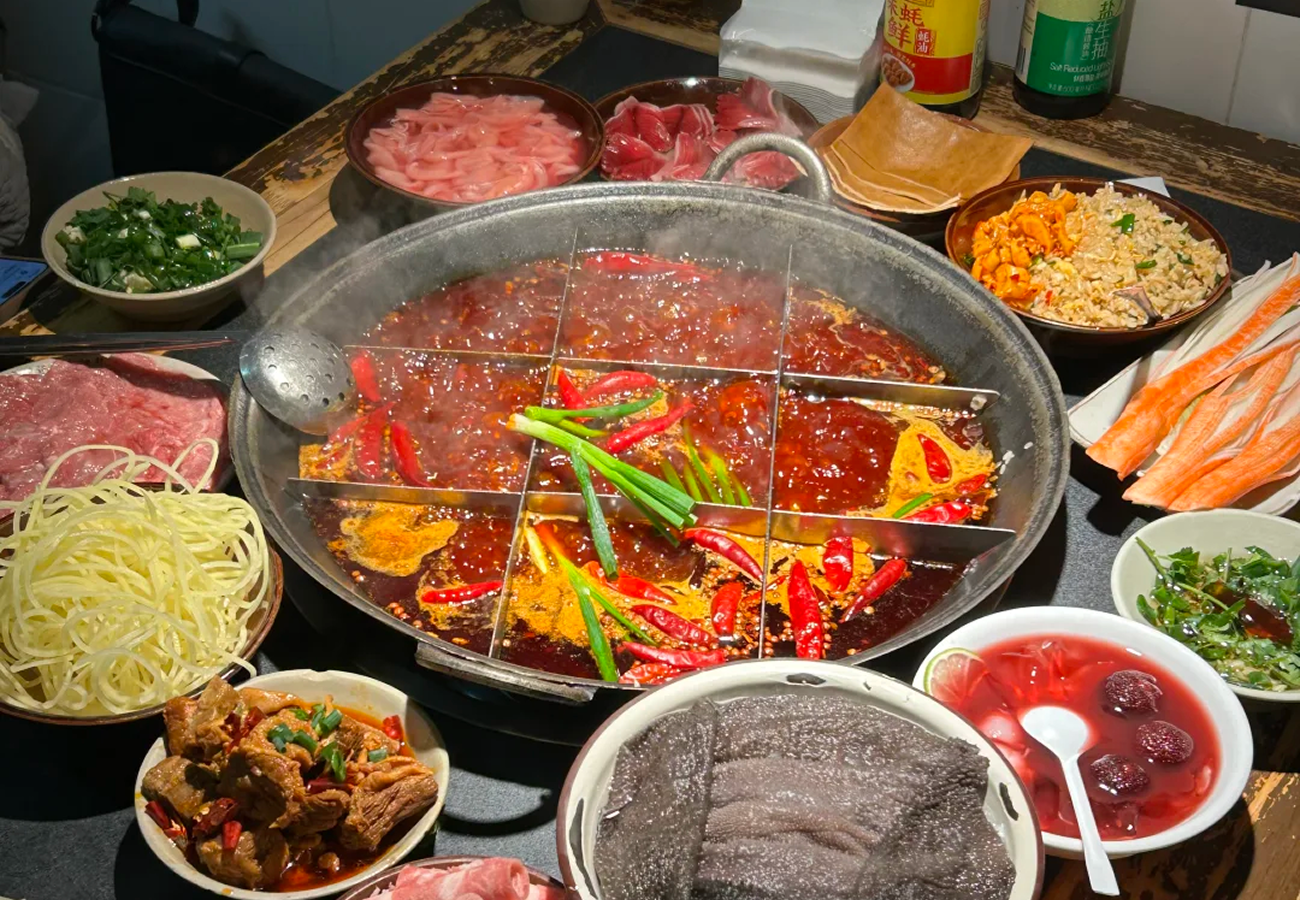
Hotpot is the default first meal in Chongqing, but timing and location matter more than the restaurant name. The riverside stretch near Hongya Cave and Chaotianmen looks convenient, yet the pots right at the entrance are often adjusted for tour groups. Walk a few blocks inland or along the river, and the same dish costs less and tastes closer to local standards.
Ask for 'wei la' or 'zhong la' to control spice
Chongqing spice levels run higher than most visitors expect. Wei la means mild, zhong la means medium, and both are safer starting points than whatever the server assumes. Confirm the level before ordering, because local 'mild' can still numb a first-timer.
Descend from viewpoint to riverfront for dinner
Start at a viewpoint like Hongya Cave around late afternoon, then walk downhill to the riverfront for hotpot. The descent gives you the night skyline without a separate trip, and you arrive at dinner with an appetite. This is a vertical city; use the slope instead of fighting it.
Noodle Shops Fit Uphill Walks
Xiaomian and sour-spicy noodles are daytime food, not dinner. They sit in small shops on slopes and backstreets, especially around Jiefangbei's alleys, where office workers stop for a quick bowl between errands. You will not find the best ones on a plaza or in a mall food court.
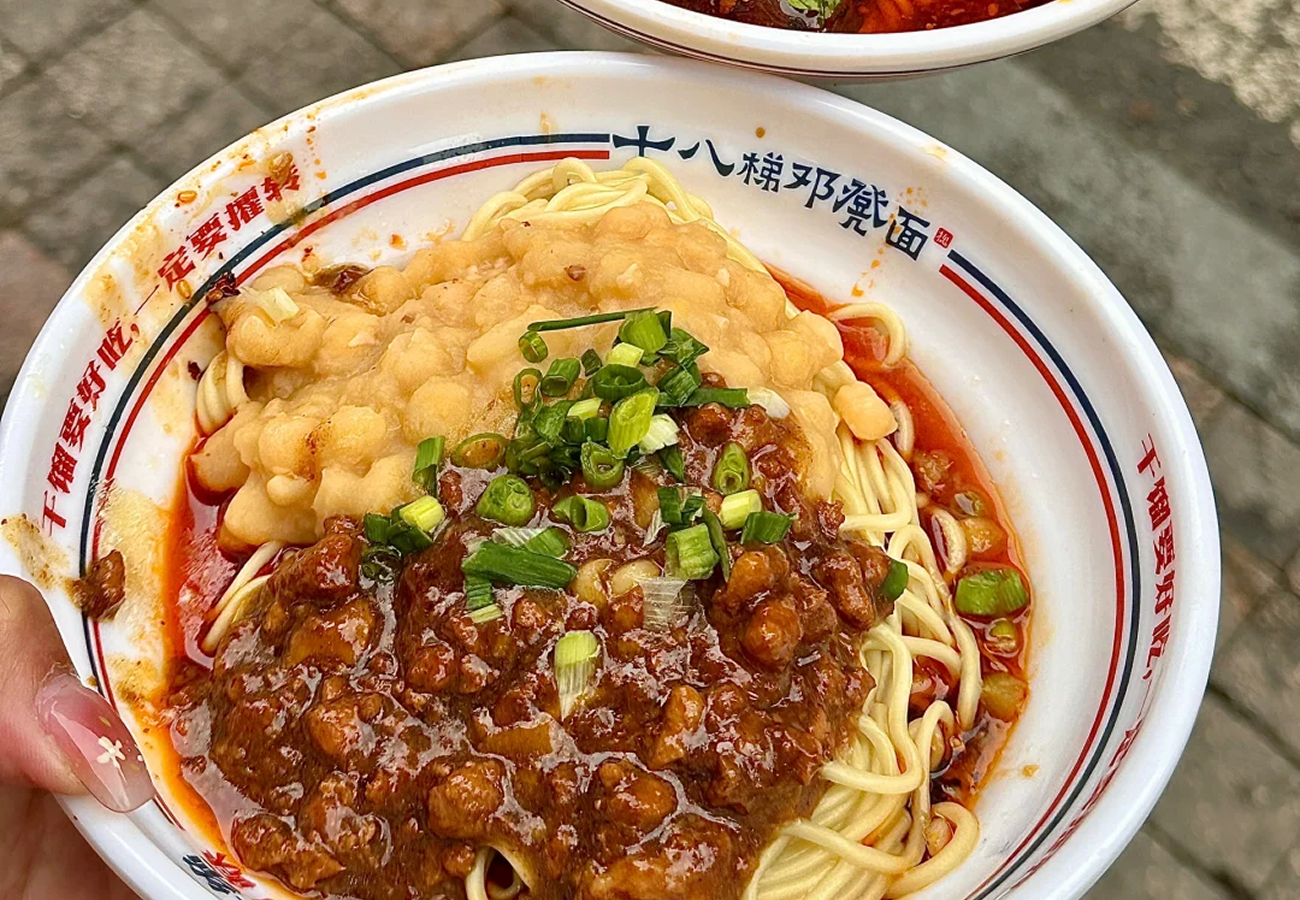
Local noodle shops cluster on slopes, not plazas
The uphill streets behind Jiefangbei hold dozens of tiny noodle shops with no English menus and no queue. A private guide can translate and point you to one that matches your tolerance for mala, the numbing spice mix. That beats guessing from photos.
Confirm spice level before ordering
Noodle shops often default to a full local spice load. Ask for wei la or zhong la and watch the cook's reaction; if they hesitate, go milder. You can always add chili oil at the table, but you cannot remove it once the bowl is mixed.
Old-Town Snacks Need a Morning
Ciqikou's snack streets are a highlight, but only before 10:30 or so. After that, tour groups pack the lanes, and stalls start cooking for volume rather than flavor. A morning visit also fits the light: the old buildings look better, and you can try small portions without a crowd pushing behind you.
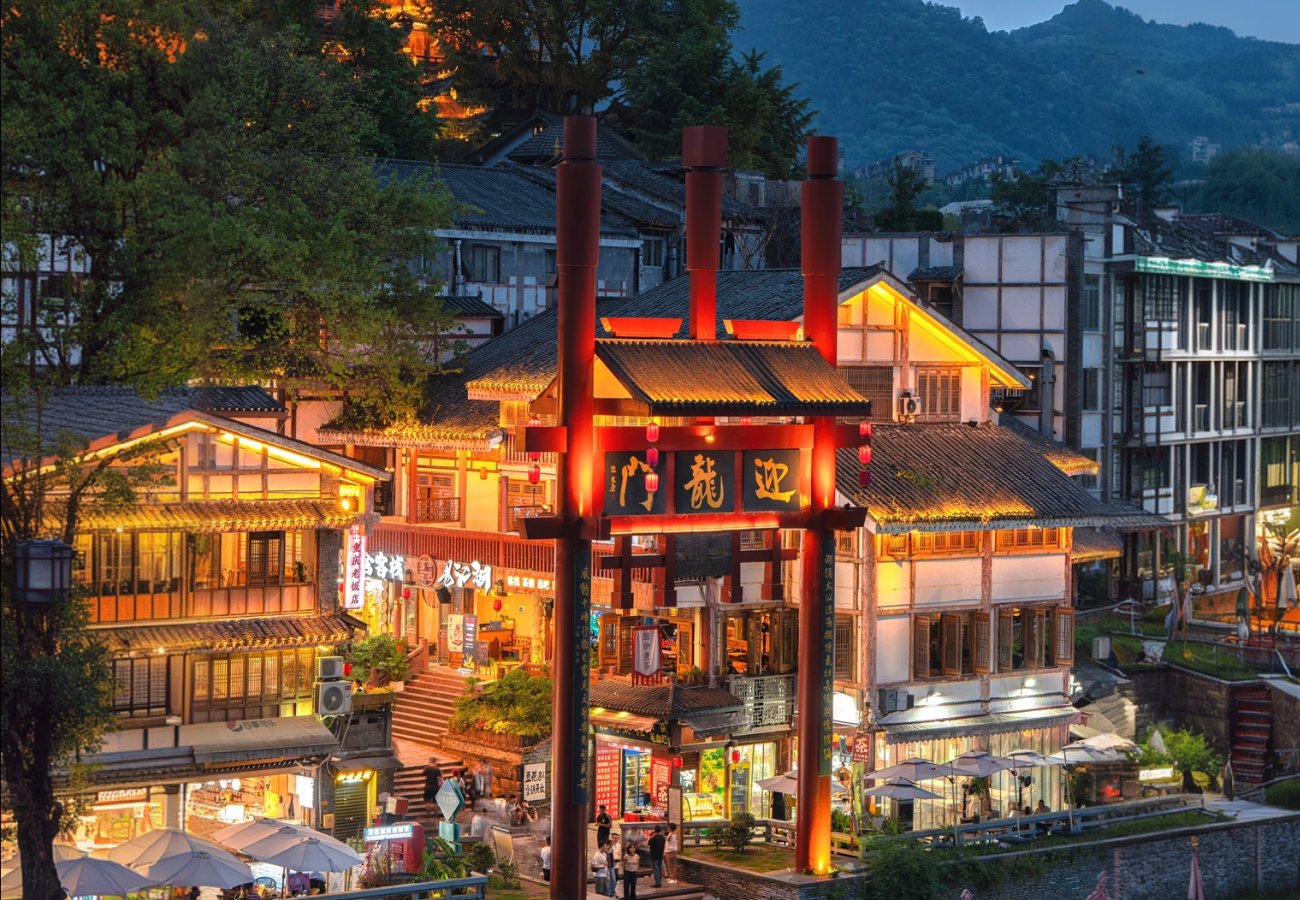
Morning visit avoids peak tourist hours
Get to Ciqikou at opening, walk the main street once, then duck into side alleys for snacks. The first hour is quiet enough to talk with vendors and see what is fresh. By noon, the same street becomes a slow-moving line.
Try small portions from multiple stalls
Do not commit to a full meal at one stall. Buy one or two items, share them, and move on. That way you sample more of the old-town repertoire without filling up on a single fried dough or rice cake.
Use Free Time for Local Bites
Chongqing itineraries often leave gaps between sights, especially on arrival day or before an evening cruise. Use those gaps for backstreet eating, not for sitting in a café. A private guide can translate and recommend dishes based on your spice comfort, which is the fastest way to eat like a local without a food tour.
Guide can recommend dishes based on your spice comfort
Tell your guide your mala tolerance on day one. They can steer you to a mild sour-spicy noodle shop or a numbing hotpot base accordingly. This is not about finding a place that is obscure; it is about matching the dish to your mouth.
Explore Jiefangbei alleys for authentic flavors
The alleys behind Jiefangbei are dense with small eateries that serve office workers, not tourists. Walk uphill for ten minutes from the square, and the menu changes from hotpot chains to single-dish noodle shops. That is where the city eats.
Plan Your First Meal Before Arrival
Your first Chongqing meal sets the tone for the trip. If you land hungry and walk into the nearest tourist strip, you will likely overpay for a bland pot. Decide your spice threshold and meal anchors before the flight, so you can eat well from the first evening.
Confirm spice level terms with your guide
Before you arrive, ask your guide to confirm the exact terms for mild and medium in Chongqing dialect. Wei la and zhong la are standard, but some shops use different words. A quick message saves you from a painful first bowl.
Map meals to your itinerary's geography
Look at your day-by-day route and mark where you will be at lunch and dinner. If you are near the river in the evening, plan hotpot. If you are walking uphill in Jiefangbei at noon, plan noodles. This simple mapping prevents rushed, tourist-trap meals.