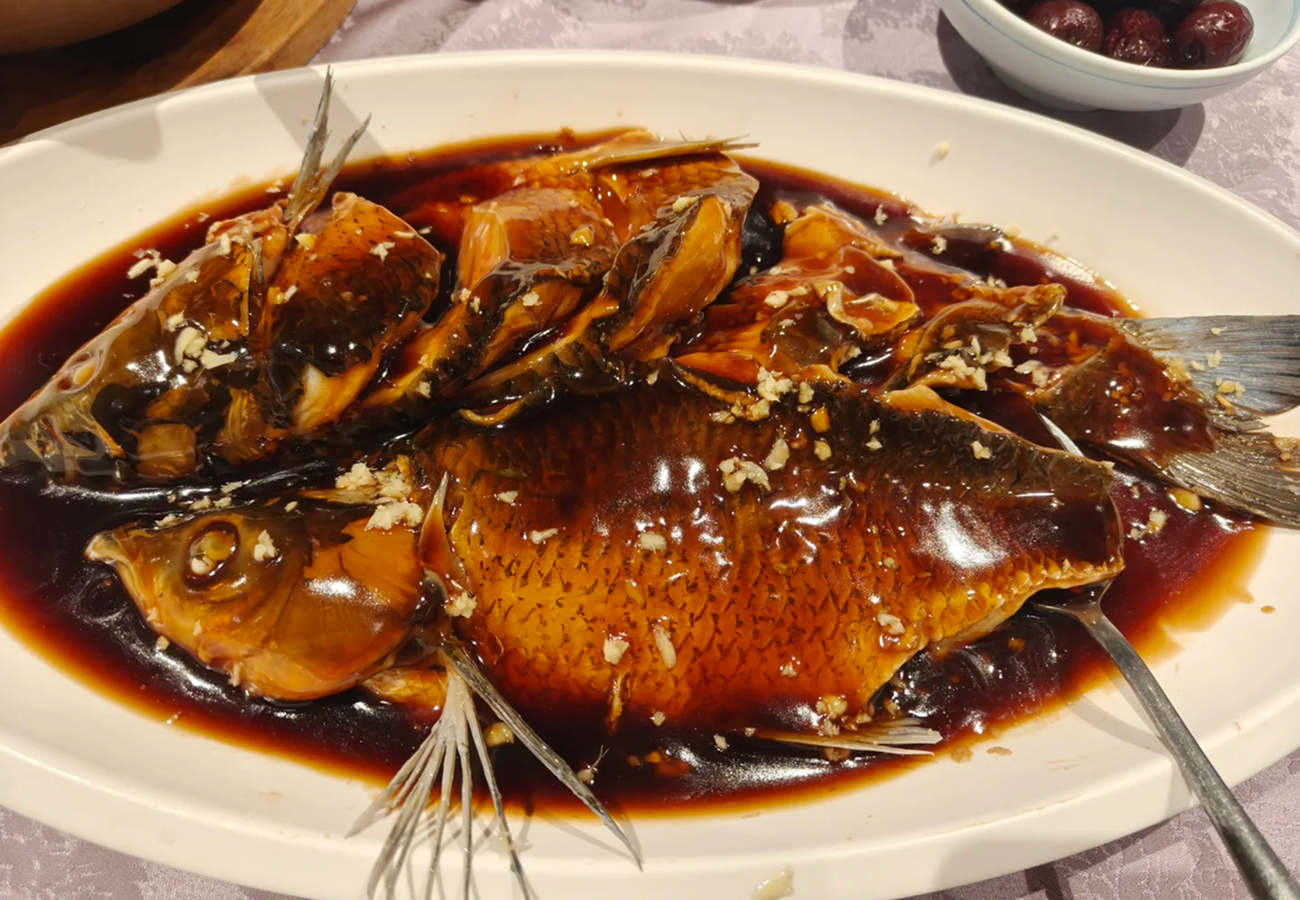
Chinese Fish Restaurant: Order by Weight and Style First
A chinese fish restaurant is not a fixed-price menu experience. You choose a live fish, agree on weight and style, and only then does the kitchen start cooking. First-time visitors often treat it like ordering a steak, and that is where the bill and the meal go wrong.
This guide covers the decisions that matter before the fish leaves the tank: weight, cooking style, bones, spice, and how to communicate without fluent Mandarin.
Confirm Weight Before Cooking
Live fish pricing is the norm in most Chinese fish restaurants. The price per unit is posted, but the total depends on the weight of the fish you pick. If you nod at the tank without asking, you may pay for a larger fish than you expected.
Watch the Weighing Process
Staff will scoop the fish out and weigh it in front of you, usually in jin (half a kilogram). Watch the scale and ask for the total price before the fish goes to the kitchen. A simple phrase like "duo shao qian?" (how much?) works.
Ask for the Price Per Unit and Total
- Point to the fish and ask for the total, not just the per-unit price.
- Confirm whether the quoted price includes cooking and service.
- If the total seems high, ask for a smaller fish or a different species.
Settle the total before cooking. Once the fish is dead, you own it.
Match Style to Fish Texture
Species matters less than cooking style. The same fish can be steamed, braised, or spicy poached, and each style suits a different texture. Order by style first, then pick a fish that fits.
Steamed: Light and Fresh
Steaming keeps delicate white fish tender and clean. It is the safest choice for first-timers because the flavor is mild and the bones are easier to manage.
Braised: Savory and Tender
Braised fish is cooked in a soy-based sauce, often with ginger and scallions. It works for firmer fish and adds richness without much heat.
Spicy Poached: Bold and Numbing
Spicy poached fish, common in Sichuan and Hunan restaurants, is cooked in chili oil and Sichuan peppercorns. It suits firm, oily fish and is not for anyone who dislikes numbing spice.
If you are unsure, ask which style the staff recommends for the fish you picked. That is a better question than asking for the "best" fish.
Handle Bones and Spice Early
Bones and spice are the two things that can ruin a fish meal. Tell staff your tolerance before ordering, not after the dish arrives.
Request Boneless if Possible
Some kitchens can fillet or debone a fish, but not all. Ask early, and be ready to pick around bones if the answer is no. A translation app phrase like "wo bu yao gu tou" (I don't want bones) helps.
Ask for Mild or No Chili
Spice levels vary by region. In Sichuan or Hunan, "mild" may still be hot. Say "bu la" (not spicy) or "wei la" (mildly spicy) and point to a photo if possible.
- Ask about bones and spice before the fish is cooked.
- Request boneless preparation if you cannot handle bones.
- Specify your spice tolerance with a simple phrase or photo.
Use Apps and Point to Order
You do not need fluent Mandarin to order fish. Translation apps and menu photos cover most situations, but confirm the key details verbally or by pointing.
Show a Photo of the Dish
Many menus have photos, and review apps like Dianping show user photos. Point to a dish and ask for the same style, then confirm the fish and weight.
Use a Translation App for Key Phrases
- Save phrases for "how much total," "no bones," and "not spicy" offline.
- Use the app's camera translation for menu items without photos.
- Show the translated phrase to staff instead of relying on pronunciation.
Language barriers are manageable, but do not skip the confirmation step. A quick nod is not enough.
Order One Fish for Sharing
Portions at a chinese fish restaurant are designed for sharing. One fish plus a vegetable dish is usually enough for two or three people. Ordering multiple fish dishes leads to waste and a higher bill.
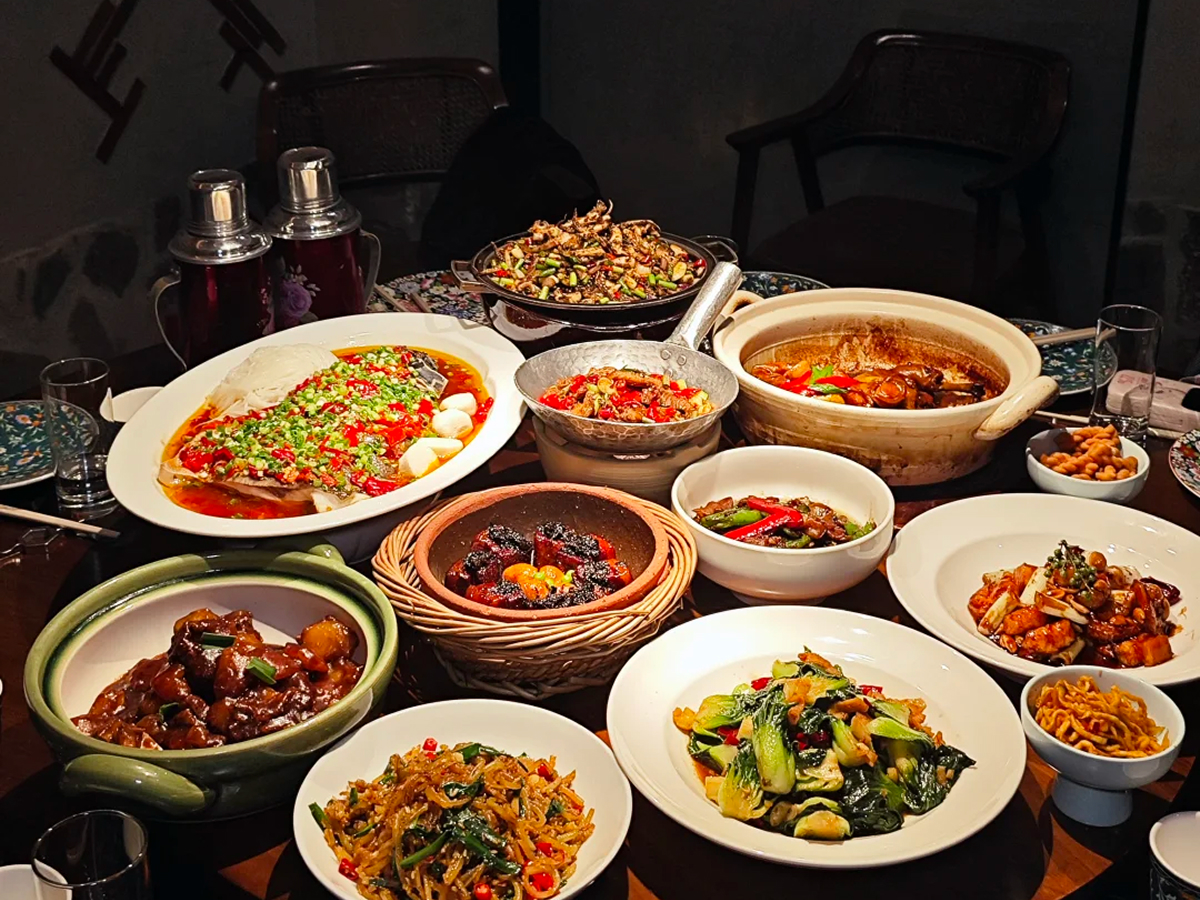
Avoid Ordering Multiple Fish Dishes
A single fish can weigh a kilogram or more after cooking. Add one or two simple sides, like stir-fried greens or rice, and stop there.
Add Simple Vegetable Sides
- Stir-fried greens balance the richness of braised or spicy fish.
- Plain rice is a neutral base for saucy dishes.
- A light soup can round out the meal without adding another protein.
If you are dining solo, ask for the smallest fish available and one side. That is a better plan than ordering a fixed set meal.
Prepare Before You Go
A little preparation prevents the two biggest problems: surprise pricing and a dish you cannot eat. Save key phrases and check recent photos before you walk in.
Save Key Phrases Offline
- "Total price?" — duo shao qian?
- "No bones" — bu yao gu tou
- "Not spicy" — bu la
- "Smaller fish" — xiao yi dian de yu
Check Recent Traveler Photos
Recent photos on review apps show portion sizes, spice levels, and how the fish is presented. They also reveal whether the restaurant is more tourist-oriented or local, which affects how staff handle questions.
If you have dietary restrictions beyond fish, read vegetarian Chinese food for a different set of ordering rules.