Flight Through China: Airside, Transit Days, or First Stop
Flight Through China Is Three Different Decisions
Landing in China on a connecting flight does not mean you have entered China as a tourist. It means you are in an airport terminal, and the rules that apply inside that terminal are not the same as the rules for leaving it. Before you decide whether to power through or extend your stay, you need to know which of three separate tracks you are actually on.
The three tracks are:
- Airside transit — you stay inside the international zone. No visa. No immigration stamp. No city.
- 240-hour visa-free transit — you clear immigration and can leave the airport, but you are limited to a set list of ports and a 240-hour window. This is a city stay, not an airport stay.
- China as your first destination — you hold a valid tourist visa, or you are entering through a city that requires one. Full country access from day one.
The mistake most travelers make is treating these as minor variations of the same situation. They are not. The document you hold, the port you land in, and the stamp you receive determine everything that follows. This page tells you which track you are on and what it actually allows.
Airside Hours Are Not a Vacation
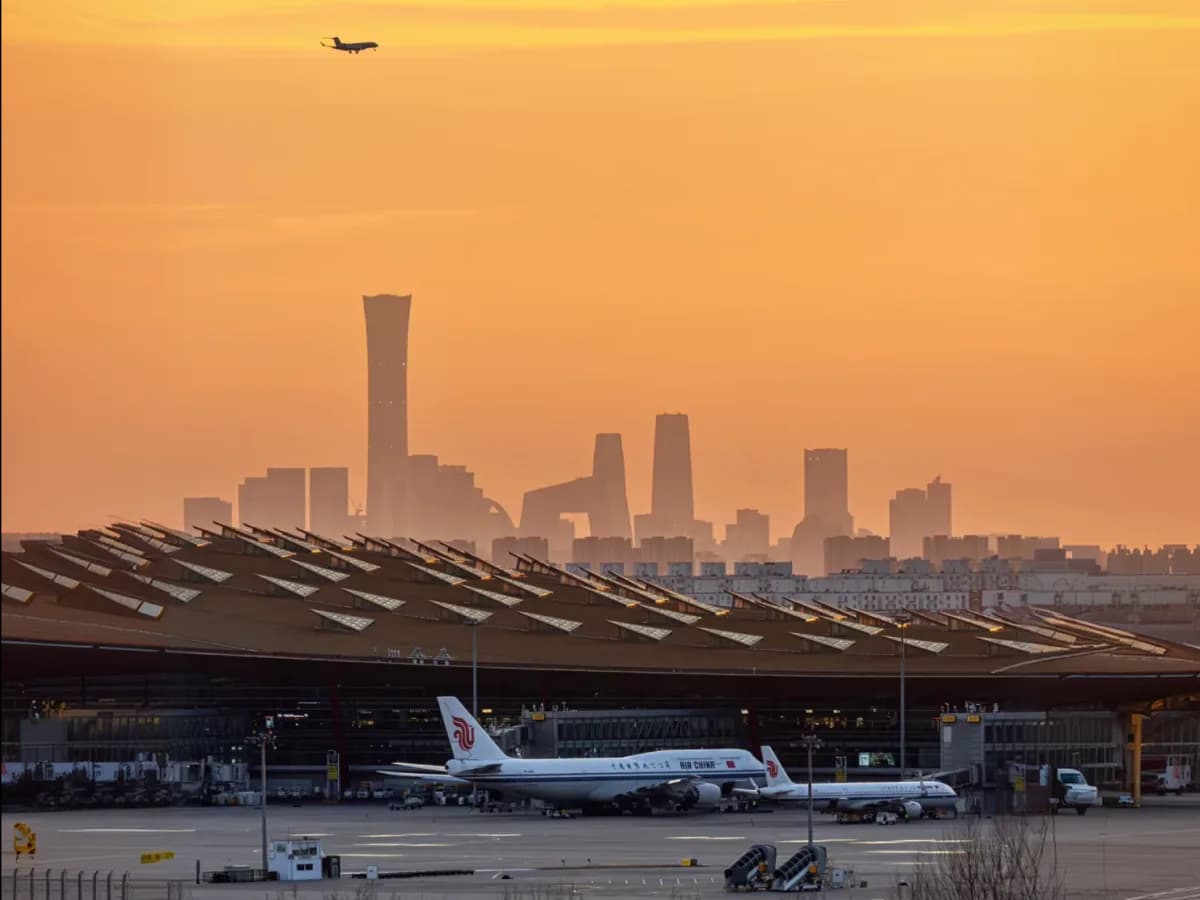
If your itinerary has you passing through a Chinese airport without clearing immigration—typically because both flights are on the same ticket and you do not exit the international zone—you are an airside transit passenger. Your maximum window varies by airport, but it is almost never more than 24 hours and often much less.
You cannot leave the terminal. You cannot see the city. You cannot eat a meal outside the gate area in most airports. What you can do is limited to what the transit lounge offers, which in most Chinese international airports means a narrow selection of chains, limited seating, and little else.
Do not book a long layover on the assumption that airside time is city time. It is not. If you want to see Shanghai or Beijing, you need to clear immigration, which means either the 240-hour transit window or a visa.
One exception worth noting: some airports allow airside passengers to book a transit hotel inside the terminal. These are functional rooms designed for rest, not exploration. If your connection is overnight and you do not want to clear immigration, this is worth checking—but it is a sleep solution, not a China experience.
The 240-Hour Window Is a City Window
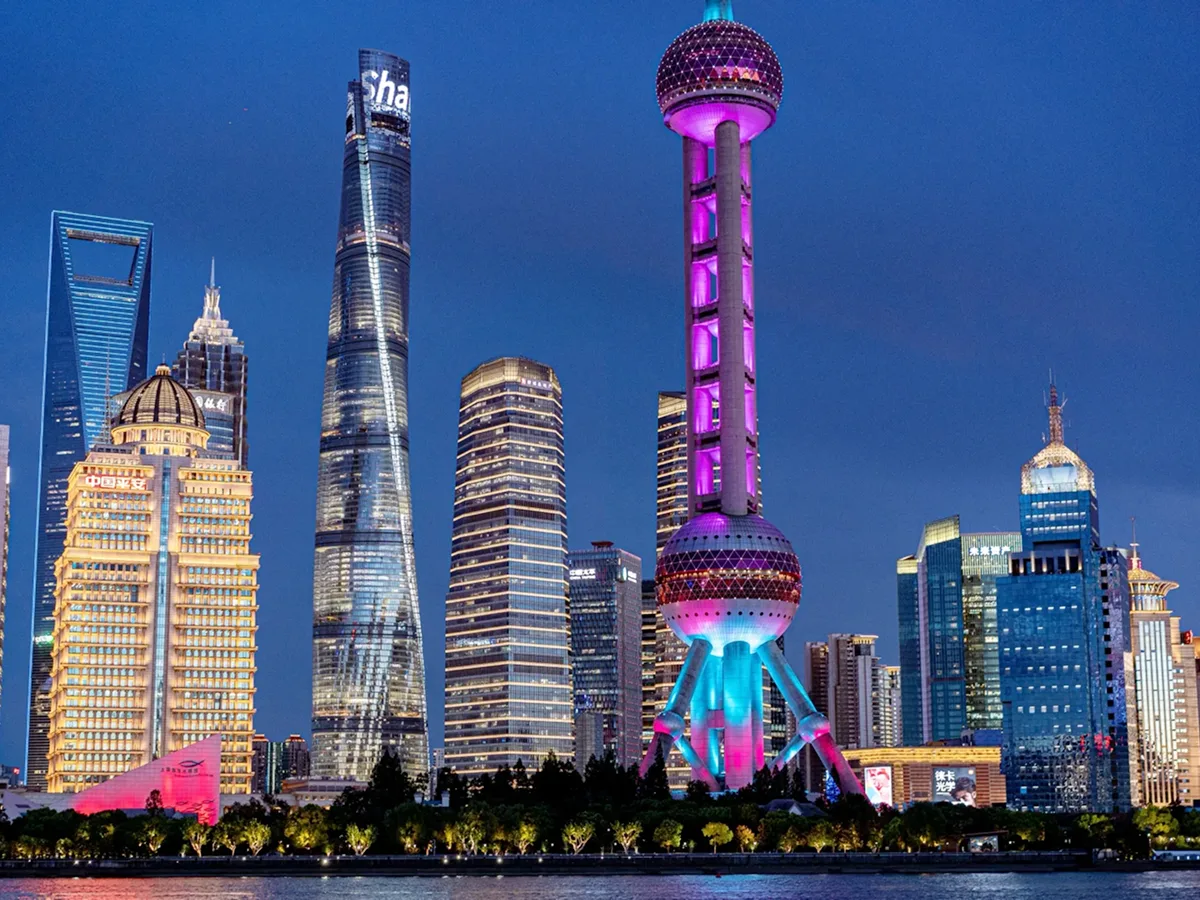
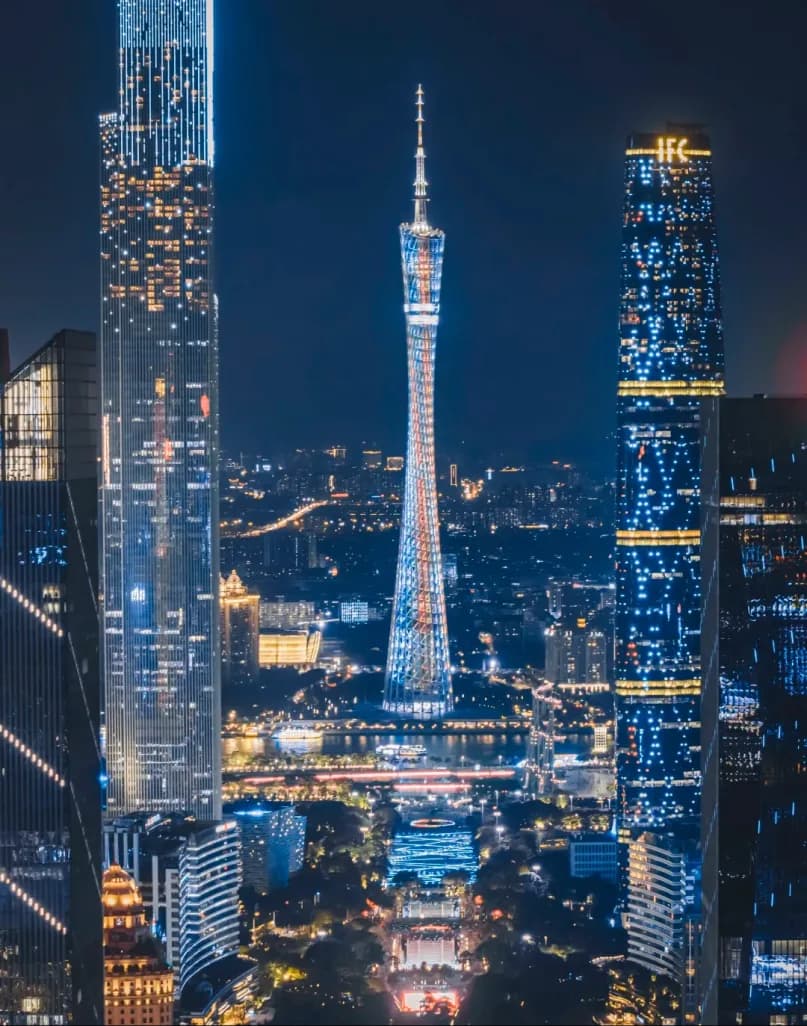
China's 240-hour visa-free transit policy applies to passengers transiting through specific ports of entry. The list of eligible ports is limited, not nationwide. As of mid-2026, major eligible ports include Shanghai (PVG and both terminals of Hongqiao), Beijing (PEK and PKX), Chengdu (CTU), Guangzhou (CAN), Shenzhen (SZX), Hangzhou (HGH), Nanjing (NKG), and a growing number of second-tier cities. The full list changes; check the official Exit-Entry Administration page before you book.
If your connecting flight arrives at an eligible port, you can clear immigration and stay in that city for up to 240 hours (10 days). You are not confined to the airport. You can check into a hotel, eat at restaurants, take day trips within the city, and move around freely—within the administrative boundaries of that city and its surrounding prefecture.
The 240-hour clock starts at the moment you clear immigration, not at your landing time. A 6 pm arrival means your window opens at 6 pm that day. Departure must be within 240 hours of that moment, not of your original landing time.
The critical restriction: 240-hour transit travelers cannot visit cities outside the permitted transit zone without proper visa authorization. If you land in Shanghai and want to take a day trip to SuzhouXi'an sites, you need to verify whether Suzhou falls within the eligible transit zone for Shanghai arrivals under the 240-hour policy. In many cases it does not. Do not assume that "city days" under 240 hours means you can freely add surrounding destinations.
Which Is the Right Track for Your Itinerary
If your connection is under 12 hours and you are not changing terminals, airside transit is almost certainly your track. No immigration. No visa check. No city.
If your connection is 12–72 hours, check whether your arrival port is on the 240-hour eligible list and whether your departure flight is also from the same metropolitan area. The 240-hour policy works best when you are arriving and departing from the same city. If you need to catch a connecting flight from a different city, the 240-hour window does not automatically cover that—it requires either a separate transit document or a visa.
If China is your primary destination and you are spending more than a few days in the country, apply for a tourist visa before you leave. A visa gives you nationwide access from day one. It removes the port restrictions, the 240-hour countdown, and the uncertainty about which cities you can legally visit on a given entry permit.
One pattern that creates frequent problems: booking a multi-city China itinerary and relying on 240-hour transit for city-to-city movement. If your Beijing-Shanghai connection involves an international transit window that closes, or if your departure is from a different port than your arrival, the 240-hour rule may not bridge that gap cleanly. Build in buffer days or apply for a visa if your route involves significant internal movement.
Documents and Timing You Cannot Skip
No matter which track you are on, the following are non-negotiable:
- Your passport must be valid for at least six months beyond your intended exit date from China.
- Your return or onward ticket must be confirmed and verifiable at check-in.
- For 240-hour transit: your arrival and departure must both be through eligible ports on the current policy list. Always verify before departure—policy ports change.
- For tourist visas: apply at the Chinese consulate or embassy in your country of residence. Processing times vary; submit at least four weeks before departure.
If you arrive at a 240-hour-eligible port and are refused transit clearance—usually because your onward destination is not on the eligible list or your documents are insufficient—you will not be redirected to a visa counter. You will be put on the next available flight out, at your own cost. This is not a theoretical risk.
What TravelToQin can help with: If you are building a multi-city China itinerary that involves connecting flightsGolden Triangle itinerary, we can map the transit implications before you commit to dates. We do not issue visas, but we can tell you whether your city sequence is viable under the 240-hour policy and where a visa becomes the cleaner option.
Verify before you fly: Port eligibility for 240-hour transit, visa requirements for your nationality, and confirmed onward tickets are all confirmed with official Chinese government sources, not OTA listings. Conditions change; re-check 72 hours before departure.