Dunhuang Jiuquan: Understand the Difference Before You Plan
For a dunhuang jiuquan trip focused on Silk Road heritage, prioritize Dunhuang; a sightseeing stop in Jiuquan's urban center is optional. Dunhuang is a county-level city within the jurisdiction of Jiuquan in Gansu Province, not Jiuquan's urban center. Jiuquan's urban center is in Suzhou District, Gansu, which is distinct from the city of Suzhou in Jiangsu Province. Choose a Jiuquan city stop when a specific attraction or a verified onward connection justifies the extra transfer.
The practical distinction is between an administrative area and the places you actually intend to visit. When an address mentions Jiuquan, verify its full address and mapped location before treating it as a stop in Jiuquan's urban center. Build your route around those places, then check current official transport information before committing to connections.
Dunhuang and Jiuquan Are Different Stops
Dunhuang is a county-level city under the prefecture-level administration of Jiuquan, Gansu Province — it is not Jiuquan’s city centre. Jiuquan’s urban core is Suzhou District of Gansu. This Suzhou District belongs to Jiuquan and is **not the well-known Suzhou city in Jiangsu Province**. Always double-check the exact location before treating any “Jiuquan” address as a stop in Jiuquan’s downtown.
Administrative Boundaries Versus Visitor Destinations
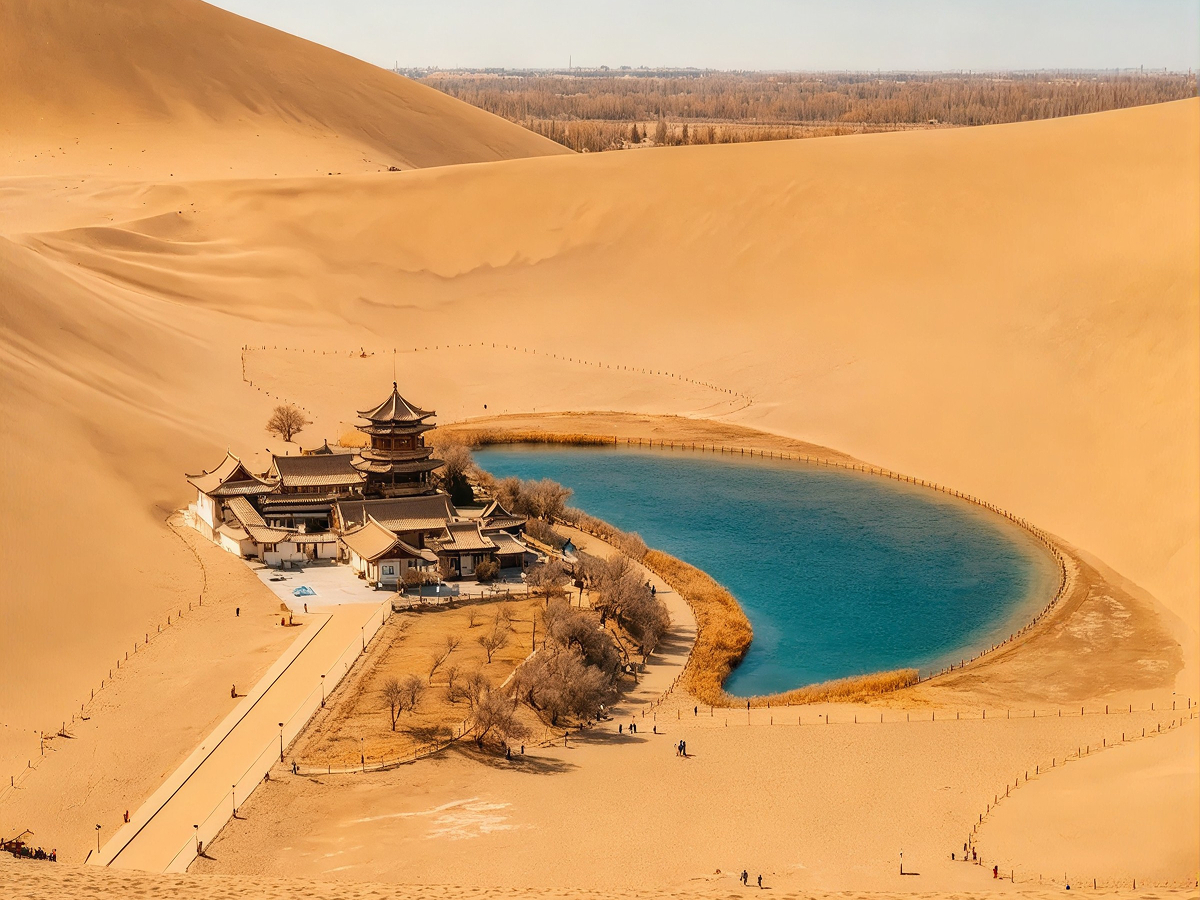
For sightseeing, the distinction is straightforward: Dunhuang's Mogao Caves and Crescent Lake belong to your Dunhuang stop. Visiting those places does not mean that you have visited Jiuquan's urban center. Use these place names differently when reading maps and route descriptions.
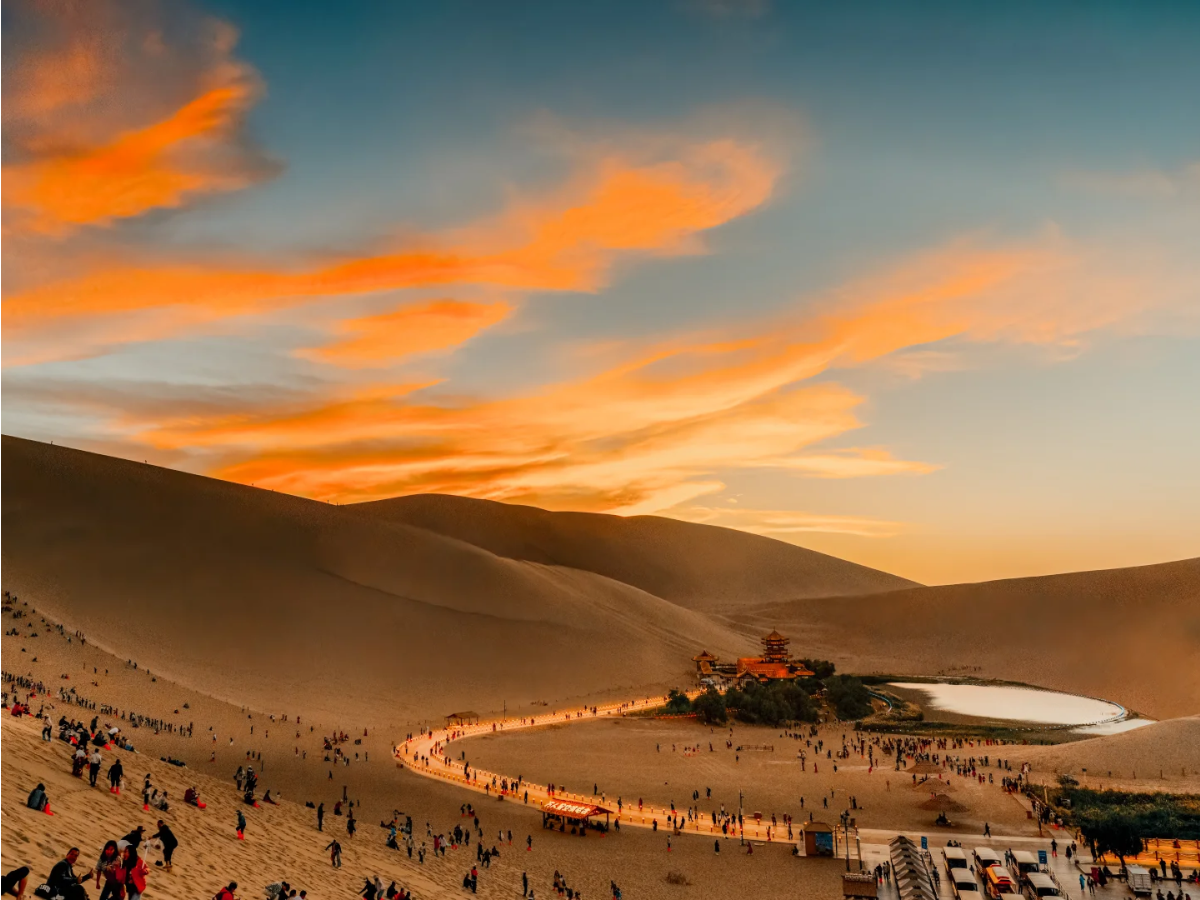
- Dunhuang: the county-level city associated with the Mogao Caves and Crescent Lake.
- Jiuquan jurisdiction: the wider administrative area that includes Dunhuang.
- Jiuquan urban center: the separate city stop in Suzhou District (Sùzhōu, Jiuquan), Gansu — this is not Suzhou in Jiangsu Province — that needs its own route decision.
- Attraction address: the precise location that tells you where a visit actually takes place.
This distinction prevents an administrative label from becoming an unnecessary travel stop. If your interests center on Buddhist cave art and Dunhuang's desert setting, start by locating those attractions rather than adding every city name attached to their addresses. For the separate question of allocating time in Dunhuang, use the Dunhuang planning guide.
Transport Requires Exact Station Checks
Dunhuang–Jiuquan transport planning requires checking the exact departure and arrival points against current official transport information. You can include both destinations in one trip, but the transfer needs a place in your schedule. An assumed direct high-speed connection is an unreliable basis for booking.
Check Railway Stations and Connections
A railway result is useful only when its stations match your intended route. Similar regional names can conceal different arrival points, while the ride between a station and your actual destination adds another leg. Check the whole connection in this order.
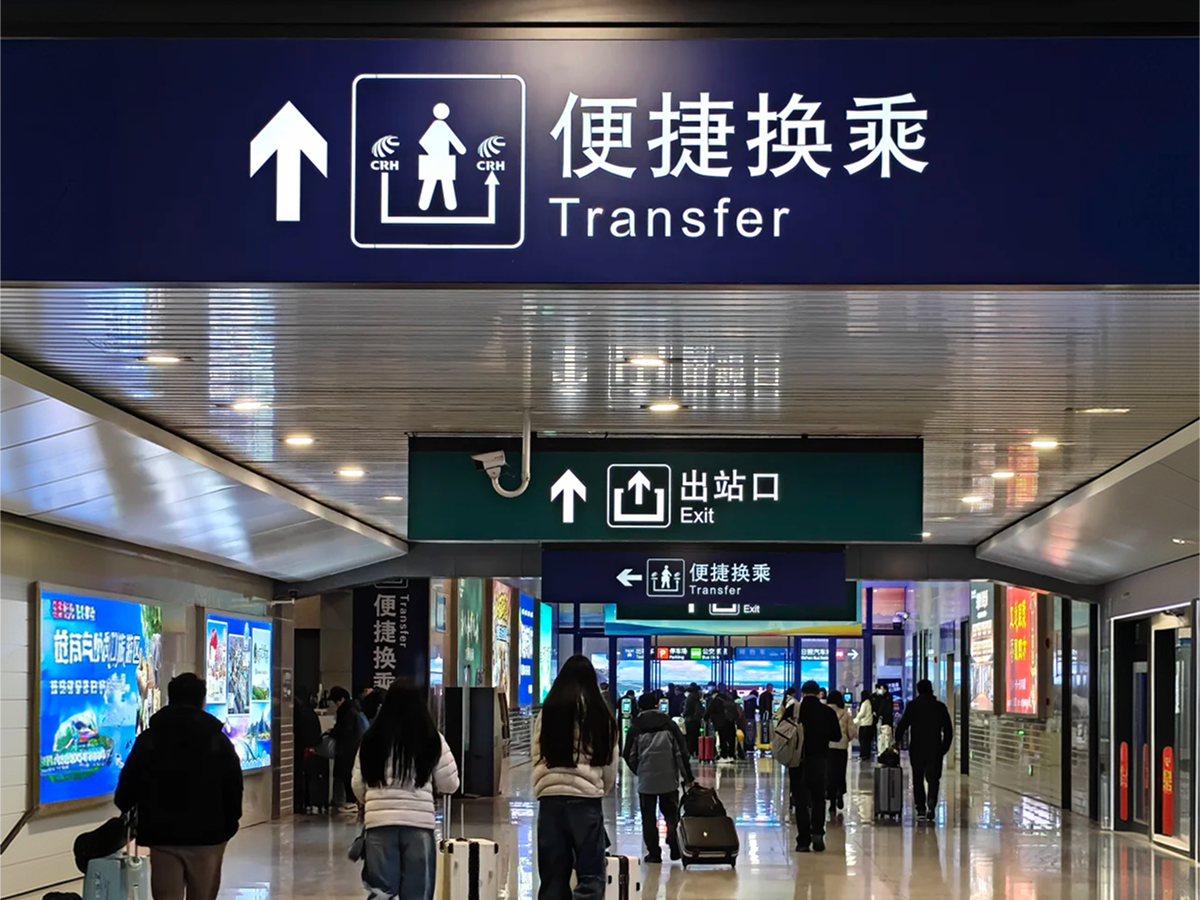
- Identify the exact departure station and arrival station in the current official railway listing.
- Locate both stations on a map alongside your intended sightseeing destination.
- Check whether the service is direct or requires a change, using the timetable for your travel date.
- Include station access, arrival procedures, and onward ground transport when judging whether the connection fits.
Allow Buffers for Road Transfers
Road travel needs the same attention to endpoints; a route between city labels may differ from the transfer you actually need. Check current road transport information and allow room for traffic near urban areas, rest stops, and arrival delays. A connection that works only with immediate departures and clear roads is too fragile for a day with an important sightseeing commitment.
Add Jiuquan for a Specific Reason
Visiting Dunhuang does not require a sightseeing stop in Jiuquan's urban center. For a first visit focused on Silk Road heritage, give Dunhuang's chosen sights priority before assigning time elsewhere. Jiuquan earns a separate stop when you can identify what you want to see or how the stop improves your onward route.
- Heritage focus: keep Dunhuang central if the Mogao Caves are a main reason for your trip.
- Specific city interest: consider Jiuquan's Western Han Scenic Site, also known as Xihan Shengji, if it matches your interests.
- Transport purpose: add a Jiuquan stop when a verified connection makes the wider route more practical.
- Space interest: treat the Jiuquan Satellite Launch Center as a separate access question requiring current official confirmation.
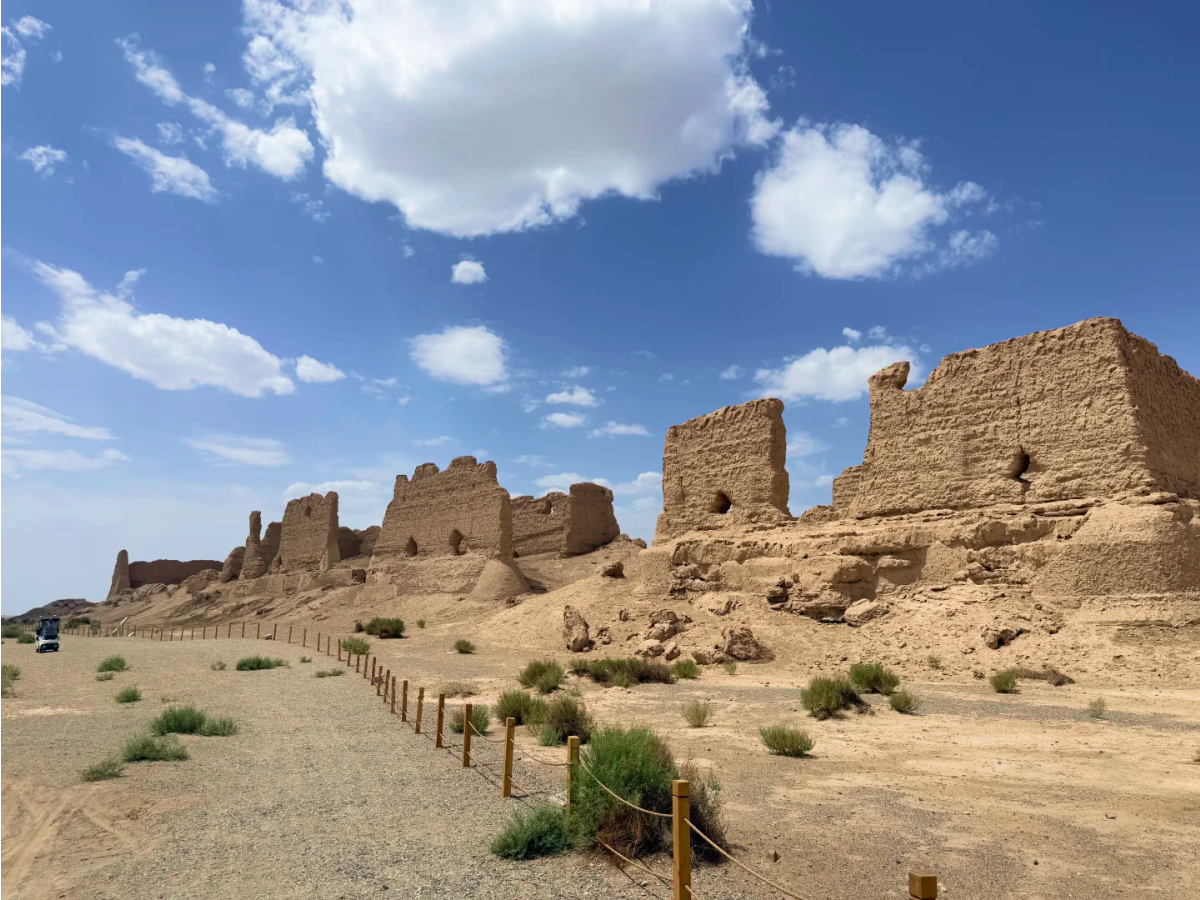
The launch center's name alone does not establish public access or make it an ordinary city attraction. Without a current official visitor notice confirming access and conditions, leave it outside your committed sightseeing plan. Keep a confirmed interest separate from a visit you merely hope will be possible.
With limited time: protect the Dunhuang visits that motivated the trip before adding another transfer and arrival routine. If Jiuquan is useful mainly for transport, you can assess it on that basis without inventing a sightseeing obligation. For conditions affecting your Dunhuang plans, consult planning around heat, light, and ticket timing rather than expanding this comparison into a separate scheduling guide.
Confirm Your Stops Before Booking
A Dunhuang–Jiuquan travel plan should identify exact stations and destinations before transport arrangements are finalized. Write the route using specific place names so that each transfer has a clear endpoint. Precision matters more than the number of stops on the itinerary.
Mark Exact Destinations on Maps
A useful map separates Dunhuang's attractions, Jiuquan's urban center, and the stations you are considering. That makes it easier to spot a connection that takes you away from your next priority or demands an extra ground transfer. Before booking, check the following details.
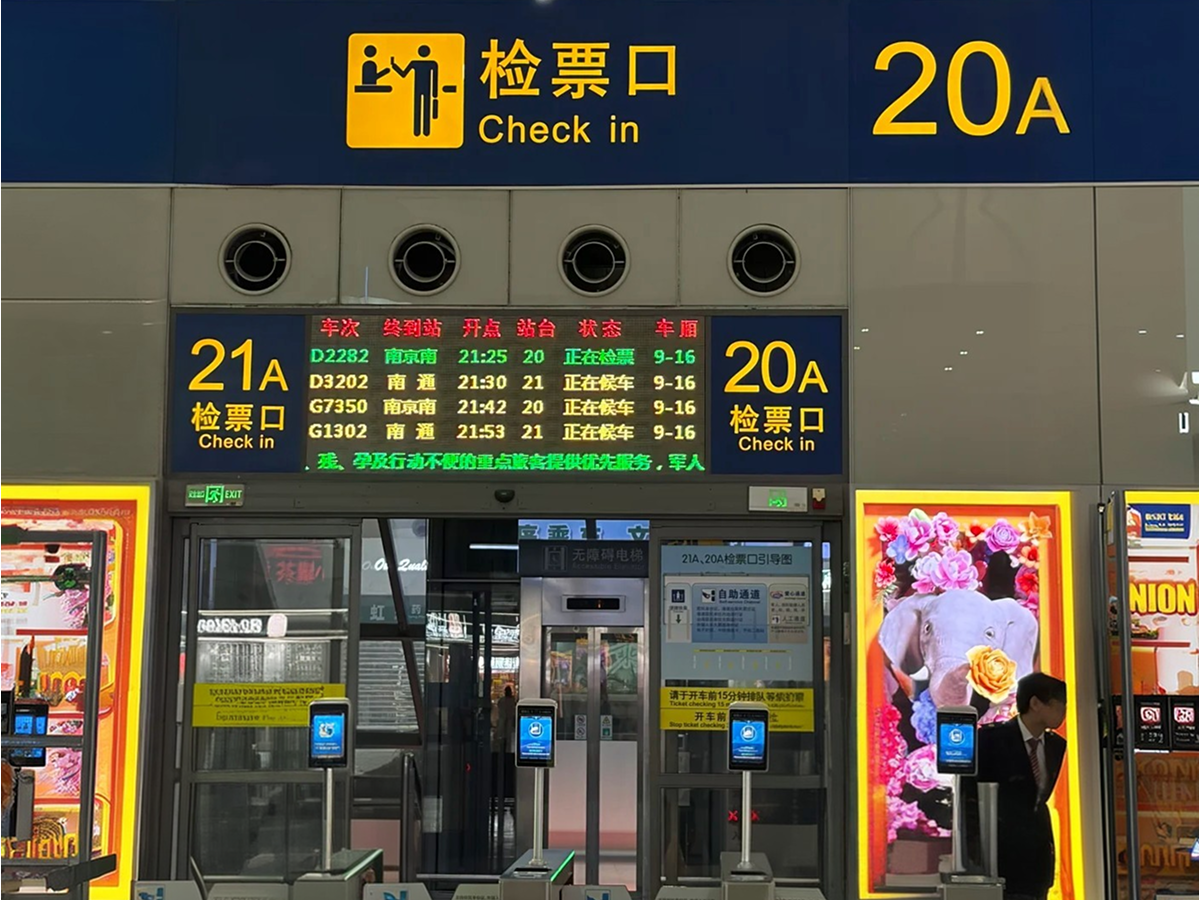
- The mapped destination matches the place you intend to visit.
- Station names match the current official transport listing.
- Each added stop has a sightseeing purpose or a verified connection.
- Ground transfers have enough flexibility for delays.
- Any attraction with uncertain access remains conditional until officially confirmed.
TravelToQin's guidance can help you distinguish the destinations and assess the trade-offs in a proposed route. It cannot guarantee a transport connection or visitor access to a restricted site. Use current official information as the authority when finalizing travel arrangements.
The useful starting details are your arrival point, onward destination, and the sights you most want to visit. Send those details, along with any mobility limits, through contact.