Dunhuang Tours: Mogao Caves, Desert Days, and How Many Nights You Actually Need
What This Page Covers (and What the Silk Road Article Explains)
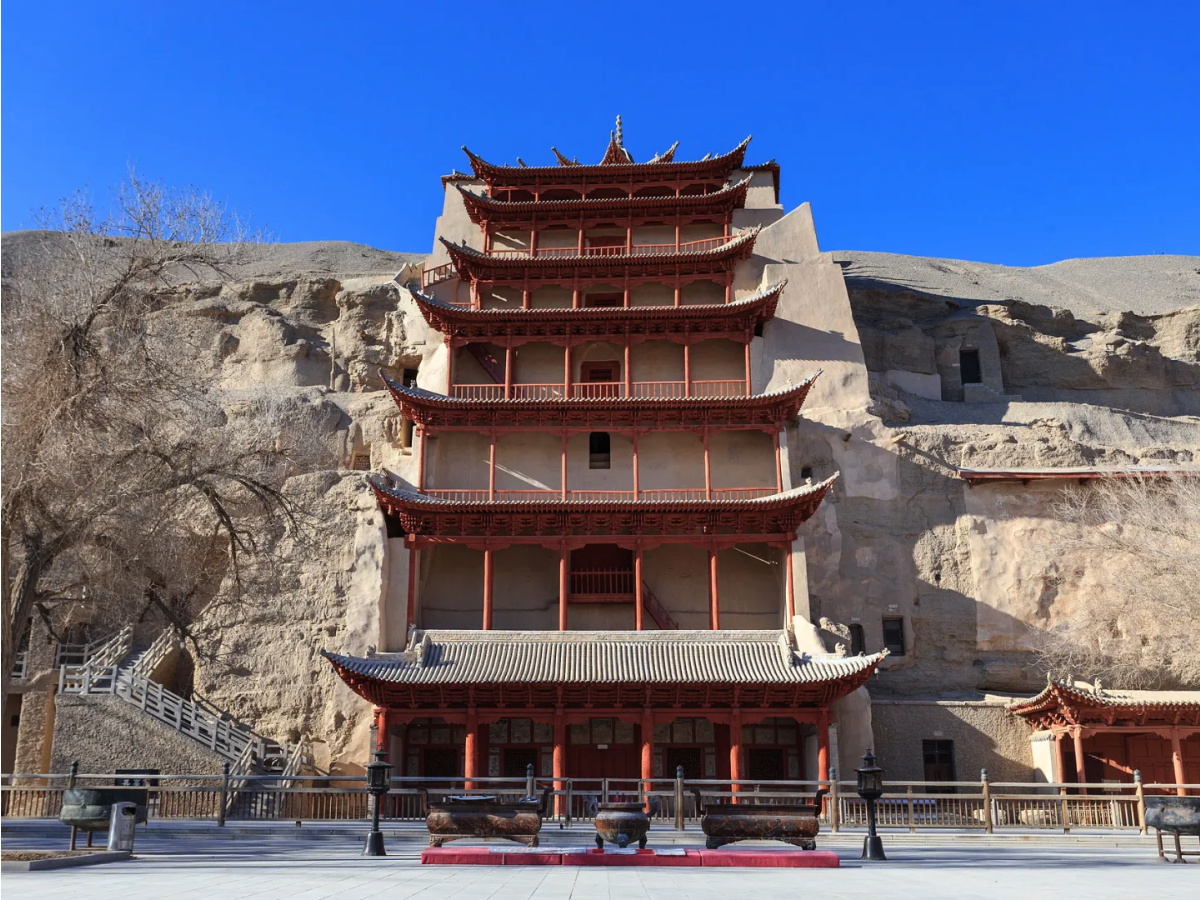
Dunhuang is a single city at the western end of the Hexi Corridor, but it carries enough sites that a one-day tour bus cannot cover them. The two anchor stops are the Mogao Caves, a UNESCO World Heritage Site about 25 km southeast of the city center, and the Mingsha Mountain and Crescent Lake park on the southern edge of the city. A third optional day covers the Western Route: the Yumen Pass, the Han Great Wall ruins at Yang Pass, and the Yulin Caves further west.
This page covers Dunhuang as a destination — how many nights, what the booking rules are, and what each day holds. The Silk Road private tour page covers Dunhuang as one stop in a longer Hexi Corridor trip, including the route west toward Kashgar and the route east toward Jiayuguan and Zhangye.
TravelToQin does not have a Dunhuang SKU on the standard product line. Dunhuang is built as custom private ground or as an add-on to a longer Silk Road trip.
Is Dunhuang Worth a Dedicated Trip?
Dunhuang is worth a dedicated trip for travelers who have already covered Beijing, Xi'an, and the standard Silk Road anchors and want the western corridor as a standalone arc. It is also worth a dedicated trip for travelers whose interest is specifically Buddhist cave art and Silk Road history.
It is not worth a dedicated trip for travelers who want a single desert photo, a "Silk Road" tag without the corridor context, or a one-night side trip from Jiayuguan. The city is too far from the standard China itinerary to treat as a tag; the corridor earns the trip.
How Many Days: 2D1N Minimum vs 3D2N Recommended
The honest night counts:
- 2 days 1 night. Day 1 morning at the Mogao Caves (a half-day block, real-name booking required). Day 1 late afternoon at Mingsha Mountain and Crescent Lake. Day 2 departure. Tight but workable if the morning flight or rail arrives before noon.
- 3 days 2 nights (recommended). Day 1 arrival and acclimate. Day 2 morning at the Mogao Caves, evening at Mingsha Mountain. Day 3 Western Route day (Yumen Pass, Yang Pass, Yulin Caves) or Dunhuang Museum morning, then departure.
One-day visits are not realistic. The Mogao Caves require a morning block at minimum; the Mingsha Mountain park wants late afternoon light; the Western Route needs a full day. A one-day tour bus covers the surface of the parks and one or two caves — it is not the trip.
Mogao Caves Tickets: Type A, Type B, and Booking Rules
The Mogao Caves ticketing system splits visitors into two main categories, and the booking rules shift every few years. The current year is what matters; check the Dunhuang Academy official site (the managing body) when booking. The general shape:
- Type A ticket. Includes the digital exhibition film at the visitor center (a 20-minute introduction film), a guided tour of roughly eight caves, and the cave-area walk. Bookable in advance for foreign visitors via the official channels and authorized resellers. Real-name registration against passport required.
- Type B ticket. Includes the digital exhibition film and a guided tour of roughly four caves. Lower price, shorter visit. Available on-site but real-name still applies.
The visitor experience starts at the Mogao Caves digital exhibition center, which is the actual entry point for tickets. The film gives historical context; the guided tour visits specific caves opened to the public on the day. Photography inside the caves is restricted; flash and tripods are not allowed in any cave.
Booking window: the official channels open roughly a week ahead for high season and longer in low season. Same-day tickets are sometimes available but should not be relied on. The Silk Road page covers how the booking is integrated into a longer corridor.
Mingsha Mountain and Crescent Lake: Timing and Tickets
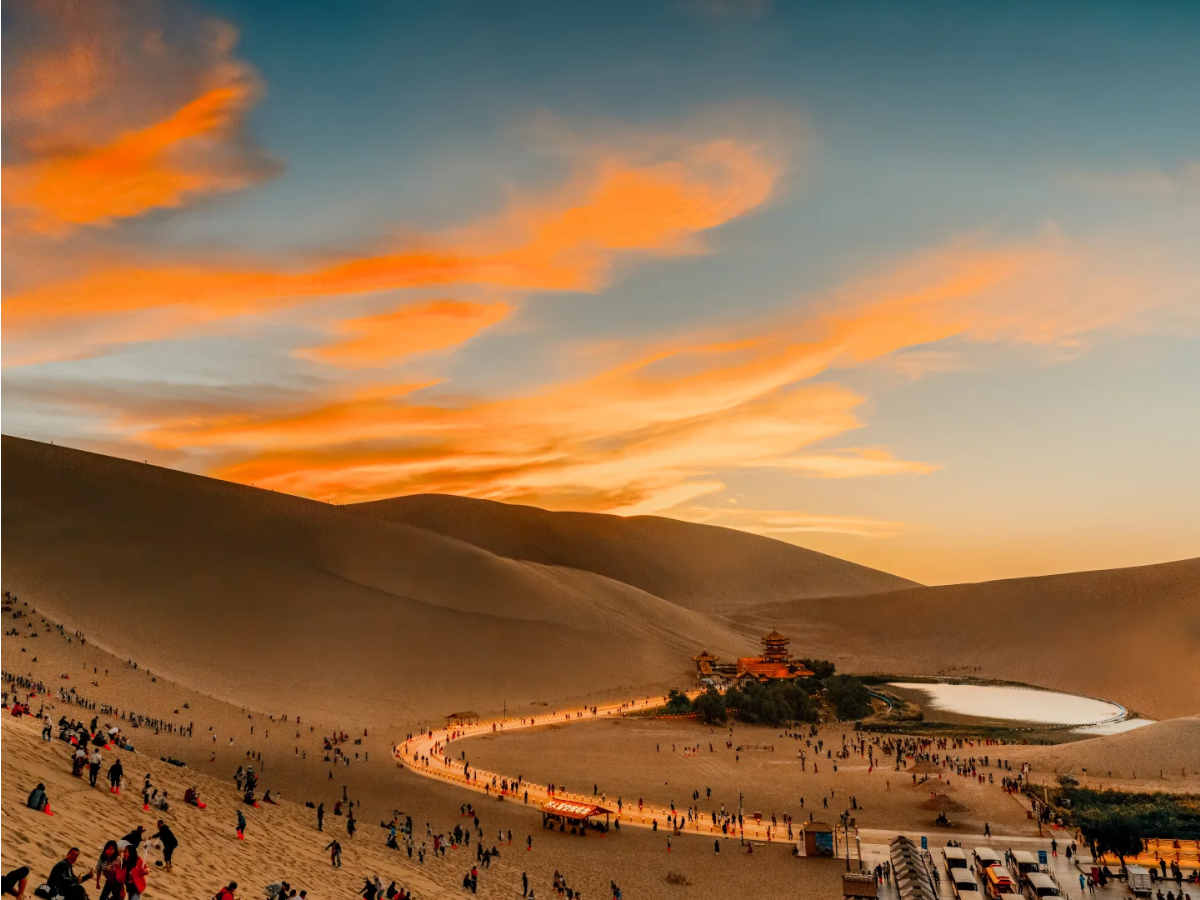
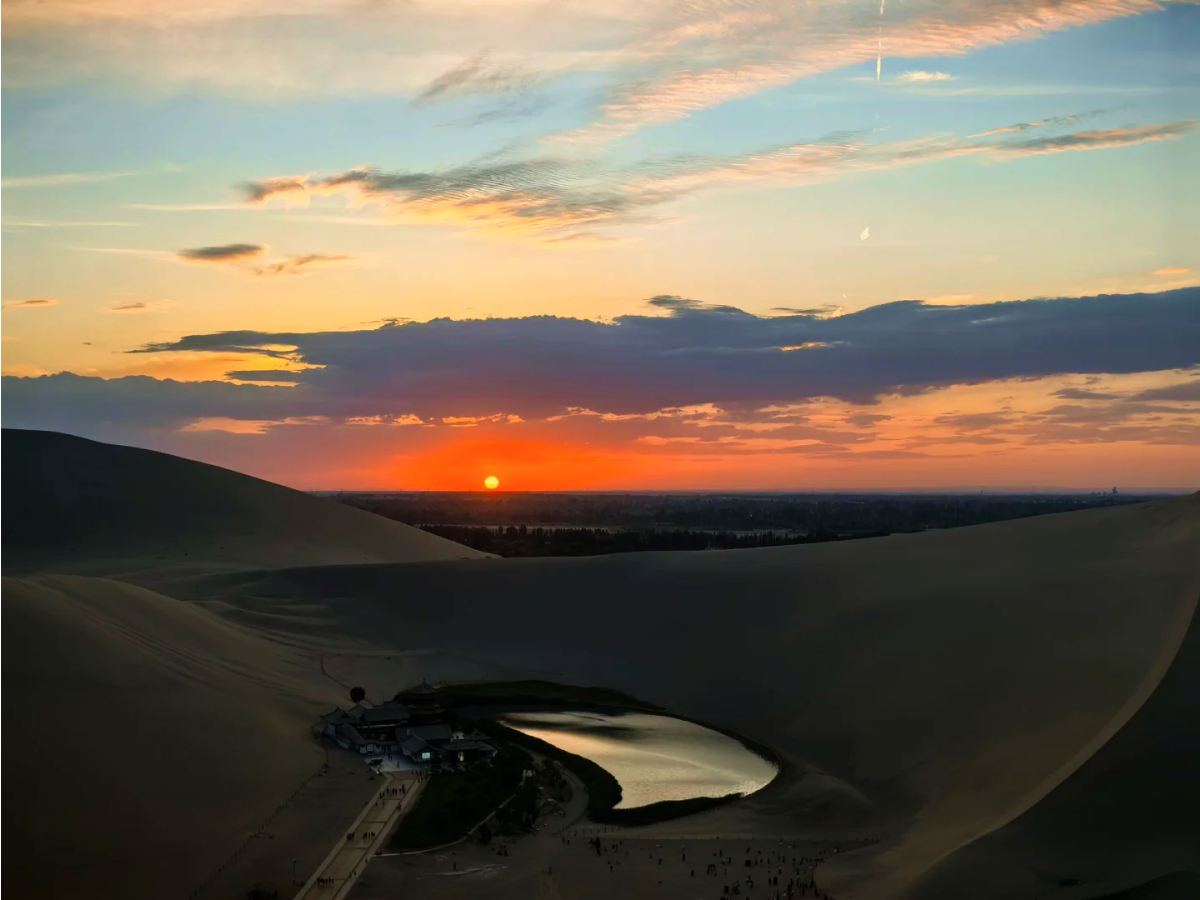
Mingsha Mountain and Crescent Lake is a park on the southern edge of Dunhuang city, reachable by taxi or a short ride. The park's appeal is the sand dunes and the small crescent-shaped spring at the base of the ridge. Camel rides and sand-sledding are available inside the park for an extra fee.
Timing matters here. Late afternoon light falls on the dunes; the morning light is harsher and the wind picks up across the dunes by mid-morning. Most private itineraries put Mingsha Mountain in the late afternoon, after the Mogao Caves morning and before the evening meal.
The park ticket is separate from the Mogao Caves ticket. Buy at the gate or in advance via the park's official channels.
Optional Day 3: Western Route or Dunhuang Museum
The Western Route runs about 200 km round-trip from Dunhuang city and covers three sites:
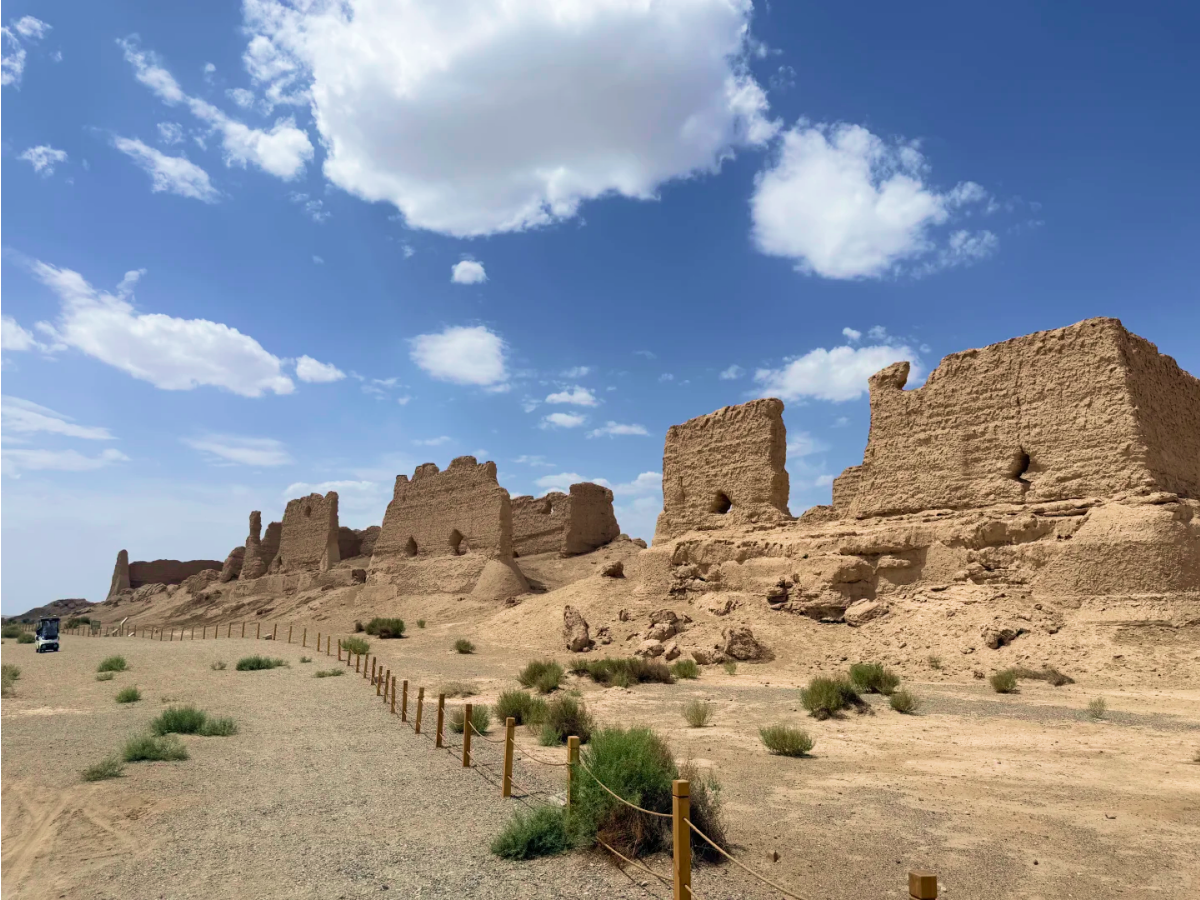
- Yumen Pass (Jade Gate). A Han dynasty frontier fortress at the western edge of the Hexi Corridor. Reached by a roughly 90-minute drive from Dunhuang.
- Han Great Wall at Yang Pass. The rammed-earth sections of the Great Wall built during the Han dynasty, predating the Ming walls. Distinct from the Beijing sections; built of rammed earth rather than brick.
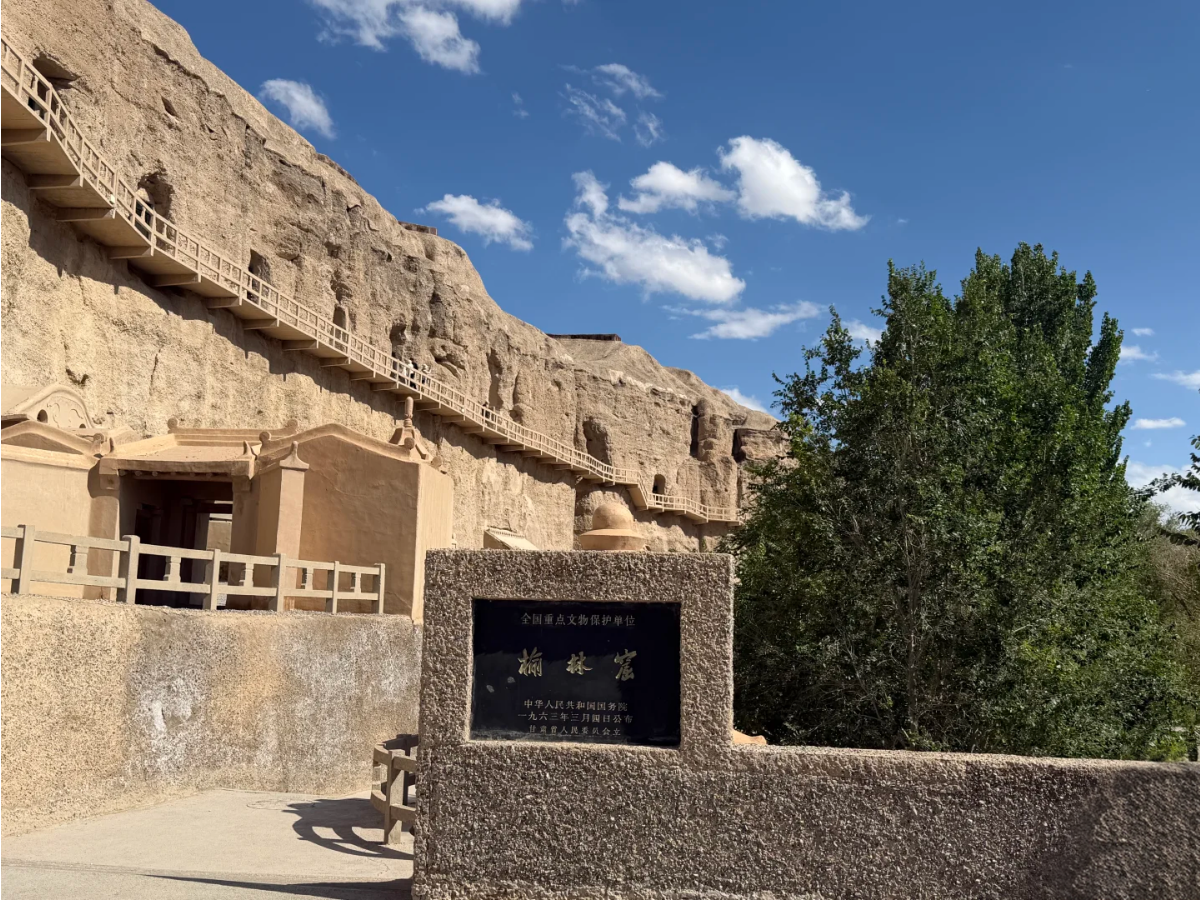
- Yulin Caves. Buddhist cave art about 150 km from Dunhuang, smaller and less visited than the Mogao Caves. Worth including for travelers focused on Buddhist cave art specifically.
The full Western Route fits in one long day, typically 8–10 hours including driving. For travelers who want a quieter Day 3, the Dunhuang Museum in the city covers Silk Road history in a half-day block and pairs with a relaxed lunch.
Season, Heat, and When Caves Close
Dunhuang's weather shapes the trip:
- Summer (June to August). Hot, dry, often above 35°C during the day. Caves and indoor sites remain comfortable; the desert park at midday is punishing.
- Shoulder seasons (April-May, September-October). The best windows. Mild daytime temperatures, soft afternoon light at Mingsha Mountain, fewer queues at the Mogao Caves.
- Winter (November to March). Cold, sometimes below freezing overnight. Some Western Route sites reduce operating hours; check the current year's schedule.
The Mogao Caves occasionally close individual caves for restoration, and the visitor pattern changes based on which caves are open. The day's guided tour reflects the current open list. Photography rules and cave allocations follow the official Dunhuang Academy announcements.
Getting to Dunhuang
Dunhuang has a small airport (DNH) with flights to and from Beijing, Xi'an, Lanzhou, and Urumqi. The city also sits on the Dunhuang railway branch off the Lanzhou-Xinjiang mainline, with overnight and daytime services to Jiayuguan and Lanzhou. From Jiayuguan, the drive east is about 4 hours.
For a private Silk Road trip, the typical pattern is fly in to Dunhuang, fly out to Urumqi or back to Beijing via Lanzhou or Xi'an, and drive the Hexi Corridor stops (Jiayuguan, Zhangye) as a multi-day arc rather than a single transfer day.
What TravelToQin Can Help With
Dunhuang is built as custom private ground. If the trip is a Silk Road corridor that includes Dunhuang, we book the Mogao Caves ticket against each passport, route the airport or rail transfer, and shape the days around the site's open hours. If Dunhuang is the destination on its own, we plan a 3-day-2-night arc with the Mogao Caves morning, the Mingsha Mountain evening, and the Western Route day as an option.
What we do not do: sell "Dunhuang one-day" tours from Jiayuguan, promise specific cave allocations in advance, or skip the booking-window verification at the official site. The trip is built around what the venue releases for the day.
What Must Be Verified Before Booking
- Current Mogao Caves ticket types and booking window on the Dunhuang Academy official site.
- Flight or rail availability to Dunhuang (DNH) for the date — direct flights are limited.
- Season and temperature for the date — summer afternoons at Mingsha Mountain require water and a hat.
- Whether the Western Route sites are open on the planned Day 3 — winter schedules differ.
Send the corridor dates and whether Dunhuang is a standalone arc or one stop on a longer Silk Road trip; we will return the day shape and the booking plan.
Quick Reference
- Minimum: 2D1N (tight). Recommended: 3D2N.
- Mogao Caves: real-name ticket, ~8 caves on Type A, ~4 caves on Type B. Visitor entry is the digital exhibition center, not the gate at the caves.
- Mingsha Mountain and Crescent Lake: late afternoon light, separate ticket, camel rides and sand-sledding optional.
- Western Route: full day, 200 km round-trip — Yumen Pass, Yang Pass, optional Yulin Caves.
- Best season: April-May and September-October.
- No standard TravelToQin SKU — built as custom private ground or as a Silk Road corridor add-on.