Chinese Dunhuang: Plan Around Heat, Light, and Ticket Timing
Dunhuang rewards travelers who plan around heat, light, and ticket timing. First-time China visitors often treat it as a quick desert photo stop, then lose half a day to the midday sun or a Mogao Caves slot that does not match their dune plan. The fix is sequencing, not adding more sights.
This article covers the two-day logic for chinese dunhuang as part of a longer western China route. It does not promise ticket outcomes or priority access.
First-Time China Visitors Need a Dunhuang Plan
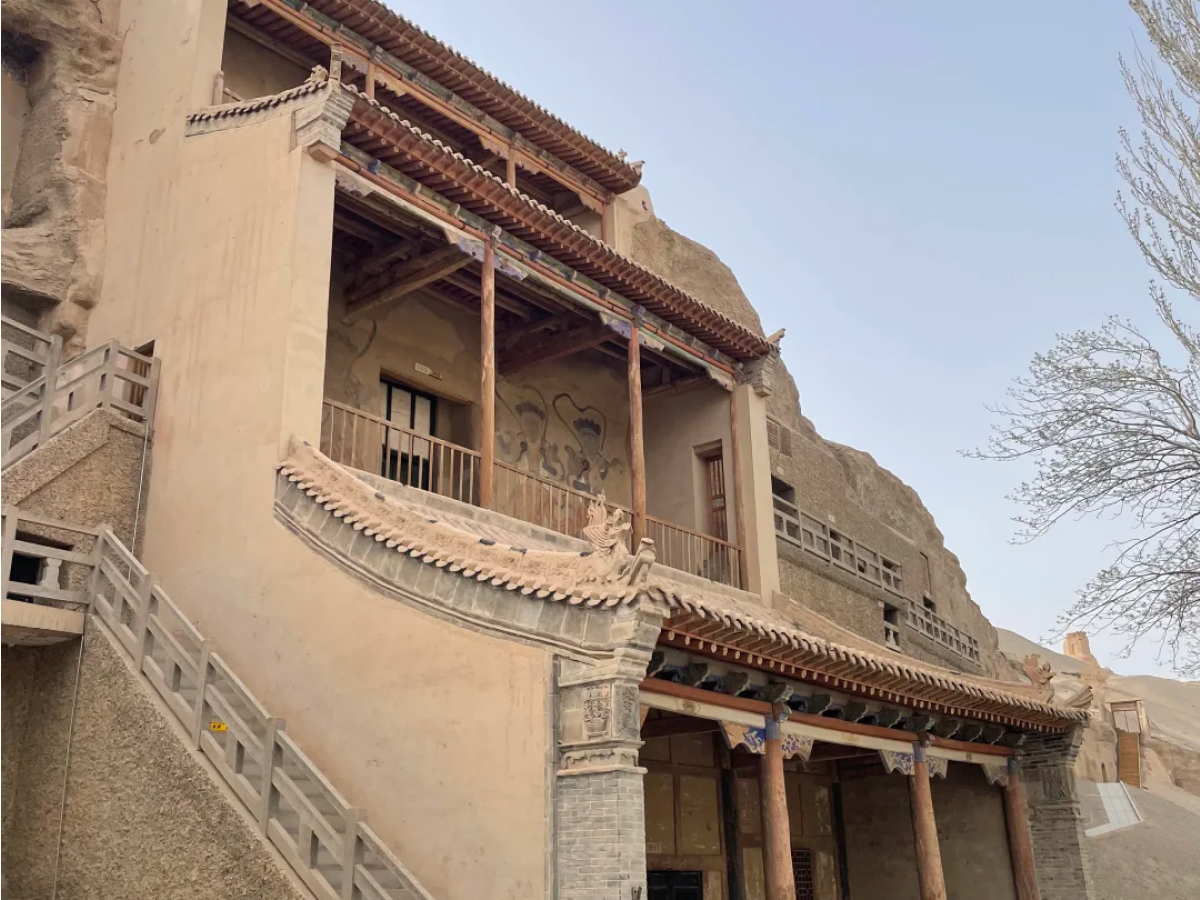
For first-time China visitors, Dunhuang works as a two-day desert stop only when the Mogao Caves timed entry and dune visits are sequenced around heat and light. You are not buying a list of attractions; you are buying a workable order for two very different sites.
- Mogao Caves: timed entry, indoor, cool, but you cannot choose your slot freely.
- Mingsha Mountain and Crescent Moon Spring: open dunes, best early or late, brutal at midday in summer.
- Transit: Dunhuang sits far from other major stops, so arrival and departure times shape what you can fit.
A private ground team can arrange the sequence and pacing, but not official ticket outcomes. That is the honest boundary for any Dunhuang plan.
Mogao Caves Booking Shapes Your Day
Mogao Caves requires advance timed-entry booking, and availability is not guaranteed, so the assigned entry slot dictates the rest of the day's sequence. You plan around the slot, not the other way around.
If your slot is early, you can do the caves first and the dunes late afternoon. If your slot is midday, you need a cool indoor buffer or a long lunch, then the dunes after the heat breaks. A late slot pushes the dunes to the next morning.
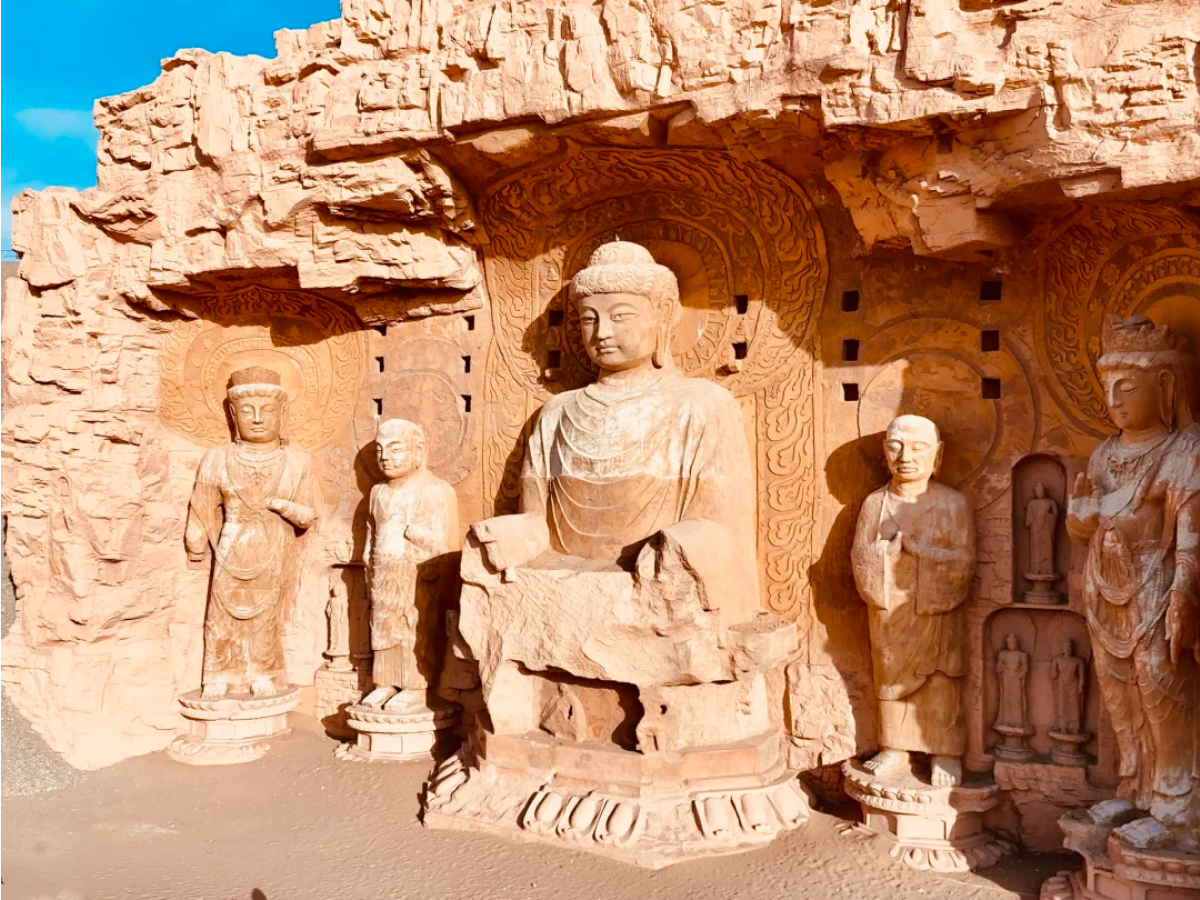
- Check the official Mogao Caves visitor platform for current booking windows and entry rules.
- Do not assume same-day tickets or flexible entry times.
- Have a backup plan for the hours around your assigned slot.
Dune Timing Avoids Heat and Crowds
The best dune visits are early morning or late afternoon to avoid midday heat and crowds, with late afternoon also offering cooler light for photography. Mingsha Mountain is sand and sun; there is little shade on the dunes themselves.
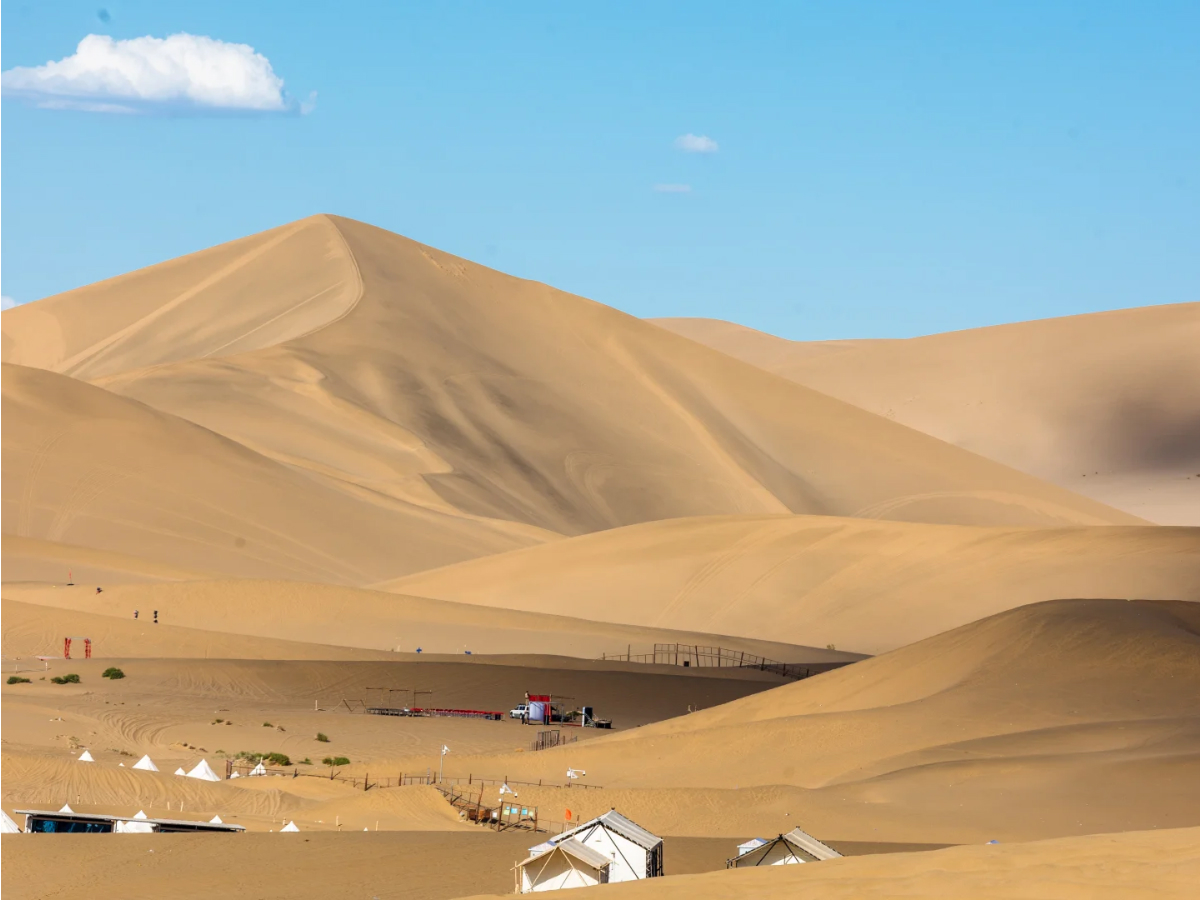
Early morning: cooler sand, fewer people, but you may need to leave before the light gets harsh. Late afternoon: softer light, sunset potential, but more visitors and a rush to leave before dark.
If you only have one full day, pair an early Mogao Caves slot with a late afternoon dune visit. That is the cleanest two-site day in Dunhuang.
Dunhuang Fits a Wider Silk Road Route
Dunhuang works as a two-day stop within a longer Silk Road or western China route, but private ground services can only arrange sequence and pacing, not official ticket outcomes. You need a route that gives Dunhuang two nights, not a rushed overnight between trains.
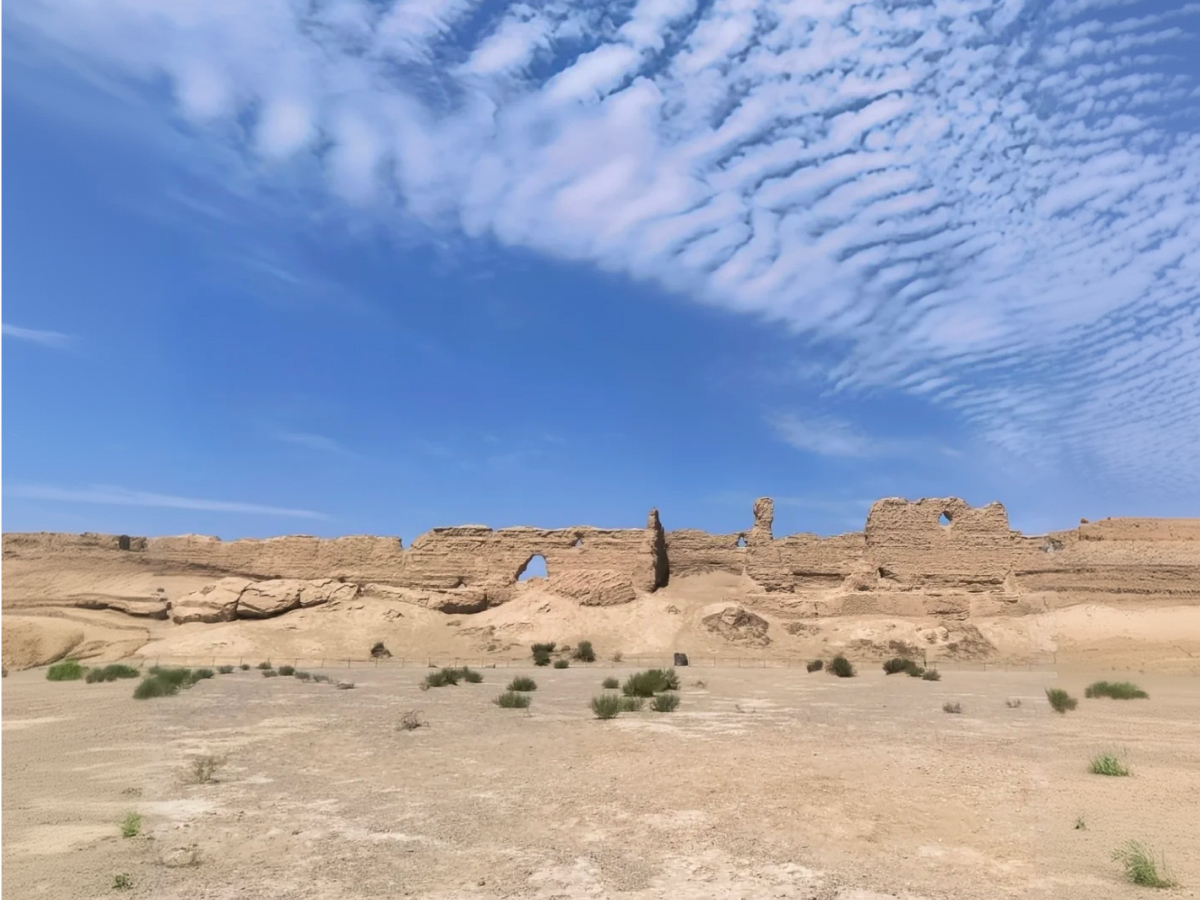
TravelToQin does not currently publish a fixed Dunhuang itinerary, so we will not invent one. For more on how many nights Dunhuang actually needs, read Dunhuang Tours: Mogao Caves, Desert Days, and How Many Nights You Actually Need.
If you are already planning a longer western China loop, a private team can help with the ground sequence once your tickets are confirmed. That is context, not a tour script.
Check Official Sources Before You Go
Before departure, verify Mogao Caves booking rules, dune opening hours, and seasonal weather on official platforms, as these change and affect your plan. Dunhuang summers are hot; shoulder seasons are cooler but can be windy.
- Confirm your Mogao Caves entry slot and any visitor limits on the official site.
- Check Mingsha Mountain opening hours and any seasonal adjustments.
- Look at the local sunset time for your travel dates, then plan the dune visit backward from that.
We cannot create extra tickets or change official rules. Send your confirmed dates and slot through contact, and we can help you build the day around them.