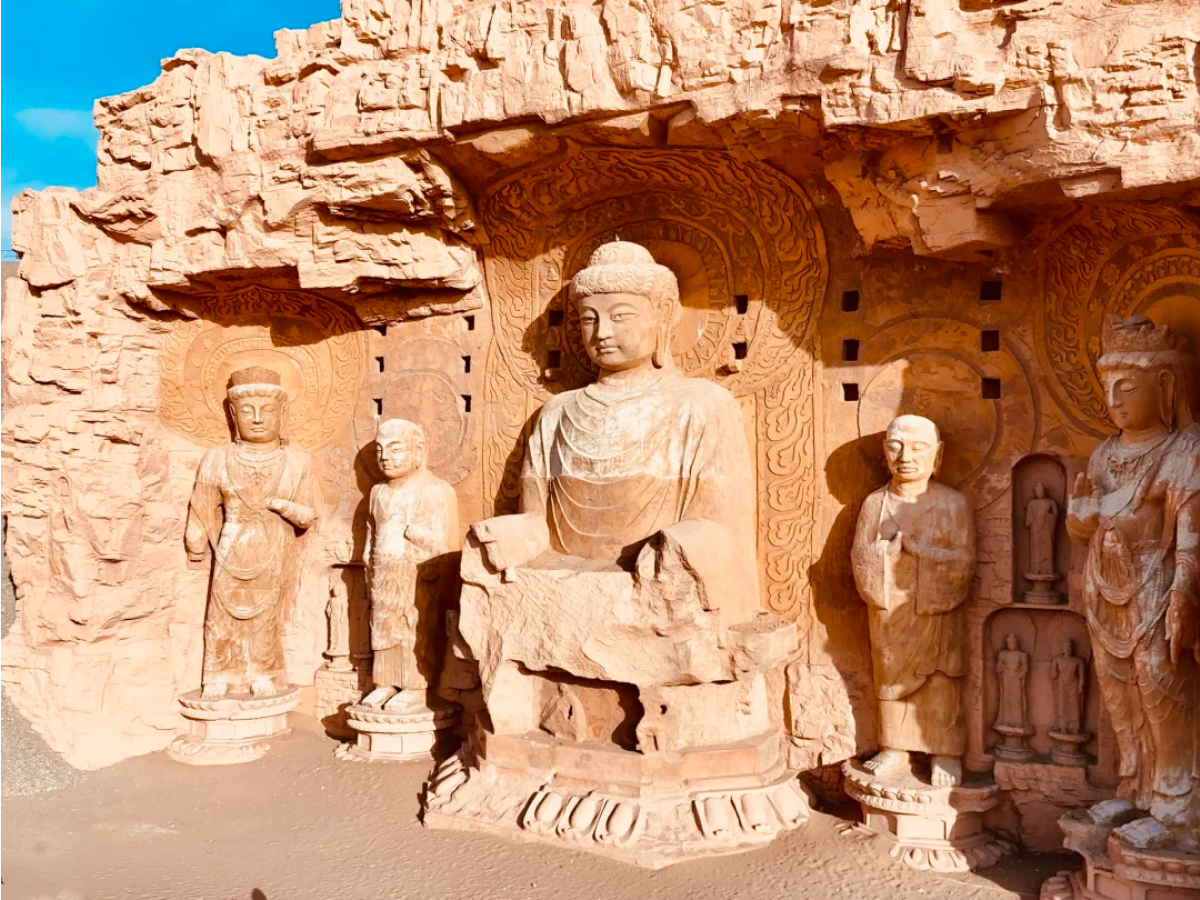
Dunhuang City: Decide Whether the Detour Is Worthwhile
dunhuang city merits a dedicated stop on a first China trip if Buddhist cave art and desert landscapes justify the extra travel, and official Mogao Caves availability fits your dates. If you mainly want another convenient city stop, leave Dunhuang for a trip with more room in western China. The common mistake is to decide on the destination first and treat cave admission, desert conditions, and onward transport as details to solve afterward.
Is Dunhuang City Worth the Detour?
Dunhuang city rewards travelers with a specific interest in Buddhist cave art and desert landscapes more than travelers seeking a convenient extra city stop. You need enough interest in those experiences to accept the additional travel and leave space around the visits. A famous name alone is a weak reason to stretch an already crowded first China trip.
Use your interests to make the first decision before comparing transport options.
- Cave art: Dunhuang makes sense if the Mogao Caves are a central reason for choosing this part of China.
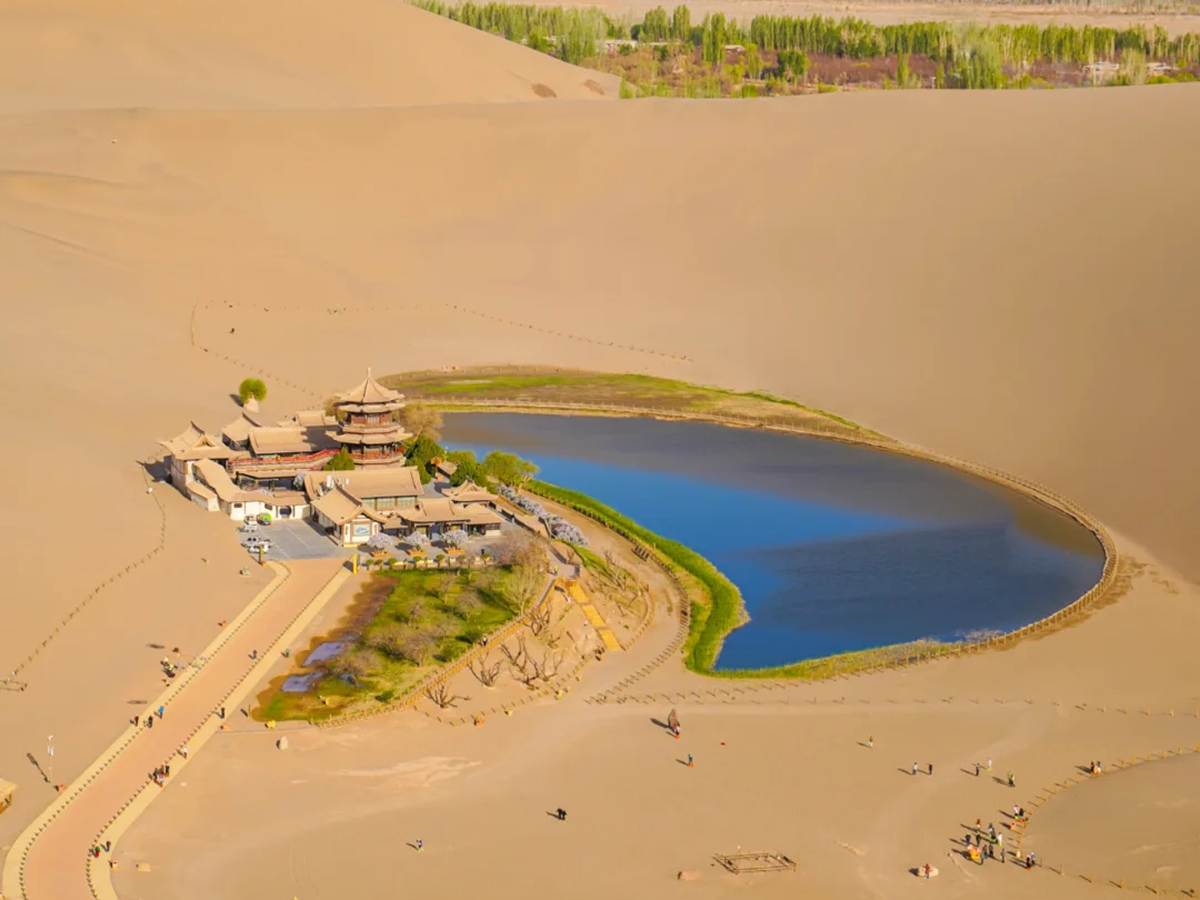
- Desert landscapes: Mingsha Mountain and Crescent Spring add a different setting, provided you can adjust your visit to weather and access conditions.
- Limited holiday time: Keep Dunhuang off the route if reaching it would squeeze the places you care about most.
- Flexible western route: Give Dunhuang stronger consideration when you are already planning travel through the Hexi Corridor.
The strongest case combines a clear interest with a workable route. TravelToQin has no direct Dunhuang product, so the destination decision here should not be read as an offer of a local itinerary or bookable services.
Geography Determines the Detour
Dunhuang lies in western Gansu, making the Hexi Corridor the relevant geographic framework for assessing a Silk Road extension. That position makes Dunhuang easier to understand within a western China route than as a casual addition to Beijing or Shanghai. Geographic coherence still needs checking against the transport actually available for your dates.
Connections Need Individual Checks
Lanzhou, Xi'an, and Urumqi are places to investigate when comparing connections; their names on a map do not establish a convenient flight or rail service. Check the operating route, the arrival airport or station, and the onward leg together. A connection that gets you to Dunhuang but leaves an awkward departure can undermine the whole stop.
Corridor Stops Need Separate Decisions
Jiayuguan and Zhangye share the Hexi Corridor context, while Qinghai Lake adds a different geographic direction. Each extra stop needs its own transport check and a reason to take time away from Dunhuang. Keep the route focused when adding another place would leave the Mogao Caves and desert dependent on tightly packed transfers.
Mogao Availability Shapes the Decision
Mogao Caves access is governed by official reservation rules and visitor limits, which travelers must verify before committing to a Dunhuang detour. Advance reservation belongs near the start of your planning, especially when the caves are the main reason for going. Your preferred sightseeing order must fit the official options available.
Before committing to transport and accommodation, check the following through official Mogao Caves channels.
- Confirm the reservation procedure and the visit options available for your intended dates.
- Read the entry instructions, required documentation, and arrival arrangements attached to the reservation.
- Check current cave photography restrictions before deciding what equipment to carry.
- Review the applicable change or cancellation conditions before relying on a provisional plan.
Confirmed access is a planning anchor, not a promise of your preferred caves or freedom from queues. If official availability does not fit, reconsider the dates or the detour itself rather than assuming an intermediary can bypass the system. A desert visit may still interest you, but it changes the basis of the decision.
Dunhuang Needs Room Between Visits
Dunhuang's Mogao Caves, Mingsha Mountain and Crescent Spring, and oasis town require different scheduling considerations. Protect a substantial daytime window for the cave visit, then keep the desert flexible around conditions. Arrival and departure time should not be counted as dependable sightseeing time.
- Mogao Caves: Build around the confirmed visit arrangements and leave room for the associated access procedures.
- Desert conditions: Consider dawn or dusk only where current opening arrangements permit; check weather and temperature before committing.
- Oasis town: Use a town walk or meal as breathing space between the more demanding visits, without turning every gap into another attraction.
The useful sequence gives each setting its own attention and reduces exposure to midday heat; cooler visiting hours do not guarantee lighter crowds. For the practical timing detail, use planning Dunhuang around heat, light, and tickets. If desert light is a particular interest, consider an independently verified local guide who can help assess changing conditions, without assuming guiding includes transport or attraction admission.
Verify Connections Before Committing
A workable Dunhuang stop depends on compatible arrival transport, official Mogao Caves availability, and an onward connection that allows realistic transfer buffers. Assess the whole stop before booking separate pieces. A nominally possible connection is a poor choice if ordinary delays would cost you the experience that justified coming.
Use this final check to decide whether the proposed stop is ready to book.
- Read the exact airport or station name; Dunhuang Airport and Dunhuang Railway Station are different arrival points.
- Check the location and onward transfer requirements of any alternative station before accepting it.
- Allow road-transfer buffers for peak-period congestion rather than relying on the shortest map estimate.
- Recheck official transport information, attraction access arrangements, and weather close to departure.
Keep the stop only when those pieces fit without consuming the time intended for the caves and desert. For the separate question of how much time to allocate, read Dunhuang stay-length and pacing guidance; that article is planning information, not evidence of a bookable product.
TravelToQin can help you discuss where Dunhuang might fit within your wider China plans. We have no direct Dunhuang product and cannot promise local services, ticket availability, queue bypass, or special cave access.
Share your intended China stops, travel dates, and whether cave art or desert landscapes matter most through contact.