Dun Huang Noodles: Understand the Dishes and Local Traditions
dun huang noodles are a range of noodle dishes rather than one standard dish with a single recipe. The useful distinction is between the noodles themselves, their accompaniments, and any broth or sauce. Expecting every order to arrive as the same bowl of soup makes choosing harder; start with the preparation and flavors you enjoy.
Dun Huang Noodles Span Several Dishes
Dunhuang noodles describe a range of noodle dishes rather than one standardized recipe. Wheat noodles are an established part of food culture in this part of northwestern China, but a regional label does not tell you everything about the plate. A useful description separates the dough from the way the finished noodles are served.
You will make a better choice by looking for the following distinctions on a menu or asking the person taking your order.
- Noodle style: A name may describe the noodles’ appearance or how the dough is worked, without identifying the whole meal.
- Accompaniments: Meat and vegetables may be part of the dish or served alongside it; confirm how the particular order arrives.
- Soup or sauce: A broth-based dish offers a different eating experience from noodles mixed with a topping.
Preparation is the better guide to your meal. A familiar English translation can help you start, but the description of the actual dish matters more than a broad regional name.
Names Reveal Different Noodle Styles
Dunhuang noodle descriptions need to distinguish the noodles, accompanying meat or vegetables, and any soup or sauce. Donkey meat yellow noodles, pulled noodles, and sour soup noodles give you useful starting points, though they should not be treated as an exhaustive menu. These names also describe different things: an accompaniment, a preparation method, or a broth.
Donkey Meat Yellow Noodles
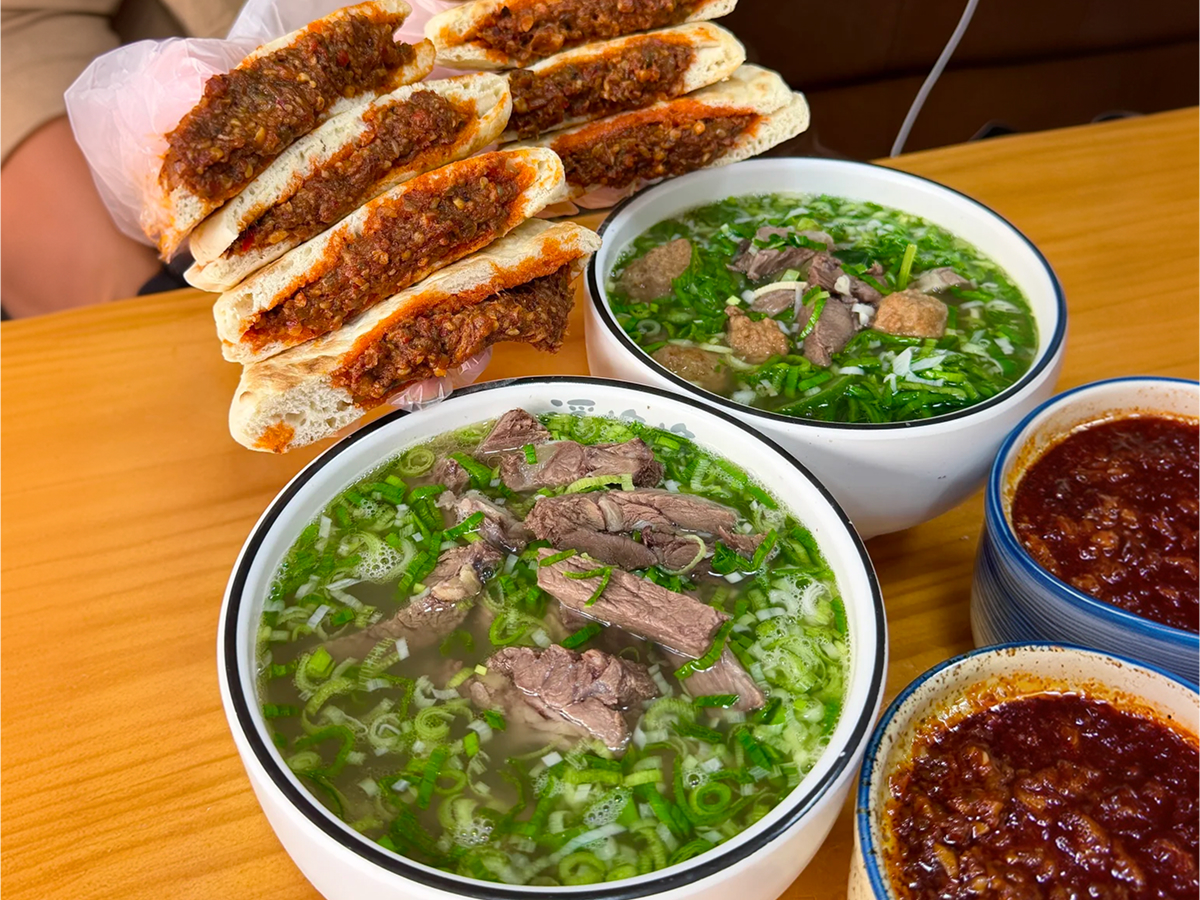
Donkey meat yellow noodles are associated with Dunhuang, and the name identifies both the meat and the yellow noodles. Do not assume the meat will arrive as a topping in a soup bowl; ask how the noodles and meat are served together. Choose this dish if you specifically want to try donkey meat, rather than ordering it only because the noodle name sounds familiar.
Latiaozi and Pulled Noodles
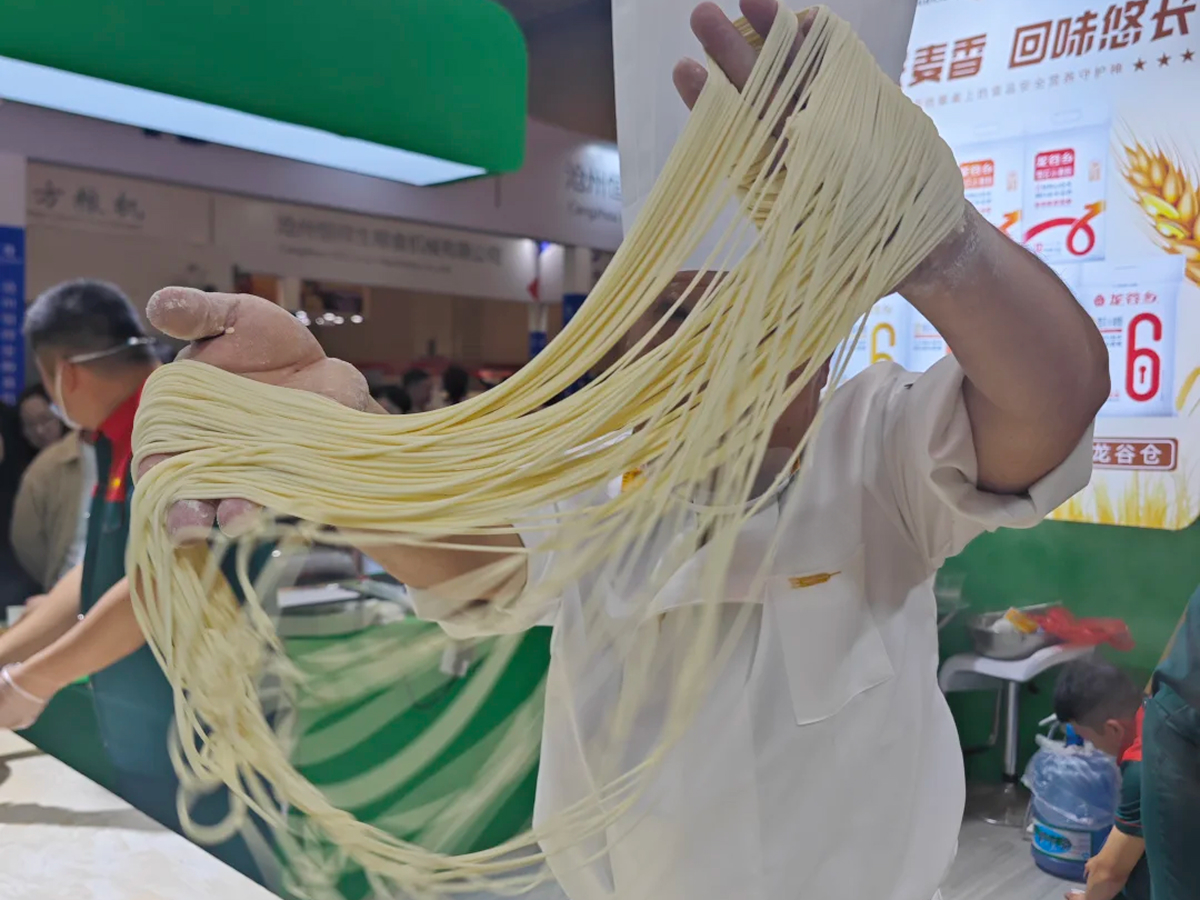
Latiaozi refers to a hand-pulled noodle style found across parts of northwestern China, so its presence on a Dunhuang menu does not make it exclusive to the city. Pulling the dough produces strands with a different feel from thin, cut noodles, while the final texture still depends on preparation and cooking. If you prefer a substantial noodle with some chew, ask about the strand thickness and what accompanies it.
Jiangshui and Sour Broths
Jiangshui noodle dishes use a sour liquid associated with fermented vegetables, although preparation varies across northwestern China. Sourness is a separate characteristic from chili heat; a sour broth does not tell you whether a particular bowl will be spicy. This style suits you if you enjoy tangy flavors, but check the vendor’s version before choosing it as a mild option.
Wheat Claims Need Local Evidence
Claims that Dunhuang wheat varieties or water give local noodles a distinctive texture require supporting evidence. The supplied material does not establish a particular local wheat variety or a verified effect of local water. Those explanations should not determine what you order.
Flour, dough preparation, shaping, and cooking all affect wheat noodles, but a finished bowl cannot reveal the origin of every ingredient. For your meal, the following observations are more useful than an unsupported story about local growing conditions.
- Ask whether the noodles are pulled or cut if the menu description is unclear.
- Look at a finished serving to judge whether the strands appear thin or substantial.
- Tell the vendor if you prefer softer noodles rather than a firmer bite.
- Treat visible dough preparation as information about technique, not proof of ingredient origin.
Texture is a practical preference. You do not need a claim about special water to decide whether a particular noodle style suits you.
Menus Matter More Than Venue
A Dunhuang eatery or night market setting alone does not establish which noodle dishes a vendor serves. Both are reasonable places to look, but neither guarantees the full range of styles described here. Choose a vendor whose actual dishes match your preferences.
Local Eateries and Night Markets
Local eateries: An eatery with a clear noodle menu can make it easier to compare preparations and ask about accompaniments. Visible preparation helps you understand the shaping method, when the work area is in view. It does not establish that every item on the menu uses the same noodles.
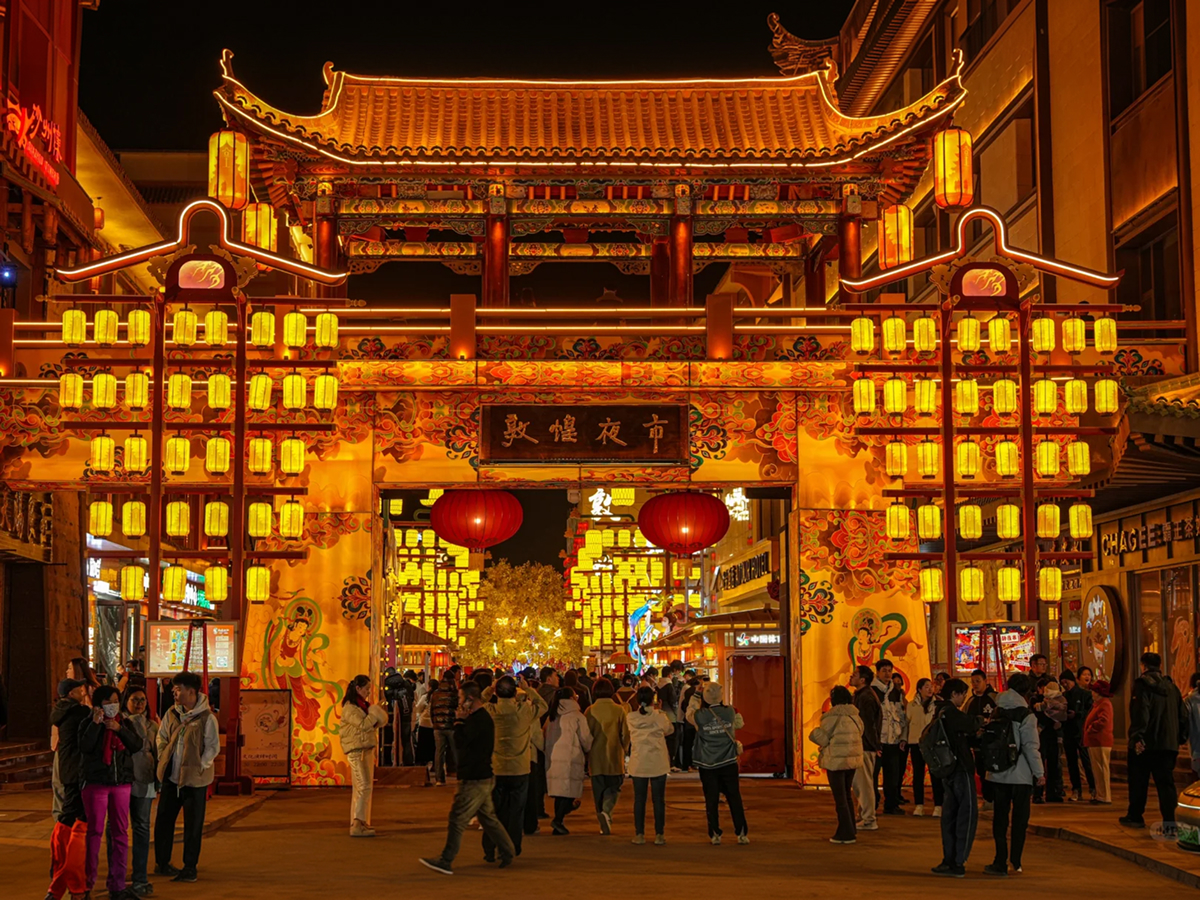
Night markets: A market can let you compare what different vendors are serving before committing to a meal. Look at the menu and finished dishes rather than choosing solely because a stall attracts attention. If you need detailed ingredient answers, prioritize somewhere you can communicate clearly.
A clear menu is a stronger reason to stop than the setting alone. For the wider sightseeing context, use the Dunhuang planning guide; choosing noodles does not require changing your day around a supposedly definitive venue.
Check Ingredients Before You Order
Ordering Dunhuang noodles starts with confirming ingredients and preparation rather than assuming every bowl has the same broth, toppings, or portion size. A short conversation is usually more useful than trying to decode the dish name alone. Work through the details that would change your choice.
- Confirm meat and broth: Ask what meat accompanies the noodles and whether the broth or sauce contains animal ingredients. A vegetable topping alone does not establish that the dish is vegetarian.
- Separate sourness from heat: Check whether chili is already incorporated or can be added separately. Choosing a sour soup does not settle the spice question.
- Check the serving: Ask about portion size before adding other food, particularly if you want to sample more than one dish.
- Clarify side dishes: Find out which accompaniments are included and which require a separate order. Choose sides after you understand what comes with the noodles.
Ingredient clarity matters more than ordering the most recognizable name. If you have an allergy or strict dietary requirement, a vague answer is a reason to choose another dish; looking at the bowl cannot establish everything used in its preparation.
TravelToQin’s wider Dunhuang guide can help you place a food stop within your destination planning. We cannot guarantee what an individual vendor will serve or confirm a kitchen’s ingredients on its behalf.
For help identifying what still needs checking, send your food preferences, dietary restrictions, and the noodle styles you are considering through contact.