Beijing Subway: Choose Easy Rides Without Overwhelm
Use the beijing subway selectively for manageable independent trips, while keeping scheduled private transfers for demanding sightseeing days, luggage, and tight connections. Rail can bypass road congestion, but the fastest train route may still involve tiring station walks and awkward transfers. Your best first ride is one with a clear destination entrance, a manageable return, and enough energy left to enjoy the outing.
Use Beijing Subway Selectively
The Beijing subway suits independent exploration when the complete journey is manageable and the traveler has energy for station walking. Choose by the whole route rather than the number of stops; a short ride can still require substantial walking between your hotel, platforms, and destination.
- Walking: Include the approach to the station, movement inside it, and the walk from your destination station to the actual visitor entrance.
- Transfers: A direct route is generally easier for a first outing than changing lines, especially when you are still learning station signs.
- Return: Check the trip back before committing to dinner or an evening walk; the outward route alone does not establish a comfortable outing.
- Energy: Keep a car transfer when stairs, standing, or navigating crowds would use up the energy you need for sightseeing.
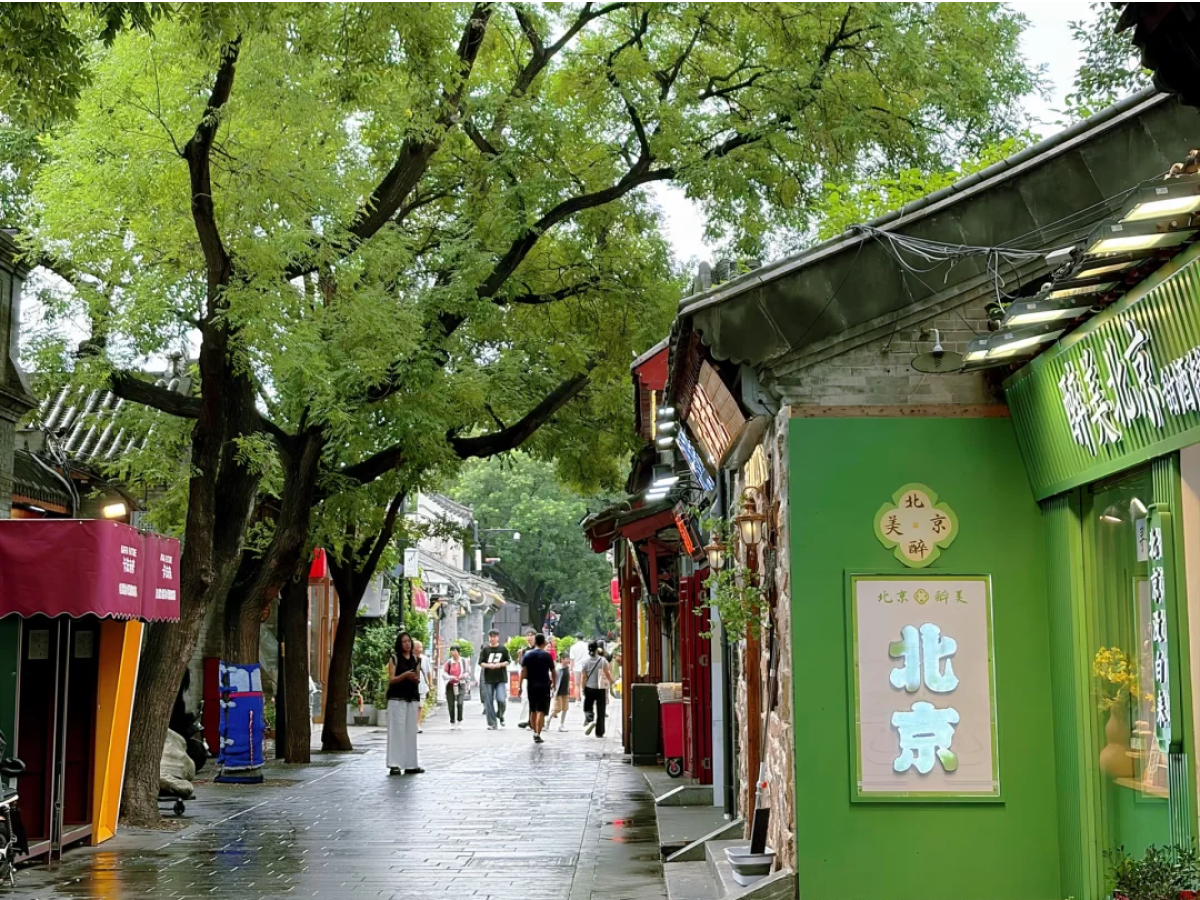
A direct ride to an independent walk can be a sensible introduction. For an outing around the old city, choose your walking area using the Beijing hutongs guide, then check the transport route separately. A familiar destination and a flexible return make a better first attempt than a cross-city sightseeing circuit.
Prepare Before Entering The Station
Beijing subway planning requires checking the specific route and current official operating and entry information before travel. Settle the basics at your hotel, where you can compare options without holding up a queue. Use the following checks before leaving.
Check Lines And Operating Hours
- Find your starting station and destination on the current official network map.
- Check the operating information for the lines and direction you need, including your return.
- Confirm current ticketing options and an available payment method before relying on either.
- Review official station security guidance and allow time for entry procedures.
Confirm Ticket And Payment Options
Yikatong and mobile payment are options to investigate, not assumptions to build your day around. Verify current setup requirements and overseas visitor eligibility through official channels; an app installed on your phone does not establish that payment is ready. Once inside, keep your ticket or payment method accessible and follow the signs through entry and exit gates.
Stations Are Only Partway There
A Beijing subway station near Tian'anmen Square or the Forbidden City does not establish access to the attraction's visitor entrance. Plan around the permitted entrance first, then choose the station and exit that fit it. Geographic proximity alone is a poor basis for a timed sightseeing visit.

Check Tian'anmen East And West
Tian'anmen East and Tian'anmen West are station candidates for the Tian'anmen area, but neither name guarantees a direct approach to your intended entrance. Check current official attraction access, reservation requirements, and any station or pedestrian restrictions before departure. Keep attraction admission and subway travel as separate planning tasks.
Match Qianmen To Your Destination
Qianmen is another candidate when your destination is around the southern side of the Tian'anmen area or Qianmen itself. Match the exit to the specific place you intend to visit rather than using the station as a general shortcut to every central landmark. Save the destination name and entrance information together so your navigation app points toward a usable approach.
Avoid Commuter Crowds When Possible
Weekday commuting periods are a poor default for a first Beijing subway ride when comfort is the priority. Move discretionary outings away from the morning and evening commute where possible, while remembering that evenings and weekends can also be crowded. Make the departure decision in this order.
- Flexible outing: Shift your departure if the trip overlaps the weekday commute, especially when you can eat or walk near your hotel first.
- Fixed commitment: Compare the full subway route with a car transfer, including access walks and the consequences of arriving late.
- Tired traveler: Choose the option that limits standing and station changes, even when the train portion looks quicker.
- Road alternative: Allow a generous traffic buffer during commuting periods; changing to a car does not remove congestion.
For a first ride, flexibility is more useful than an ambitious route. Avoid attaching an unfamiliar subway trip to a tight connection or a reservation with little arrival margin. A relaxed outing gives you room to pause, ask for help, or change plans.
Keep Subway Trips Outside Tour Commitments
The Beijing 7D6N Tour and Beijing 6D5N Tour explicitly include evening self-exploration on Day 1 after the airport transfer. That is a possible window for an optional subway outing if you arrive rested and current operating information supports the return. Arrival fatigue is a good reason to stay near your hotel instead.
Arrival evening: The seven-day Beijing 7D6N Tour and six-day Beijing 6D5N Tour both place this independent time after airport pickup and the hotel transfer. Free time and transfer arrangements vary by itinerary. Neither arrival block establishes subway travel as an included service.
Both itineraries combine Mutianyu Great Wall and the Summer Palace on Day 3; keep the scheduled transport for that demanding sightseeing day. For the surrounding day structure, consult the Beijing six-day itinerary guide rather than adding another excursion. A short optional ride belongs within genuine free time and should never replace an arranged pickup without coordination.

Save Your Route Before Leaving
A first Beijing subway outing is easier to manage with the destination entrance, return route, and payment method checked before departure. English signage can help you follow station names and directions, while a navigation app helps connect the station with your actual destination. Save these details before leaving the hotel.
- Keep station names in English and Chinese, with the intended exits and destination entrance.
- Save the route and your hotel address so you can show them if you need help.
- Carry your passport in case identification is requested; this does not mean every ride requires a passport check.
- Confirm the return route and current official operating information before extending your evening.
TravelToQin can help you identify genuine independent time within the anchored itineraries and discuss how an optional outing fits around scheduled transfers. We cannot guarantee crowd levels, station access, or attraction admission, and current official information should determine your final route.
Your hotel area and tolerance for station walking matter more than a long list of places you hope to reach. Send your Beijing dates, hotel area, walking limits, and intended outing through contact.