Xinjiang Yili Loop 8 Days 7 Nights Tour: Sayram, Tekesi, Nalati
Eight days in Xinjiang is enough for one ridge. The Yili loop runs the grasslands and lakes of the northwestern Tianshan corridor; it does not include Kanas or the northern Altai. Mixing the two into one trip compresses both, and the driving days become the trip.
This page is for private ground. We do not run fixed departures. Border-zone logistics follow the current official schedule; for trips we operate, permits are coordinated in advance.
Eight Days Yili Loop: One Ridge, Not the Whole Northern Xinjiang
The loop follows this shape:
- Day 1 — Urumqi arrival: rest, Hongshan Park, Xinjiang Museum
- Day 2 — Urumqi to Jinghe: high-speed rail 4 hours, Sayram Lake sunset, overnight Jinghe
- Day 3 — Jinghe to Tekesi: Guozigou Bridge crossing, Tekesi Eight-Diagram City half-day
- Day 4 — Kalajun Grassland full day: East and West Kalajun, Xianhua Tai (Flower Platform), Lieying Tai (Falcon Platform)
- Day 5 — Kalajun to Kurdening: 2-hour transfer, Kurdening snow forest, rest for Nalati
- Day 6 — Nalati Grassland full day: the Air Grassland section
- Day 7 — Nalati to Bayinbuluke or return south: depending on conditions; see below
- Day 8 — Return to Urumqi: Tianshan Victory Tunnel
Three sites this page does not cover: Kanas (separate northern Xinjiang product), Tianchi Lake near Urumqi (one full day eaten from Day 1 — not recommended), and the southern Xinjiang corridor (Kashgar, Hotan — different product).
Day 1 — Urumqi Arrival and Buffer
Urumqi sits at an elevation of about 800 meters and is the lowest point of the loop. Land at Diwopu International Airport (URC), check in, and do not schedule anything heavy on arrival day. Jet lag from the western China time zone plus the elevation step is enough adjustment for one day.
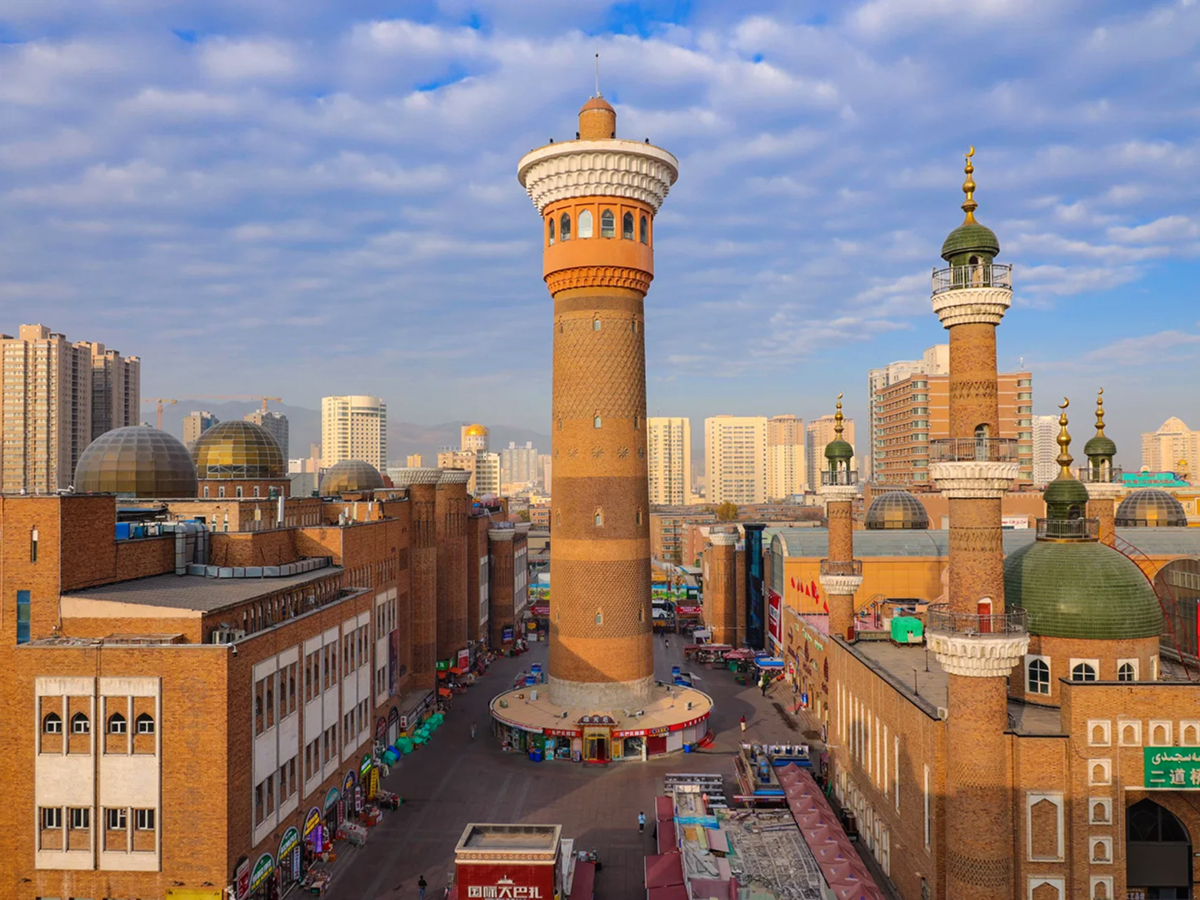
If energy holds by evening, the Hongshan Park (a hilltop park in the city center, 30 to 45 minutes) and the Xinjiang Uyghur Autonomous Region Museum (closed Mondays) are both light half-day options. The museum's mummy exhibit is the practical draw.
Do not stack Day 1 with Tianchi Lake. Tianchi is a 2-hour drive each way from Urumqi and requires a full day.
Day 2 — Urumqi to Jinghe via Sayram Lake
The high-speed rail from Urumqi Station to Jinghe takes about 4 hours. The Jinghe station is the gateway to Sayram Lake, which sits about 1 hour further by private vehicle.
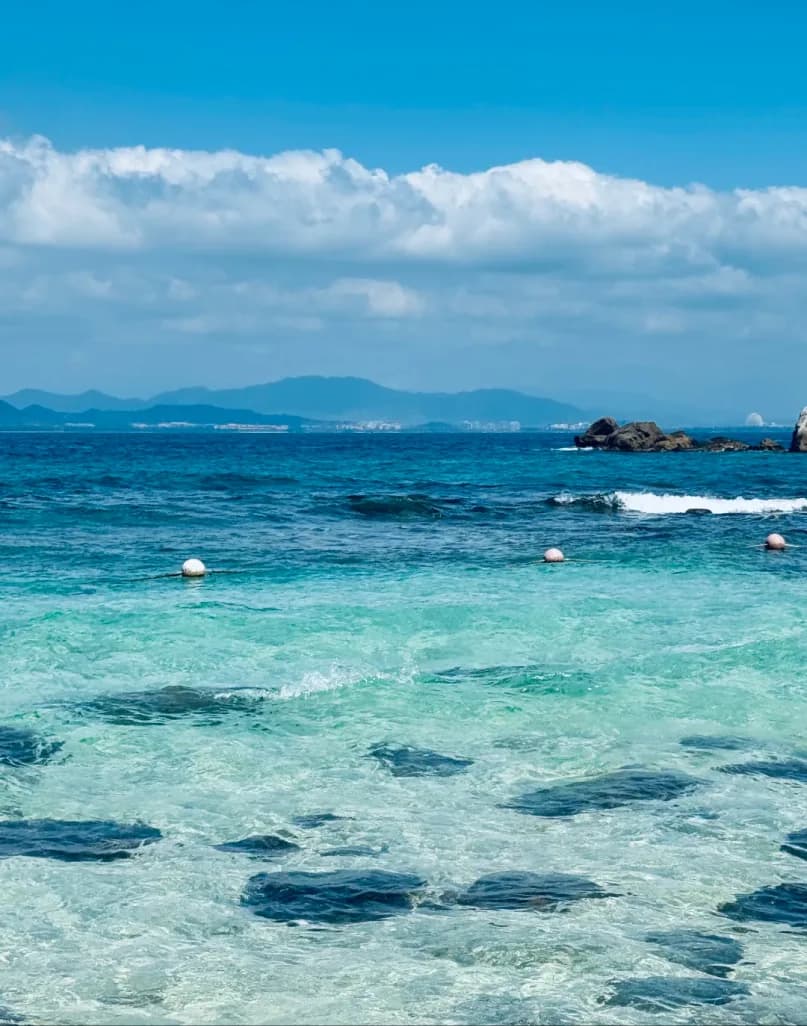
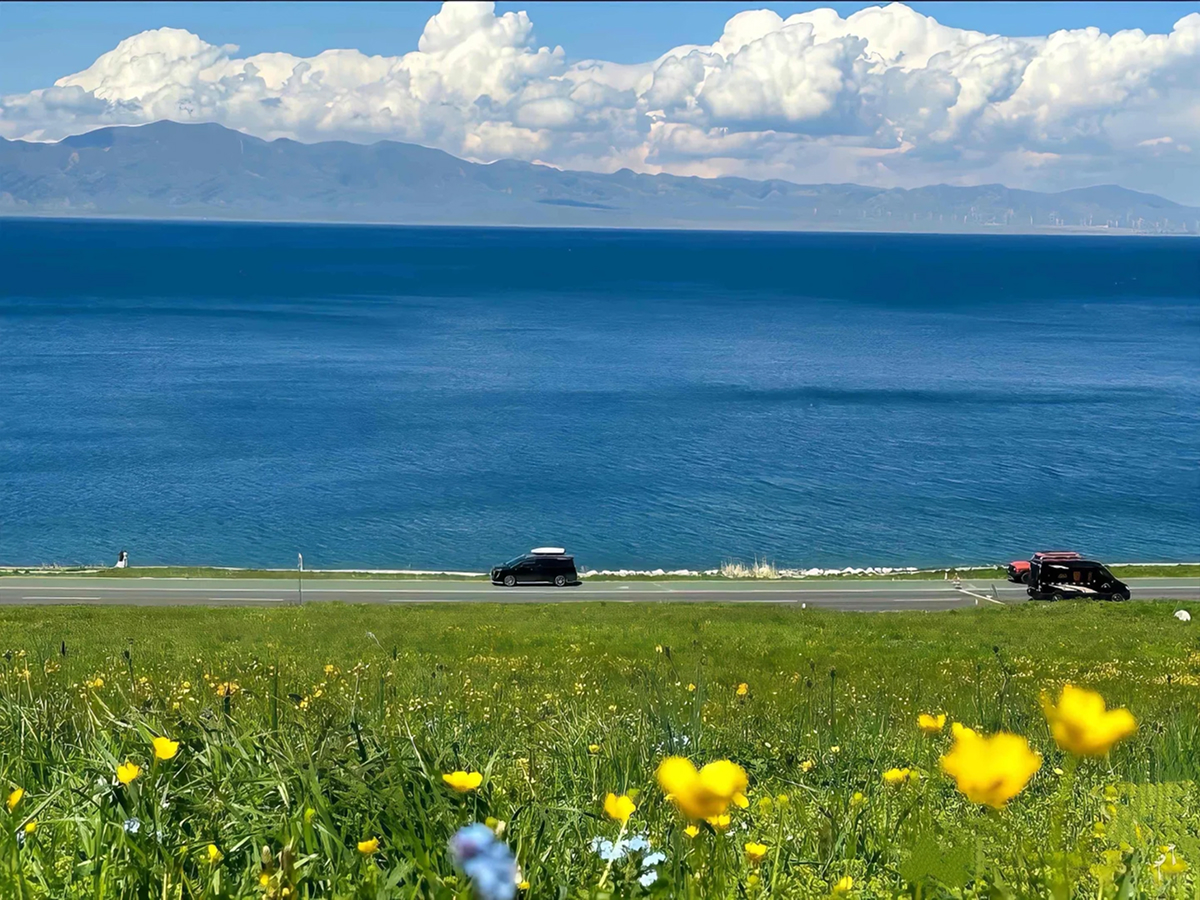
Sayram Lake is the largest alpine lake in Xinjiang at about 2,073 meters elevation. The western shore road faces away from the highway and is where the sunset lands. The eastern side faces the road and the wind; the western side is the photographic one. Budget 3 hours on the lake including the drive from Jinghe station.
After sunset, return to Jinghe town for the night. Jinghe is a small county seat; hotel options are functional but not luxury. This is the trade for being on the lake at golden hour.
Day 3 — Jinghe to Tekesi via Guozigou Bridge
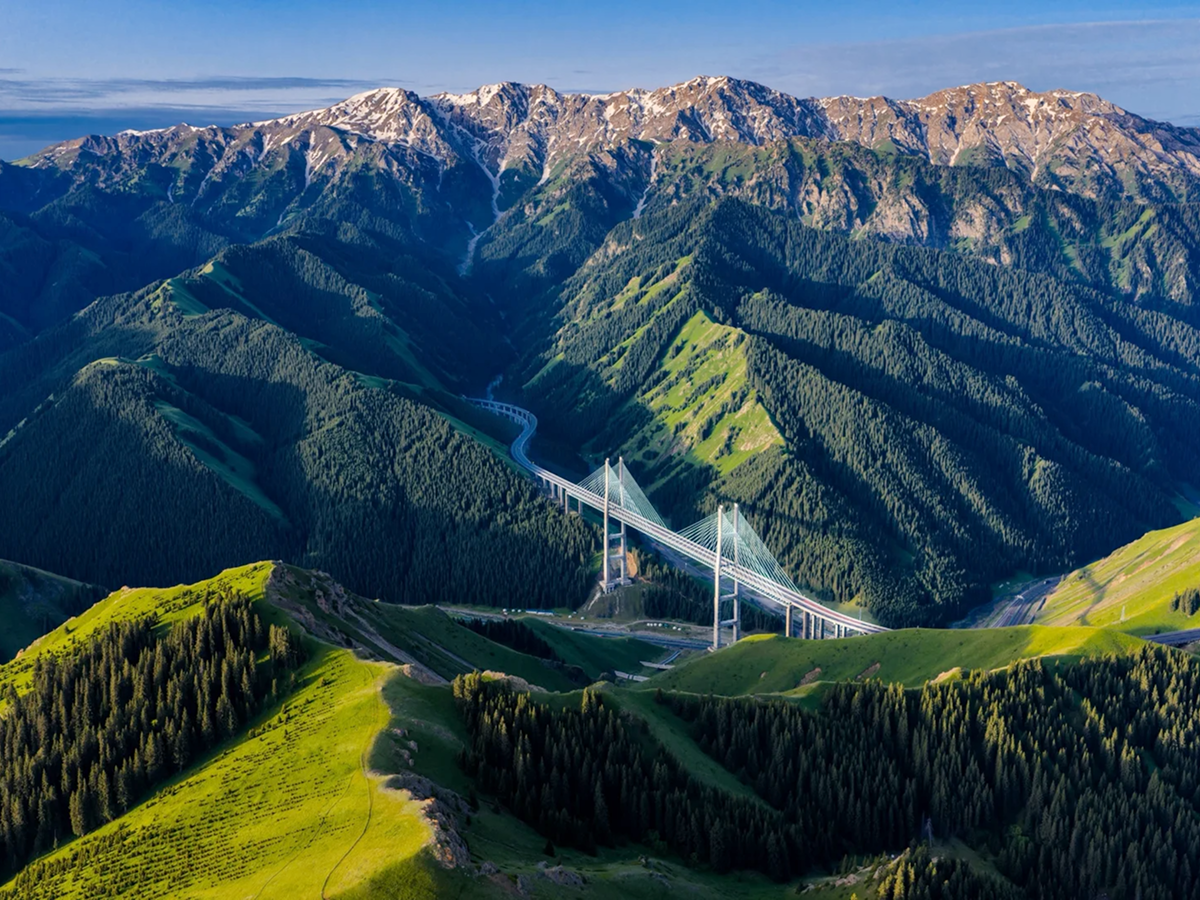
The morning drive crosses the Guozigou Bridge — a sweeping cable-stay bridge across the Guozigou Valley. This is one of the signature scenic crossings of the northern Tianshan route. Plan a 15 to 20 minute stop on the upper viewpoint; do not stop on the bridge itself.
Tekesi (also spelled Tekes) is built on the Eight-Diagram City layout — ring roads radiating from a central tower, no traffic lights. The Li Street old town section and Tai Chi Island at the river are the practical half-day targets.
Afternoon arrival is normal. Most of the day is driving. Do not stack Tekesi with Kurdening or Kalajun on the same day.
Guozigou Bridge
Day 4 — Kalajun Grassland Full Day
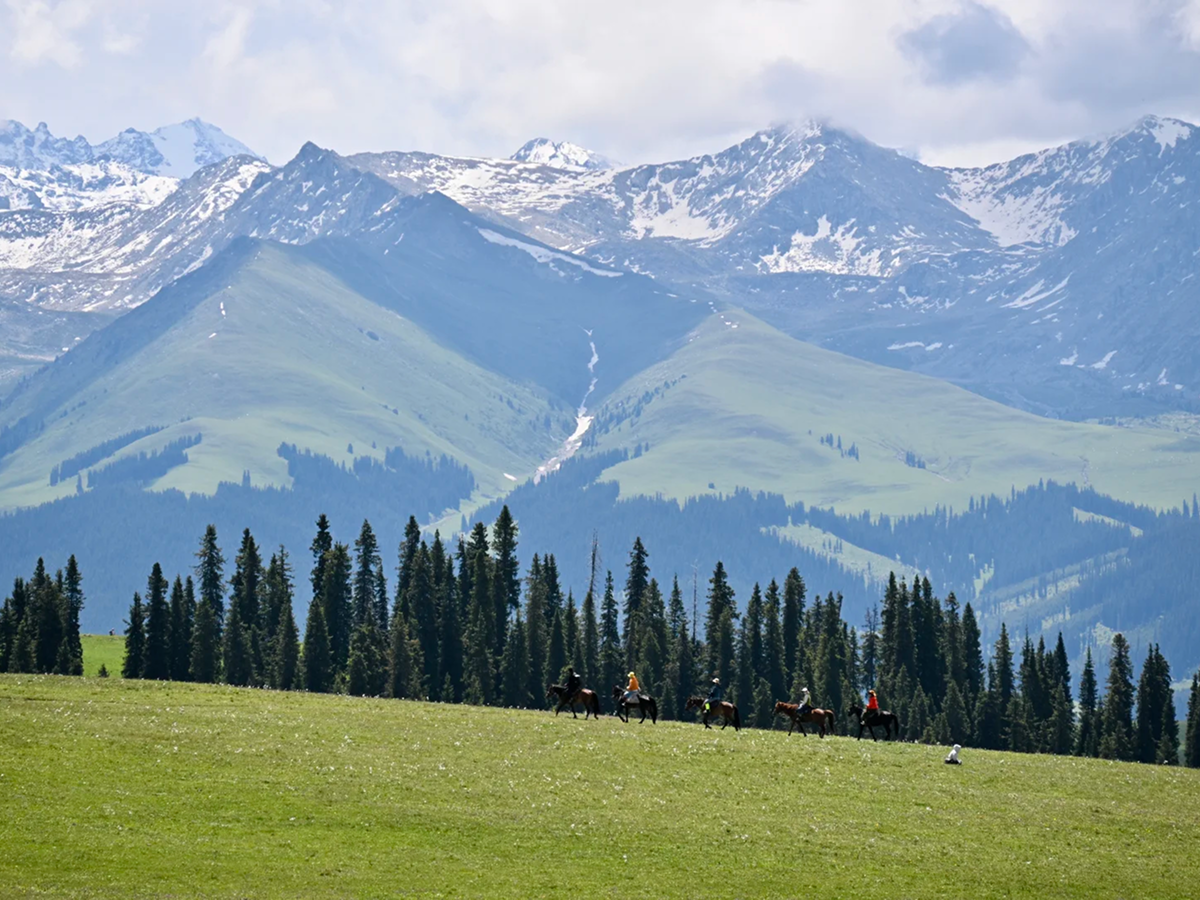
Kalajun is the headline grassland of the loop. The full park covers both East Kalajun and West Kalajun. The main attractions are:
- Xianhua Tai (Flower Platform): rolling meadow with wildflower bloom in late May through June
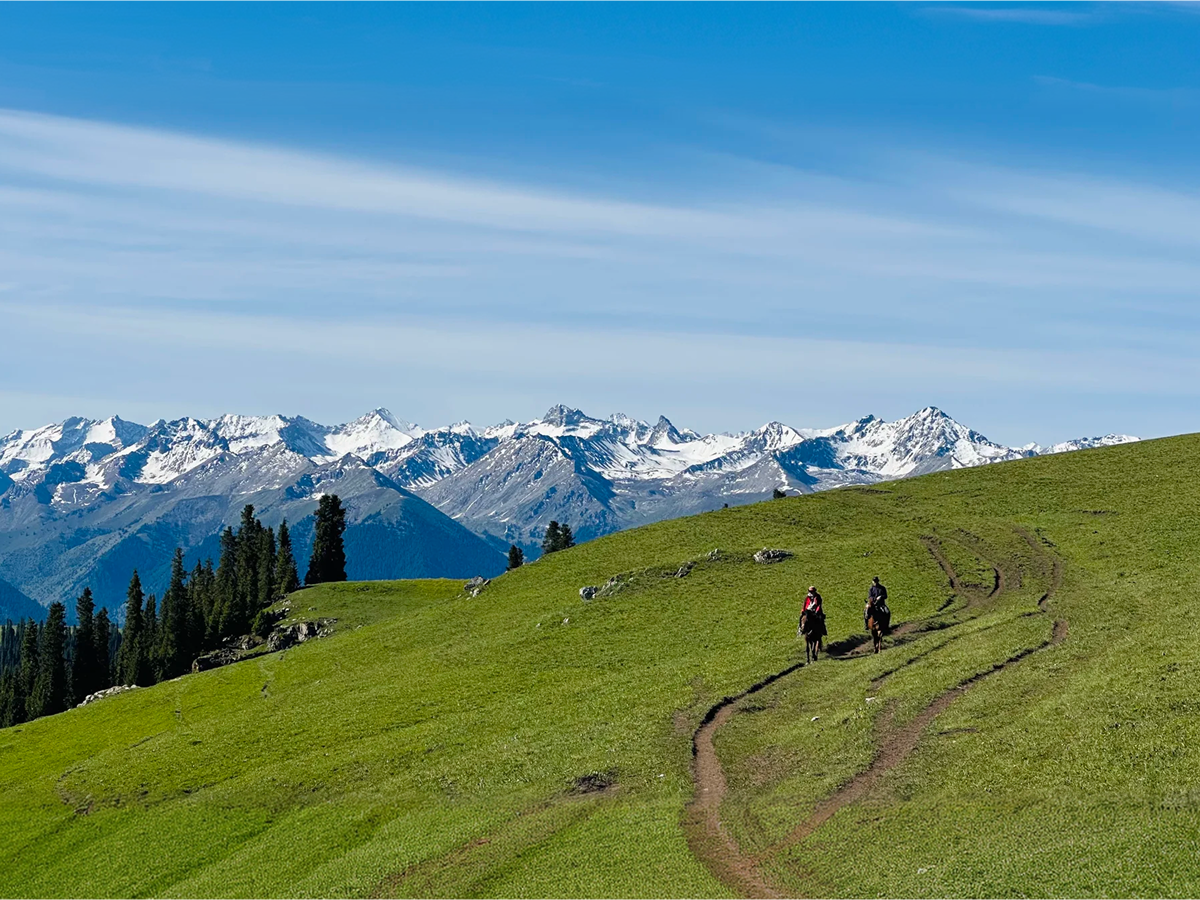
- Lieying Tai (Falcon Platform): ridge viewpoint, optional horseback riding
The grassland elevation runs between 1,800 and 2,800 meters. Visitors from low-elevation arrivals may feel mild altitude effects on Day 4. Walking is gentle but the distance adds up; budget 4 to 5 hours in the park.
Horseback riding at Lieying Tai is arranged locally through the herder cooperatives. We do not book this in advance; it is paid on site. Condition of horses and pricing varies by season.
Day 5 — Kalajun to Kurdening
The transfer from Kalajun to Kurdening is about 2 hours. The road runs through mountain valleys; weather can close the route briefly during snow season (October through early April).
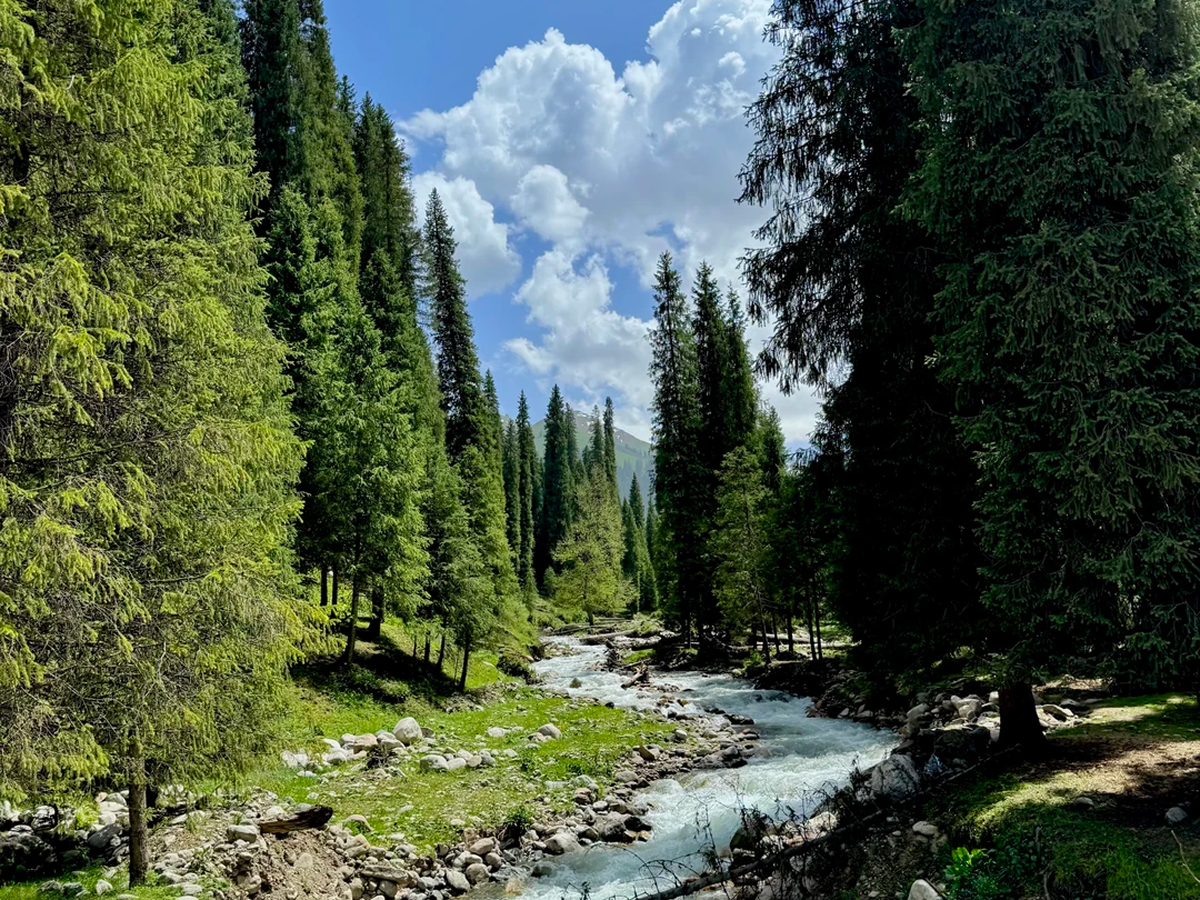
Kurdening's main feature is the snow mountain spruce forest — a protected Picea schrenkiana stand running along the northern slope of the Tianshan range. This is a forested hike, not a grassland walk. The air is cool even in summer.
Most travelers treat Kurdening as a half-day rest stop on the way to Nalati. The accommodation here is in family-run guesthouses or small inns; luxury hotels are not available in this section. This is the practical constraint of the loop, not a downgrade.
Day 6 — Nalati Grassland Full Day
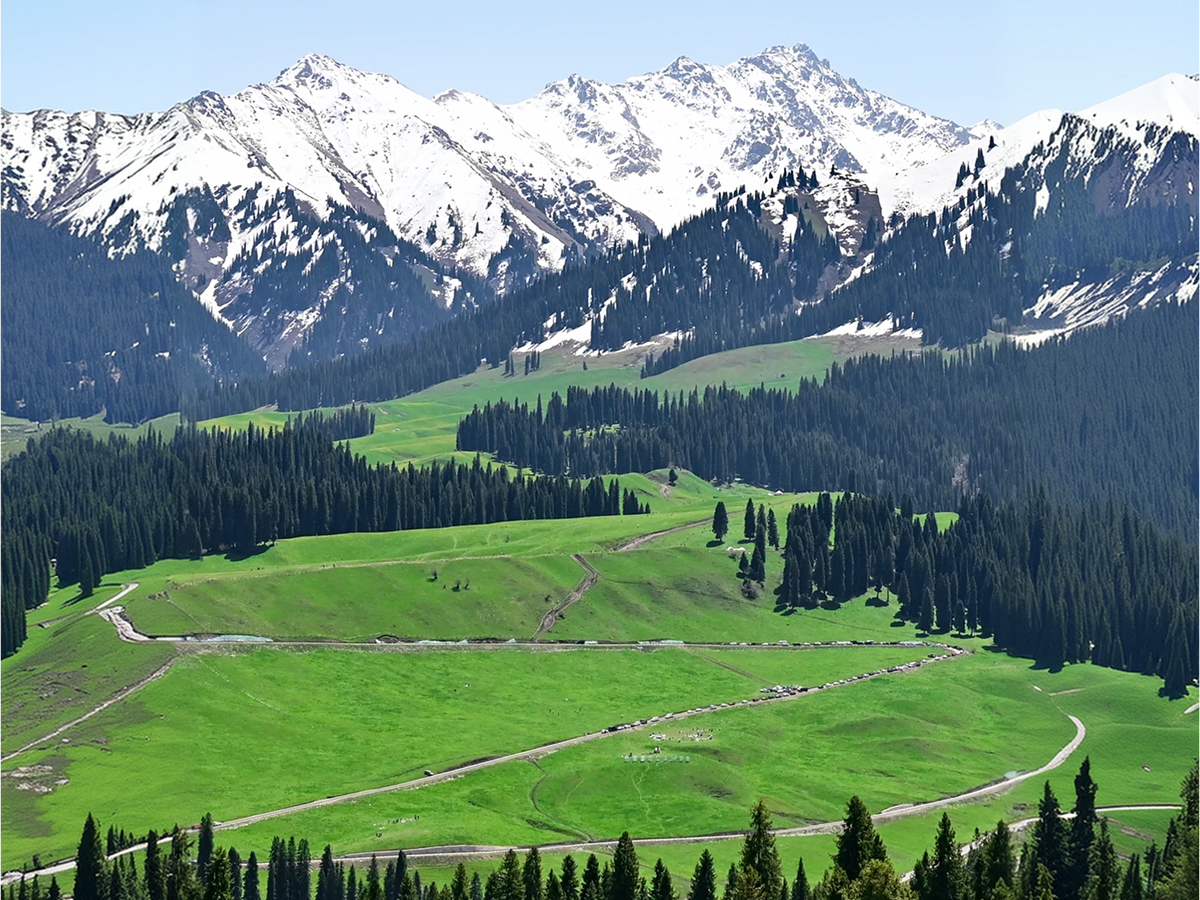
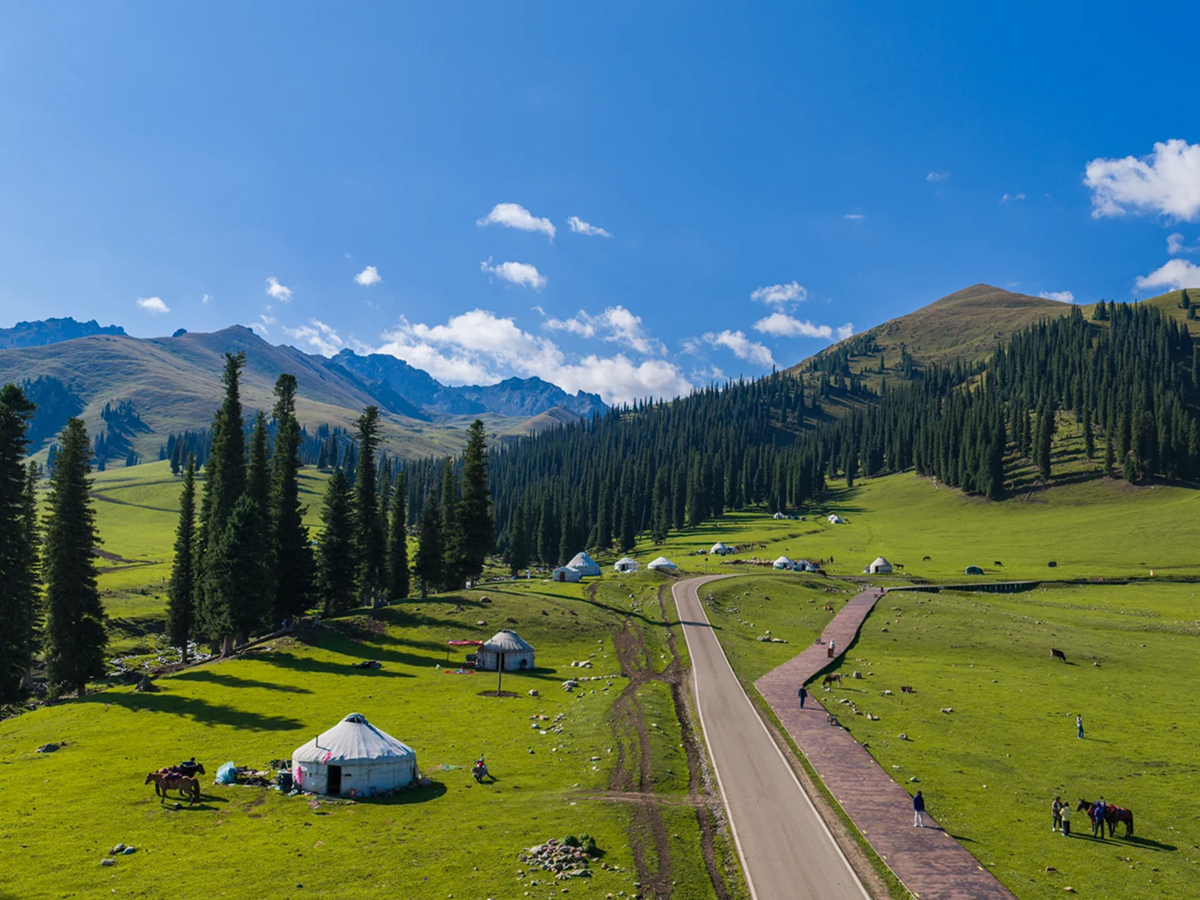
Nalati is the most developed grassland park of the loop. The main section is the Air Grassland — a high-altitude meadow accessed by a 30-minute shuttle bus from the visitor center.
June through early July is the wildflower window; late July through August is the green-grass window. September starts turning yellow. October closes most grassland operations.
Horseback riding and Kazakh yurt lunches are available on site; both are paid locally. The yurt lunch is the practical midday stop, not a performance — order ahead of arrival during peak weeks.
Evening return to Nalati town for the night. Nalati town has a wider range of hotels than Jinghe or Kurdening.
Day 7 — Nalati to Bayinbuluke or Nalati Rest Day
Two options for Day 7:
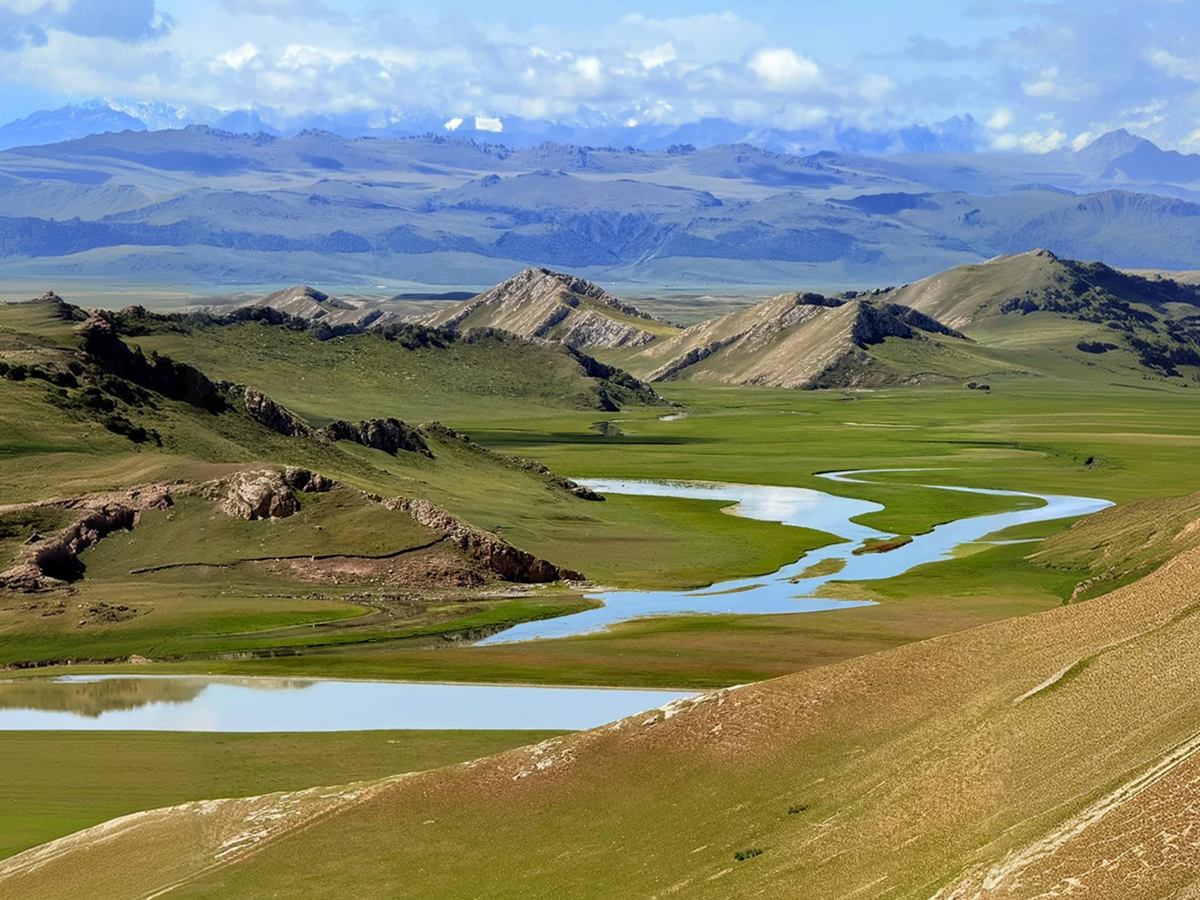
- Add Bayinbuluke: the Bayinbuluke Grassland plus the Swan Lake section. Adds a 2.5-hour drive each way. Bayinbuluke elevation runs above 2,500 meters; this becomes a high-altitude day.
- Return south via Narat to Bayingolin: longer drive, sets up a different return route.
For most travelers the first option is the cleaner cut. The Swan Lake section is the practical draw — actual swan population depends on the season.
Day 8 — Return to Urumqi via Tianshan Victory Tunnel
The return route now runs through the Tianshan Victory Tunnel — a highway tunnel opened in recent years that cuts the Urumqi to Yili drive from about 9 hours to about 5 hours. This dramatically changes the loop geometry.
Return to Urumqi by evening. International flights typically depart late evening or next morning. Build a buffer night in Urumqi if the international flight is early on Day 9.
What This Loop Does Not Cover
The following are out of scope for this eight-night product:
- Kanas and the Altai Mountains — separate northern Xinjiang ridge; mixing them compresses both
- Southern Xinjiang — Kashgar, Hotan, Taxkorgan — different geography, different distance
- Tianchi Lake — eats a full day from Day 1, not recommended
- Hami and the eastern Xinjiang corridor — different region entirely
Border Zones, Permits, and Weather
The Yili loop runs near the Kazakhstan border at certain sections (notably near the Huocheng county border area). Border-zone permits follow the current official rules; for trips we operate, we coordinate the paperwork in advance. Permit requirements can change — check the latest regulation before booking.
Summer (June through August) is the operating season. Winter (November through March) closes most grassland parks; the loop is not a winter product.
Xinjiang Private Ground and Booking
For private trips we operate, the high-speed rail between Urumqi and Jinghe, the Nalati and Kalajun park tickets, and the private vehicle across the loop are coordinated by TravelToQin before the departure date. Border-zone permits, when required, are part of the same planning package.
If the shape above is close, send your arrival date, the international flight schedule on Day 9, and whether Bayinbuluke should replace the Day 7 rest option through contact. The first reply confirms the eight-night cut works, or points to a tighter shape if the dates are short.