


























We Are With You
- A Travel Consultant Rooted In China
- Immediate Response, No Need To Wait!
- Direct Contact, Highest Value
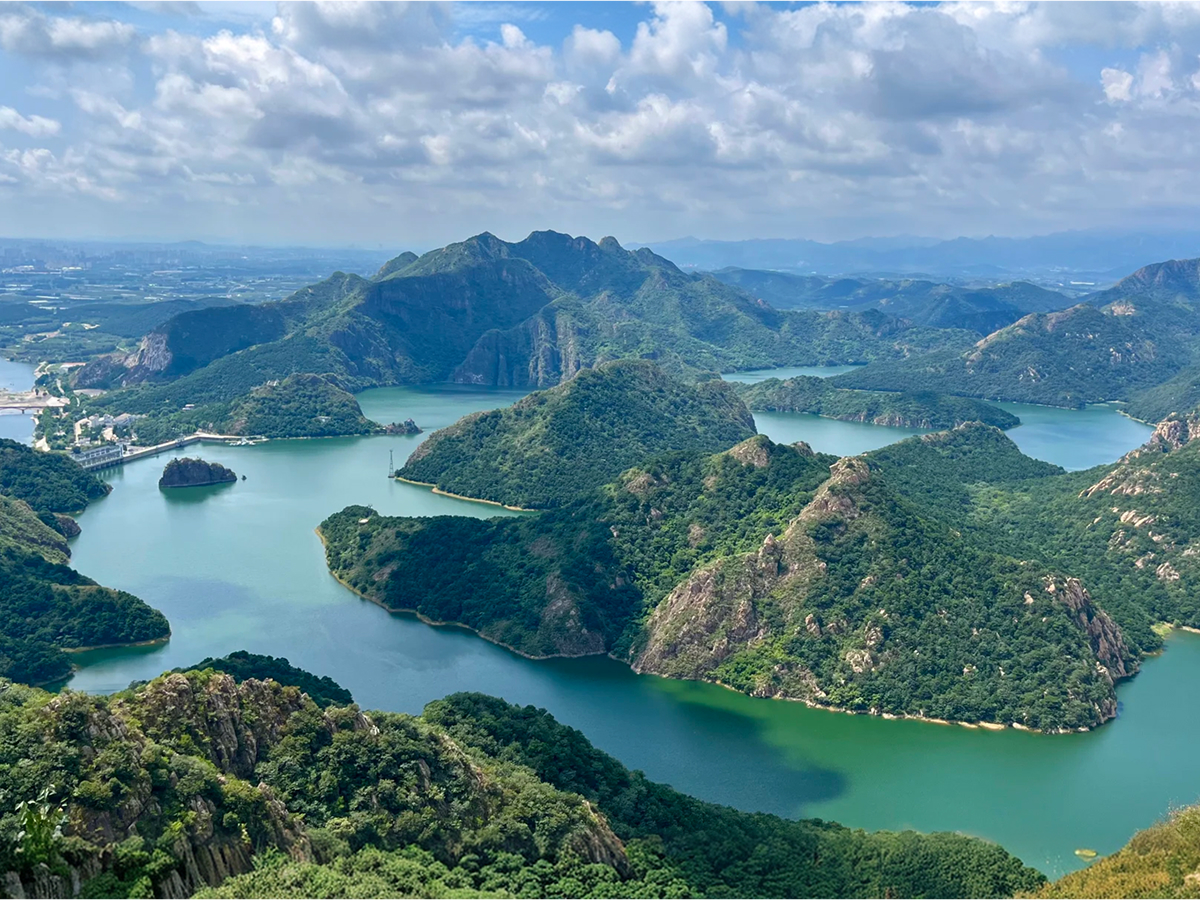
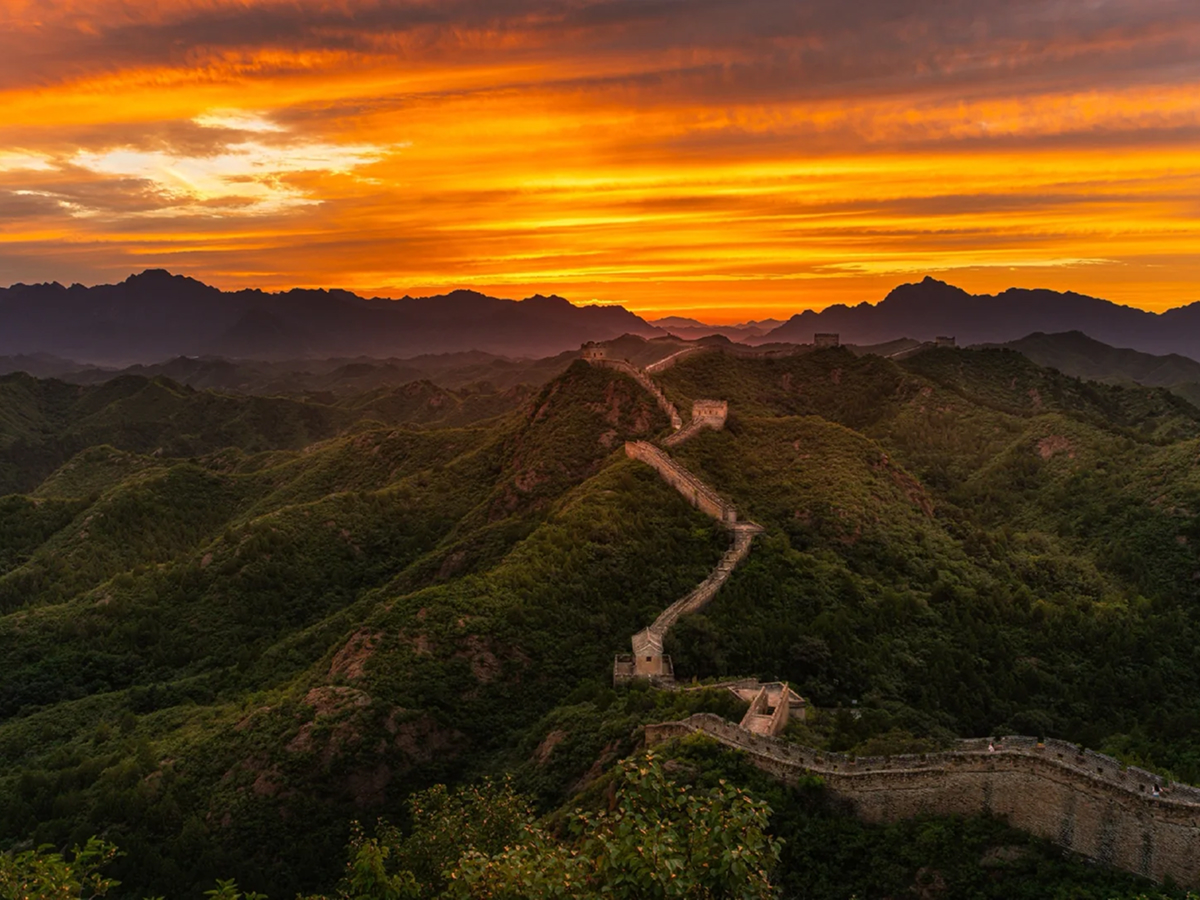
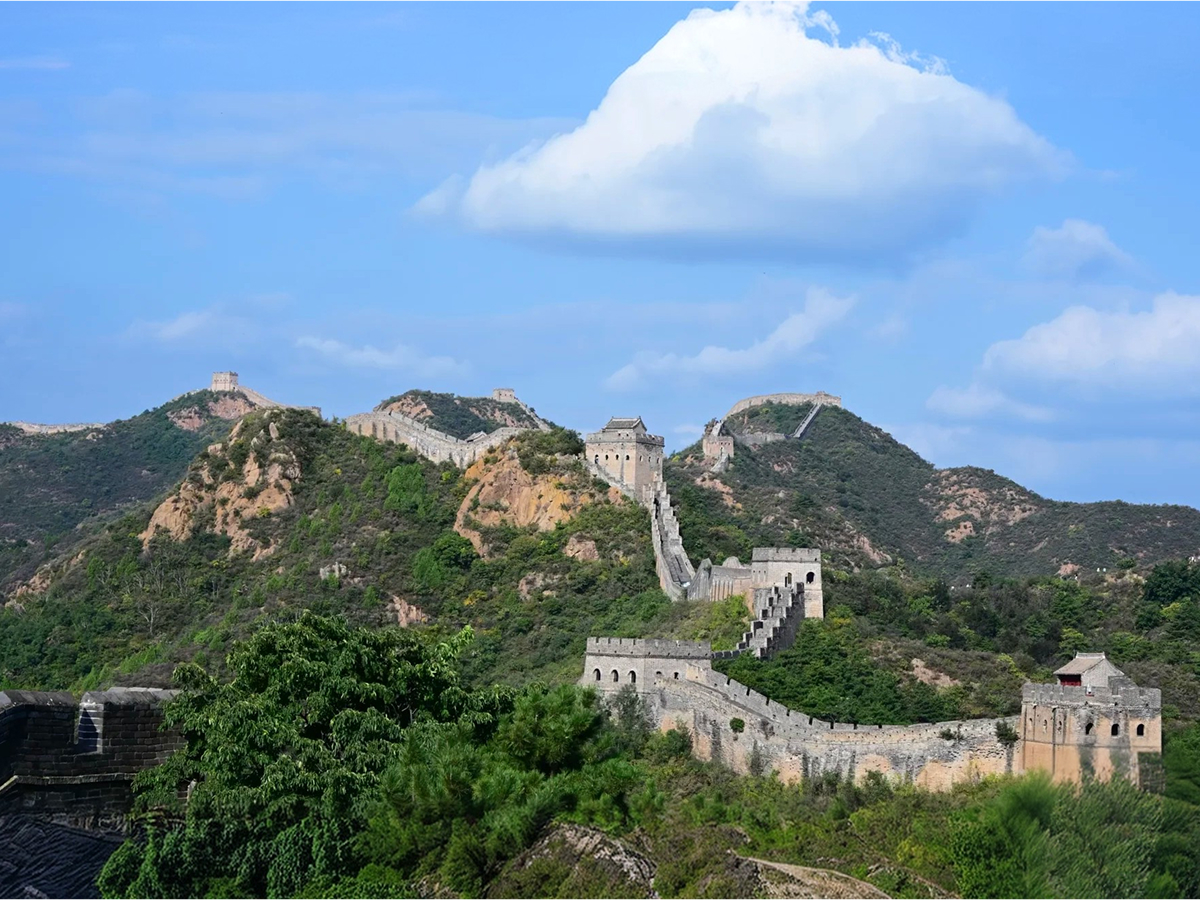
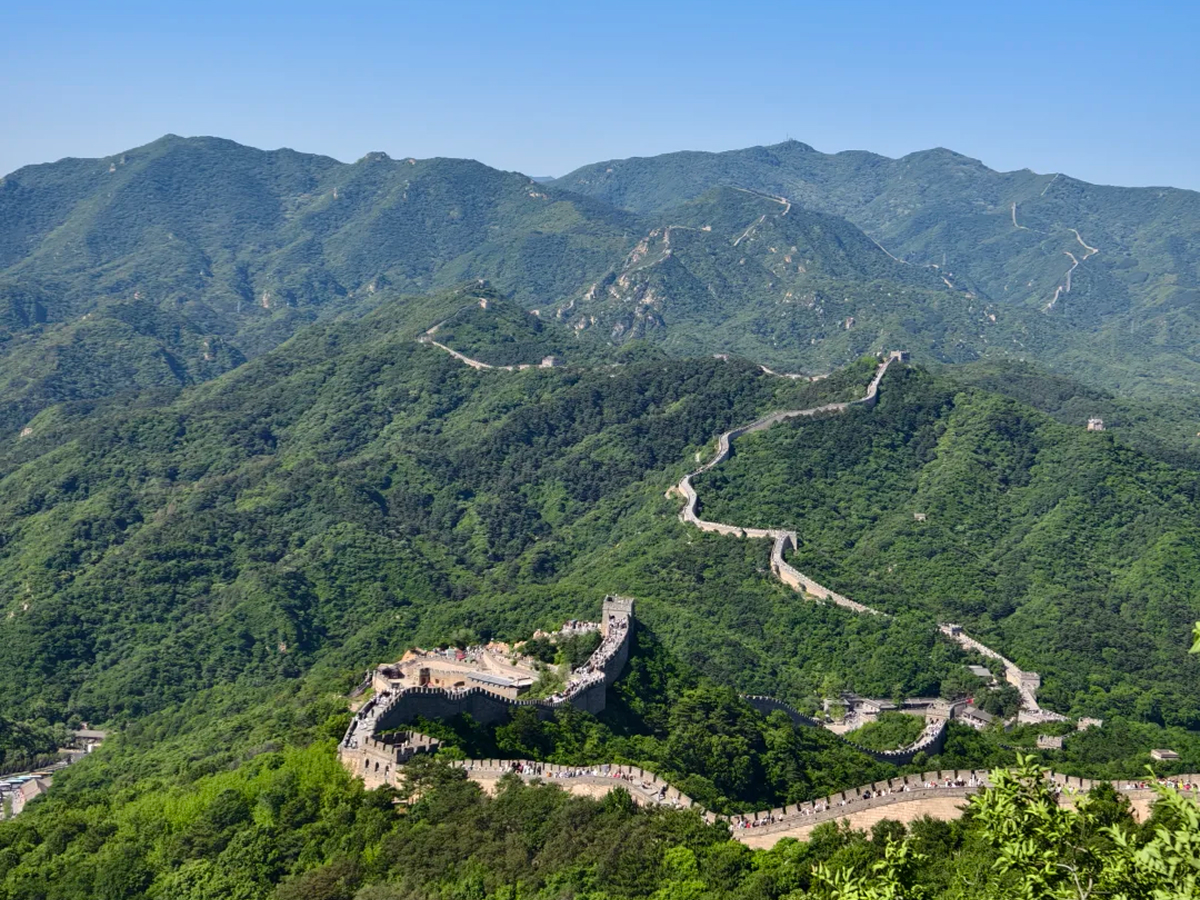
The Great Wall of China does not have one start point and one end point. It is not a single structure built in one period by one dynasty along one continuous line. It is a series of defensive fortifications built, rebuilt, and extended across northern China over roughly 2,000 years, by multiple dynasties, along multiple routes.
This matters for the question "where does it end" because the answer depends on which wall, built by which dynasty, along which route, you are asking about.
For practical travel purposes, the two ends that matter are:
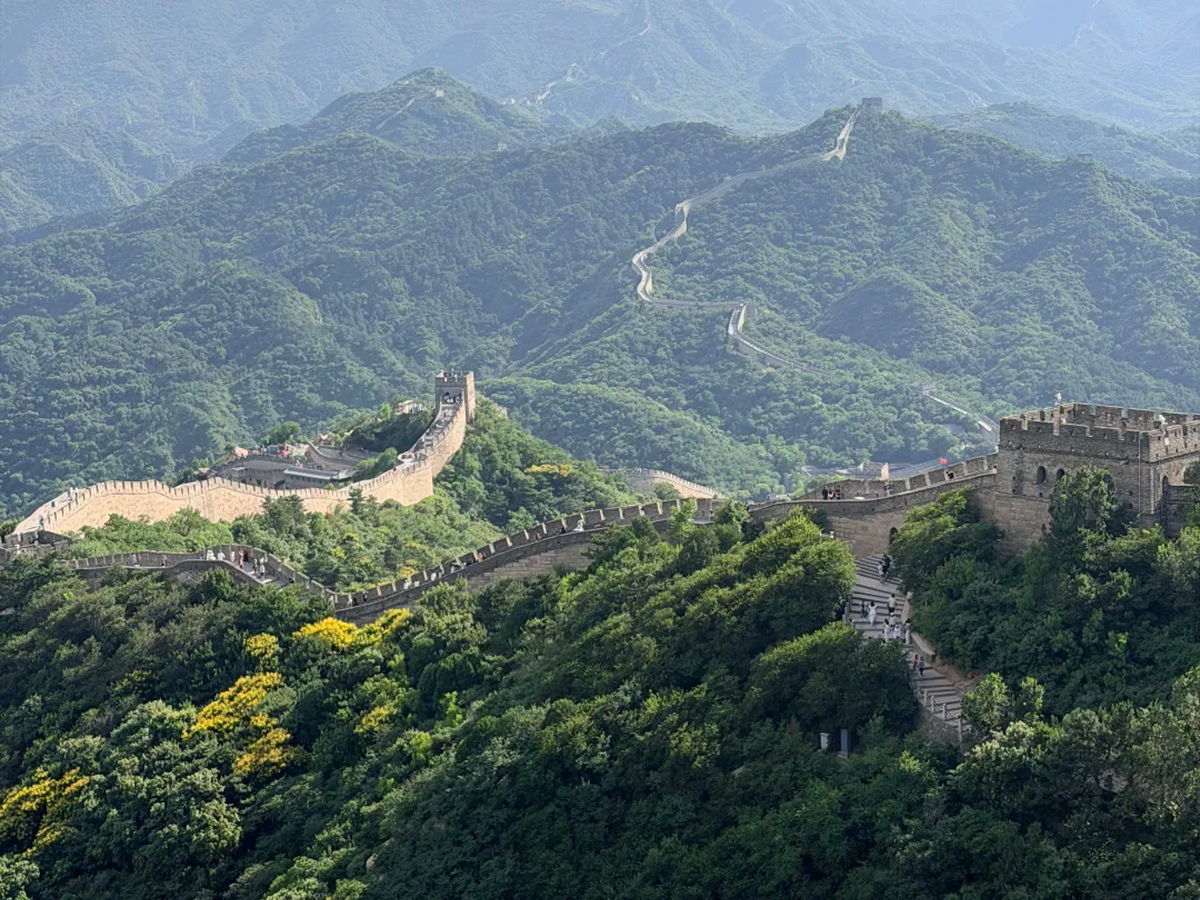
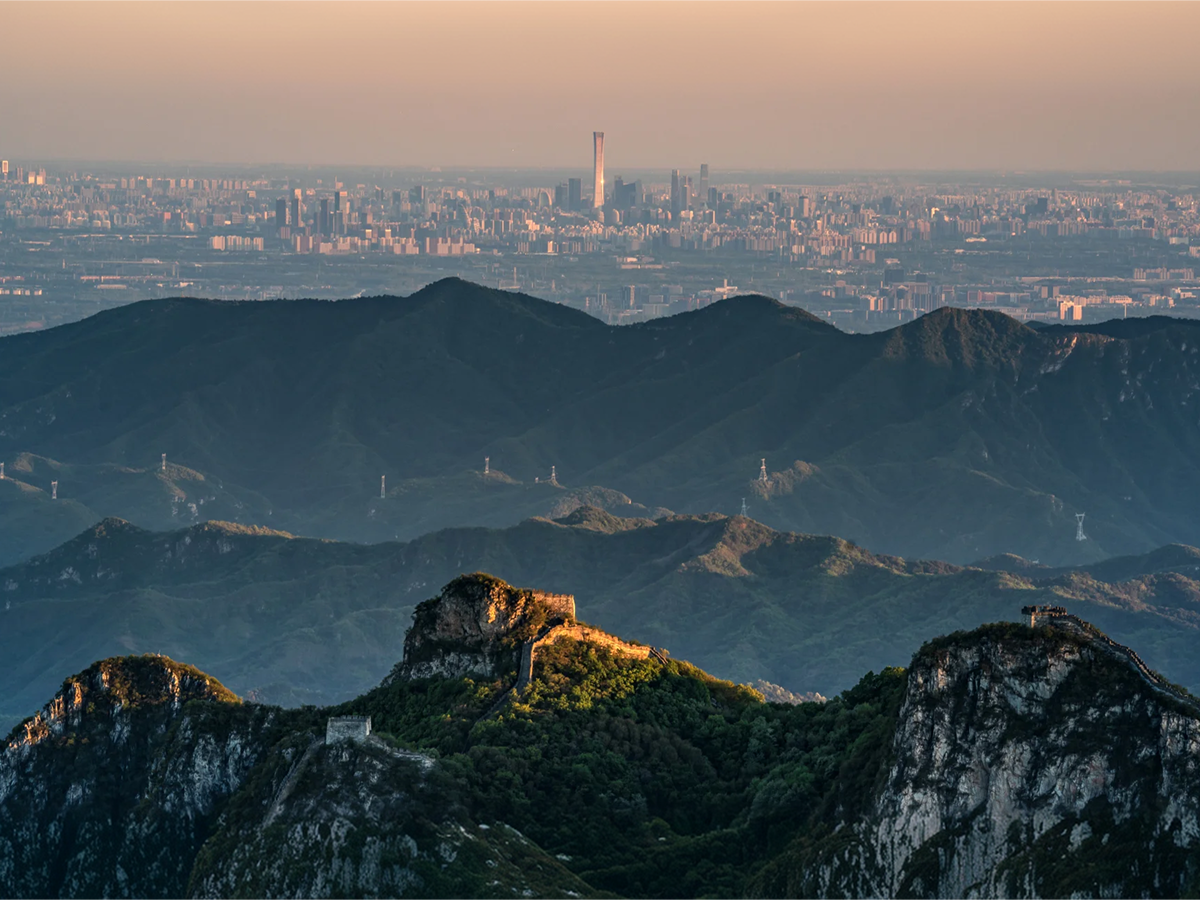
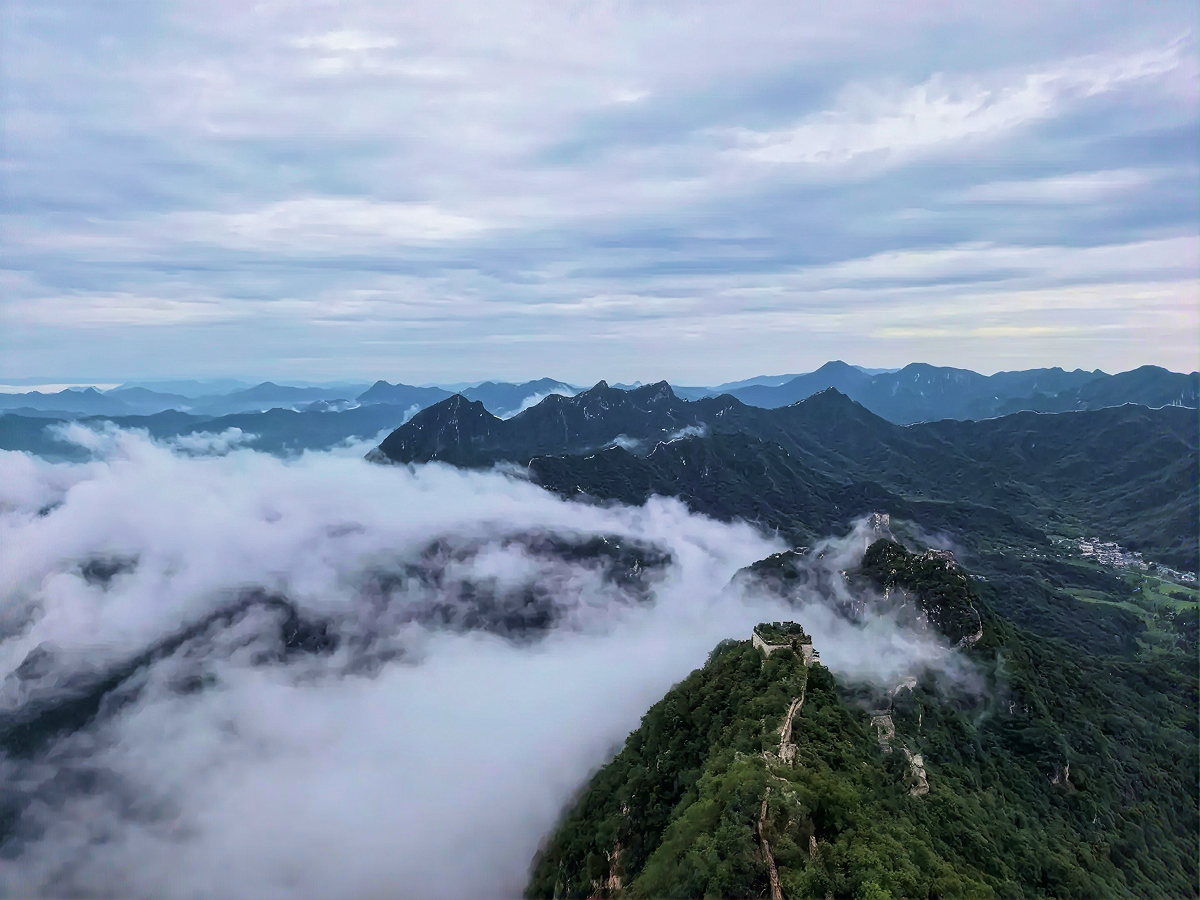
The Wall you visit most often in a standard Beijing itinerary — Mutianyu, Badaling, Jinshanling, Jiankou — sits in the Huairou corridor east of Beijing, roughly 700 km from Shanhaiguan. These are not the ends. They are the sections closest to Beijing, which is why they receive the most visitors.
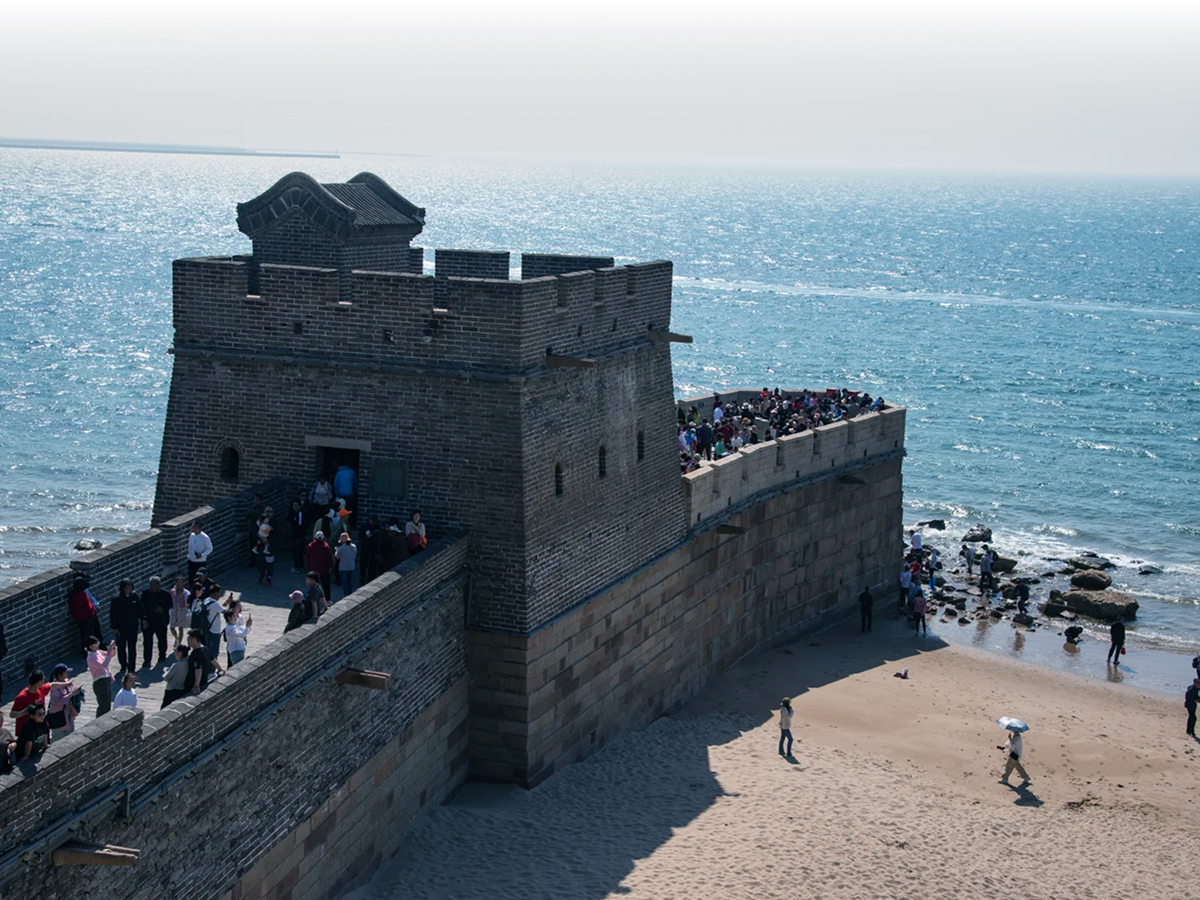
Shanhaiguan is located on the eastern edge of the Ming Dynasty Great Wall, which reaches the coastal plain and connects with the Bohai Sea. It is known as the 'Number One Pass in the World', which tells you its historical strategic position.
In the Shanhaiguan area, there is a special feature called "Old Dragon Head", roughly translated as "老龙头". This is the part of the Great Wall that extends directly into the sea - the approximately 22 meter long Great Wall extends into the water. It is the only place where the Great Wall enters the ocean. This is a true geographical fact and one of the most photographed parts of the wall.
Laolongtou is part of the Shanhaiguan scenic area. Walking from the pass to Laolongtou takes roughly 30 minutes at a normal pace. Both are included in the same ticket or combined area pass. You do not need a separate ticket for each.
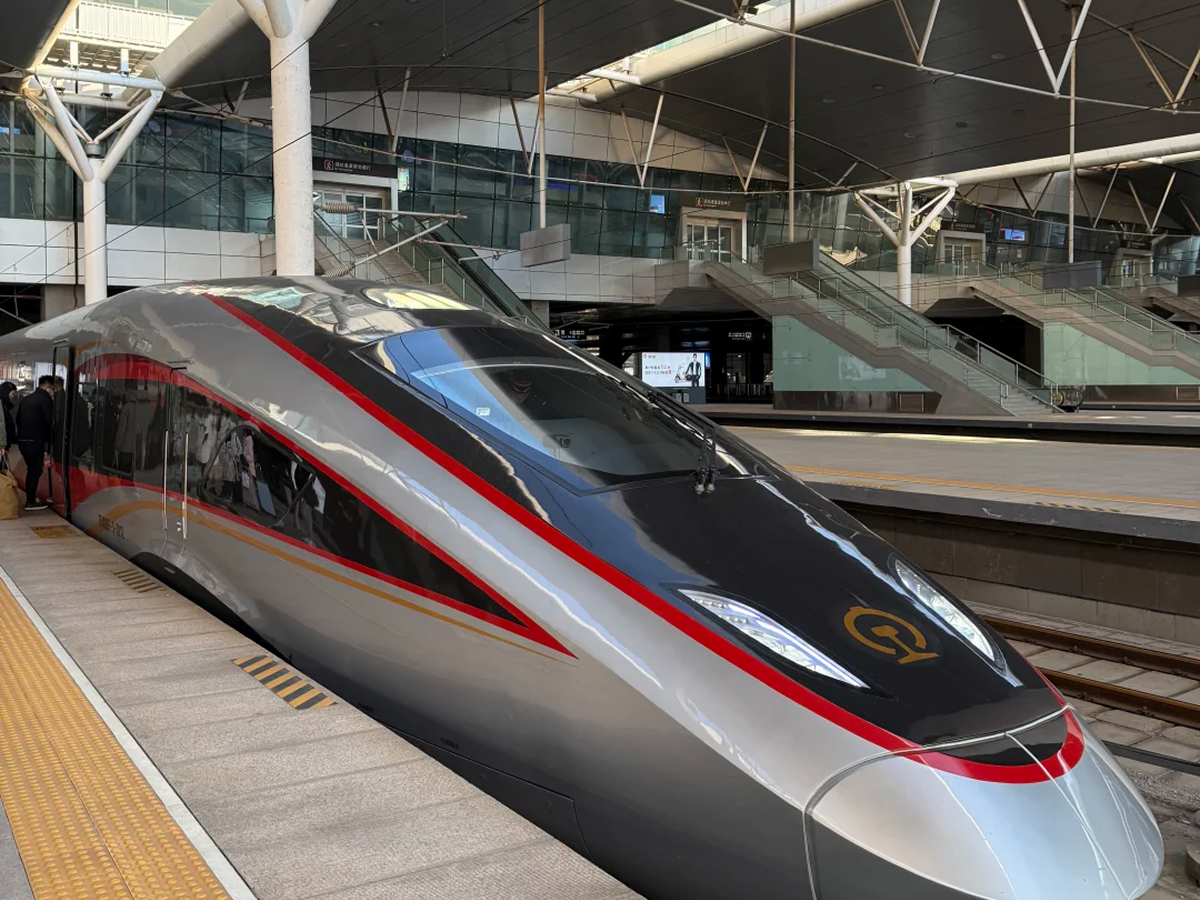
The connection to travel logistics: Shanhaiguan is a stop on the high-speed rail line running northeast from Beijing. Beijing to Shanhaiguan by G-train takes approximately 2–2.5 hours. There are 13 or more daily departures, with the frequency varying by season. A private day trip from Beijing to Shanhaiguan is possible in a long day, but the wall visit is more comfortable with a single overnight.
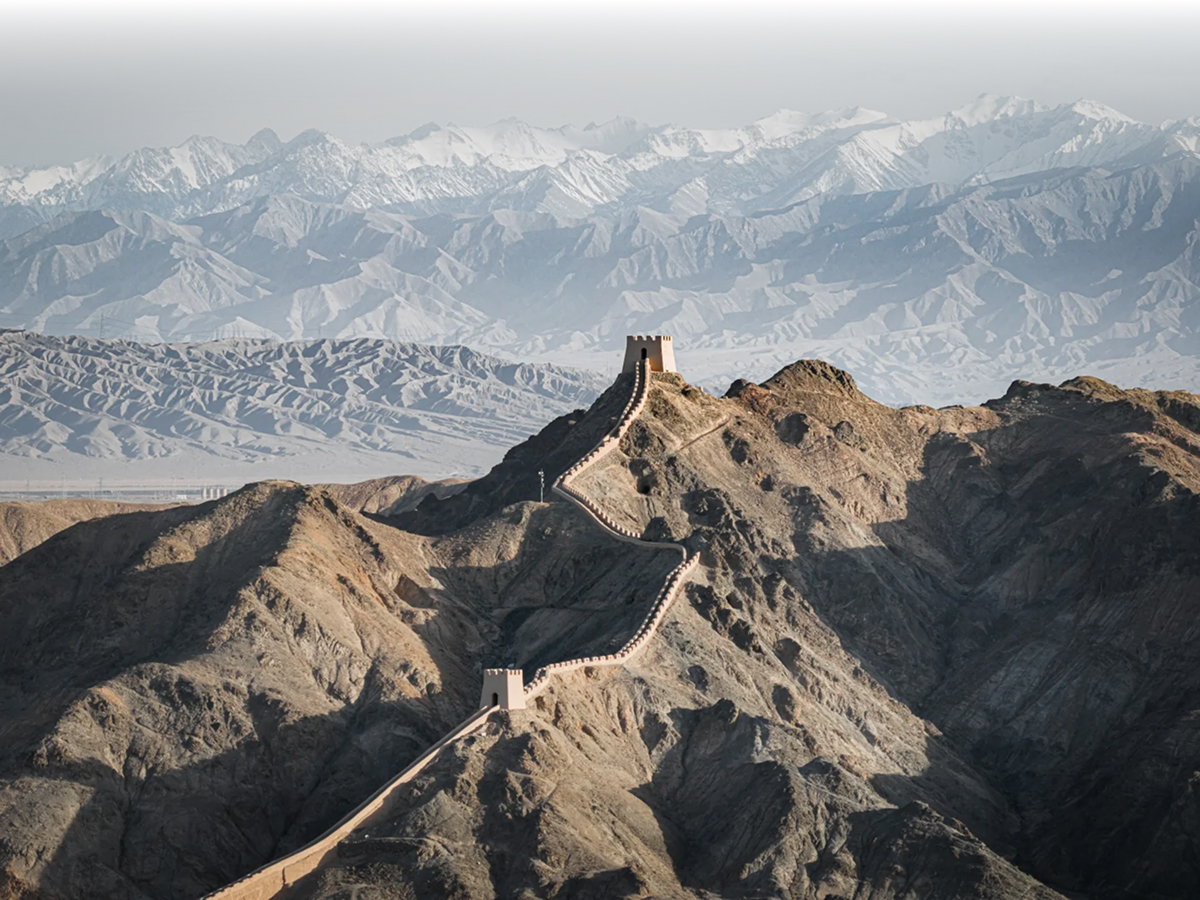
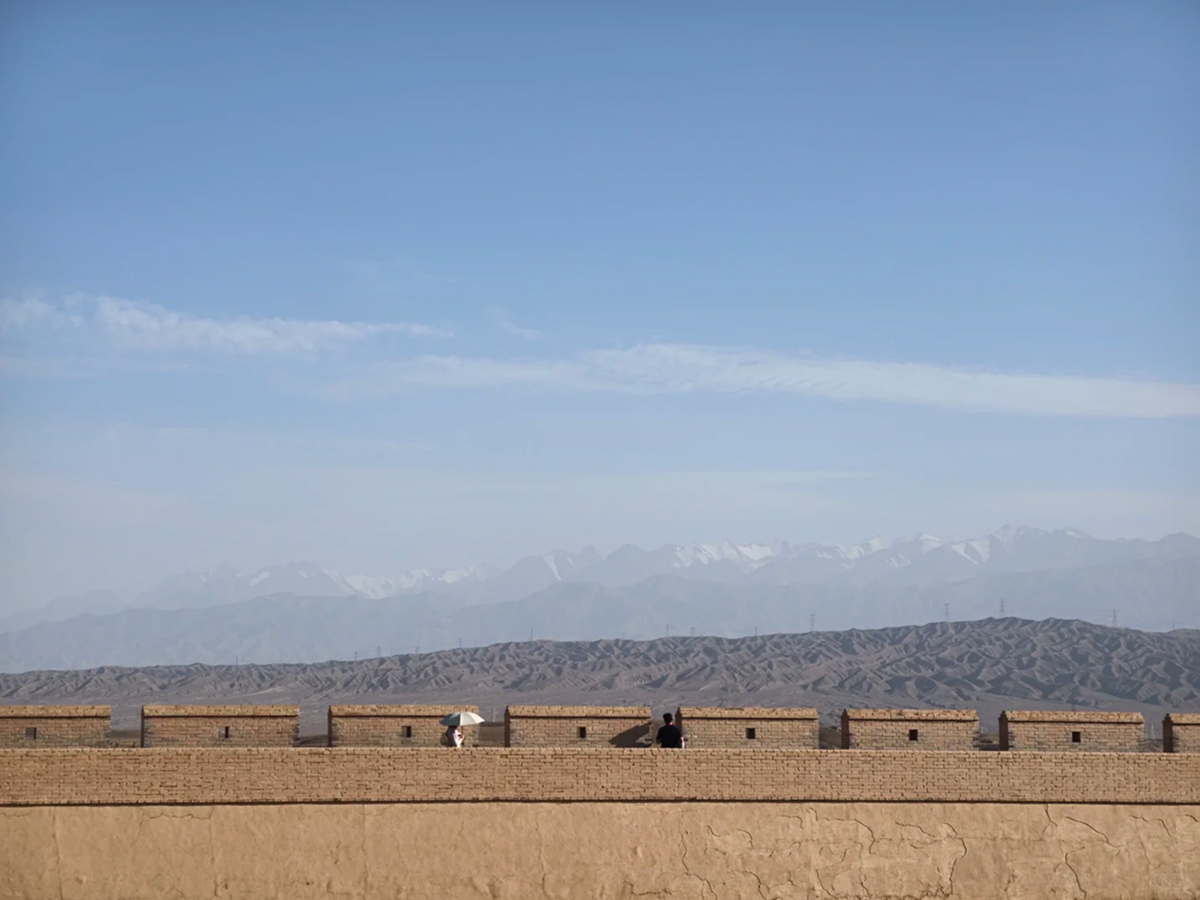
Jiayuguan (嘉峪关) is the westernmost point of the Ming Dynasty Great Wall. The fortress sits at the western edge of the Hexi Corridor, where the Gobi Desert begins. It was the last point of defense before the empire's western frontier opened into Central Asia via the Silk Road.
The geographic context matters: the wall here was built to mark and defend the frontier, not to enclose a territory. When you stand at Jiayuguan and look west, you see the desert. The wall does not continue into it. The wall stops, and the desert begins.
In terms of scale and visual contrast, Jiayuguan is dramatically different from Shanhaiguan. At Shanhaiguan, the wall meets water. At Jiayuguan, it meets open desert. The photo opportunities are very different, and the experience of being at each is different — one is coastal, one is arid.
Getting there from Beijing requires a flight to Lanzhou or Xi'an plus a high-speed rail connection to Jiayuguan, or a direct flight to Jiayuguan (Jiayuguan Airport receives limited domestic flights). A visit to Jiayuguan as a standalone destination requires a minimum of two days in the area. A combined visit with Dunhuang and the Mogao Caves makes the western trip considerably more logical — one trip covers two major destinations rather than one.
If you have searched this question before and found conflicting answers, here is why: the question "where does the Great Wall end" can be answered correctly in at least three different ways depending on what is being asked.
Different question dimensions produce different answers:
Question dimensionShort answerWhy it varies Where does the Ming Wall end?Jiayuguan, GansuMing Dynasty built the most recognizable sections; western terminus is well documented Where does the Wall reach the sea?Laolongtou, ShanhaiguanOldest preserved wall meets the Bohai Sea; unique geographic feature Where does the "continuous" wall end?No single answerDifferent dynasties built different walls; no single continuous line existed Where can a visitor realistically reach an end?Shanhaiguan (easiest), Jiayuguan (requires planning)Accessibility varies significantly
The answer you need depends on what you are trying to do. If you want to visit an endpoint, Shanhaiguan is the practical answer. If you want to understand the historical geography of the western frontier, Jiayuguan is the answer. If you want to photograph the wall entering the ocean, Laolongtou at Shanhaiguan is the answer.
Yes, both endpoints are open to visitors. The logistics differ significantly.
Shanhaiguan and Laolongtou are the more accessible endpoint. From Beijing, take a G-train to Shanhaiguan station (approximately 2–2.5 hours). The scenic area is within a few kilometers of the station. A private vehicle from the station to the scenic area takes approximately 20 minutes. A comfortable visit with both Shanhaiguan Pass and Laolongtou takes 4–5 hours. From Beijing, this is feasible as a very full day trip, but an overnight stay in the Shanhaiguan area is more relaxed and allows for an early-morning visit before day-tripper crowds arrive.
Jiayuguan needs more planning. There is no direct high-speed railway in Beijing. The fastest route is to fly to Lanzhou (about 2.5 hours), followed by a high-speed railway from Lanzhou to Jiayuguan (about 4 hours), or a direct flight to Jiayuguan Airport, with limited daily service. The Jiayuguan Battery and Hanging Wall section can be visited within 3-4 hours. A trip to Gansu, covering Jiayuguan, Zhangye, and Dunhuang, usually takes 4-6 days from Beijing.
There is no standard TravelToQin product that visits either endpoint as a standalone short trip. Both endpoints are accessible by private arrangement for guests building a longer China itinerary. Shanhaiguan is the more realistic endpoint to add to a coastal extension (combined with Qinhuangdao or Beidaihe), while Jiayuguan makes sense as part of a Silk Road or western Gansu extension.
Shanhaiguan and Laolongtou: a private car and guide from Beijing (with an overnight in the Shanhaiguan area), train tickets, and a curated visit to both the pass and the sea-wall section. The visit can be structured around your Beijing itinerary length — as a day trip from Beijing for guests on 5D4N and above, or as a post-Beijing coastal extension.
Jiayuguan: logistics for a western Gansu extension, including transfers, guide arrangements, and connecting Dunhuang. This requires a minimum of 4 additional days beyond a standard Beijing-Shanghai trip.
Cannot arrange: a same-day round trip from Beijing to Jiayuguan — the distance makes it logistically meaningless. A private guide for a Shanhaiguan visit that starts and ends in Beijing same-day is possible but compressed; an overnight is a materially better experience.
Mistake 1: The Wall has one continuous start and end. It does not. Different dynasties built different walls. The wall you visit in Beijing was built in a different period than the wall at Jiayuguan. Treating it as one continuous structure leads to confusion about why the "ends" seem unrelated to each other geographically.
Mistake 2: Reaching the "end" of the Wall means completing it. Even if you visit both endpoints, you have not "done" the Great Wall. The Wall spans roughly 21,000 kilometers of total historical extent. No visitor covers more than a small fraction of it. Visiting Shanhaiguan and Jiayuguan gives you geographic endpoints — it does not give you the wall.
Mistake 3: Jiayuguan is more "worth it" than Shanhaiguan. They are different places for different purposes. Shanhaiguan has the sea-wall, the geographic novelty, and the accessibility from Beijing. Jiayuguan has the frontier fortress, the desert backdrop, and the Silk Road context. One is not objectively better. The question is which experience fits your itinerary. For most first-time visitors to China with limited time, Shanhaiguan is the more practical endpoint. For visitors with longer stays or specific interest in western frontier history, Jiayuguan is the more meaningful endpoint.
A fine hotel shapes the warmth of every journey